
Vilnius Cathedral
About Vilnius Cathedral
Description
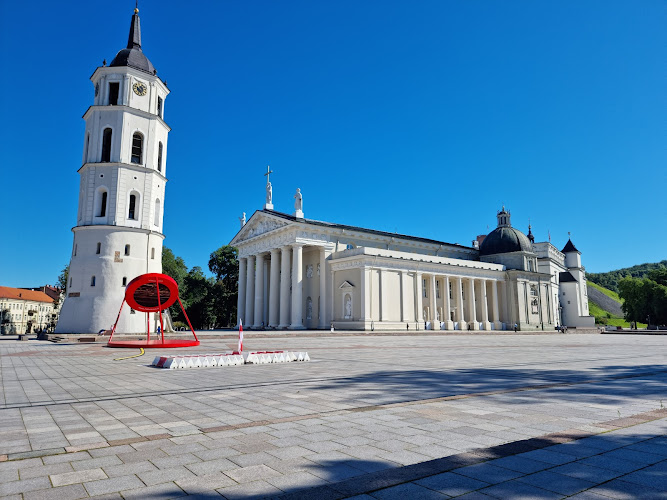
Vilnius Cathedral, officially known as the Cathedral Basilica of St. Stanislaus and St. Ladislaus, stands like a proud sentinel at the heart of Lithuania’s capital. It’s one of those places that quietly commands attention—not through extravagance, but through grace. The first time I walked across Cathedral Square and saw its classical white façade gleaming against the sky, I actually stopped mid-step. There’s something about it—its calm symmetry, its sense of history—that pulls you in.
Built on the site of an ancient pagan temple, this cathedral carries centuries of transformation in its bones. It’s not just a church; it’s a story of Lithuania itself—its faith, resilience, and identity. You can feel that when you step inside. The air changes, the noise fades, and suddenly you’re surrounded by art, marble, and echoes of prayer that seem to have soaked into the walls. The interior is surprisingly bright, with eleven side chapels, each more detailed than the last. There’s the Chapel of St. Casimir, the patron saint of Lithuania, which glows softly from the light filtering through its windows. I remember just standing there, staring at the frescoes, trying to imagine the hands that painted them centuries ago.
What I love most about Vilnius Cathedral is how it bridges worlds—pagan and Christian, ancient and modern, sacred and civic. Locals cross the square every day on their way to work, while tourists linger with cameras and coffee cups. It’s not hidden behind walls or gates; it’s part of everyday life. And that’s what makes it special. It’s a living landmark, not a relic.
Key Features
- Classical Architecture: Designed in the neoclassical style, the cathedral’s clean lines and tall columns give it a timeless, almost Roman dignity.
- Historic Bell Tower: The 57-meter-tall bell tower beside the cathedral once served as part of the city’s defensive wall. Climb it for panoramic views of Vilnius—you’ll see the red rooftops stretch like a sea.
- Chapel of St. Casimir: A masterpiece of Baroque art and the resting place of Lithuania’s patron saint. It’s ornate, golden, and almost overwhelming in its beauty.
- Ancient Foundations: Archaeological finds beneath the cathedral reveal remnants of pagan temples and earlier Christian buildings, connecting visitors directly to Lithuania’s layered past.
- Cultural Hub: Beyond religious services, the cathedral hosts concerts, national ceremonies, and historical exhibitions throughout the year.
- Accessibility: The cathedral offers wheelchair-accessible entrances and parking, making it welcoming to all visitors.
One small detail that travelers often overlook: the “magic tile” just outside the cathedral. Locals say if you stand on it, spin around three times, and make a wish—it might just come true. I tried it once. Did my wish come true? Not yet, but I’m holding out hope.
Best Time to Visit
Vilnius Cathedral is beautiful year-round, but it truly shines in late spring and early autumn. The weather is mild, the skies are clear, and the square is alive without feeling crowded. If you visit in December, you’ll catch the Christmas market right outside the cathedral—lights twinkling, the smell of mulled wine in the air, and that unmistakable Baltic chill that makes the hot drinks taste even better.
Summer brings longer days and open-air events, but also more tourists. If you prefer quiet moments, go early in the morning. The square is almost empty then, and you can watch the city wake up around the cathedral. It’s one of my favorite memories of Vilnius—just me, a few pigeons, and the soft toll of the bell tower echoing through the old town.
How to Get There
Getting to Vilnius Cathedral is refreshingly simple. It’s located right in the heart of the old town, so most visitors will find themselves passing it naturally while exploring. If you’re staying nearby, you can easily walk there—it’s within minutes of Gediminas Tower, the Presidential Palace, and the main shopping streets.
For those coming from further out, local buses and trolleybuses stop at Cathedral Square. Taxis and ride-share options are affordable and reliable, and if you’re feeling adventurous, rent a bike and follow the scenic route along the Neris River. Parking can be tricky in the old town, so if you’re driving, look for paid parking zones just outside the main square.
And here’s a tip from experience: wear comfortable shoes. The cobblestones in Vilnius are charming but not exactly forgiving. I once wore dress shoes for a “short walk” to the cathedral and ended up regretting it halfway through. Learn from my mistakes!
Tips for Visiting
Visiting Vilnius Cathedral isn’t just about ticking a box on your itinerary—it’s about slowing down and really feeling the place. Here are some tips to make the most of your visit:
- Go inside, even if you’re short on time. The exterior is stunning, but the interior is where the magic happens. The frescoes, sculptures, and chapels tell stories you won’t find in guidebooks.
- Climb the bell tower. It’s worth every step. The view from the top gives you a whole new appreciation for Vilnius’ layout and beauty.
- Check for events. The cathedral often hosts concerts, especially classical and choral performances. Attending one is an unforgettable experience—the acoustics are phenomenal.
- Respect the space. It’s an active place of worship, so be mindful during services. Dress modestly, speak quietly, and avoid flash photography inside.
- Combine your visit. After exploring the cathedral, stroll over to Gediminas Hill or the National Museum of Lithuania nearby. It’s all within walking distance.
- Bring a small donation. Entry is free, but donations help with preservation. Even a few euros go a long way.
One thing I always tell fellow travelers is to linger after sunset. The cathedral and its bell tower are beautifully illuminated at night, casting long shadows across the square. Locals gather, musicians play, and the atmosphere feels almost cinematic. I once sat there with a cup of hot tea from a nearby café, just watching the lights flicker on the stone columns—it’s one of those small, perfect travel moments that stays with you.
Vilnius Cathedral might not be as famous as Notre Dame or St. Peter’s, but that’s part of its charm. It’s grand without being overwhelming, historic without feeling frozen in time. It’s the kind of place that rewards curiosity—the more you look, the more you find. Whether you’re drawn by faith, architecture, or just the quiet beauty of old Europe, this cathedral deserves a spot on your list. And who knows? Maybe you’ll make a wish on that magic tile too.
Key Features
- Key Features
- Best Time to Visit
- How to Get There
- Tips for Visiting
More Details
Updated October 8, 2025
Table of Contents
Description
Vilnius Cathedral, officially known as the Cathedral Basilica of St. Stanislaus and St. Ladislaus, stands like a proud sentinel at the heart of Lithuania’s capital. It’s one of those places that quietly commands attention—not through extravagance, but through grace. The first time I walked across Cathedral Square and saw its classical white façade gleaming against the sky, I actually stopped mid-step. There’s something about it—its calm symmetry, its sense of history—that pulls you in.
Built on the site of an ancient pagan temple, this cathedral carries centuries of transformation in its bones. It’s not just a church; it’s a story of Lithuania itself—its faith, resilience, and identity. You can feel that when you step inside. The air changes, the noise fades, and suddenly you’re surrounded by art, marble, and echoes of prayer that seem to have soaked into the walls. The interior is surprisingly bright, with eleven side chapels, each more detailed than the last. There’s the Chapel of St. Casimir, the patron saint of Lithuania, which glows softly from the light filtering through its windows. I remember just standing there, staring at the frescoes, trying to imagine the hands that painted them centuries ago.
What I love most about Vilnius Cathedral is how it bridges worlds—pagan and Christian, ancient and modern, sacred and civic. Locals cross the square every day on their way to work, while tourists linger with cameras and coffee cups. It’s not hidden behind walls or gates; it’s part of everyday life. And that’s what makes it special. It’s a living landmark, not a relic.
Key Features
- Classical Architecture: Designed in the neoclassical style, the cathedral’s clean lines and tall columns give it a timeless, almost Roman dignity.
- Historic Bell Tower: The 57-meter-tall bell tower beside the cathedral once served as part of the city’s defensive wall. Climb it for panoramic views of Vilnius—you’ll see the red rooftops stretch like a sea.
- Chapel of St. Casimir: A masterpiece of Baroque art and the resting place of Lithuania’s patron saint. It’s ornate, golden, and almost overwhelming in its beauty.
- Ancient Foundations: Archaeological finds beneath the cathedral reveal remnants of pagan temples and earlier Christian buildings, connecting visitors directly to Lithuania’s layered past.
- Cultural Hub: Beyond religious services, the cathedral hosts concerts, national ceremonies, and historical exhibitions throughout the year.
- Accessibility: The cathedral offers wheelchair-accessible entrances and parking, making it welcoming to all visitors.
One small detail that travelers often overlook: the “magic tile” just outside the cathedral. Locals say if you stand on it, spin around three times, and make a wish—it might just come true. I tried it once. Did my wish come true? Not yet, but I’m holding out hope.
Best Time to Visit
Vilnius Cathedral is beautiful year-round, but it truly shines in late spring and early autumn. The weather is mild, the skies are clear, and the square is alive without feeling crowded. If you visit in December, you’ll catch the Christmas market right outside the cathedral—lights twinkling, the smell of mulled wine in the air, and that unmistakable Baltic chill that makes the hot drinks taste even better.
Summer brings longer days and open-air events, but also more tourists. If you prefer quiet moments, go early in the morning. The square is almost empty then, and you can watch the city wake up around the cathedral. It’s one of my favorite memories of Vilnius—just me, a few pigeons, and the soft toll of the bell tower echoing through the old town.
How to Get There
Getting to Vilnius Cathedral is refreshingly simple. It’s located right in the heart of the old town, so most visitors will find themselves passing it naturally while exploring. If you’re staying nearby, you can easily walk there—it’s within minutes of Gediminas Tower, the Presidential Palace, and the main shopping streets.
For those coming from further out, local buses and trolleybuses stop at Cathedral Square. Taxis and ride-share options are affordable and reliable, and if you’re feeling adventurous, rent a bike and follow the scenic route along the Neris River. Parking can be tricky in the old town, so if you’re driving, look for paid parking zones just outside the main square.
And here’s a tip from experience: wear comfortable shoes. The cobblestones in Vilnius are charming but not exactly forgiving. I once wore dress shoes for a “short walk” to the cathedral and ended up regretting it halfway through. Learn from my mistakes!
Tips for Visiting
Visiting Vilnius Cathedral isn’t just about ticking a box on your itinerary—it’s about slowing down and really feeling the place. Here are some tips to make the most of your visit:
- Go inside, even if you’re short on time. The exterior is stunning, but the interior is where the magic happens. The frescoes, sculptures, and chapels tell stories you won’t find in guidebooks.
- Climb the bell tower. It’s worth every step. The view from the top gives you a whole new appreciation for Vilnius’ layout and beauty.
- Check for events. The cathedral often hosts concerts, especially classical and choral performances. Attending one is an unforgettable experience—the acoustics are phenomenal.
- Respect the space. It’s an active place of worship, so be mindful during services. Dress modestly, speak quietly, and avoid flash photography inside.
- Combine your visit. After exploring the cathedral, stroll over to Gediminas Hill or the National Museum of Lithuania nearby. It’s all within walking distance.
- Bring a small donation. Entry is free, but donations help with preservation. Even a few euros go a long way.
One thing I always tell fellow travelers is to linger after sunset. The cathedral and its bell tower are beautifully illuminated at night, casting long shadows across the square. Locals gather, musicians play, and the atmosphere feels almost cinematic. I once sat there with a cup of hot tea from a nearby café, just watching the lights flicker on the stone columns—it’s one of those small, perfect travel moments that stays with you.
Vilnius Cathedral might not be as famous as Notre Dame or St. Peter’s, but that’s part of its charm. It’s grand without being overwhelming, historic without feeling frozen in time. It’s the kind of place that rewards curiosity—the more you look, the more you find. Whether you’re drawn by faith, architecture, or just the quiet beauty of old Europe, this cathedral deserves a spot on your list. And who knows? Maybe you’ll make a wish on that magic tile too.
Key Highlights
- Key Features
- Best Time to Visit
- How to Get There
- Tips for Visiting
Location
Places to Stay Near Vilnius Cathedral
Find and Book a Tour
Explore More Travel Guides
No reviews found! Be the first to review!
Traveler Reviews for Vilnius Cathedral
There are no reviews yet. Be the first one to write one.
Have you visited Vilnius Cathedral? Help other travelers by sharing your review.
You Might Also Like
The Old Arsenal

Monument to Grand Duke Gediminas
Vingis Park
Find Accommodations Nearby
Recommended Tours & Activities
Visitor Reviews
There are no reviews yet. Be the first one to write one.
Share Your Experience
Have you visited Vilnius Cathedral? Help other travelers by leaving a review.