

Monument to Grand Duke Gediminas
About Monument to Grand Duke Gediminas
Description
Right in the heart of Vilnius, there’s a sculpture that feels like it’s watching over the city — the Monument to Grand Duke Gediminas. It’s not just another statue you pass by on your way to the next coffee shop or museum; it’s a piece of Lithuania’s soul standing proudly in the open square near the Cathedral. The monument honors Grand Duke Gediminas, the legendary ruler who founded Vilnius in the early 14th century, and it’s one of those places that quietly commands your attention. Even if you’re not a history buff, you’ll probably feel something when you stand before it — a mix of pride, curiosity, and that odd sense of stepping into a story much older than yourself.
The bronze statue, designed by sculptor Vytautas Kašuba and architect Mindaugas Šnipas, was unveiled in 1996. It shows Gediminas on horseback, his hand raised as if guiding the city toward its destiny. The pose is powerful and symbolic — you can almost imagine him surveying the land that would become Lithuania’s capital. The base is made of granite, solid and enduring, just like the man it represents. It’s one of those sculptures that looks different depending on the time of day. Early morning light gives it a golden glow, while at sunset, the shadows stretch long and dramatic across the square. I’ve stood there at dusk myself, coffee in hand, watching the sky turn pink behind the Cathedral — it’s a small moment, but one that sticks with you.
What makes this monument special isn’t just its artistry or historical significance, though both are impressive. It’s the way it connects with the rhythm of city life. Locals pass by on their way to work, kids chase pigeons around the square, and travelers pause to snap photos or just take it all in. It’s a meeting point, a landmark, and a quiet reminder of where Vilnius came from. And yes, while some might say it’s “just a statue,” it’s also a symbol of resilience and identity — something Lithuanians hold close to heart.
Accessibility is another thing worth noting. The area around the monument is flat, paved, and open, making it easy for visitors with mobility challenges to get close. There’s wheelchair-accessible parking nearby and plenty of space to move around comfortably. It’s one of those rare tourist spots that manages to be both grand and welcoming at the same time.
Key Features
- Historical Significance: Dedicated to Grand Duke Gediminas, founder of Vilnius and one of Lithuania’s most influential rulers.
- Artistic Design: Created by sculptor Vytautas Kašuba and architect Mindaugas Šnipas, combining bronze and granite for a timeless look.
- Central Location: Situated in the main square near the Cathedral, making it easy to include in any walking tour of Vilnius Old Town.
- Symbolic Representation: Depicts Gediminas on horseback, symbolizing leadership, strength, and vision.
- Accessibility: The monument and surrounding area are wheelchair-friendly, with accessible entrances and parking.
- Photogenic Setting: Offers stunning photo opportunities, especially during sunrise or sunset when the light hits the bronze surface just right.
- Cultural Landmark: Serves as a popular gathering point for locals and visitors, often the backdrop for public events and celebrations.
Best Time to Visit
If you ask me, the best time to visit the Monument to Grand Duke Gediminas really depends on what kind of traveler you are. If you love quiet moments and fewer crowds, early morning is perfect. The square is peaceful then — you’ll hear birds, the faint hum of the city waking up, and maybe even catch a local walking their dog. The soft light makes for beautiful photos, too. On the other hand, if you enjoy a bit more energy, late afternoon or early evening is when the area comes alive. Street performers, chatter, and the golden hues of sunset make the whole scene feel almost cinematic.
Summer is, of course, the most popular season. The weather’s warm, and the square buzzes with activity. But personally, I have a soft spot for autumn visits. The air gets crisp, the leaves in nearby parks turn fiery shades of orange and red, and the monument seems to take on a deeper, almost nostalgic tone. Winter, though cold, has its charm too — especially when snow dusts the bronze horse and the Cathedral behind it glows under the city lights. There’s something magical about that contrast of stillness and history wrapped in a blanket of white.
How to Get There
Getting to the Monument to Grand Duke Gediminas is straightforward, especially since it’s located right in the heart of Vilnius. Most travelers find it easiest to reach on foot while exploring the Old Town. The monument sits in a large open square that’s part of the city’s main historical and cultural hub. If you’re staying nearby, you can simply stroll over — the walk itself is part of the experience, with cobblestone streets, charming cafés, and little shops along the way.
For those coming from further out, public transportation is reliable and affordable. Several bus and trolleybus routes stop within a short walking distance of the square. Taxis and ride-share options are also easy to find, and if you’re driving, there’s parking available nearby, including accessible spaces. Just keep in mind that the area can get busy during weekends or holidays, so arriving a bit earlier can save you the hassle of hunting for a spot.
And honestly, even if you get a little lost while finding it — that’s part of the fun. Vilnius has a way of surprising you with hidden courtyards, murals, and quiet corners that you wouldn’t discover otherwise. So, take your time. The monument isn’t going anywhere, and you’ll appreciate it even more when you finally step into the square and see it rise before you.
Tips for Visiting
Here’s the thing about visiting the Monument to Grand Duke Gediminas — it’s simple, but there are a few little tricks to make your visit more memorable. First off, bring a camera or your phone fully charged. You’ll want to capture the monument from different angles, especially if you’re there when the light changes. The contrast between the bronze statue and the pale stone of the Cathedral makes for some seriously good shots.
If you’re into history, it helps to read a bit about Gediminas before you go. Knowing who he was — a ruler who turned Vilnius into a thriving medieval capital — gives the monument so much more meaning. I remember the first time I visited, I overheard a local guide explaining how Gediminas’s dream of a city surrounded by forests became the foundation of modern Vilnius. That story stuck with me, and now every time I see the statue, I think about how one person’s vision can shape a nation.
Another tip: visit the monument as part of a larger walking route. The area around it is packed with other must-see spots — the Cathedral, the Bell Tower, and Gediminas Tower are all nearby. You could easily spend a whole afternoon wandering from one landmark to the next, stopping for coffee or a snack in between. And if you happen to visit on a national holiday or cultural event, you might catch a ceremony or performance taking place right in the square. It’s a great way to experience local traditions up close.
For those with limited mobility, rest assured that the monument area is accessible. The ground is even, and there’s plenty of space to move around without obstacles. If you’re visiting in winter, though, watch out for icy patches — Vilnius can get pretty slippery that time of year. Comfortable shoes are a must, regardless of season. And don’t rush your visit; sometimes the best way to appreciate a place like this is to simply stand still for a few minutes and take it all in. Listen to the sounds of the city, feel the breeze, and imagine what this square might have looked like centuries ago when Gediminas himself rode through it.
In the end, the Monument to Grand Duke Gediminas isn’t just a photo stop — it’s a story told in bronze and stone. It’s about roots, pride, and the passage of time. Whether you’re a first-time visitor to Vilnius or someone returning to rediscover its history, this monument offers a moment of reflection amid the bustle of the city. And who knows, maybe when you stand there, you’ll feel that same quiet connection — the one that ties the past and present together in a way only great places can.
Key Features
- Key Features
- Best Time to Visit
- How to Get There
- Tips for Visiting
More Details
Updated October 8, 2025
Table of Contents
Description
Right in the heart of Vilnius, there’s a sculpture that feels like it’s watching over the city — the Monument to Grand Duke Gediminas. It’s not just another statue you pass by on your way to the next coffee shop or museum; it’s a piece of Lithuania’s soul standing proudly in the open square near the Cathedral. The monument honors Grand Duke Gediminas, the legendary ruler who founded Vilnius in the early 14th century, and it’s one of those places that quietly commands your attention. Even if you’re not a history buff, you’ll probably feel something when you stand before it — a mix of pride, curiosity, and that odd sense of stepping into a story much older than yourself.
The bronze statue, designed by sculptor Vytautas Kašuba and architect Mindaugas Šnipas, was unveiled in 1996. It shows Gediminas on horseback, his hand raised as if guiding the city toward its destiny. The pose is powerful and symbolic — you can almost imagine him surveying the land that would become Lithuania’s capital. The base is made of granite, solid and enduring, just like the man it represents. It’s one of those sculptures that looks different depending on the time of day. Early morning light gives it a golden glow, while at sunset, the shadows stretch long and dramatic across the square. I’ve stood there at dusk myself, coffee in hand, watching the sky turn pink behind the Cathedral — it’s a small moment, but one that sticks with you.
What makes this monument special isn’t just its artistry or historical significance, though both are impressive. It’s the way it connects with the rhythm of city life. Locals pass by on their way to work, kids chase pigeons around the square, and travelers pause to snap photos or just take it all in. It’s a meeting point, a landmark, and a quiet reminder of where Vilnius came from. And yes, while some might say it’s “just a statue,” it’s also a symbol of resilience and identity — something Lithuanians hold close to heart.
Accessibility is another thing worth noting. The area around the monument is flat, paved, and open, making it easy for visitors with mobility challenges to get close. There’s wheelchair-accessible parking nearby and plenty of space to move around comfortably. It’s one of those rare tourist spots that manages to be both grand and welcoming at the same time.
Key Features
- Historical Significance: Dedicated to Grand Duke Gediminas, founder of Vilnius and one of Lithuania’s most influential rulers.
- Artistic Design: Created by sculptor Vytautas Kašuba and architect Mindaugas Šnipas, combining bronze and granite for a timeless look.
- Central Location: Situated in the main square near the Cathedral, making it easy to include in any walking tour of Vilnius Old Town.
- Symbolic Representation: Depicts Gediminas on horseback, symbolizing leadership, strength, and vision.
- Accessibility: The monument and surrounding area are wheelchair-friendly, with accessible entrances and parking.
- Photogenic Setting: Offers stunning photo opportunities, especially during sunrise or sunset when the light hits the bronze surface just right.
- Cultural Landmark: Serves as a popular gathering point for locals and visitors, often the backdrop for public events and celebrations.
Best Time to Visit
If you ask me, the best time to visit the Monument to Grand Duke Gediminas really depends on what kind of traveler you are. If you love quiet moments and fewer crowds, early morning is perfect. The square is peaceful then — you’ll hear birds, the faint hum of the city waking up, and maybe even catch a local walking their dog. The soft light makes for beautiful photos, too. On the other hand, if you enjoy a bit more energy, late afternoon or early evening is when the area comes alive. Street performers, chatter, and the golden hues of sunset make the whole scene feel almost cinematic.
Summer is, of course, the most popular season. The weather’s warm, and the square buzzes with activity. But personally, I have a soft spot for autumn visits. The air gets crisp, the leaves in nearby parks turn fiery shades of orange and red, and the monument seems to take on a deeper, almost nostalgic tone. Winter, though cold, has its charm too — especially when snow dusts the bronze horse and the Cathedral behind it glows under the city lights. There’s something magical about that contrast of stillness and history wrapped in a blanket of white.
How to Get There
Getting to the Monument to Grand Duke Gediminas is straightforward, especially since it’s located right in the heart of Vilnius. Most travelers find it easiest to reach on foot while exploring the Old Town. The monument sits in a large open square that’s part of the city’s main historical and cultural hub. If you’re staying nearby, you can simply stroll over — the walk itself is part of the experience, with cobblestone streets, charming cafés, and little shops along the way.
For those coming from further out, public transportation is reliable and affordable. Several bus and trolleybus routes stop within a short walking distance of the square. Taxis and ride-share options are also easy to find, and if you’re driving, there’s parking available nearby, including accessible spaces. Just keep in mind that the area can get busy during weekends or holidays, so arriving a bit earlier can save you the hassle of hunting for a spot.
And honestly, even if you get a little lost while finding it — that’s part of the fun. Vilnius has a way of surprising you with hidden courtyards, murals, and quiet corners that you wouldn’t discover otherwise. So, take your time. The monument isn’t going anywhere, and you’ll appreciate it even more when you finally step into the square and see it rise before you.
Tips for Visiting
Here’s the thing about visiting the Monument to Grand Duke Gediminas — it’s simple, but there are a few little tricks to make your visit more memorable. First off, bring a camera or your phone fully charged. You’ll want to capture the monument from different angles, especially if you’re there when the light changes. The contrast between the bronze statue and the pale stone of the Cathedral makes for some seriously good shots.
If you’re into history, it helps to read a bit about Gediminas before you go. Knowing who he was — a ruler who turned Vilnius into a thriving medieval capital — gives the monument so much more meaning. I remember the first time I visited, I overheard a local guide explaining how Gediminas’s dream of a city surrounded by forests became the foundation of modern Vilnius. That story stuck with me, and now every time I see the statue, I think about how one person’s vision can shape a nation.
Another tip: visit the monument as part of a larger walking route. The area around it is packed with other must-see spots — the Cathedral, the Bell Tower, and Gediminas Tower are all nearby. You could easily spend a whole afternoon wandering from one landmark to the next, stopping for coffee or a snack in between. And if you happen to visit on a national holiday or cultural event, you might catch a ceremony or performance taking place right in the square. It’s a great way to experience local traditions up close.
For those with limited mobility, rest assured that the monument area is accessible. The ground is even, and there’s plenty of space to move around without obstacles. If you’re visiting in winter, though, watch out for icy patches — Vilnius can get pretty slippery that time of year. Comfortable shoes are a must, regardless of season. And don’t rush your visit; sometimes the best way to appreciate a place like this is to simply stand still for a few minutes and take it all in. Listen to the sounds of the city, feel the breeze, and imagine what this square might have looked like centuries ago when Gediminas himself rode through it.
In the end, the Monument to Grand Duke Gediminas isn’t just a photo stop — it’s a story told in bronze and stone. It’s about roots, pride, and the passage of time. Whether you’re a first-time visitor to Vilnius or someone returning to rediscover its history, this monument offers a moment of reflection amid the bustle of the city. And who knows, maybe when you stand there, you’ll feel that same quiet connection — the one that ties the past and present together in a way only great places can.
Key Highlights
- Key Features
- Best Time to Visit
- How to Get There
- Tips for Visiting
Location
Places to Stay Near Monument to Grand Duke Gediminas
Find and Book a Tour
Explore More Travel Guides
No reviews found! Be the first to review!
Traveler Reviews for Monument to Grand Duke Gediminas
There are no reviews yet. Be the first one to write one.
Have you visited Monument to Grand Duke Gediminas? Help other travelers by sharing your review.
You Might Also Like
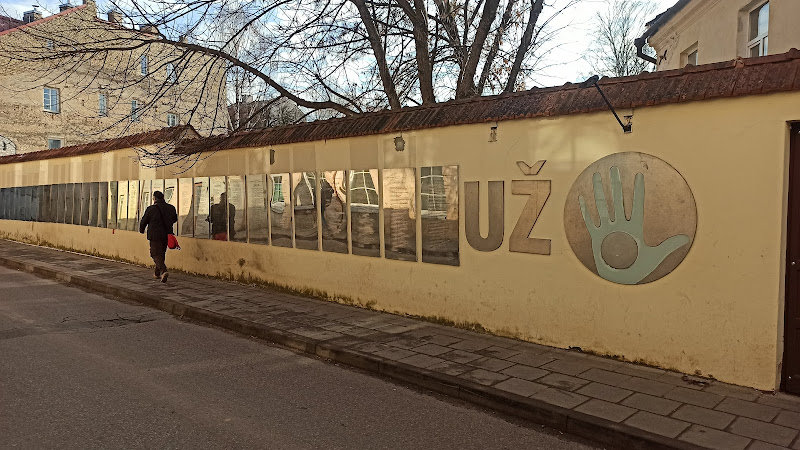
Constitution of the Republic of Užupis
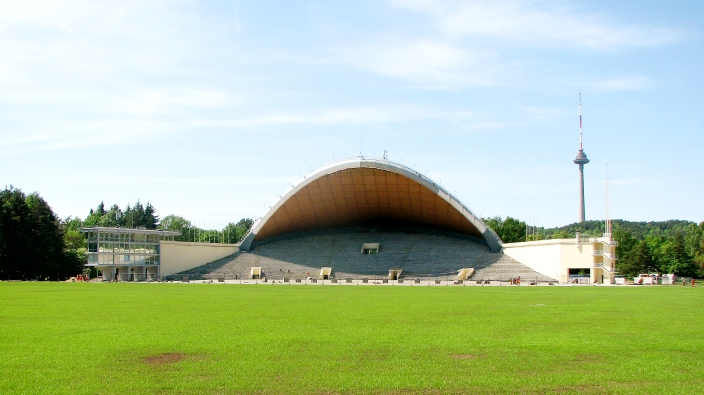
Vingis Park
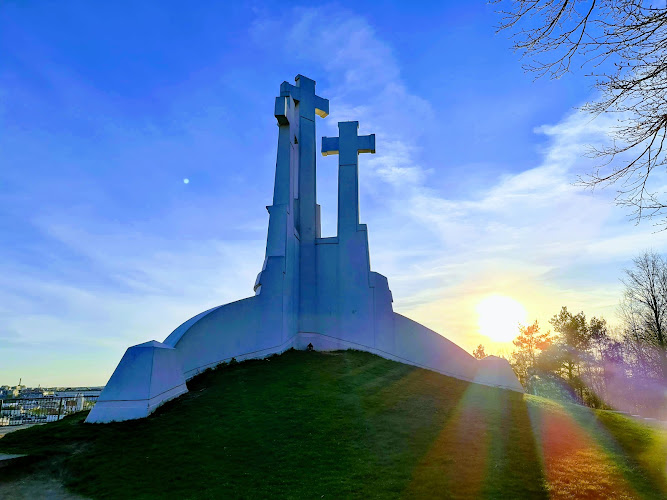
Three Crosses Monument
Find Accommodations Nearby
Recommended Tours & Activities
Visitor Reviews
There are no reviews yet. Be the first one to write one.
Share Your Experience
Have you visited Monument to Grand Duke Gediminas? Help other travelers by leaving a review.