
Vilnius
About Vilnius
Description
Vilnius, the capital of Lithuania, has this curious way of sneaking up on you. One moment, you’re walking through a quiet cobblestone alley, and the next, you’re staring at a centuries-old church that looks like it’s straight out of a painting. The city’s Old Town, a UNESCO World Heritage site, is a living museum of architectural styles—Baroque, Gothic, Renaissance, and Neoclassical all jumbled together in a way that somehow makes perfect sense. It’s not one of those overly polished European capitals; it’s got character, a few rough edges, and a soul that feels real. That’s what makes it so appealing.
There’s something about Vilnius that feels deeply personal. Maybe it’s the way locals still greet you with genuine warmth, or maybe it’s the way the city’s skyline—domes, spires, and red-tiled roofs—seems to whisper stories from the past. You can almost feel the layers of history here, from the days of the Grand Duchy of Lithuania to the Soviet era and beyond. And yet, it’s not stuck in history. There’s a youthful energy around—artists, students, and entrepreneurs have turned old industrial spaces into creative hubs, cozy cafés, and quirky galleries. I remember sitting in a small café near Užupis, sipping coffee that was way too strong, listening to a street musician play the accordion, and thinking, “This city doesn’t try too hard—it just is.”
The Old Town is the heart of it all. It’s where you’ll find the iconic Gate of Dawn, a 16th-century city gate that houses a revered icon of the Virgin Mary, said to have miraculous powers. A few streets away stands St. Anne’s Church, a Gothic masterpiece so intricate that Napoleon reportedly wanted to take it back to Paris “in the palm of his hand.” And then there’s Vilnius Cathedral, its grand neoclassical façade standing proudly at the base of Gediminas Hill. Climb that hill, and you get one of the best panoramic views of the city—especially magical at sunset when the rooftops glow like embers.
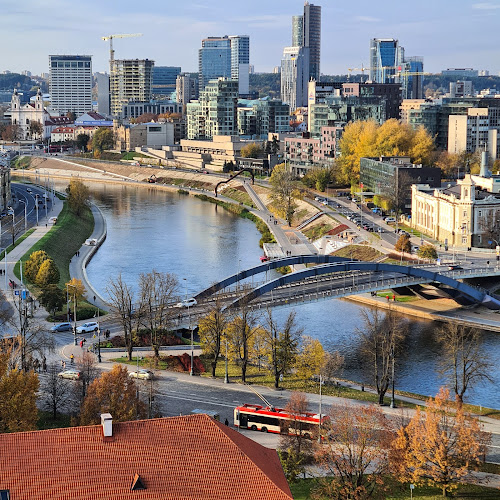
But Vilnius isn’t just about what’s old. The city’s modern side is thriving too. Sleek glass towers rise across the Neris River, trendy restaurants serve up creative Lithuanian cuisine (think beetroot soup and potato dumplings but reimagined), and the nightlife is surprisingly lively. It’s a city that knows how to balance the old and new without losing its authenticity.
Key Features
- Architectural diversity: A mix of Baroque, Gothic, Renaissance, and Neoclassical buildings in a compact Old Town.
- UNESCO World Heritage Site: The Old Town is one of the largest surviving medieval towns in Northern Europe.
- Historic landmarks: Gate of Dawn, Vilnius Cathedral, Gediminas Tower, and St. Anne’s Church.
- Artistic vibe: The Užupis district, a self-declared “republic” of artists, full of murals, studios, and bohemian charm.
- Green spaces: Over 40 parks and gardens, including Bernardine Garden and Vingis Park, perfect for a lazy afternoon stroll.
- Cultural events: Frequent festivals, open-air concerts, and art fairs throughout the year.
- Local cuisine: Traditional Lithuanian dishes with a modern twist, plus a growing craft beer and coffee scene.
- Friendly locals: Warm, welcoming people who are happy to share stories about their city.
Best Time to Visit
Vilnius changes its personality with the seasons, and honestly, that’s part of its charm. Spring (April to June) is probably the most comfortable time to visit. The city wakes up from its winter slumber, flowers start blooming in the parks, and the café terraces fill up with chatter. It’s warm but not too hot, and daylight stretches late into the evening. If you’re into photography, this is your golden hour—literally.
Summer (July to August) is lively and full of energy. Festivals pop up everywhere—music, film, food—you name it. The streets are buzzing, and locals spend more time outdoors. But it can get a bit crowded, especially around the Old Town. If you prefer things quieter, early autumn (September to October) is a gem. The trees turn shades of gold and crimson, and the air feels crisp but cozy. I once visited in October, and walking through the city’s parks was like stepping into a painting.
Winter, though cold, has its own kind of magic. Snow blankets the rooftops, Christmas markets light up Cathedral Square, and the smell of mulled wine fills the air. It’s chilly—no denying that—but if you’re into that fairytale winter vibe, it’s worth braving the cold. Just pack a good coat and maybe two pairs of socks.
How to Get There
Getting to Vilnius is easier than most people think. The city’s international airport sits just a short drive—about 15 minutes—from the center. Direct flights connect Vilnius to major European cities like London, Berlin, and Warsaw, and even a few beyond Europe. If you’re already traveling around the Baltics, trains and buses are reliable and surprisingly comfortable. The rail connection from Kaunas or Riga is straightforward, and the scenery along the way—rolling hills, forests, and lakes—is a nice bonus.
Once you’re in the city, public transport is simple to navigate. Buses and trolleybuses cover most routes, and tickets are affordable. But honestly, the best way to explore Vilnius is on foot. The Old Town is compact, and walking lets you stumble upon hidden courtyards and tucked-away cafés you’d otherwise miss. For longer distances, taxis and ride-sharing apps are readily available, and renting a bike is a fun option during warmer months.
If you’re feeling a bit adventurous, try taking a hot air balloon ride over the city. Vilnius is one of the few European capitals where that’s actually allowed. Floating above the rooftops at sunrise is an experience you won’t forget—trust me on that one.
Tips for Visiting
First off, bring comfortable shoes. Those cobblestones can be unforgiving after a few hours of wandering. And don’t rush—Vilnius rewards slow travelers. Take time to explore side streets, chat with locals, and linger in coffee shops. The city’s charm lies in its details.
Currency-wise, Lithuania uses the euro, and most places accept cards, though it’s handy to carry some cash for smaller shops or markets. English is widely spoken, especially among younger people, so communication isn’t much of an issue. Still, learning a few Lithuanian words—like “ačiū” (thank you)—goes a long way in making connections.
When it comes to food, don’t skip the traditional dishes. Cepelinai (potato dumplings stuffed with meat or cheese) might sound heavy, but they’re comfort food at its best. And if you’re into quirky souvenirs, check out the local amber jewelry or handwoven linen. They’re authentic and easy to pack.
Safety-wise, Vilnius is one of the safer capitals in Europe. Still, keep an eye on your belongings in crowded areas. Public Wi-Fi is widely available, which is great for digital nomads or anyone who likes to post travel updates on the go.
Lastly, keep an open mind. Vilnius isn’t a city that shouts for attention—it whispers. It’s in the quiet courtyards, the echo of church bells, the laughter spilling out of a late-night bar. It’s a place that invites you to slow down and just be. And if you let it, it’ll leave a little mark on you—one you’ll want to carry long after you’ve left.
For travelers seeking a destination that’s rich in history, full of heart, and still a bit under the radar, Vilnius is a rare find. It’s not perfect, and that’s exactly what makes it unforgettable.
Key Features
- Key Features
- Best Time to Visit
- How to Get There
- Tips for Visiting
More Details
Updated October 8, 2025
Table of Contents
Description
Vilnius, the capital of Lithuania, has this curious way of sneaking up on you. One moment, you’re walking through a quiet cobblestone alley, and the next, you’re staring at a centuries-old church that looks like it’s straight out of a painting. The city’s Old Town, a UNESCO World Heritage site, is a living museum of architectural styles—Baroque, Gothic, Renaissance, and Neoclassical all jumbled together in a way that somehow makes perfect sense. It’s not one of those overly polished European capitals; it’s got character, a few rough edges, and a soul that feels real. That’s what makes it so appealing.
There’s something about Vilnius that feels deeply personal. Maybe it’s the way locals still greet you with genuine warmth, or maybe it’s the way the city’s skyline—domes, spires, and red-tiled roofs—seems to whisper stories from the past. You can almost feel the layers of history here, from the days of the Grand Duchy of Lithuania to the Soviet era and beyond. And yet, it’s not stuck in history. There’s a youthful energy around—artists, students, and entrepreneurs have turned old industrial spaces into creative hubs, cozy cafés, and quirky galleries. I remember sitting in a small café near Užupis, sipping coffee that was way too strong, listening to a street musician play the accordion, and thinking, “This city doesn’t try too hard—it just is.”
The Old Town is the heart of it all. It’s where you’ll find the iconic Gate of Dawn, a 16th-century city gate that houses a revered icon of the Virgin Mary, said to have miraculous powers. A few streets away stands St. Anne’s Church, a Gothic masterpiece so intricate that Napoleon reportedly wanted to take it back to Paris “in the palm of his hand.” And then there’s Vilnius Cathedral, its grand neoclassical façade standing proudly at the base of Gediminas Hill. Climb that hill, and you get one of the best panoramic views of the city—especially magical at sunset when the rooftops glow like embers.
But Vilnius isn’t just about what’s old. The city’s modern side is thriving too. Sleek glass towers rise across the Neris River, trendy restaurants serve up creative Lithuanian cuisine (think beetroot soup and potato dumplings but reimagined), and the nightlife is surprisingly lively. It’s a city that knows how to balance the old and new without losing its authenticity.
Key Features
- Architectural diversity: A mix of Baroque, Gothic, Renaissance, and Neoclassical buildings in a compact Old Town.
- UNESCO World Heritage Site: The Old Town is one of the largest surviving medieval towns in Northern Europe.
- Historic landmarks: Gate of Dawn, Vilnius Cathedral, Gediminas Tower, and St. Anne’s Church.
- Artistic vibe: The Užupis district, a self-declared “republic” of artists, full of murals, studios, and bohemian charm.
- Green spaces: Over 40 parks and gardens, including Bernardine Garden and Vingis Park, perfect for a lazy afternoon stroll.
- Cultural events: Frequent festivals, open-air concerts, and art fairs throughout the year.
- Local cuisine: Traditional Lithuanian dishes with a modern twist, plus a growing craft beer and coffee scene.
- Friendly locals: Warm, welcoming people who are happy to share stories about their city.
Best Time to Visit
Vilnius changes its personality with the seasons, and honestly, that’s part of its charm. Spring (April to June) is probably the most comfortable time to visit. The city wakes up from its winter slumber, flowers start blooming in the parks, and the café terraces fill up with chatter. It’s warm but not too hot, and daylight stretches late into the evening. If you’re into photography, this is your golden hour—literally.
Summer (July to August) is lively and full of energy. Festivals pop up everywhere—music, film, food—you name it. The streets are buzzing, and locals spend more time outdoors. But it can get a bit crowded, especially around the Old Town. If you prefer things quieter, early autumn (September to October) is a gem. The trees turn shades of gold and crimson, and the air feels crisp but cozy. I once visited in October, and walking through the city’s parks was like stepping into a painting.
Winter, though cold, has its own kind of magic. Snow blankets the rooftops, Christmas markets light up Cathedral Square, and the smell of mulled wine fills the air. It’s chilly—no denying that—but if you’re into that fairytale winter vibe, it’s worth braving the cold. Just pack a good coat and maybe two pairs of socks.
How to Get There
Getting to Vilnius is easier than most people think. The city’s international airport sits just a short drive—about 15 minutes—from the center. Direct flights connect Vilnius to major European cities like London, Berlin, and Warsaw, and even a few beyond Europe. If you’re already traveling around the Baltics, trains and buses are reliable and surprisingly comfortable. The rail connection from Kaunas or Riga is straightforward, and the scenery along the way—rolling hills, forests, and lakes—is a nice bonus.
Once you’re in the city, public transport is simple to navigate. Buses and trolleybuses cover most routes, and tickets are affordable. But honestly, the best way to explore Vilnius is on foot. The Old Town is compact, and walking lets you stumble upon hidden courtyards and tucked-away cafés you’d otherwise miss. For longer distances, taxis and ride-sharing apps are readily available, and renting a bike is a fun option during warmer months.
If you’re feeling a bit adventurous, try taking a hot air balloon ride over the city. Vilnius is one of the few European capitals where that’s actually allowed. Floating above the rooftops at sunrise is an experience you won’t forget—trust me on that one.
Tips for Visiting
First off, bring comfortable shoes. Those cobblestones can be unforgiving after a few hours of wandering. And don’t rush—Vilnius rewards slow travelers. Take time to explore side streets, chat with locals, and linger in coffee shops. The city’s charm lies in its details.
Currency-wise, Lithuania uses the euro, and most places accept cards, though it’s handy to carry some cash for smaller shops or markets. English is widely spoken, especially among younger people, so communication isn’t much of an issue. Still, learning a few Lithuanian words—like “ačiū” (thank you)—goes a long way in making connections.
When it comes to food, don’t skip the traditional dishes. Cepelinai (potato dumplings stuffed with meat or cheese) might sound heavy, but they’re comfort food at its best. And if you’re into quirky souvenirs, check out the local amber jewelry or handwoven linen. They’re authentic and easy to pack.
Safety-wise, Vilnius is one of the safer capitals in Europe. Still, keep an eye on your belongings in crowded areas. Public Wi-Fi is widely available, which is great for digital nomads or anyone who likes to post travel updates on the go.
Lastly, keep an open mind. Vilnius isn’t a city that shouts for attention—it whispers. It’s in the quiet courtyards, the echo of church bells, the laughter spilling out of a late-night bar. It’s a place that invites you to slow down and just be. And if you let it, it’ll leave a little mark on you—one you’ll want to carry long after you’ve left.
For travelers seeking a destination that’s rich in history, full of heart, and still a bit under the radar, Vilnius is a rare find. It’s not perfect, and that’s exactly what makes it unforgettable.
Key Highlights
- Key Features
- Best Time to Visit
- How to Get There
- Tips for Visiting
Location
Places to Stay Near Vilnius
Find and Book a Tour
Explore More Travel Guides
No reviews found! Be the first to review!
Traveler Reviews for Vilnius
There are no reviews yet. Be the first one to write one.
Have you visited Vilnius? Help other travelers by sharing your review.
You Might Also Like
Bernardine Garden
Church of Sts. Peter and Paul

Vilnius Museum of Illusions
Find Accommodations Nearby
Recommended Tours & Activities
Visitor Reviews
There are no reviews yet. Be the first one to write one.
Share Your Experience
Have you visited Vilnius? Help other travelers by leaving a review.