
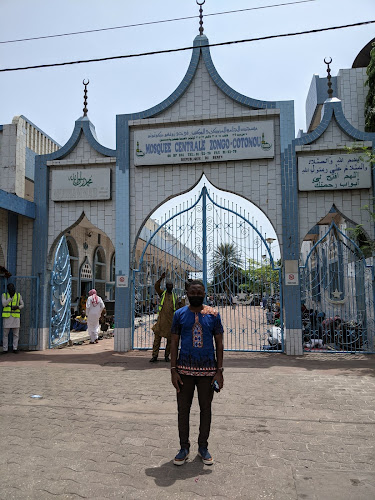
Great Mosque of Zongo
About Great Mosque of Zongo
Description
The Great Mosque of Zongo stands as one of the most striking and historically rich landmarks in Cotonou. It’s not just a place of worship but a living symbol of faith, community, and architectural artistry that quietly commands attention. The first time one steps into its courtyard, there’s this almost tangible sense of calm—a kind of peace that hums beneath the surface of daily life. The mosque’s exterior, with its earthy tones and intricate geometric details, reflects both traditional West African craftsmanship and Islamic design influences. It’s the kind of place that makes you pause, not just to take photos, but to breathe it all in.
Over the years, the Great Mosque of Zongo has become a cultural anchor for locals. It’s where people gather not only for prayers but also for celebrations, discussions, and community events. And while it’s primarily a religious site, travelers often find themselves drawn here for its authenticity. There’s something deeply grounding about hearing the call to prayer echoing through the neighborhood—it’s like the heartbeat of the city itself. Some visitors describe it as humbling; others say it’s one of those experiences that lingers long after you’ve left.
Now, it’s worth noting that opinions vary. Some visitors find the area bustling and a bit chaotic, especially during prayer times, while others see that very energy as part of the charm. The mosque is well-kept, though not overly polished, giving it a genuine, lived-in feel. It’s this balance between reverence and realism that makes the Great Mosque of Zongo stand out among other religious landmarks in Benin.
Key Features
- Architectural Design: A blend of traditional West African motifs and Islamic artistry, with detailed brickwork and subtle color contrasts that shift beautifully under the sunlight.
- Accessibility: Fully equipped with wheelchair-accessible entrances, parking, and restrooms—making it one of the more inclusive religious sites in the region.
- Community Hub: Beyond daily prayers, the mosque serves as a gathering place for educational programs, charity events, and local initiatives that strengthen community bonds.
- Spiritual Atmosphere: The serenity inside contrasts with the lively streets outside, offering visitors a moment of reflection and connection.
- Environmental Awareness: The site includes clothing recycling facilities—small but meaningful steps toward sustainability.
- Visitor Facilities: Clean restrooms and shaded resting areas make it comfortable for travelers exploring under the Benin sun.
If you’re someone who appreciates places where spirituality meets everyday life, you’ll probably find yourself lingering here longer than planned. The mosque’s design isn’t flashy, but it has an understated elegance that feels timeless. I remember watching a group of children playing near the entrance while their parents chatted quietly nearby—it was such a simple, human moment that said more about the place than any guidebook ever could.
Best Time to Visit
Morning visits tend to be the most rewarding. The light is soft, the air is cooler, and the mosque’s details really come alive as the sun rises. Fridays, being the main prayer day, can be quite busy, but if you’re up for experiencing the mosque in full motion, that’s when the energy peaks. Just remember to be respectful—dress modestly and keep your camera tucked away during prayer times.
The dry season, roughly from November to March, is generally the best time to explore Cotonou. The weather is more predictable, and you won’t have to worry about sudden downpours interrupting your plans. But there’s also a certain charm to visiting during the rainy months—the earthy scent after a shower, the glistening tiles, the way the air feels freshly washed. It’s all part of the experience.
How to Get There
Reaching the Great Mosque of Zongo is quite straightforward if you’re already in Cotonou. Most travelers opt for a taxi or a motorbike ride—both affordable and easy to find. The mosque sits within a lively district, so expect to navigate through a maze of narrow streets lined with vendors selling everything from fruits to handmade crafts. It’s part of what makes the journey there so memorable.
Public transport is available, though it can be a bit unpredictable if you’re not familiar with local routes. For first-time visitors, hiring a local guide or using a ride-hailing app can save time and help you avoid confusion. And honestly, chatting with a local driver often leads to the best travel stories—you’ll get insights about the area that no map or app could ever tell you.
Tips for Visiting
A few simple things can make your visit much smoother and more meaningful. Here’s what’s worth keeping in mind:
- Dress Appropriately: Modest clothing is essential. Long sleeves and trousers or skirts below the knee show respect for the sacred nature of the site.
- Remove Shoes: You’ll need to take off your shoes before entering the prayer area, so wear something easy to slip on and off.
- Ask Before Taking Photos: While the exterior is often fine to photograph, always ask permission before snapping pictures inside or near people.
- Stay Hydrated: The Cotonou heat can be intense, especially midday. Bring water, but avoid drinking inside the mosque grounds.
- Engage Respectfully: If you’re curious about the mosque’s history or practices, locals are often happy to share—just approach with genuine interest and humility.
- Timing Matters: Avoid visiting during the main prayer times unless you intend to participate or observe quietly from a respectful distance.
One thing I learned during my visit: slow down. Don’t rush through the experience as if ticking off a checklist. Sit for a while in the courtyard, listen to the rhythm of daily life around you, and let the moment sink in. Sometimes, travel isn’t about seeing more—it’s about feeling more deeply.
The Great Mosque of Zongo might not have the grandeur of the world’s most famous mosques, but it has heart—and that’s what makes it unforgettable. It’s a place that tells stories through its walls, its people, and its quiet resilience. Whether you’re a traveler seeking cultural insight, a photographer chasing authentic moments, or simply someone who appreciates the beauty of faith expressed through architecture, this mosque offers an experience that feels genuine and grounded. And maybe that’s what travel should be about, after all.
Key Features
- Key Features
- Best Time to Visit
- How to Get There
- Tips for Visiting
More Details
Updated October 8, 2025
Table of Contents
Description
The Great Mosque of Zongo stands as one of the most striking and historically rich landmarks in Cotonou. It’s not just a place of worship but a living symbol of faith, community, and architectural artistry that quietly commands attention. The first time one steps into its courtyard, there’s this almost tangible sense of calm—a kind of peace that hums beneath the surface of daily life. The mosque’s exterior, with its earthy tones and intricate geometric details, reflects both traditional West African craftsmanship and Islamic design influences. It’s the kind of place that makes you pause, not just to take photos, but to breathe it all in.
Over the years, the Great Mosque of Zongo has become a cultural anchor for locals. It’s where people gather not only for prayers but also for celebrations, discussions, and community events. And while it’s primarily a religious site, travelers often find themselves drawn here for its authenticity. There’s something deeply grounding about hearing the call to prayer echoing through the neighborhood—it’s like the heartbeat of the city itself. Some visitors describe it as humbling; others say it’s one of those experiences that lingers long after you’ve left.
Now, it’s worth noting that opinions vary. Some visitors find the area bustling and a bit chaotic, especially during prayer times, while others see that very energy as part of the charm. The mosque is well-kept, though not overly polished, giving it a genuine, lived-in feel. It’s this balance between reverence and realism that makes the Great Mosque of Zongo stand out among other religious landmarks in Benin.
Key Features
- Architectural Design: A blend of traditional West African motifs and Islamic artistry, with detailed brickwork and subtle color contrasts that shift beautifully under the sunlight.
- Accessibility: Fully equipped with wheelchair-accessible entrances, parking, and restrooms—making it one of the more inclusive religious sites in the region.
- Community Hub: Beyond daily prayers, the mosque serves as a gathering place for educational programs, charity events, and local initiatives that strengthen community bonds.
- Spiritual Atmosphere: The serenity inside contrasts with the lively streets outside, offering visitors a moment of reflection and connection.
- Environmental Awareness: The site includes clothing recycling facilities—small but meaningful steps toward sustainability.
- Visitor Facilities: Clean restrooms and shaded resting areas make it comfortable for travelers exploring under the Benin sun.
If you’re someone who appreciates places where spirituality meets everyday life, you’ll probably find yourself lingering here longer than planned. The mosque’s design isn’t flashy, but it has an understated elegance that feels timeless. I remember watching a group of children playing near the entrance while their parents chatted quietly nearby—it was such a simple, human moment that said more about the place than any guidebook ever could.
Best Time to Visit
Morning visits tend to be the most rewarding. The light is soft, the air is cooler, and the mosque’s details really come alive as the sun rises. Fridays, being the main prayer day, can be quite busy, but if you’re up for experiencing the mosque in full motion, that’s when the energy peaks. Just remember to be respectful—dress modestly and keep your camera tucked away during prayer times.
The dry season, roughly from November to March, is generally the best time to explore Cotonou. The weather is more predictable, and you won’t have to worry about sudden downpours interrupting your plans. But there’s also a certain charm to visiting during the rainy months—the earthy scent after a shower, the glistening tiles, the way the air feels freshly washed. It’s all part of the experience.
How to Get There
Reaching the Great Mosque of Zongo is quite straightforward if you’re already in Cotonou. Most travelers opt for a taxi or a motorbike ride—both affordable and easy to find. The mosque sits within a lively district, so expect to navigate through a maze of narrow streets lined with vendors selling everything from fruits to handmade crafts. It’s part of what makes the journey there so memorable.
Public transport is available, though it can be a bit unpredictable if you’re not familiar with local routes. For first-time visitors, hiring a local guide or using a ride-hailing app can save time and help you avoid confusion. And honestly, chatting with a local driver often leads to the best travel stories—you’ll get insights about the area that no map or app could ever tell you.
Tips for Visiting
A few simple things can make your visit much smoother and more meaningful. Here’s what’s worth keeping in mind:
- Dress Appropriately: Modest clothing is essential. Long sleeves and trousers or skirts below the knee show respect for the sacred nature of the site.
- Remove Shoes: You’ll need to take off your shoes before entering the prayer area, so wear something easy to slip on and off.
- Ask Before Taking Photos: While the exterior is often fine to photograph, always ask permission before snapping pictures inside or near people.
- Stay Hydrated: The Cotonou heat can be intense, especially midday. Bring water, but avoid drinking inside the mosque grounds.
- Engage Respectfully: If you’re curious about the mosque’s history or practices, locals are often happy to share—just approach with genuine interest and humility.
- Timing Matters: Avoid visiting during the main prayer times unless you intend to participate or observe quietly from a respectful distance.
One thing I learned during my visit: slow down. Don’t rush through the experience as if ticking off a checklist. Sit for a while in the courtyard, listen to the rhythm of daily life around you, and let the moment sink in. Sometimes, travel isn’t about seeing more—it’s about feeling more deeply.
The Great Mosque of Zongo might not have the grandeur of the world’s most famous mosques, but it has heart—and that’s what makes it unforgettable. It’s a place that tells stories through its walls, its people, and its quiet resilience. Whether you’re a traveler seeking cultural insight, a photographer chasing authentic moments, or simply someone who appreciates the beauty of faith expressed through architecture, this mosque offers an experience that feels genuine and grounded. And maybe that’s what travel should be about, after all.
Key Highlights
- Key Features
- Best Time to Visit
- How to Get There
- Tips for Visiting
Location
Places to Stay Near Great Mosque of Zongo
Find and Book a Tour
Explore More Travel Guides
No reviews found! Be the first to review!
Traveler Reviews for Great Mosque of Zongo
There are no reviews yet. Be the first one to write one.
Have you visited Great Mosque of Zongo? Help other travelers by sharing your review.
You Might Also Like
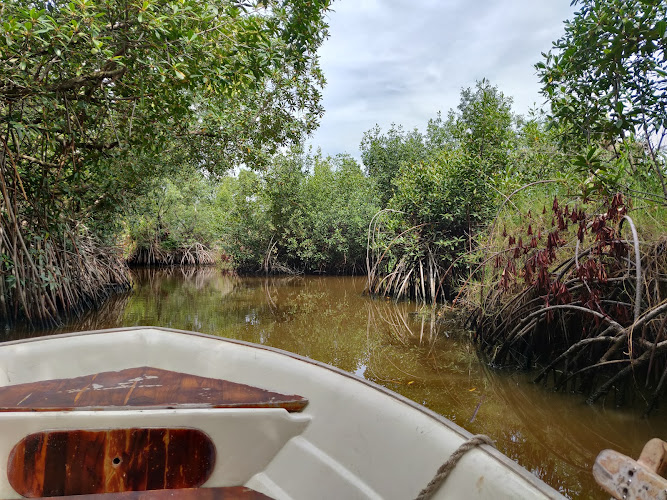
Embarcadaire pour Bab's Dock
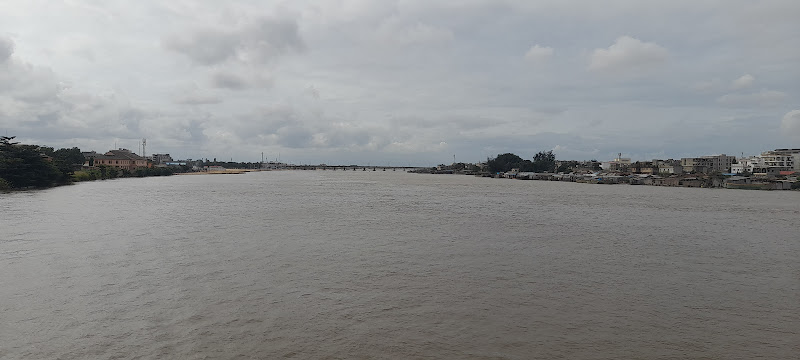
Lagune de Cotonou
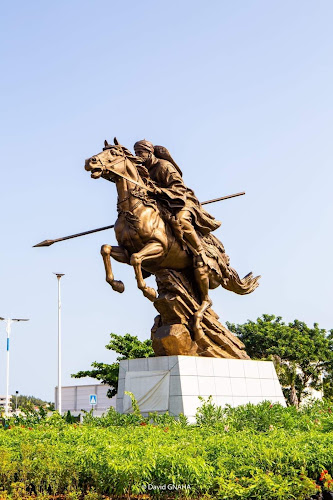
Benin en Image
Find Accommodations Nearby
Recommended Tours & Activities
Visitor Reviews
There are no reviews yet. Be the first one to write one.
Share Your Experience
Have you visited Great Mosque of Zongo? Help other travelers by leaving a review.