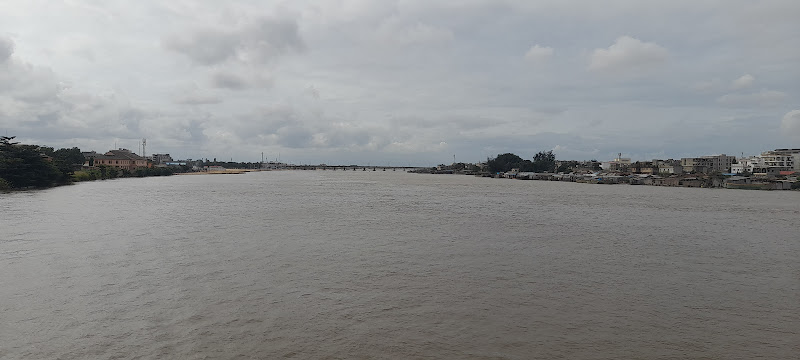
Lagune de Cotonou
About Lagune de Cotonou
Description
Lagune de Cotonou is one of those places that quietly sneaks up on you. You might not expect much at first glance—a stretch of tranquil water cutting through the heart of Cotonou—but spend even a few minutes there, and you’ll feel the pulse of Benin’s coastal life. It’s not just a lagoon; it’s a living, breathing part of the city’s rhythm. Fishermen glide across its surface in wooden pirogues, children wave from the banks, and the air carries a mix of salt, smoke, and laughter. It’s raw, real, and utterly captivating.
The lagoon divides Cotonou into two unequal parts, connecting Lake Nokoué to the Atlantic Ocean. This natural waterway is more than scenic—it’s vital. It’s where trade, transportation, and daily life intersect. Historically, it was the artery that linked inland settlements to the coast, shaping the city’s growth from a small fishing village into Benin’s economic hub. You can still see remnants of that history in the stilt houses that line parts of the shore and in the old boats that have seen generations of hands at work.
Of course, not everything about the lagoon is picture-perfect. The water can be murky, and depending on the season, the air can carry the scent of the city’s hustle. But that’s part of its charm—it’s authentic. It’s not manicured for tourists; it’s lived in. And if you’re the kind of traveler who prefers genuine experiences over glossy postcards, Lagune de Cotonou will speak to you.
I remember my first time there—I was caught in a sudden rainstorm while walking along the banks. The locals didn’t run for cover; they laughed and kept fishing, as if the rain was just another part of their day. That moment stuck with me. There’s something grounding about being in a place where life moves at its own pace, no matter what the weather’s doing.
Key Features
- Natural Connection: The lagoon links Lake Nokoué with the Atlantic Ocean, creating a dynamic ecosystem that shifts with the tides.
- Local Life: It’s a hub for fishing, trade, and transport—offering a genuine look at daily life in Cotonou.
- Scenic Views: The mix of water, boats, and cityscape makes for fantastic photography, especially at sunrise or sunset.
- Wildlife: Depending on the season, you might spot various bird species and fish unique to this region of West Africa.
- Cultural Encounters: The nearby neighborhoods, like Abokicodji and Ségbeya, are full of stories, markets, and local crafts.
- Boat Tours: Some locals offer informal boat rides—nothing fancy, but a great way to see the lagoon from the water.
Best Time to Visit
If you ask me, the best time to visit Lagune de Cotonou is during the dry season, roughly from November to March. The weather is warm but not oppressive, and the skies are usually clear enough to catch those fiery West African sunsets. During this time, the water level is steady, the roads are more accessible, and the overall atmosphere feels lighter.
The rainy season, from April to October, has its own charm, though. The lagoon swells with rainwater, and the surrounding greenery becomes lush and vivid. But it can also mean muddy paths and occasional flooding in low-lying areas. If you don’t mind a little adventure (and getting your shoes dirty), you might actually prefer it—there’s something magical about watching the rain ripple across the surface of the lagoon.
Morning and late afternoon are the golden hours for visiting. Early mornings bring calm waters and fishermen heading out for the day, while evenings offer a soft, golden glow that makes everything feel cinematic.
How to Get There
Getting to Lagune de Cotonou is fairly straightforward. Since it runs right through the city, you’re never too far from it no matter where you’re staying. If you’re coming from the main parts of Cotonou, like the Dantokpa Market area or the city center, you can easily reach the lagoon by taxi or motorbike (locally called “zemidjan”). They’re cheap, fast, and—let’s be honest—a bit thrilling.
If you prefer a calmer trip, you can walk from many nearby neighborhoods. Some sections have pathways or small bridges where you can stop and take photos. For a more immersive experience, ask a local fisherman if you can join him on a short boat ride. They’re usually open to it for a small fee, and it’s one of the best ways to see the lagoon up close.
For those flying into Benin, Cotonou Cadjehoun International Airport is the nearest entry point. From there, it’s about a 15-minute drive to reach the lagoon, depending on traffic.
Tips for Visiting
If you’re planning to explore Lagune de Cotonou, a few tips can make your experience smoother—and more memorable.
- Go with a local guide: Not only will you get the inside scoop on the area’s history and daily life, but you’ll also avoid tourist traps and find the best viewing spots.
- Bring cash: Many small vendors and boat operators don’t accept cards, so having local currency (CFA francs) on hand is essential.
- Stay hydrated: The coastal humidity can be intense, especially around midday. Carry a bottle of water and maybe a hat for shade.
- Respect local life: Remember, this isn’t a theme park—it’s a working waterway. Ask before taking photos of people, and be mindful of fishing areas.
- Watch your step: Some banks can be slippery or uneven, especially after rain. Good shoes go a long way here.
- Try local food nearby: After your visit, grab a plate of grilled fish or “akassa” from a nearby stall. It’s fresh, flavorful, and honestly, part of the whole experience.
And here’s a personal tip: linger a little longer than you planned. Sit by the water, watch the boats drift by, listen to the chatter of people crossing the bridges. The lagoon has a way of slowing you down in the best possible way. It’s not about ticking off a sightseeing box—it’s about soaking in a slice of life that’s both ordinary and extraordinary at the same time.
Lagune de Cotonou might not be the most polished attraction in Benin, but it’s one of the most honest. It’s where the city breathes, where history and daily life intertwine, and where travelers who crave authenticity will find exactly what they didn’t know they were looking for.

Key Features
- Key Features
- Best Time to Visit
- How to Get There
- Tips for Visiting
More Details
Updated October 8, 2025
Table of Contents
Description
Lagune de Cotonou is one of those places that quietly sneaks up on you. You might not expect much at first glance—a stretch of tranquil water cutting through the heart of Cotonou—but spend even a few minutes there, and you’ll feel the pulse of Benin’s coastal life. It’s not just a lagoon; it’s a living, breathing part of the city’s rhythm. Fishermen glide across its surface in wooden pirogues, children wave from the banks, and the air carries a mix of salt, smoke, and laughter. It’s raw, real, and utterly captivating.
The lagoon divides Cotonou into two unequal parts, connecting Lake Nokoué to the Atlantic Ocean. This natural waterway is more than scenic—it’s vital. It’s where trade, transportation, and daily life intersect. Historically, it was the artery that linked inland settlements to the coast, shaping the city’s growth from a small fishing village into Benin’s economic hub. You can still see remnants of that history in the stilt houses that line parts of the shore and in the old boats that have seen generations of hands at work.
Of course, not everything about the lagoon is picture-perfect. The water can be murky, and depending on the season, the air can carry the scent of the city’s hustle. But that’s part of its charm—it’s authentic. It’s not manicured for tourists; it’s lived in. And if you’re the kind of traveler who prefers genuine experiences over glossy postcards, Lagune de Cotonou will speak to you.
I remember my first time there—I was caught in a sudden rainstorm while walking along the banks. The locals didn’t run for cover; they laughed and kept fishing, as if the rain was just another part of their day. That moment stuck with me. There’s something grounding about being in a place where life moves at its own pace, no matter what the weather’s doing.
Key Features
- Natural Connection: The lagoon links Lake Nokoué with the Atlantic Ocean, creating a dynamic ecosystem that shifts with the tides.
- Local Life: It’s a hub for fishing, trade, and transport—offering a genuine look at daily life in Cotonou.
- Scenic Views: The mix of water, boats, and cityscape makes for fantastic photography, especially at sunrise or sunset.
- Wildlife: Depending on the season, you might spot various bird species and fish unique to this region of West Africa.
- Cultural Encounters: The nearby neighborhoods, like Abokicodji and Ségbeya, are full of stories, markets, and local crafts.
- Boat Tours: Some locals offer informal boat rides—nothing fancy, but a great way to see the lagoon from the water.
Best Time to Visit
If you ask me, the best time to visit Lagune de Cotonou is during the dry season, roughly from November to March. The weather is warm but not oppressive, and the skies are usually clear enough to catch those fiery West African sunsets. During this time, the water level is steady, the roads are more accessible, and the overall atmosphere feels lighter.
The rainy season, from April to October, has its own charm, though. The lagoon swells with rainwater, and the surrounding greenery becomes lush and vivid. But it can also mean muddy paths and occasional flooding in low-lying areas. If you don’t mind a little adventure (and getting your shoes dirty), you might actually prefer it—there’s something magical about watching the rain ripple across the surface of the lagoon.
Morning and late afternoon are the golden hours for visiting. Early mornings bring calm waters and fishermen heading out for the day, while evenings offer a soft, golden glow that makes everything feel cinematic.
How to Get There
Getting to Lagune de Cotonou is fairly straightforward. Since it runs right through the city, you’re never too far from it no matter where you’re staying. If you’re coming from the main parts of Cotonou, like the Dantokpa Market area or the city center, you can easily reach the lagoon by taxi or motorbike (locally called “zemidjan”). They’re cheap, fast, and—let’s be honest—a bit thrilling.
If you prefer a calmer trip, you can walk from many nearby neighborhoods. Some sections have pathways or small bridges where you can stop and take photos. For a more immersive experience, ask a local fisherman if you can join him on a short boat ride. They’re usually open to it for a small fee, and it’s one of the best ways to see the lagoon up close.
For those flying into Benin, Cotonou Cadjehoun International Airport is the nearest entry point. From there, it’s about a 15-minute drive to reach the lagoon, depending on traffic.
Tips for Visiting
If you’re planning to explore Lagune de Cotonou, a few tips can make your experience smoother—and more memorable.
- Go with a local guide: Not only will you get the inside scoop on the area’s history and daily life, but you’ll also avoid tourist traps and find the best viewing spots.
- Bring cash: Many small vendors and boat operators don’t accept cards, so having local currency (CFA francs) on hand is essential.
- Stay hydrated: The coastal humidity can be intense, especially around midday. Carry a bottle of water and maybe a hat for shade.
- Respect local life: Remember, this isn’t a theme park—it’s a working waterway. Ask before taking photos of people, and be mindful of fishing areas.
- Watch your step: Some banks can be slippery or uneven, especially after rain. Good shoes go a long way here.
- Try local food nearby: After your visit, grab a plate of grilled fish or “akassa” from a nearby stall. It’s fresh, flavorful, and honestly, part of the whole experience.
And here’s a personal tip: linger a little longer than you planned. Sit by the water, watch the boats drift by, listen to the chatter of people crossing the bridges. The lagoon has a way of slowing you down in the best possible way. It’s not about ticking off a sightseeing box—it’s about soaking in a slice of life that’s both ordinary and extraordinary at the same time.
Lagune de Cotonou might not be the most polished attraction in Benin, but it’s one of the most honest. It’s where the city breathes, where history and daily life intertwine, and where travelers who crave authenticity will find exactly what they didn’t know they were looking for.
Key Highlights
- Key Features
- Best Time to Visit
- How to Get There
- Tips for Visiting
Location
Places to Stay Near Lagune de Cotonou
Find and Book a Tour
Explore More Travel Guides
No reviews found! Be the first to review!
Traveler Reviews for Lagune de Cotonou
There are no reviews yet. Be the first one to write one.
Have you visited Lagune de Cotonou? Help other travelers by sharing your review.
Find Accommodations Nearby
Recommended Tours & Activities
Visitor Reviews
There are no reviews yet. Be the first one to write one.
Share Your Experience
Have you visited Lagune de Cotonou? Help other travelers by leaving a review.