

French Institute of Gabon
About French Institute of Gabon
Description
The French Institute of Gabon, known locally as the Institut Français du Gabon, is more than just a language school—it’s a cultural hub that feels alive with stories, laughter, and the occasional smell of fresh espresso from the café next door. Sitting in the heart of Libreville, it’s where travelers, expats, and locals mingle over shared curiosity for the French language and Francophone culture. It’s not the kind of place where you quietly sit through grammar drills; it’s where you actually live the language. You’ll find students chatting in French about everything from African cinema to weekend beach trips, and that’s part of its charm.
The school’s atmosphere strikes a balance between academic and relaxed. Some folks come here for a few weeks to brush up on conversational French before heading deeper into Central Africa, while others stay longer, immersing themselves in structured courses that go beyond the basics. The instructors are known for their patience and humor—two things you’ll appreciate when you accidentally confuse “pain” (bread) with “peine” (pain). And trust me, it happens to everyone.
What makes this institute stand out is its connection to the broader cultural scene. The French Institute isn’t just about learning verbs and vocabulary—it’s about experiencing the rhythm of Gabonese and French culture intertwined. You might walk in for a class and end up staying for an art exhibit, a film screening, or a live concert that spills into the courtyard. It’s this blend of education and experience that keeps both travelers and locals coming back.
The facilities are modern, with air-conditioned classrooms (a blessing in Libreville’s tropical heat), accessible spaces for those with mobility needs, and even online course options for travelers who want to keep learning after heading home. Sure, not every experience here is perfect—some students wish for smaller class sizes or more flexible schedules—but overall, the institute has built a solid reputation for quality teaching and cultural engagement. It’s the kind of place where learning French feels like an adventure rather than a chore.
Key Features
- Professional French language courses for all levels, from beginner to advanced
- Experienced native-speaking instructors with international teaching backgrounds
- Interactive learning approach emphasizing conversation and cultural understanding
- Online class options for remote learners or digital nomads
- Air-conditioned classrooms and accessible facilities for wheelchair users
- Regular cultural events including film screenings, art exhibitions, and concerts
- On-site café and social spaces encouraging informal language practice
- Certification programs recognized by French cultural institutions
Best Time to Visit
If you’re planning to take classes while exploring Libreville, timing matters. The institute runs year-round, but the best time to visit is during the dry seasons—roughly from June to August and again from December to February. During these months, the weather is more comfortable, making it easier to explore the city after class without melting under the humidity.
The cultural calendar also tends to be fuller around these times. The institute often hosts film festivals, literary talks, and art exhibitions that attract both locals and travelers. I once stumbled into a poetry night in July that turned into an impromptu jam session—it’s that kind of place. If you enjoy spontaneous cultural experiences, plan your visit around one of these lively periods.
How to Get There
Reaching the French Institute of Gabon is straightforward if you’re staying in Libreville. Most visitors take a short taxi ride from the city center, and the drivers usually know the place well—it’s something of a landmark. If you’re the adventurous type, you can also hop on a local bus, though the routes can be a bit unpredictable.
For those coming straight from the airport, the ride takes about 20 to 30 minutes, depending on traffic. Libreville’s roads can get busy, especially around midday, so it’s smart to leave a little early if you’ve got a scheduled class. And if you prefer walking, the surrounding neighborhood is relatively safe during daylight hours, though the tropical sun can make even a short stroll feel like a workout.
Tips for Visiting
First off, don’t worry if your French is rusty—or nonexistent. The staff here are used to beginners and are incredibly welcoming. You’ll probably find yourself mixing English, French, and a bit of hand gesturing at first, and that’s perfectly fine. The key is to dive in without fear of making mistakes.
Bring a notebook, a refillable water bottle, and maybe a small fan if you’re visiting during the hotter months. The classrooms are air-conditioned, but Libreville’s humidity can still catch you off guard. Also, take advantage of the institute’s events calendar. Even if you’re not a student, you can attend cultural evenings, exhibitions, and film screenings that give you a deeper feel for Gabon’s creative pulse.
If you’re staying long-term, joining one of the conversation clubs is a great way to meet people and practice your French in a relaxed setting. I remember joining one on a whim and ending up spending the evening discussing African cuisine with a group of locals and expats—it was one of those moments that made the trip feel personal and real.
Lastly, be patient with the pace of life here. Things in Libreville don’t always move quickly, and that includes class schedules or event timings. But that’s part of the experience. Take it as a chance to slow down, sip a coffee, and let the language—and the city—soak in.
For travelers who want to learn, connect, and experience culture all at once, the French Institute of Gabon offers a genuine, enriching way to do just that. It’s not just a school—it’s a doorway into understanding Gabon through the lens of language, art, and human connection.
Key Features
- Professional French language courses for all levels, from beginner to advanced
- Experienced native-speaking instructors with international teaching backgrounds
- Interactive learning approach emphasizing conversation and cultural understanding
- Online class options for remote learners or digital nomads
- Air-conditioned classrooms and accessible facilities for wheelchair users
- Regular cultural events including film screenings, art exhibitions, and concerts
- On-site café and social spaces encouraging informal language practice
- Certification programs recognized by French cultural institutions
More Details
Updated October 8, 2025
Description
The French Institute of Gabon, known locally as the Institut Français du Gabon, is more than just a language school—it’s a cultural hub that feels alive with stories, laughter, and the occasional smell of fresh espresso from the café next door. Sitting in the heart of Libreville, it’s where travelers, expats, and locals mingle over shared curiosity for the French language and Francophone culture. It’s not the kind of place where you quietly sit through grammar drills; it’s where you actually live the language. You’ll find students chatting in French about everything from African cinema to weekend beach trips, and that’s part of its charm.
The school’s atmosphere strikes a balance between academic and relaxed. Some folks come here for a few weeks to brush up on conversational French before heading deeper into Central Africa, while others stay longer, immersing themselves in structured courses that go beyond the basics. The instructors are known for their patience and humor—two things you’ll appreciate when you accidentally confuse “pain” (bread) with “peine” (pain). And trust me, it happens to everyone.
What makes this institute stand out is its connection to the broader cultural scene. The French Institute isn’t just about learning verbs and vocabulary—it’s about experiencing the rhythm of Gabonese and French culture intertwined. You might walk in for a class and end up staying for an art exhibit, a film screening, or a live concert that spills into the courtyard. It’s this blend of education and experience that keeps both travelers and locals coming back.
The facilities are modern, with air-conditioned classrooms (a blessing in Libreville’s tropical heat), accessible spaces for those with mobility needs, and even online course options for travelers who want to keep learning after heading home. Sure, not every experience here is perfect—some students wish for smaller class sizes or more flexible schedules—but overall, the institute has built a solid reputation for quality teaching and cultural engagement. It’s the kind of place where learning French feels like an adventure rather than a chore.
Key Features
- Professional French language courses for all levels, from beginner to advanced
- Experienced native-speaking instructors with international teaching backgrounds
- Interactive learning approach emphasizing conversation and cultural understanding
- Online class options for remote learners or digital nomads
- Air-conditioned classrooms and accessible facilities for wheelchair users
- Regular cultural events including film screenings, art exhibitions, and concerts
- On-site café and social spaces encouraging informal language practice
- Certification programs recognized by French cultural institutions
Best Time to Visit
If you’re planning to take classes while exploring Libreville, timing matters. The institute runs year-round, but the best time to visit is during the dry seasons—roughly from June to August and again from December to February. During these months, the weather is more comfortable, making it easier to explore the city after class without melting under the humidity.
The cultural calendar also tends to be fuller around these times. The institute often hosts film festivals, literary talks, and art exhibitions that attract both locals and travelers. I once stumbled into a poetry night in July that turned into an impromptu jam session—it’s that kind of place. If you enjoy spontaneous cultural experiences, plan your visit around one of these lively periods.
How to Get There
Reaching the French Institute of Gabon is straightforward if you’re staying in Libreville. Most visitors take a short taxi ride from the city center, and the drivers usually know the place well—it’s something of a landmark. If you’re the adventurous type, you can also hop on a local bus, though the routes can be a bit unpredictable.
For those coming straight from the airport, the ride takes about 20 to 30 minutes, depending on traffic. Libreville’s roads can get busy, especially around midday, so it’s smart to leave a little early if you’ve got a scheduled class. And if you prefer walking, the surrounding neighborhood is relatively safe during daylight hours, though the tropical sun can make even a short stroll feel like a workout.
Tips for Visiting
First off, don’t worry if your French is rusty—or nonexistent. The staff here are used to beginners and are incredibly welcoming. You’ll probably find yourself mixing English, French, and a bit of hand gesturing at first, and that’s perfectly fine. The key is to dive in without fear of making mistakes.
Bring a notebook, a refillable water bottle, and maybe a small fan if you’re visiting during the hotter months. The classrooms are air-conditioned, but Libreville’s humidity can still catch you off guard. Also, take advantage of the institute’s events calendar. Even if you’re not a student, you can attend cultural evenings, exhibitions, and film screenings that give you a deeper feel for Gabon’s creative pulse.
If you’re staying long-term, joining one of the conversation clubs is a great way to meet people and practice your French in a relaxed setting. I remember joining one on a whim and ending up spending the evening discussing African cuisine with a group of locals and expats—it was one of those moments that made the trip feel personal and real.
Lastly, be patient with the pace of life here. Things in Libreville don’t always move quickly, and that includes class schedules or event timings. But that’s part of the experience. Take it as a chance to slow down, sip a coffee, and let the language—and the city—soak in.
For travelers who want to learn, connect, and experience culture all at once, the French Institute of Gabon offers a genuine, enriching way to do just that. It’s not just a school—it’s a doorway into understanding Gabon through the lens of language, art, and human connection.
Key Highlights
- Professional French language courses for all levels, from beginner to advanced
- Experienced native-speaking instructors with international teaching backgrounds
- Interactive learning approach emphasizing conversation and cultural understanding
- Online class options for remote learners or digital nomads
- Air-conditioned classrooms and accessible facilities for wheelchair users
- Regular cultural events including film screenings, art exhibitions, and concerts
- On-site café and social spaces encouraging informal language practice
- Certification programs recognized by French cultural institutions
Location
Places to Stay Near French Institute of Gabon
Find and Book a Tour
Explore More Travel Guides
No reviews found! Be the first to review!
Traveler Reviews for French Institute of Gabon
There are no reviews yet. Be the first one to write one.
Have you visited French Institute of Gabon? Help other travelers by sharing your review.
You Might Also Like
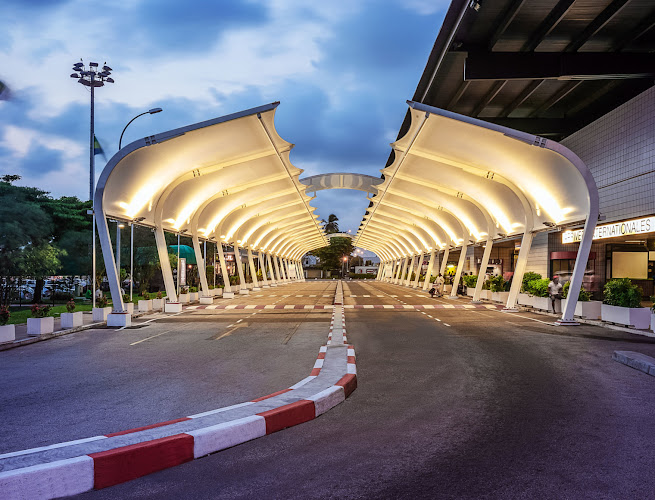
Léon-Mba Libreville International Airport
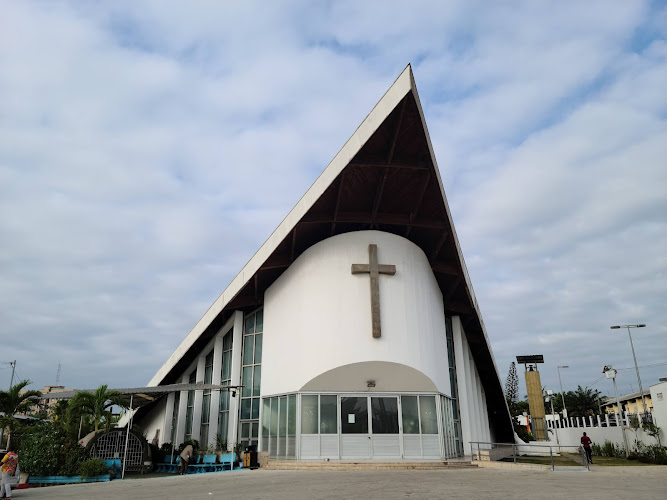
Saint Peter's Cathedral

PK0
Find Accommodations Nearby
Recommended Tours & Activities
Visitor Reviews
There are no reviews yet. Be the first one to write one.
Share Your Experience
Have you visited French Institute of Gabon? Help other travelers by leaving a review.