

Akanda National Park
About Akanda National Park
Description
Akanda National Park is one of those rare gems that manages to surprise you at every turn. Located just northeast of Libreville, Gabon's bustling capital, it's a sprawling 540 square kilometers of coastal wonder where lush forests meet mangrove swamps and sandy beaches. If you think national parks are just about big animals and endless savannahs, Akanda will gently nudge you out of that mindset. Here, the magic lies in the details—like spotting delicate orchids clinging to trees on shaded forest trails or hearing the calls of over 150 bird species echoing through the mangroves.
Walking through Akanda’s trails feels like stepping into a living, breathing mosaic of ecosystems. The mangrove forests are especially captivating, acting as vital nurseries for marine life and providing a unique habitat that’s both mysterious and serene. And yes, the beaches here aren’t your typical tourist-packed stretches; they’re quiet, often untouched, perfect for a reflective stroll or a lazy afternoon picnic.
But what really makes Akanda stand out is its commitment to blending conservation with community. The park isn’t just a protected area; it’s a space where local people and nature coexist, with eco-tourism initiatives that support both wildlife preservation and the livelihoods of nearby communities. You get a sense that visiting here means you’re part of something bigger—helping to keep these ecosystems alive for generations to come.
Now, I’ll admit, it’s not all perfect. The infrastructure is basic in places, and if you’re expecting luxury lodges or fancy restaurants, you’ll be disappointed. But if you’re after an authentic, unpolished experience that gets you close to nature without the touristy gloss, Akanda delivers in spades. It’s a place for explorers who value raw beauty and quiet moments over crowds and commercialism.
Key Features
- Forest trails rich with orchids and diverse birdlife, ideal for hiking enthusiasts and bird watchers.
- Extensive mangrove swaths that serve as crucial habitats for marine and bird species.
- Peaceful, unspoiled beaches along the coastline of Mondah and Corisco bays.
- Wheelchair accessible entrance, making parts of the park welcoming for visitors with mobility needs.
- Family-friendly amenities including picnic tables, barbecue grills, playgrounds, and swings—perfect for a casual day out with kids.
- Public restrooms and basic facilities to keep your visit comfortable.
- Opportunities for eco-tourism that support local communities and conservation efforts.
Best Time to Visit
Timing your visit to Akanda National Park can really shape your experience. The best months are during Gabon's dry season, roughly from June to September. During this period, the trails are easier to navigate, and the weather is generally more pleasant—less sticky, fewer mosquitoes, and clearer skies for spotting birds and wildlife. Plus, the mangroves tend to be more accessible, so you can explore without worrying about muddy paths or flooded areas.
Visiting in the rainy season (October to May) has its own charm if you don’t mind a bit of wetness. The forest becomes intensely green, and orchids bloom in abundance. But be prepared for slippery trails and occasional heavy showers. If you’re the adventurous type who doesn’t shy away from a little mud, this can be a rewarding time to see the park’s flora and fauna in full swing.
How to Get There
Getting to Akanda is pretty straightforward if you’re starting from Libreville, the capital city. The park lies northeast of the city, and you can reach it by car in under an hour. Renting a car or hiring a local driver is the most convenient option since public transport options are limited and can be a bit unpredictable.
If you’re feeling a bit more spontaneous, some local tour operators offer day trips or guided visits to the park, which can be a great way to learn about the area’s ecology and culture without worrying about logistics. Just keep in mind that roads can get a bit rough, especially after rains, so a vehicle with decent clearance is recommended.
Tips for Visiting
First off, pack light but smart. Bring sturdy shoes for hiking, insect repellent (trust me, you’ll thank me later), and a good camera or binoculars if you’re into birdwatching. The park’s natural beauty is subtle and sometimes requires a keen eye to appreciate fully.
Don’t expect luxury here—think of it as an adventure in nature rather than a resort getaway. If you’re traveling with kids, they’ll love the playgrounds and open spaces to run around, but keep an eye on them near the water and mangroves.
Try to arrive early in the day to avoid the midday heat and to catch the wildlife at its most active. And if you’re lucky, you might stumble upon a local guide who can share stories about the park’s flora, fauna, and the communities that live nearby. Those conversations often turn out to be the highlight of the trip.
Lastly, respect the environment. Stick to marked trails, don’t litter, and be mindful of wildlife. Akanda is a delicate balance of ecosystems, and every visitor plays a part in keeping it that way.
All in all, Akanda National Park isn’t just a destination—it’s an experience that stays with you. Whether you’re a nature lover, a family looking for a quiet escape, or someone curious about Gabon’s unique coastal ecosystems, this park offers a slice of wild that’s worth carving out time for on your travels.
Key Features
- Forest trails rich with orchids and diverse birdlife, ideal for hiking enthusiasts and bird watchers.
- Extensive mangrove swaths that serve as crucial habitats for marine and bird species.
- Peaceful, unspoiled beaches along the coastline of Mondah and Corisco bays.
- Wheelchair accessible entrance, making parts of the park welcoming for visitors with mobility needs.
- Family-friendly amenities including picnic tables, barbecue grills, playgrounds, and swings—perfect for a casual day out with kids.
- Public restrooms and basic facilities to keep your visit comfortable.
- Opportunities for eco-tourism that support local communities and conservation efforts.
More Details
Updated July 22, 2025
Description
Akanda National Park is one of those rare gems that manages to surprise you at every turn. Located just northeast of Libreville, Gabon’s bustling capital, it’s a sprawling 540 square kilometers of coastal wonder where lush forests meet mangrove swamps and sandy beaches. If you think national parks are just about big animals and endless savannahs, Akanda will gently nudge you out of that mindset. Here, the magic lies in the details—like spotting delicate orchids clinging to trees on shaded forest trails or hearing the calls of over 150 bird species echoing through the mangroves.
Walking through Akanda’s trails feels like stepping into a living, breathing mosaic of ecosystems. The mangrove forests are especially captivating, acting as vital nurseries for marine life and providing a unique habitat that’s both mysterious and serene. And yes, the beaches here aren’t your typical tourist-packed stretches; they’re quiet, often untouched, perfect for a reflective stroll or a lazy afternoon picnic.
But what really makes Akanda stand out is its commitment to blending conservation with community. The park isn’t just a protected area; it’s a space where local people and nature coexist, with eco-tourism initiatives that support both wildlife preservation and the livelihoods of nearby communities. You get a sense that visiting here means you’re part of something bigger—helping to keep these ecosystems alive for generations to come.
Now, I’ll admit, it’s not all perfect. The infrastructure is basic in places, and if you’re expecting luxury lodges or fancy restaurants, you’ll be disappointed. But if you’re after an authentic, unpolished experience that gets you close to nature without the touristy gloss, Akanda delivers in spades. It’s a place for explorers who value raw beauty and quiet moments over crowds and commercialism.
Key Features
- Forest trails rich with orchids and diverse birdlife, ideal for hiking enthusiasts and bird watchers.
- Extensive mangrove swaths that serve as crucial habitats for marine and bird species.
- Peaceful, unspoiled beaches along the coastline of Mondah and Corisco bays.
- Wheelchair accessible entrance, making parts of the park welcoming for visitors with mobility needs.
- Family-friendly amenities including picnic tables, barbecue grills, playgrounds, and swings—perfect for a casual day out with kids.
- Public restrooms and basic facilities to keep your visit comfortable.
- Opportunities for eco-tourism that support local communities and conservation efforts.
Best Time to Visit
Timing your visit to Akanda National Park can really shape your experience. The best months are during Gabon’s dry season, roughly from June to September. During this period, the trails are easier to navigate, and the weather is generally more pleasant—less sticky, fewer mosquitoes, and clearer skies for spotting birds and wildlife. Plus, the mangroves tend to be more accessible, so you can explore without worrying about muddy paths or flooded areas.
Visiting in the rainy season (October to May) has its own charm if you don’t mind a bit of wetness. The forest becomes intensely green, and orchids bloom in abundance. But be prepared for slippery trails and occasional heavy showers. If you’re the adventurous type who doesn’t shy away from a little mud, this can be a rewarding time to see the park’s flora and fauna in full swing.
How to Get There
Getting to Akanda is pretty straightforward if you’re starting from Libreville, the capital city. The park lies northeast of the city, and you can reach it by car in under an hour. Renting a car or hiring a local driver is the most convenient option since public transport options are limited and can be a bit unpredictable.
If you’re feeling a bit more spontaneous, some local tour operators offer day trips or guided visits to the park, which can be a great way to learn about the area’s ecology and culture without worrying about logistics. Just keep in mind that roads can get a bit rough, especially after rains, so a vehicle with decent clearance is recommended.
Tips for Visiting
First off, pack light but smart. Bring sturdy shoes for hiking, insect repellent (trust me, you’ll thank me later), and a good camera or binoculars if you’re into birdwatching. The park’s natural beauty is subtle and sometimes requires a keen eye to appreciate fully.
Don’t expect luxury here—think of it as an adventure in nature rather than a resort getaway. If you’re traveling with kids, they’ll love the playgrounds and open spaces to run around, but keep an eye on them near the water and mangroves.
Try to arrive early in the day to avoid the midday heat and to catch the wildlife at its most active. And if you’re lucky, you might stumble upon a local guide who can share stories about the park’s flora, fauna, and the communities that live nearby. Those conversations often turn out to be the highlight of the trip.
Lastly, respect the environment. Stick to marked trails, don’t litter, and be mindful of wildlife. Akanda is a delicate balance of ecosystems, and every visitor plays a part in keeping it that way.
All in all, Akanda National Park isn’t just a destination—it’s an experience that stays with you. Whether you’re a nature lover, a family looking for a quiet escape, or someone curious about Gabon’s unique coastal ecosystems, this park offers a slice of wild that’s worth carving out time for on your travels.
Key Highlights
- Forest trails rich with orchids and diverse birdlife, ideal for hiking enthusiasts and bird watchers.
- Extensive mangrove swaths that serve as crucial habitats for marine and bird species.
- Peaceful, unspoiled beaches along the coastline of Mondah and Corisco bays.
- Wheelchair accessible entrance, making parts of the park welcoming for visitors with mobility needs.
- Family-friendly amenities including picnic tables, barbecue grills, playgrounds, and swings—perfect for a casual day out with kids.
- Public restrooms and basic facilities to keep your visit comfortable.
- Opportunities for eco-tourism that support local communities and conservation efforts.
Location
Places to Stay Near Akanda National Park
Find and Book a Tour
Explore More Travel Guides
No reviews found! Be the first to review!
Traveler Reviews for Akanda National Park
There are no reviews yet. Be the first one to write one.
Have you visited Akanda National Park? Help other travelers by sharing your review.
You Might Also Like
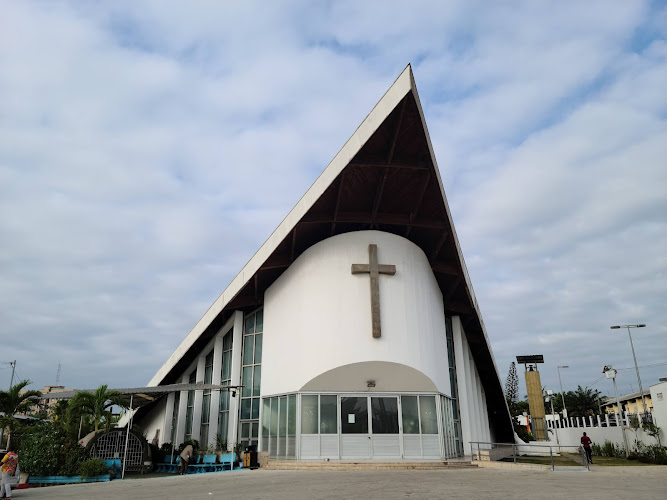
Saint Peter's Cathedral
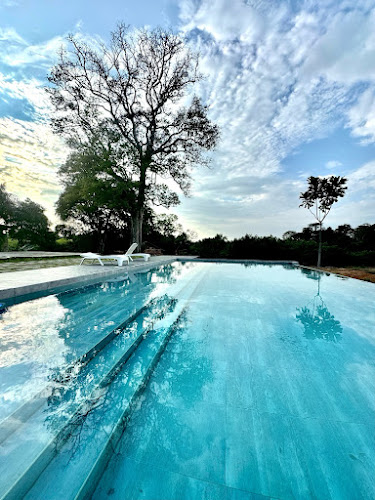
Ndossi Village

Yoka_Lounge
Find Accommodations Nearby
Recommended Tours & Activities
Visitor Reviews
There are no reviews yet. Be the first one to write one.
Share Your Experience
Have you visited Akanda National Park? Help other travelers by leaving a review.