
New Orleans Historic Voodoo Museum
About New Orleans Historic Voodoo Museum
Description
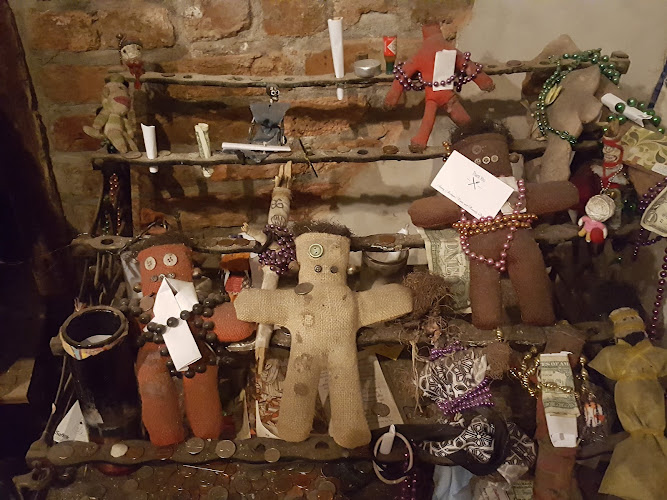
The New Orleans Historic Voodoo Museum is one of those places that feels like stepping through a slightly creaky door into the city’s mysterious heart. It’s small—just two compact rooms—but every inch is bursting with stories, relics, and a kind of energy that’s hard to describe unless you’ve felt it yourself. The museum doesn’t try to impress with sleek displays or fancy lighting. Instead, it draws you in with authenticity. You can sense that real practitioners, not just historians, are behind what you see here. The air smells faintly of incense and candle wax, and you’ll find altars covered in offerings—rum bottles, coins, feathers, and even hand-written notes—each one telling its own quiet story. This isn’t a polished, high-tech museum, and that’s part of its charm. It’s a little cramped, a little dark, and unapologetically real. Some visitors might find it eerie, others fascinating, but almost everyone leaves thinking about it long after they’ve walked out. The museum offers a rare peek into the spiritual traditions that helped shape New Orleans. It’s not just about voodoo dolls or spooky legends—it’s about culture, survival, and connection. I remember my first visit years ago. I walked in expecting something touristy, maybe a few props from horror movies. But instead, I found myself quietly moved by the sincerity of it all. The curator, a local practitioner, explained how voodoo isn’t about curses or fear—it’s about healing, community, and respect for ancestors. That conversation stuck with me. It changed the way I saw the city itself. So yes, the museum is small, and sure, it can get crowded. But if you’re curious about the real history behind New Orleans’ voodoo culture, this is the place to start. It’s a bit like reading someone’s diary—you’re getting the unfiltered truth, not the tourist version.
Key Features
- Authentic voodoo artifacts, including altars, charms, and ritual tools used by practitioners
- Guided tours led by local experts who share real stories of voodoo’s origins and its role in Louisiana’s history
- An intimate setting that allows visitors to experience voodoo culture up close
- Gift shop offering handmade voodoo dolls, candles, gris-gris bags, and spiritual items crafted by local artists
- Educational exhibits highlighting the African roots of voodoo and its evolution in the Americas
- Opportunities to learn about famous figures like Marie Laveau, the legendary Voodoo Queen of New Orleans
What makes this museum stand out is that it’s not trying to be a theme park attraction. It’s deeply personal. Every artifact feels like it belongs to someone’s story—someone who lived, prayed, and believed. And when you’re standing there, listening to the faint hum of the French Quarter outside, it’s hard not to feel connected to that history.
Best Time to Visit
If you ask locals, they’ll tell you that the best time to visit is during the quieter hours—usually in the morning or early afternoon on weekdays. That’s when you can really take your time exploring without feeling rushed. The museum is small, so when it gets busy, it can feel a bit packed. If you’re planning a trip around festivals, visiting during Halloween or around Mardi Gras adds a whole new layer of atmosphere. The energy in the French Quarter is electric, and the museum often feels like an extension of the celebration. Just be prepared for crowds. Personally, I love visiting on a rainy day. There’s something about the sound of rain tapping on the old shutters while you’re inside surrounded by flickering candlelight—it just fits. It’s like the city itself is whispering its stories.
How to Get There
The museum sits right in the French Quarter, which means you can easily walk there from most downtown hotels or attractions. If you’re staying further out, taking a streetcar or rideshare is your best bet since parking in the Quarter can be tricky (and expensive). Once you’re in the area, keep your eyes open for the museum’s modest exterior—it’s easy to miss if you’re not paying attention. But that’s part of the fun. It’s tucked between old buildings, surrounded by the sounds of jazz and the smell of beignets from nearby cafés. For those who like to wander, I’d recommend making the museum part of a larger self-guided walking tour. You can explore the nearby cemeteries, historic homes, and voodoo shops all within a few blocks. It’s the kind of neighborhood that rewards curiosity.
Tips for Visiting
Here’s the thing—this isn’t your typical museum experience, so a little preparation goes a long way. Bring cash for the admission fee and maybe a few extra dollars for the gift shop (trust me, the handmade charms make great souvenirs). Because the space is tight, it’s not ideal for large groups or strollers, and it’s not fully wheelchair accessible. If accessibility is a concern, it’s worth calling ahead to see what accommodations can be made. Take your time as you walk through. Don’t rush from one display to the next. Read the handwritten notes on the altars, look closely at the relics, and listen if a guide or staff member starts telling a story. They know things you won’t find in any guidebook. And please, be respectful. This isn’t a haunted house or a novelty stop—it’s a sacred space for many. The objects here aren’t props; they’re part of living traditions. If you’re traveling with kids, the museum can be a great educational stop, but it’s best suited for older children who can appreciate the cultural and spiritual context. The staff sometimes offer discounts for kids, which is a nice touch. One last tip—don’t skip the gift shop. It’s small but filled with authentic items you won’t find anywhere else. I once bought a small gris-gris bag there, and even though I’m not particularly superstitious, it’s still hanging in my home. Maybe it’s luck, maybe it’s memory—but either way, it reminds me of that day every time I see it.
Visiting the New Orleans Historic Voodoo Museum isn’t just about checking off a tourist attraction. It’s about connecting with a side of New Orleans that’s raw, spiritual, and deeply human. It’s about understanding that voodoo isn’t just folklore—it’s a living, breathing tradition that continues to shape the city’s identity. If you’re the kind of traveler who loves authentic experiences, who prefers stories over souvenirs, and who’s not afraid of a little mystery, then this museum will leave a mark on you. It’s small, yes, but it’s packed with soul. And sometimes, that’s all you really need.
Key Features
- Authentic voodoo artifacts, including altars, charms, and ritual tools used by practitioners
- Guided tours led by local experts who share real stories of voodoo’s origins and its role in Louisiana’s history
- An intimate setting that allows visitors to experience voodoo culture up close
- Gift shop offering handmade voodoo dolls, candles, gris-gris bags, and spiritual items crafted by local artists
- Educational exhibits highlighting the African roots of voodoo and its evolution in the Americas
- Opportunities to learn about famous figures like Marie Laveau, the legendary Voodoo Queen of New Orleans
More Details
Updated October 9, 2025
Table of Contents
- Description
- Key Features
- Best Time to Visit
- How to Get There
- Tips for Visiting
- Key Highlights
- Location
- Places to Stay Near New Orleans Historic Voodoo Museum
- Find and Book a Tour
- Explore More Travel Guides
- Nearby Places You Might Like
- Traveler Reviews for New Orleans Historic Voodoo Museum
- Share Your Experience
Description
The New Orleans Historic Voodoo Museum is one of those places that feels like stepping through a slightly creaky door into the city’s mysterious heart. It’s small—just two compact rooms—but every inch is bursting with stories, relics, and a kind of energy that’s hard to describe unless you’ve felt it yourself. The museum doesn’t try to impress with sleek displays or fancy lighting. Instead, it draws you in with authenticity. You can sense that real practitioners, not just historians, are behind what you see here. The air smells faintly of incense and candle wax, and you’ll find altars covered in offerings—rum bottles, coins, feathers, and even hand-written notes—each one telling its own quiet story.
This isn’t a polished, high-tech museum, and that’s part of its charm. It’s a little cramped, a little dark, and unapologetically real. Some visitors might find it eerie, others fascinating, but almost everyone leaves thinking about it long after they’ve walked out. The museum offers a rare peek into the spiritual traditions that helped shape New Orleans. It’s not just about voodoo dolls or spooky legends—it’s about culture, survival, and connection.
I remember my first visit years ago. I walked in expecting something touristy, maybe a few props from horror movies. But instead, I found myself quietly moved by the sincerity of it all. The curator, a local practitioner, explained how voodoo isn’t about curses or fear—it’s about healing, community, and respect for ancestors. That conversation stuck with me. It changed the way I saw the city itself.
So yes, the museum is small, and sure, it can get crowded. But if you’re curious about the real history behind New Orleans’ voodoo culture, this is the place to start. It’s a bit like reading someone’s diary—you’re getting the unfiltered truth, not the tourist version.
Key Features
- Authentic voodoo artifacts, including altars, charms, and ritual tools used by practitioners
- Guided tours led by local experts who share real stories of voodoo’s origins and its role in Louisiana’s history
- An intimate setting that allows visitors to experience voodoo culture up close
- Gift shop offering handmade voodoo dolls, candles, gris-gris bags, and spiritual items crafted by local artists
- Educational exhibits highlighting the African roots of voodoo and its evolution in the Americas
- Opportunities to learn about famous figures like Marie Laveau, the legendary Voodoo Queen of New Orleans
What makes this museum stand out is that it’s not trying to be a theme park attraction. It’s deeply personal. Every artifact feels like it belongs to someone’s story—someone who lived, prayed, and believed. And when you’re standing there, listening to the faint hum of the French Quarter outside, it’s hard not to feel connected to that history.
Best Time to Visit
If you ask locals, they’ll tell you that the best time to visit is during the quieter hours—usually in the morning or early afternoon on weekdays. That’s when you can really take your time exploring without feeling rushed. The museum is small, so when it gets busy, it can feel a bit packed.
If you’re planning a trip around festivals, visiting during Halloween or around Mardi Gras adds a whole new layer of atmosphere. The energy in the French Quarter is electric, and the museum often feels like an extension of the celebration. Just be prepared for crowds.
Personally, I love visiting on a rainy day. There’s something about the sound of rain tapping on the old shutters while you’re inside surrounded by flickering candlelight—it just fits. It’s like the city itself is whispering its stories.
How to Get There
The museum sits right in the French Quarter, which means you can easily walk there from most downtown hotels or attractions. If you’re staying further out, taking a streetcar or rideshare is your best bet since parking in the Quarter can be tricky (and expensive).
Once you’re in the area, keep your eyes open for the museum’s modest exterior—it’s easy to miss if you’re not paying attention. But that’s part of the fun. It’s tucked between old buildings, surrounded by the sounds of jazz and the smell of beignets from nearby cafés.
For those who like to wander, I’d recommend making the museum part of a larger self-guided walking tour. You can explore the nearby cemeteries, historic homes, and voodoo shops all within a few blocks. It’s the kind of neighborhood that rewards curiosity.
Tips for Visiting
Here’s the thing—this isn’t your typical museum experience, so a little preparation goes a long way. Bring cash for the admission fee and maybe a few extra dollars for the gift shop (trust me, the handmade charms make great souvenirs).
Because the space is tight, it’s not ideal for large groups or strollers, and it’s not fully wheelchair accessible. If accessibility is a concern, it’s worth calling ahead to see what accommodations can be made.
Take your time as you walk through. Don’t rush from one display to the next. Read the handwritten notes on the altars, look closely at the relics, and listen if a guide or staff member starts telling a story. They know things you won’t find in any guidebook.
And please, be respectful. This isn’t a haunted house or a novelty stop—it’s a sacred space for many. The objects here aren’t props; they’re part of living traditions.
If you’re traveling with kids, the museum can be a great educational stop, but it’s best suited for older children who can appreciate the cultural and spiritual context. The staff sometimes offer discounts for kids, which is a nice touch.
One last tip—don’t skip the gift shop. It’s small but filled with authentic items you won’t find anywhere else. I once bought a small gris-gris bag there, and even though I’m not particularly superstitious, it’s still hanging in my home. Maybe it’s luck, maybe it’s memory—but either way, it reminds me of that day every time I see it.
Visiting the New Orleans Historic Voodoo Museum isn’t just about checking off a tourist attraction. It’s about connecting with a side of New Orleans that’s raw, spiritual, and deeply human. It’s about understanding that voodoo isn’t just folklore—it’s a living, breathing tradition that continues to shape the city’s identity.
If you’re the kind of traveler who loves authentic experiences, who prefers stories over souvenirs, and who’s not afraid of a little mystery, then this museum will leave a mark on you. It’s small, yes, but it’s packed with soul. And sometimes, that’s all you really need.
Key Highlights
- Authentic voodoo artifacts, including altars, charms, and ritual tools used by practitioners
- Guided tours led by local experts who share real stories of voodoo’s origins and its role in Louisiana’s history
- An intimate setting that allows visitors to experience voodoo culture up close
- Gift shop offering handmade voodoo dolls, candles, gris-gris bags, and spiritual items crafted by local artists
- Educational exhibits highlighting the African roots of voodoo and its evolution in the Americas
- Opportunities to learn about famous figures like Marie Laveau, the legendary Voodoo Queen of New Orleans
Location
Places to Stay Near New Orleans Historic Voodoo Museum
Find and Book a Tour
Explore More Travel Guides
No reviews found! Be the first to review!
Traveler Reviews for New Orleans Historic Voodoo Museum
There are no reviews yet. Be the first one to write one.
Have you visited New Orleans Historic Voodoo Museum? Help other travelers by sharing your review.
You Might Also Like

Backstreet Cultural Museum
The Cabildo

French Market - Shops of the Colonnade
Find Accommodations Nearby
Recommended Tours & Activities
Visitor Reviews
There are no reviews yet. Be the first one to write one.
Share Your Experience
Have you visited New Orleans Historic Voodoo Museum? Help other travelers by leaving a review.