
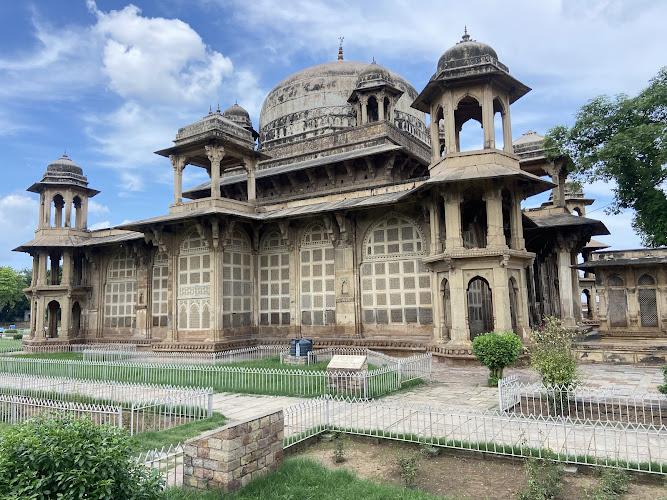
Tomb of Muhammad Ghaus
About Tomb of Muhammad Ghaus
Description
There’s something quietly mesmerizing about the Tomb of Muhammad Ghaus in Gwalior. It’s not just another historical monument—it’s a story in stone, whispering tales of devotion, artistry, and the spiritual depth of a bygone era. Built in the 16th century, this grand mausoleum honors the revered Sufi saint, Sheikh Muhammad Ghaus, who was both a spiritual guide and an influential figure during the Mughal period. The place feels alive with history, yet serene enough to make you pause and reflect. I remember walking through its arched entrances on a warm afternoon, and honestly, it felt like stepping into another time.
The tomb stands as a brilliant example of early Mughal architecture, blending Indo-Islamic design with subtle Gujarati and Rajasthani influences. Its square base, crowned by a massive dome and surrounded by delicate lattice stone screens, gives it a sense of both grandeur and grace. The craftsmanship is so intricate that even after centuries, the pierced stonework—known as jaali—still looks as fine as lace. And if you’re a photography enthusiast, the play of light filtering through those screens is pure magic. Every angle seems to tell a different story.
What makes this place even more special is its spiritual aura. Muhammad Ghaus was not just a saint but also a mentor to the legendary musician Tansen, one of the nine jewels of Emperor Akbar’s court. It’s said that Tansen’s tomb lies nearby, which makes this site a double delight for history buffs and music lovers alike. The air here feels different—peaceful, meditative, and slightly haunting in the best possible way. You can almost imagine the faint echoes of ancient melodies drifting through the courtyards.
Now, not everyone who visits falls in love instantly. Some find the site a bit weathered or expect more grandeur. But that’s part of its charm—it’s authentic, not overly polished. The faded sandstone, the quiet courtyards, the occasional chirping of birds—it all adds up to a kind of rustic beauty that modern attractions can’t replicate. For those who appreciate history that feels lived-in and real, this tomb is a gem that rewards patience and curiosity.
Key Features
- Architectural Marvel: The tomb showcases early Mughal architecture with a perfect blend of Persian, Indian, and local design elements.
- Intricate Jaali Work: The sandstone lattice screens are breathtakingly detailed, allowing sunlight to dance across the interiors in mesmerizing patterns.
- Central Dome and Corner Towers: The large central dome, once covered in blue glazed tiles, is flanked by four hexagonal towers topped with smaller domes.
- Spiritual Significance: The resting place of the Sufi saint Muhammad Ghaus, a revered figure in Mughal India and spiritual guide to Tansen.
- Peaceful Ambience: The site exudes calm and serenity, making it an ideal spot for quiet reflection or meditation.
- Proximity to Tansen’s Tomb: Located nearby, the tomb of Tansen adds cultural and musical significance to the area.
- Accessibility: The site offers wheelchair-accessible entrances and parking, making it easier for all visitors to explore comfortably.
Best Time to Visit
If you’re planning a trip, the winter months—from October to March—are the sweet spot. The weather in Gwalior is pleasantly cool, perfect for wandering around without melting under the sun. I once visited in late November, and the crisp air made the sandstone glow a warm golden hue as the sun dipped low. Summer, on the other hand, can be brutal, with temperatures soaring past 40°C. Unless you’re a heat warrior, you might want to skip that. Early mornings and late afternoons are ideal for photography, as the light softens and the shadows stretch dramatically across the tomb’s intricate carvings.
During the Tansen Music Festival, usually held in December, the area around the tomb comes alive with classical performances. It’s an incredible experience—imagine sitting under the stars, listening to soulful ragas near the very place where Tansen once walked. If you love music and history, that’s your cue to plan your visit around this time.
How to Get There
Reaching the Tomb of Muhammad Ghaus is pretty straightforward. Gwalior is well-connected by road, rail, and air. The city’s railway station links to major Indian cities like Delhi, Agra, and Bhopal, making it an easy weekend getaway. From the station, the tomb is just a short drive away—you can hire an auto-rickshaw, cab, or even rent a scooter if you’re feeling adventurous. The local roads are fairly decent, and signboards guide you right to the site.
If you’re flying in, the Gwalior Airport is about 10 kilometers from the city center. It’s small but functional, with regular flights from Delhi and other regional hubs. For those on a road trip, the NH44 highway offers a scenic drive through Madhya Pradesh’s heartland. I’ve done that drive myself—it’s a mix of dusty charm, roadside chai stalls, and glimpses of rural life that make the journey every bit as memorable as the destination.
Tips for Visiting
Here’s the thing about visiting historical sites like this—you get more out of them when you slow down. Don’t rush through just to tick it off your list. Take your time to walk around, notice the details, and maybe even chat with the caretakers—they often have stories that never make it into guidebooks.
- Timing Matters: Visit early in the morning or late in the afternoon to avoid the harsh sun and capture the best photos.
- Footwear: Wear comfortable shoes. The stone floors can get hot and uneven in places.
- Respect the Space: Remember, this is a sacred site. Dress modestly and maintain decorum.
- Local Guides: Hiring a local guide can really enhance your experience. They’ll share fascinating anecdotes about Muhammad Ghaus and the Mughal era that you won’t find online.
- Photography: Photography is allowed, but be mindful of others who might be there for spiritual reasons.
- Accessibility: The site is wheelchair-friendly, with accessible entrances and parking areas.
- Combine Visits: Pair your trip with nearby attractions like Gwalior Fort, Jai Vilas Palace, and Tansen’s Tomb for a full day of exploration.
And one more thing—don’t forget to just sit for a moment inside the courtyard. Let the silence wrap around you. There’s something deeply grounding about being in a place that has witnessed centuries of prayers, music, and history. You might even find yourself thinking about how time changes everything, yet somehow, places like this remain timeless.
In the end, the Tomb of Muhammad Ghaus isn’t just a stop on a sightseeing tour—it’s a reminder of India’s layered past, where art, faith, and music intertwined to create something truly enduring. Whether you’re a history lover, a spiritual seeker, or just someone who enjoys discovering hidden corners of the world, this spot in Gwalior will leave a quiet mark on your memory. And honestly, that’s the best kind of travel experience there is.
Key Features
- Key Features
- Best Time to Visit
- How to Get There
- Tips for Visiting
More Details
Updated October 9, 2025
Table of Contents
Description
There’s something quietly mesmerizing about the Tomb of Muhammad Ghaus in Gwalior. It’s not just another historical monument—it’s a story in stone, whispering tales of devotion, artistry, and the spiritual depth of a bygone era. Built in the 16th century, this grand mausoleum honors the revered Sufi saint, Sheikh Muhammad Ghaus, who was both a spiritual guide and an influential figure during the Mughal period. The place feels alive with history, yet serene enough to make you pause and reflect. I remember walking through its arched entrances on a warm afternoon, and honestly, it felt like stepping into another time.
The tomb stands as a brilliant example of early Mughal architecture, blending Indo-Islamic design with subtle Gujarati and Rajasthani influences. Its square base, crowned by a massive dome and surrounded by delicate lattice stone screens, gives it a sense of both grandeur and grace. The craftsmanship is so intricate that even after centuries, the pierced stonework—known as jaali—still looks as fine as lace. And if you’re a photography enthusiast, the play of light filtering through those screens is pure magic. Every angle seems to tell a different story.
What makes this place even more special is its spiritual aura. Muhammad Ghaus was not just a saint but also a mentor to the legendary musician Tansen, one of the nine jewels of Emperor Akbar’s court. It’s said that Tansen’s tomb lies nearby, which makes this site a double delight for history buffs and music lovers alike. The air here feels different—peaceful, meditative, and slightly haunting in the best possible way. You can almost imagine the faint echoes of ancient melodies drifting through the courtyards.
Now, not everyone who visits falls in love instantly. Some find the site a bit weathered or expect more grandeur. But that’s part of its charm—it’s authentic, not overly polished. The faded sandstone, the quiet courtyards, the occasional chirping of birds—it all adds up to a kind of rustic beauty that modern attractions can’t replicate. For those who appreciate history that feels lived-in and real, this tomb is a gem that rewards patience and curiosity.
Key Features
- Architectural Marvel: The tomb showcases early Mughal architecture with a perfect blend of Persian, Indian, and local design elements.
- Intricate Jaali Work: The sandstone lattice screens are breathtakingly detailed, allowing sunlight to dance across the interiors in mesmerizing patterns.
- Central Dome and Corner Towers: The large central dome, once covered in blue glazed tiles, is flanked by four hexagonal towers topped with smaller domes.
- Spiritual Significance: The resting place of the Sufi saint Muhammad Ghaus, a revered figure in Mughal India and spiritual guide to Tansen.
- Peaceful Ambience: The site exudes calm and serenity, making it an ideal spot for quiet reflection or meditation.
- Proximity to Tansen’s Tomb: Located nearby, the tomb of Tansen adds cultural and musical significance to the area.
- Accessibility: The site offers wheelchair-accessible entrances and parking, making it easier for all visitors to explore comfortably.
Best Time to Visit
If you’re planning a trip, the winter months—from October to March—are the sweet spot. The weather in Gwalior is pleasantly cool, perfect for wandering around without melting under the sun. I once visited in late November, and the crisp air made the sandstone glow a warm golden hue as the sun dipped low. Summer, on the other hand, can be brutal, with temperatures soaring past 40°C. Unless you’re a heat warrior, you might want to skip that. Early mornings and late afternoons are ideal for photography, as the light softens and the shadows stretch dramatically across the tomb’s intricate carvings.
During the Tansen Music Festival, usually held in December, the area around the tomb comes alive with classical performances. It’s an incredible experience—imagine sitting under the stars, listening to soulful ragas near the very place where Tansen once walked. If you love music and history, that’s your cue to plan your visit around this time.
How to Get There
Reaching the Tomb of Muhammad Ghaus is pretty straightforward. Gwalior is well-connected by road, rail, and air. The city’s railway station links to major Indian cities like Delhi, Agra, and Bhopal, making it an easy weekend getaway. From the station, the tomb is just a short drive away—you can hire an auto-rickshaw, cab, or even rent a scooter if you’re feeling adventurous. The local roads are fairly decent, and signboards guide you right to the site.
If you’re flying in, the Gwalior Airport is about 10 kilometers from the city center. It’s small but functional, with regular flights from Delhi and other regional hubs. For those on a road trip, the NH44 highway offers a scenic drive through Madhya Pradesh’s heartland. I’ve done that drive myself—it’s a mix of dusty charm, roadside chai stalls, and glimpses of rural life that make the journey every bit as memorable as the destination.
Tips for Visiting
Here’s the thing about visiting historical sites like this—you get more out of them when you slow down. Don’t rush through just to tick it off your list. Take your time to walk around, notice the details, and maybe even chat with the caretakers—they often have stories that never make it into guidebooks.
- Timing Matters: Visit early in the morning or late in the afternoon to avoid the harsh sun and capture the best photos.
- Footwear: Wear comfortable shoes. The stone floors can get hot and uneven in places.
- Respect the Space: Remember, this is a sacred site. Dress modestly and maintain decorum.
- Local Guides: Hiring a local guide can really enhance your experience. They’ll share fascinating anecdotes about Muhammad Ghaus and the Mughal era that you won’t find online.
- Photography: Photography is allowed, but be mindful of others who might be there for spiritual reasons.
- Accessibility: The site is wheelchair-friendly, with accessible entrances and parking areas.
- Combine Visits: Pair your trip with nearby attractions like Gwalior Fort, Jai Vilas Palace, and Tansen’s Tomb for a full day of exploration.
And one more thing—don’t forget to just sit for a moment inside the courtyard. Let the silence wrap around you. There’s something deeply grounding about being in a place that has witnessed centuries of prayers, music, and history. You might even find yourself thinking about how time changes everything, yet somehow, places like this remain timeless.
In the end, the Tomb of Muhammad Ghaus isn’t just a stop on a sightseeing tour—it’s a reminder of India’s layered past, where art, faith, and music intertwined to create something truly enduring. Whether you’re a history lover, a spiritual seeker, or just someone who enjoys discovering hidden corners of the world, this spot in Gwalior will leave a quiet mark on your memory. And honestly, that’s the best kind of travel experience there is.
Key Highlights
- Key Features
- Best Time to Visit
- How to Get There
- Tips for Visiting
Location
Places to Stay Near Tomb of Muhammad Ghaus
Find and Book a Tour
Explore More Travel Guides
No reviews found! Be the first to review!
Traveler Reviews for Tomb of Muhammad Ghaus
There are no reviews yet. Be the first one to write one.
Have you visited Tomb of Muhammad Ghaus? Help other travelers by sharing your review.
You Might Also Like
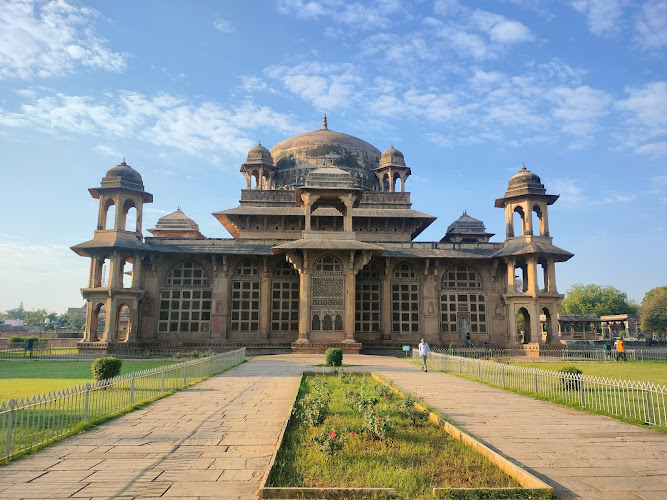
Tomb of Tansen
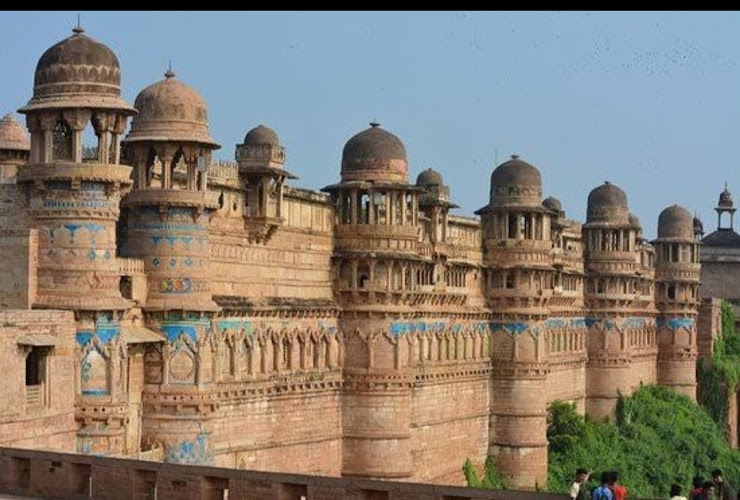
Gujari Mahal

The Manvendra Global School, Gwalior
Find Accommodations Nearby
Recommended Tours & Activities
Visitor Reviews
There are no reviews yet. Be the first one to write one.
Share Your Experience
Have you visited Tomb of Muhammad Ghaus? Help other travelers by leaving a review.