About Ezhou

Description

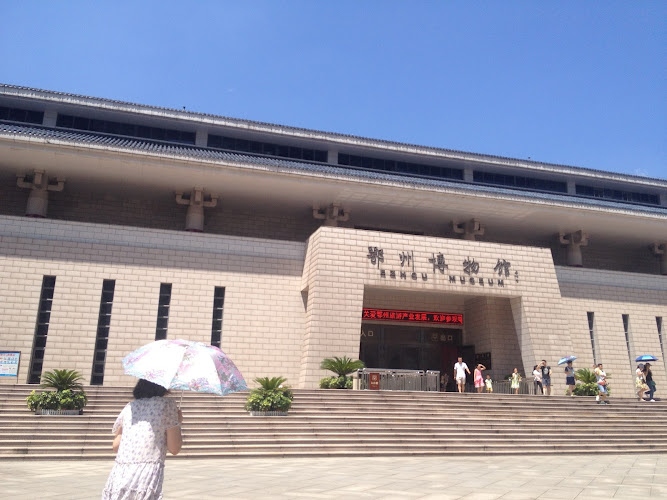
Ezhou, tucked in the eastern part of Hubei Province, is one of those Chinese cities that quietly surprises you. It’s not a mega-metropolis like Wuhan or Shanghai, but that’s part of its charm. With a population of just over a million, Ezhou feels big enough to have a pulse but small enough that you can still hear yourself think. The city stretches along the mighty Yangtze River, and that river really defines so much of life here — from the local cuisine to the way people spend their evenings strolling by the water.

Now, if you’re the kind of traveler who prefers places that still feel authentic — where you can actually chat with locals without being drowned out by tour groups — Ezhou might just be your kind of place. It’s got this interesting mix of ancient history and modern ambition. Historically, it was an important transportation and trading hub, and you can still see remnants of that in its old city walls and ancient temples. But lately, it’s also become known for something entirely different — its role in logistics and aviation, thanks to the Ezhou Huahu Airport, China’s first professional cargo airport. So yeah, it’s an old soul with a modern edge.

One of the most striking things about Ezhou is the water. The city has over eighty lakes (yes, eighty!), and Liangzi Lake is the star of the show. It’s the largest freshwater lake in the area, stretching for miles, and locals often say that the lake’s calm surface mirrors the city’s easygoing rhythm. I remember sitting by the lake one late afternoon — the sun dipping low, fishermen pulling in their nets — and thinking, this is the kind of peace that’s hard to find in bigger cities.

Ezhou isn’t a place that tries too hard to impress you. It doesn’t need to. Its beauty lies in its balance — between old and new, land and water, energy and calm. The people here are friendly but not pushy, the food is flavorful but not overdone, and the pace of life is just right. It’s the kind of city that grows on you slowly, like a good cup of tea steeped to perfection.

Key Features

  • Liangzi Lake: The largest freshwater lake in Ezhou, perfect for boating, fishing, and lazy lakeside walks.
  • King Wu City Ruins: A historical site dating back to ancient China, offering a glimpse into Ezhou’s deep cultural roots.
  • Guanyin Temple: A serene Buddhist temple known for its intricate architecture and tranquil atmosphere.
  • Yangtze River Views: The northern boundary of Ezhou is lined by the Yangtze, providing scenic riverfront walks and photo-worthy sunsets.
  • Local Cuisine: Expect plenty of freshwater fish dishes and Hubei-style cooking — flavorful, hearty, and comforting.
  • Modern Infrastructure: With the new cargo airport and growing transport links, Ezhou is quickly becoming a key logistics hub in central China.
  • Natural Balance: Over eighty lakes and lush green surroundings make Ezhou a refreshing escape from urban chaos.

Best Time to Visit

If you ask locals when Ezhou is at its best, most will tell you spring or autumn. And I’d have to agree. From March to May, the weather is pleasantly mild, flowers bloom around the lakes, and the air feels fresh. It’s the kind of season that makes you want to spend your days outdoors, walking along the riverbanks or exploring the city’s historic corners.

Autumn, from September to November, is equally lovely — the heat has mellowed, the humidity drops, and the skies turn that crisp blue that photographers dream about. I once visited in late October, and the golden leaves around Liangzi Lake created an almost magical reflection on the water. Summer can get hot and sticky (it’s central China, after all), and winter is chilly but not unbearable. But honestly, even off-season visits have their charm — fewer crowds, cheaper stays, and a more local feel.

How to Get There

Getting to Ezhou has become easier than ever. The city is well-connected by rail, road, and air. If you’re coming from Wuhan, it’s just about an hour’s drive — practically next door. High-speed trains also link Ezhou with major cities across Hubei and beyond, making it a convenient stop for travelers exploring central China.

Now, here’s the exciting part: Ezhou is home to the Huahu Airport, China’s first dedicated cargo airport, which also operates passenger flights. So if you’re flying in, you’ll probably land there. The airport is modern, efficient, and surprisingly calm compared to the chaos of bigger hubs. Once you’re in the city, getting around is straightforward — local buses cover most routes, and digital payment systems like Alipay and WeChat Pay make everything from bus fares to street snacks a breeze.

If you’re more of a road-tripper, the highways are in good shape, and the drive through Hubei’s countryside offers some unexpectedly beautiful views — rice paddies, small villages, and stretches of green that make you want to pull over for a photo or two.

Tips for Visiting

Before you pack your bags, here are a few things I’ve learned (some the hard way) that might make your trip smoother. First off, bring cash — yes, digital payments are everywhere, but smaller shops or rural spots might still prefer cash. And if you’re planning to visit temples or historical sites, dress modestly and be respectful — locals take their heritage seriously.

If you love photography, wake up early. The morning mist over Liangzi Lake is something else — soft, dreamy, and perfect for that golden-hour shot. Also, don’t be afraid to try the local food stalls. Ezhou’s freshwater fish dishes are famous for a reason, and the street vendors often serve the most authentic flavors. One time, I stumbled upon a tiny stall near the Echeng District market where the owner served spicy fish soup that was so good I went back the next day just to have it again.

Public transportation is reliable, but taxis and ride-hailing apps are handy if you’re short on time. Just make sure to have your destination written in Chinese — not everyone speaks English, but people are generally kind and will go out of their way to help.

And here’s a small but important tip: take your time. Ezhou isn’t a city to rush through. It rewards curiosity — whether that means chatting with a fisherman by the lake, wandering through old alleyways, or sipping tea at a tiny café that doesn’t even have a name. The best memories here come from slowing down and letting the city reveal itself to you.

So, if you’re planning a trip through central China and want a destination that’s a little off the beaten path but full of quiet beauty, Ezhou deserves a spot on your list. It’s the kind of place that doesn’t shout for attention — it just quietly wins you over, one lakeside sunset at a time.

Key Features

  • Key Features
  • Best Time to Visit
  • How to Get There
  • Tips for Visiting

More Details

Updated October 10, 2025


Description

Ezhou, tucked in the eastern part of Hubei Province, is one of those Chinese cities that quietly surprises you. It’s not a mega-metropolis like Wuhan or Shanghai, but that’s part of its charm. With a population of just over a million, Ezhou feels big enough to have a pulse but small enough that you can still hear yourself think. The city stretches along the mighty Yangtze River, and that river really defines so much of life here — from the local cuisine to the way people spend their evenings strolling by the water.

Now, if you’re the kind of traveler who prefers places that still feel authentic — where you can actually chat with locals without being drowned out by tour groups — Ezhou might just be your kind of place. It’s got this interesting mix of ancient history and modern ambition. Historically, it was an important transportation and trading hub, and you can still see remnants of that in its old city walls and ancient temples. But lately, it’s also become known for something entirely different — its role in logistics and aviation, thanks to the Ezhou Huahu Airport, China’s first professional cargo airport. So yeah, it’s an old soul with a modern edge.

One of the most striking things about Ezhou is the water. The city has over eighty lakes (yes, eighty!), and Liangzi Lake is the star of the show. It’s the largest freshwater lake in the area, stretching for miles, and locals often say that the lake’s calm surface mirrors the city’s easygoing rhythm. I remember sitting by the lake one late afternoon — the sun dipping low, fishermen pulling in their nets — and thinking, this is the kind of peace that’s hard to find in bigger cities.

Ezhou isn’t a place that tries too hard to impress you. It doesn’t need to. Its beauty lies in its balance — between old and new, land and water, energy and calm. The people here are friendly but not pushy, the food is flavorful but not overdone, and the pace of life is just right. It’s the kind of city that grows on you slowly, like a good cup of tea steeped to perfection.

Key Features

  • Liangzi Lake: The largest freshwater lake in Ezhou, perfect for boating, fishing, and lazy lakeside walks.
  • King Wu City Ruins: A historical site dating back to ancient China, offering a glimpse into Ezhou’s deep cultural roots.
  • Guanyin Temple: A serene Buddhist temple known for its intricate architecture and tranquil atmosphere.
  • Yangtze River Views: The northern boundary of Ezhou is lined by the Yangtze, providing scenic riverfront walks and photo-worthy sunsets.
  • Local Cuisine: Expect plenty of freshwater fish dishes and Hubei-style cooking — flavorful, hearty, and comforting.
  • Modern Infrastructure: With the new cargo airport and growing transport links, Ezhou is quickly becoming a key logistics hub in central China.
  • Natural Balance: Over eighty lakes and lush green surroundings make Ezhou a refreshing escape from urban chaos.

Best Time to Visit

If you ask locals when Ezhou is at its best, most will tell you spring or autumn. And I’d have to agree. From March to May, the weather is pleasantly mild, flowers bloom around the lakes, and the air feels fresh. It’s the kind of season that makes you want to spend your days outdoors, walking along the riverbanks or exploring the city’s historic corners.

Autumn, from September to November, is equally lovely — the heat has mellowed, the humidity drops, and the skies turn that crisp blue that photographers dream about. I once visited in late October, and the golden leaves around Liangzi Lake created an almost magical reflection on the water. Summer can get hot and sticky (it’s central China, after all), and winter is chilly but not unbearable. But honestly, even off-season visits have their charm — fewer crowds, cheaper stays, and a more local feel.

How to Get There

Getting to Ezhou has become easier than ever. The city is well-connected by rail, road, and air. If you’re coming from Wuhan, it’s just about an hour’s drive — practically next door. High-speed trains also link Ezhou with major cities across Hubei and beyond, making it a convenient stop for travelers exploring central China.

Now, here’s the exciting part: Ezhou is home to the Huahu Airport, China’s first dedicated cargo airport, which also operates passenger flights. So if you’re flying in, you’ll probably land there. The airport is modern, efficient, and surprisingly calm compared to the chaos of bigger hubs. Once you’re in the city, getting around is straightforward — local buses cover most routes, and digital payment systems like Alipay and WeChat Pay make everything from bus fares to street snacks a breeze.

If you’re more of a road-tripper, the highways are in good shape, and the drive through Hubei’s countryside offers some unexpectedly beautiful views — rice paddies, small villages, and stretches of green that make you want to pull over for a photo or two.

Tips for Visiting

Before you pack your bags, here are a few things I’ve learned (some the hard way) that might make your trip smoother. First off, bring cash — yes, digital payments are everywhere, but smaller shops or rural spots might still prefer cash. And if you’re planning to visit temples or historical sites, dress modestly and be respectful — locals take their heritage seriously.

If you love photography, wake up early. The morning mist over Liangzi Lake is something else — soft, dreamy, and perfect for that golden-hour shot. Also, don’t be afraid to try the local food stalls. Ezhou’s freshwater fish dishes are famous for a reason, and the street vendors often serve the most authentic flavors. One time, I stumbled upon a tiny stall near the Echeng District market where the owner served spicy fish soup that was so good I went back the next day just to have it again.

Public transportation is reliable, but taxis and ride-hailing apps are handy if you’re short on time. Just make sure to have your destination written in Chinese — not everyone speaks English, but people are generally kind and will go out of their way to help.

And here’s a small but important tip: take your time. Ezhou isn’t a city to rush through. It rewards curiosity — whether that means chatting with a fisherman by the lake, wandering through old alleyways, or sipping tea at a tiny café that doesn’t even have a name. The best memories here come from slowing down and letting the city reveal itself to you.

So, if you’re planning a trip through central China and want a destination that’s a little off the beaten path but full of quiet beauty, Ezhou deserves a spot on your list. It’s the kind of place that doesn’t shout for attention — it just quietly wins you over, one lakeside sunset at a time.

Key Highlights

  • Key Features
  • Best Time to Visit
  • How to Get There
  • Tips for Visiting

Location

Places to Stay Near Ezhou

Find and Book a Tour

Explore More Travel Guides

No reviews found! Be the first to review!

Traveler Reviews for Ezhou

There are no reviews yet. Be the first one to write one.

Share Your Experience

Have you visited Ezhou? Help other travelers by sharing your review.

Find Accommodations Nearby

Recommended Tours & Activities

Visitor Reviews

There are no reviews yet. Be the first one to write one.

Share Your Experience

Have you visited Ezhou? Help other travelers by leaving a review.