
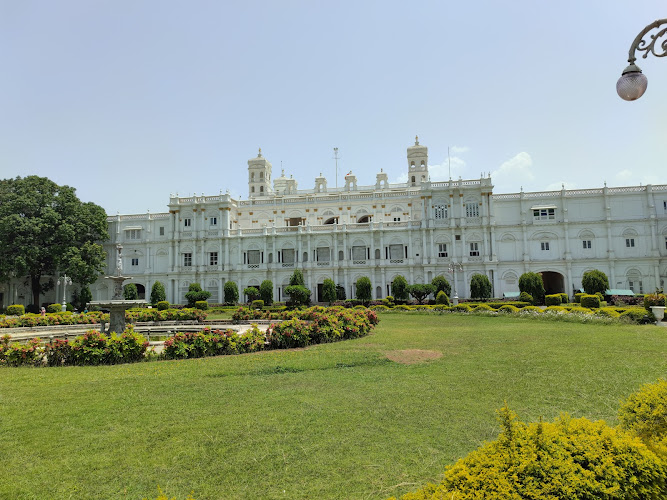
HH Maharaja Sir Jiwajirao Scindia Museum
About HH Maharaja Sir Jiwajirao Scindia Museum
Description
The HH Maharaja Sir Jiwajirao Scindia Museum, tucked inside the grand Jai Vilas Palace in Gwalior, is the sort of place that makes you stop mid-step and just stare for a second. It’s not just a museum—it’s a peek straight into the extravagant world of Indian royalty. Built back in 1874 by Maharaja Jayajirao Scindia, this European-style palace still carries the faint scent of old-world elegance. And honestly, it’s hard not to be impressed by the sheer scale of it. The chandeliers alone are the size of small cars (no exaggeration), and legend has it that they were tested by hanging elephants from the ceiling to make sure it could hold their weight. True story or not, it gives you an idea of the kind of grandeur we’re talking about.
The museum was inaugurated in 1964 by Rajmata Vijaya Raje Scindia in memory of her husband, Maharaja Jiwajirao Scindia, the last ruling Maharaja of the princely state of Gwalior. Today, it’s one of those rare places where history doesn’t feel like it’s locked away—it’s alive, breathing through the ornate halls, crystal furniture, and the soft echo of footsteps on marble floors. Walking through the galleries, you’ll find everything from royal costumes and silver chariots to intricate weaponry and portraits that seem to follow you with regal indifference. And then there’s the dining room—oh, that dining room! It’s got a miniature silver train that once chugged along the table, serving guests their drinks and cigars. It’s quirky, opulent, and oddly charming all at once.
While most visitors are awed by the grandeur, some might find the museum’s layout a bit confusing or the lighting uneven in certain sections. But honestly, that’s part of its charm—it’s not a sterile, modern museum. It feels like stepping into a time capsule that’s been lovingly preserved, quirks and all. The staff are generally helpful, and the place is well-maintained considering its age. If you’re even remotely into history, architecture, or royal gossip (because yes, the Scindias have plenty of that), this museum is a must-visit. It’s one of those places that makes you appreciate how rich and layered India’s heritage truly is.
Key Features
- Housed within the 19th-century Jai Vilas Palace, blending Italian, Tuscan, and Corinthian architectural styles.
- Home to one of the world’s largest chandeliers, suspended in the grand Durbar Hall.
- Features a unique dining room where a silver model train once served food and drinks to guests.
- Displays royal artifacts including vintage carriages, swords, armor, and personal belongings of the Scindia family.
- Contains an impressive collection of paintings, sculptures, and European décor from the 18th and 19th centuries.
- Wheelchair-accessible entrances, restrooms, and parking facilities available for visitors with mobility needs.
- Family-friendly environment with exhibits that fascinate both children and adults.
- Photography is generally allowed in certain sections, though restrictions may apply in specific galleries.
Best Time to Visit
If you’re planning a trip, the best time to visit the HH Maharaja Sir Jiwajirao Scindia Museum is between October and March. The weather during these months is pleasantly cool and perfect for exploring both the museum and the rest of Gwalior’s heritage spots. Summers here can get pretty intense—think blazing sun and temperatures soaring above 40°C—so unless you have a particular fondness for heat, it’s best avoided.
I personally went in January once, and I remember walking through the palace courtyard with a cup of steaming chai from a nearby stall—it just hit different. The morning mist, the golden light bouncing off the palace’s white façade… it’s one of those moments that stays with you. Visiting during winter also means fewer crowds in the early hours, giving you time to soak in the atmosphere without the rush.
How to Get There
Reaching the museum is relatively easy since Gwalior is well connected by road, rail, and air. The city’s railway station is just a short drive away, and there are regular trains from major cities like Delhi, Agra, and Bhopal. If you prefer flying, Gwalior Airport has flights from several Indian metros, and from there, a cab ride will get you to the museum in no time.
For those who enjoy road trips (I’m one of them), driving to Gwalior is a treat. The highways are smooth, and the scenery changes from bustling towns to stretches of open countryside. Just make sure to start early to avoid the afternoon traffic. Once you reach the city, local taxis and auto-rickshaws are easy to find, and most drivers know exactly where the Jai Vilas Palace is—it’s one of Gwalior’s most famous landmarks after all.
Tips for Visiting
Before you head out, here are a few tips that might make your visit smoother and more enjoyable:
- Timing matters: Try to reach early in the day to avoid crowds and get better lighting for photos. The museum usually opens in the morning and closes by late afternoon.
- Tickets and entry: Entry fees are reasonable, and you can buy tickets at the gate. Keep some cash handy as card facilities might not always work smoothly.
- Photography: While photography is allowed in many areas, some rooms have restrictions. Always check with the staff before snapping away.
- Footwear: Comfortable shoes are a must—the palace is huge, and you’ll be walking quite a bit.
- Accessibility: The museum is wheelchair-friendly, with accessible entrances and restrooms, which is a huge plus for visitors with mobility needs.
- Guided tours: If you’re the kind who loves stories behind artifacts (and trust me, this place has plenty), consider hiring a local guide. They often share anecdotes you won’t find on the information boards.
- Stay hydrated: Carry a water bottle, especially if you’re visiting in warmer months. There’s no restaurant inside, but you’ll find plenty of options nearby.
- Combine your visit: Since you’re already in Gwalior, pair your museum tour with a trip to the Gwalior Fort and the Sun Temple. They’re all within a short distance and give you a fuller picture of the city’s royal past.
One last thing—don’t rush through it. This isn’t the kind of museum you breeze through in half an hour. Take your time, linger in front of the portraits, imagine the sound of laughter echoing through those grand halls. I remember standing in the Durbar Hall, staring up at those chandeliers, and feeling this odd mix of awe and humility. It’s a reminder of how history isn’t just dates and names—it’s stories, dreams, and legacies carved into stone and glass.
So if you ever find yourself in Gwalior, make sure to stop by the HH Maharaja Sir Jiwajirao Scindia Museum. It’s more than a tourist attraction—it’s a journey through time, told through the eyes of royalty, and it leaves you with a quiet sense of wonder that lingers long after you’ve left its marble corridors.
Key Features
- Housed within the 19th-century Jai Vilas Palace, blending Italian, Tuscan, and Corinthian architectural styles.
- Home to one of the world’s largest chandeliers, suspended in the grand Durbar Hall.
- Features a unique dining room where a silver model train once served food and drinks to guests.
- Displays royal artifacts including vintage carriages, swords, armor, and personal belongings of the Scindia family.
- Contains an impressive collection of paintings, sculptures, and European décor from the 18th and 19th centuries.
- Wheelchair-accessible entrances, restrooms, and parking facilities available for visitors with mobility needs.
- Family-friendly environment with exhibits that fascinate both children and adults.
- Photography is generally allowed in certain sections, though restrictions may apply in specific galleries.
More Details
Updated October 10, 2025
Table of Contents
- Description
- Key Features
- Best Time to Visit
- How to Get There
- Tips for Visiting
- Key Highlights
- Location
- Places to Stay Near HH Maharaja Sir Jiwajirao Scindia Museum
- Find and Book a Tour
- Explore More Travel Guides
- Nearby Places You Might Like
- Traveler Reviews for HH Maharaja Sir Jiwajirao Scindia Museum
- Share Your Experience
Description
The HH Maharaja Sir Jiwajirao Scindia Museum, tucked inside the grand Jai Vilas Palace in Gwalior, is the sort of place that makes you stop mid-step and just stare for a second. It’s not just a museum—it’s a peek straight into the extravagant world of Indian royalty. Built back in 1874 by Maharaja Jayajirao Scindia, this European-style palace still carries the faint scent of old-world elegance. And honestly, it’s hard not to be impressed by the sheer scale of it. The chandeliers alone are the size of small cars (no exaggeration), and legend has it that they were tested by hanging elephants from the ceiling to make sure it could hold their weight. True story or not, it gives you an idea of the kind of grandeur we’re talking about.
The museum was inaugurated in 1964 by Rajmata Vijaya Raje Scindia in memory of her husband, Maharaja Jiwajirao Scindia, the last ruling Maharaja of the princely state of Gwalior. Today, it’s one of those rare places where history doesn’t feel like it’s locked away—it’s alive, breathing through the ornate halls, crystal furniture, and the soft echo of footsteps on marble floors. Walking through the galleries, you’ll find everything from royal costumes and silver chariots to intricate weaponry and portraits that seem to follow you with regal indifference. And then there’s the dining room—oh, that dining room! It’s got a miniature silver train that once chugged along the table, serving guests their drinks and cigars. It’s quirky, opulent, and oddly charming all at once.
While most visitors are awed by the grandeur, some might find the museum’s layout a bit confusing or the lighting uneven in certain sections. But honestly, that’s part of its charm—it’s not a sterile, modern museum. It feels like stepping into a time capsule that’s been lovingly preserved, quirks and all. The staff are generally helpful, and the place is well-maintained considering its age. If you’re even remotely into history, architecture, or royal gossip (because yes, the Scindias have plenty of that), this museum is a must-visit. It’s one of those places that makes you appreciate how rich and layered India’s heritage truly is.
Key Features
- Housed within the 19th-century Jai Vilas Palace, blending Italian, Tuscan, and Corinthian architectural styles.
- Home to one of the world’s largest chandeliers, suspended in the grand Durbar Hall.
- Features a unique dining room where a silver model train once served food and drinks to guests.
- Displays royal artifacts including vintage carriages, swords, armor, and personal belongings of the Scindia family.
- Contains an impressive collection of paintings, sculptures, and European décor from the 18th and 19th centuries.
- Wheelchair-accessible entrances, restrooms, and parking facilities available for visitors with mobility needs.
- Family-friendly environment with exhibits that fascinate both children and adults.
- Photography is generally allowed in certain sections, though restrictions may apply in specific galleries.
Best Time to Visit
If you’re planning a trip, the best time to visit the HH Maharaja Sir Jiwajirao Scindia Museum is between October and March. The weather during these months is pleasantly cool and perfect for exploring both the museum and the rest of Gwalior’s heritage spots. Summers here can get pretty intense—think blazing sun and temperatures soaring above 40°C—so unless you have a particular fondness for heat, it’s best avoided.
I personally went in January once, and I remember walking through the palace courtyard with a cup of steaming chai from a nearby stall—it just hit different. The morning mist, the golden light bouncing off the palace’s white façade… it’s one of those moments that stays with you. Visiting during winter also means fewer crowds in the early hours, giving you time to soak in the atmosphere without the rush.
How to Get There
Reaching the museum is relatively easy since Gwalior is well connected by road, rail, and air. The city’s railway station is just a short drive away, and there are regular trains from major cities like Delhi, Agra, and Bhopal. If you prefer flying, Gwalior Airport has flights from several Indian metros, and from there, a cab ride will get you to the museum in no time.
For those who enjoy road trips (I’m one of them), driving to Gwalior is a treat. The highways are smooth, and the scenery changes from bustling towns to stretches of open countryside. Just make sure to start early to avoid the afternoon traffic. Once you reach the city, local taxis and auto-rickshaws are easy to find, and most drivers know exactly where the Jai Vilas Palace is—it’s one of Gwalior’s most famous landmarks after all.
Tips for Visiting
Before you head out, here are a few tips that might make your visit smoother and more enjoyable:
- Timing matters: Try to reach early in the day to avoid crowds and get better lighting for photos. The museum usually opens in the morning and closes by late afternoon.
- Tickets and entry: Entry fees are reasonable, and you can buy tickets at the gate. Keep some cash handy as card facilities might not always work smoothly.
- Photography: While photography is allowed in many areas, some rooms have restrictions. Always check with the staff before snapping away.
- Footwear: Comfortable shoes are a must—the palace is huge, and you’ll be walking quite a bit.
- Accessibility: The museum is wheelchair-friendly, with accessible entrances and restrooms, which is a huge plus for visitors with mobility needs.
- Guided tours: If you’re the kind who loves stories behind artifacts (and trust me, this place has plenty), consider hiring a local guide. They often share anecdotes you won’t find on the information boards.
- Stay hydrated: Carry a water bottle, especially if you’re visiting in warmer months. There’s no restaurant inside, but you’ll find plenty of options nearby.
- Combine your visit: Since you’re already in Gwalior, pair your museum tour with a trip to the Gwalior Fort and the Sun Temple. They’re all within a short distance and give you a fuller picture of the city’s royal past.
One last thing—don’t rush through it. This isn’t the kind of museum you breeze through in half an hour. Take your time, linger in front of the portraits, imagine the sound of laughter echoing through those grand halls. I remember standing in the Durbar Hall, staring up at those chandeliers, and feeling this odd mix of awe and humility. It’s a reminder of how history isn’t just dates and names—it’s stories, dreams, and legacies carved into stone and glass.
So if you ever find yourself in Gwalior, make sure to stop by the HH Maharaja Sir Jiwajirao Scindia Museum. It’s more than a tourist attraction—it’s a journey through time, told through the eyes of royalty, and it leaves you with a quiet sense of wonder that lingers long after you’ve left its marble corridors.
Key Highlights
- Housed within the 19th-century Jai Vilas Palace, blending Italian, Tuscan, and Corinthian architectural styles.
- Home to one of the world’s largest chandeliers, suspended in the grand Durbar Hall.
- Features a unique dining room where a silver model train once served food and drinks to guests.
- Displays royal artifacts including vintage carriages, swords, armor, and personal belongings of the Scindia family.
- Contains an impressive collection of paintings, sculptures, and European décor from the 18th and 19th centuries.
- Wheelchair-accessible entrances, restrooms, and parking facilities available for visitors with mobility needs.
- Family-friendly environment with exhibits that fascinate both children and adults.
- Photography is generally allowed in certain sections, though restrictions may apply in specific galleries.
Location
Places to Stay Near HH Maharaja Sir Jiwajirao Scindia Museum
Find and Book a Tour
Explore More Travel Guides
No reviews found! Be the first to review!
Traveler Reviews for HH Maharaja Sir Jiwajirao Scindia Museum
There are no reviews yet. Be the first one to write one.
Have you visited HH Maharaja Sir Jiwajirao Scindia Museum? Help other travelers by sharing your review.
You Might Also Like
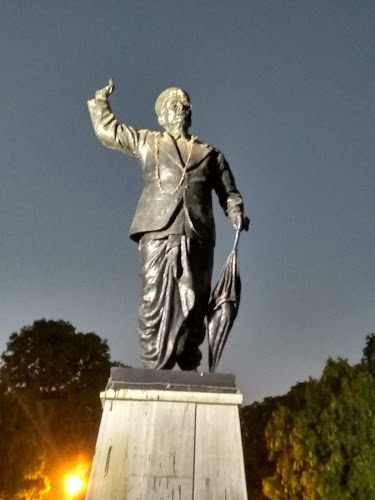
Old Water Park
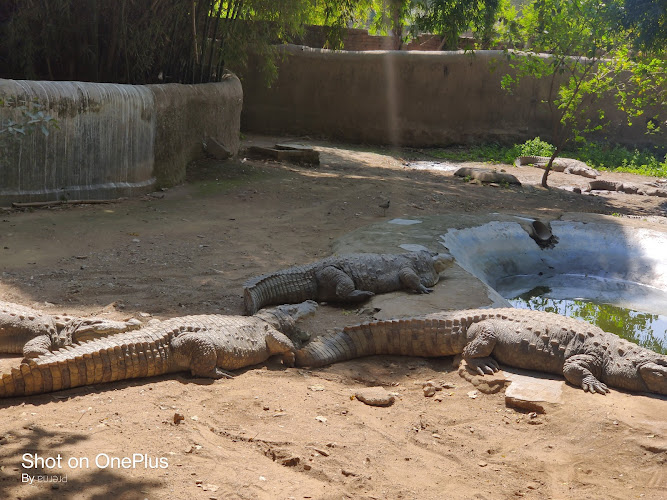
Gwalior Zoo
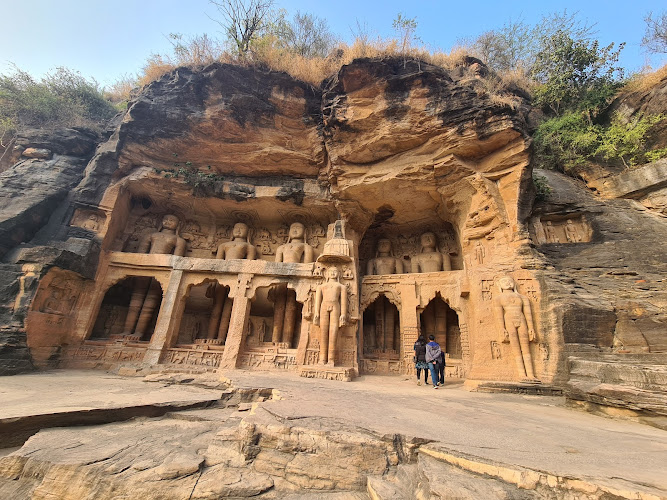
Gopachal Jain Parvat
Find Accommodations Nearby
Recommended Tours & Activities
Visitor Reviews
There are no reviews yet. Be the first one to write one.
Share Your Experience
Have you visited HH Maharaja Sir Jiwajirao Scindia Museum? Help other travelers by leaving a review.