
Suikerbosrand Nature Reserve
About Suikerbosrand Nature Reserve
Description
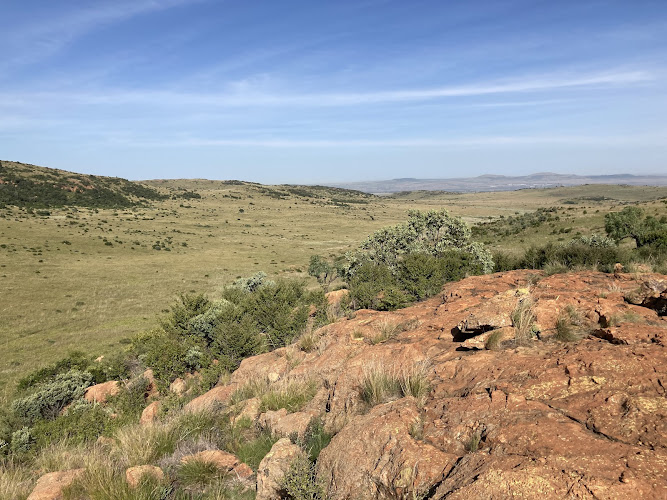
Suikerbosrand Nature Reserve, tucked away just south of Johannesburg, is one of those places that quietly takes your breath away. It’s not flashy or overrun with tourists, and that’s exactly what makes it special. The reserve sprawls across rolling hills and rugged ridges of the Suikerbosrand Mountain Range, a landscape that feels both ancient and alive. You can sense the heartbeat of the land here — from the rustle of dry grass underfoot to the distant call of a jackal at dusk. It’s the kind of place that makes you slow down and breathe a little deeper.
What sets Suikerbosrand apart isn’t just its size or scenic charm, but its soul. The reserve is home to a surprising variety of wildlife — think herds of zebra grazing lazily in the distance, wildebeest kicking up dust along the trails, and the occasional brown hyena slinking through the brush. Birdwatchers are in for a treat too, with over 200 species recorded, from tiny sunbirds to majestic raptors circling overhead. And if you’re into botany, you’ll find yourself geeking out over the Protea caffra, or sugarbush, which paints the hillsides in bursts of pink and cream during the blooming season.
There’s something deeply grounding about Suikerbosrand. Maybe it’s the way the light hits the rocks at sunset, turning them gold and amber. Or maybe it’s the simplicity of it all — no fancy lodges or luxury trimmings, just pure, unfiltered nature. It’s a place that reminds you how good it feels to be outdoors, dusty boots and all. Sure, it’s not perfect — some roads can be a bit rough, and you might find a few picnic spots in need of TLC — but honestly, that’s part of its charm. It’s real, and that’s what travelers who come here tend to love most.
Key Features
- Expansive mountain game reserve spanning over 11,000 hectares of diverse terrain
- Rich wildlife including zebras, wildebeest, eland, and brown hyenas
- Over 200 bird species, making it a hotspot for birdwatchers
- Network of hiking and cycling trails ranging from short loops to full-day adventures
- Scenic viewpoints offering panoramic views of the Gauteng plains and distant Johannesburg skyline
- Picnic areas with barbecue grills, picnic tables, and children’s playgrounds
- Wheelchair accessible entrances and parking areas
- Public restrooms and family-friendly amenities throughout the reserve
- Payment options include credit cards, debit cards, and NFC mobile payments
I still remember my first hike here — I took the 17 km trail on a whim, thinking it’d be a breeze. By the halfway mark, I was sweaty, dusty, and completely enchanted. Every turn revealed something new: a herd of impala darting across the path, a sudden burst of wildflowers, and that unmistakable scent of sun-warmed grass. It’s the kind of trail that humbles you and fills you up all at once.
Best Time to Visit
Timing your visit makes a big difference at Suikerbosrand. The best months are generally from April to September, when the weather is cooler and the air crisp enough to make hiking a pleasure. Winter mornings can be chilly — you’ll want a jacket — but the skies are usually clear and the visibility incredible. Summer, on the other hand, brings lush greenery and the occasional thunderstorm. It’s beautiful in its own wild way, but trails can get slippery, and the midday heat can be intense.
If you’re into photography, the golden hours here are pure magic. Early mornings often bring mist weaving through the valleys, while late afternoons bathe the grasslands in soft, honey-colored light. And if you’re lucky, you might even spot a rainbow after a summer storm — I’ve seen a few, and trust me, they’re worth the wait.
How to Get There
Getting to Suikerbosrand is surprisingly easy, especially if you’re coming from Johannesburg or Pretoria. The reserve sits just west of Heidelberg, and the drive from the city takes roughly an hour, depending on traffic. You’ll head out along the N3 highway and follow signs for the R550 route. The entrance is well-marked, and the roads leading in are generally in good condition — though a few gravel sections might slow you down a bit.
If you’re planning a day trip, it’s best to arrive early. The gates usually open around sunrise, and there’s something special about being among the first few cars rolling in, the morning light spilling over the hills. For those who prefer cycling, the reserve’s network of tarred and gravel roads offers a rewarding challenge — just be ready for a few steep climbs that’ll make your legs burn (in the best way possible).
Public transport options are limited, so having your own vehicle is definitely the way to go. And if you’re using a GPS, just make sure it’s updated — some older maps have a habit of sending people down the wrong dirt roads. Been there, done that, ended up face-to-face with a very unimpressed wildebeest.
Tips for Visiting
A few insider tips can really make your visit smoother — and more enjoyable. First, bring plenty of water. Even on cooler days, the trails can be surprisingly demanding, and there aren’t many refill points once you’re out exploring. A hat and sunscreen are must-haves too; the sun here doesn’t mess around.
If you’re planning to picnic, arrive early to grab one of the shaded spots near the main rest area. They fill up fast on weekends, especially when families come out for a braai. Speaking of which, the barbecue facilities are fantastic — nothing beats the smell of boerewors grilling while you watch the zebras wander by in the distance. Just remember to clean up after yourself; the baboons have a knack for sniffing out leftovers.
For hikers, I’d recommend starting with one of the shorter routes if it’s your first time. The 4 km and 11 km trails are great introductions, offering a mix of gentle climbs and killer views. More seasoned adventurers can tackle the 17 km or even the 60 km multi-day route that loops through the heart of the reserve. Just make sure to sign the register at the gate before heading out — safety first.
Oh, and one more thing — keep your camera handy, but don’t get too caught up behind the lens. There’s a kind of peace here that’s best experienced with your own eyes. You’ll hear the wind whispering through the grass, the call of a francolin echoing across the valley, and for a moment, you’ll forget you’re less than an hour from one of Africa’s busiest cities.
Suikerbosrand Nature Reserve isn’t about luxury or convenience. It’s about connection — to the land, to the wildlife, and maybe even to yourself. Whether you’re hiking, cycling, or just sitting quietly under a tree watching the sun dip below the ridges, you’ll leave with that rare feeling of having truly escaped. And honestly, in a world that never seems to slow down, that’s worth more than gold.
Key Features
- Expansive mountain game reserve spanning over 11,000 hectares of diverse terrain
- Rich wildlife including zebras, wildebeest, eland, and brown hyenas
- Over 200 bird species, making it a hotspot for birdwatchers
- Network of hiking and cycling trails ranging from short loops to full-day adventures
- Scenic viewpoints offering panoramic views of the Gauteng plains and distant Johannesburg skyline
- Picnic areas with barbecue grills, picnic tables, and children’s playgrounds
- Wheelchair accessible entrances and parking areas
- Public restrooms and family-friendly amenities throughout the reserve
More Details
Updated October 10, 2025
Table of Contents
Description
Suikerbosrand Nature Reserve, tucked away just south of Johannesburg, is one of those places that quietly takes your breath away. It’s not flashy or overrun with tourists, and that’s exactly what makes it special. The reserve sprawls across rolling hills and rugged ridges of the Suikerbosrand Mountain Range, a landscape that feels both ancient and alive. You can sense the heartbeat of the land here — from the rustle of dry grass underfoot to the distant call of a jackal at dusk. It’s the kind of place that makes you slow down and breathe a little deeper.
What sets Suikerbosrand apart isn’t just its size or scenic charm, but its soul. The reserve is home to a surprising variety of wildlife — think herds of zebra grazing lazily in the distance, wildebeest kicking up dust along the trails, and the occasional brown hyena slinking through the brush. Birdwatchers are in for a treat too, with over 200 species recorded, from tiny sunbirds to majestic raptors circling overhead. And if you’re into botany, you’ll find yourself geeking out over the Protea caffra, or sugarbush, which paints the hillsides in bursts of pink and cream during the blooming season.
There’s something deeply grounding about Suikerbosrand. Maybe it’s the way the light hits the rocks at sunset, turning them gold and amber. Or maybe it’s the simplicity of it all — no fancy lodges or luxury trimmings, just pure, unfiltered nature. It’s a place that reminds you how good it feels to be outdoors, dusty boots and all. Sure, it’s not perfect — some roads can be a bit rough, and you might find a few picnic spots in need of TLC — but honestly, that’s part of its charm. It’s real, and that’s what travelers who come here tend to love most.
Key Features
- Expansive mountain game reserve spanning over 11,000 hectares of diverse terrain
- Rich wildlife including zebras, wildebeest, eland, and brown hyenas
- Over 200 bird species, making it a hotspot for birdwatchers
- Network of hiking and cycling trails ranging from short loops to full-day adventures
- Scenic viewpoints offering panoramic views of the Gauteng plains and distant Johannesburg skyline
- Picnic areas with barbecue grills, picnic tables, and children’s playgrounds
- Wheelchair accessible entrances and parking areas
- Public restrooms and family-friendly amenities throughout the reserve
- Payment options include credit cards, debit cards, and NFC mobile payments
I still remember my first hike here — I took the 17 km trail on a whim, thinking it’d be a breeze. By the halfway mark, I was sweaty, dusty, and completely enchanted. Every turn revealed something new: a herd of impala darting across the path, a sudden burst of wildflowers, and that unmistakable scent of sun-warmed grass. It’s the kind of trail that humbles you and fills you up all at once.
Best Time to Visit
Timing your visit makes a big difference at Suikerbosrand. The best months are generally from April to September, when the weather is cooler and the air crisp enough to make hiking a pleasure. Winter mornings can be chilly — you’ll want a jacket — but the skies are usually clear and the visibility incredible. Summer, on the other hand, brings lush greenery and the occasional thunderstorm. It’s beautiful in its own wild way, but trails can get slippery, and the midday heat can be intense.
If you’re into photography, the golden hours here are pure magic. Early mornings often bring mist weaving through the valleys, while late afternoons bathe the grasslands in soft, honey-colored light. And if you’re lucky, you might even spot a rainbow after a summer storm — I’ve seen a few, and trust me, they’re worth the wait.
How to Get There
Getting to Suikerbosrand is surprisingly easy, especially if you’re coming from Johannesburg or Pretoria. The reserve sits just west of Heidelberg, and the drive from the city takes roughly an hour, depending on traffic. You’ll head out along the N3 highway and follow signs for the R550 route. The entrance is well-marked, and the roads leading in are generally in good condition — though a few gravel sections might slow you down a bit.
If you’re planning a day trip, it’s best to arrive early. The gates usually open around sunrise, and there’s something special about being among the first few cars rolling in, the morning light spilling over the hills. For those who prefer cycling, the reserve’s network of tarred and gravel roads offers a rewarding challenge — just be ready for a few steep climbs that’ll make your legs burn (in the best way possible).
Public transport options are limited, so having your own vehicle is definitely the way to go. And if you’re using a GPS, just make sure it’s updated — some older maps have a habit of sending people down the wrong dirt roads. Been there, done that, ended up face-to-face with a very unimpressed wildebeest.
Tips for Visiting
A few insider tips can really make your visit smoother — and more enjoyable. First, bring plenty of water. Even on cooler days, the trails can be surprisingly demanding, and there aren’t many refill points once you’re out exploring. A hat and sunscreen are must-haves too; the sun here doesn’t mess around.
If you’re planning to picnic, arrive early to grab one of the shaded spots near the main rest area. They fill up fast on weekends, especially when families come out for a braai. Speaking of which, the barbecue facilities are fantastic — nothing beats the smell of boerewors grilling while you watch the zebras wander by in the distance. Just remember to clean up after yourself; the baboons have a knack for sniffing out leftovers.
For hikers, I’d recommend starting with one of the shorter routes if it’s your first time. The 4 km and 11 km trails are great introductions, offering a mix of gentle climbs and killer views. More seasoned adventurers can tackle the 17 km or even the 60 km multi-day route that loops through the heart of the reserve. Just make sure to sign the register at the gate before heading out — safety first.
Oh, and one more thing — keep your camera handy, but don’t get too caught up behind the lens. There’s a kind of peace here that’s best experienced with your own eyes. You’ll hear the wind whispering through the grass, the call of a francolin echoing across the valley, and for a moment, you’ll forget you’re less than an hour from one of Africa’s busiest cities.
Suikerbosrand Nature Reserve isn’t about luxury or convenience. It’s about connection — to the land, to the wildlife, and maybe even to yourself. Whether you’re hiking, cycling, or just sitting quietly under a tree watching the sun dip below the ridges, you’ll leave with that rare feeling of having truly escaped. And honestly, in a world that never seems to slow down, that’s worth more than gold.
Key Highlights
- Expansive mountain game reserve spanning over 11,000 hectares of diverse terrain
- Rich wildlife including zebras, wildebeest, eland, and brown hyenas
- Over 200 bird species, making it a hotspot for birdwatchers
- Network of hiking and cycling trails ranging from short loops to full-day adventures
- Scenic viewpoints offering panoramic views of the Gauteng plains and distant Johannesburg skyline
- Picnic areas with barbecue grills, picnic tables, and children’s playgrounds
- Wheelchair accessible entrances and parking areas
- Public restrooms and family-friendly amenities throughout the reserve
Location
Places to Stay Near Suikerbosrand Nature Reserve
Find and Book a Tour
Explore More Travel Guides
No reviews found! Be the first to review!
Traveler Reviews for Suikerbosrand Nature Reserve
There are no reviews yet. Be the first one to write one.
Have you visited Suikerbosrand Nature Reserve? Help other travelers by sharing your review.
You Might Also Like

Border Posts - Maseru Bridge
Cradle of Humankind
Saldanha Bay Local Municipality
Find Accommodations Nearby
Recommended Tours & Activities
Visitor Reviews
There are no reviews yet. Be the first one to write one.
Share Your Experience
Have you visited Suikerbosrand Nature Reserve? Help other travelers by leaving a review.