
Cradle of Humankind
About Cradle of Humankind
Description
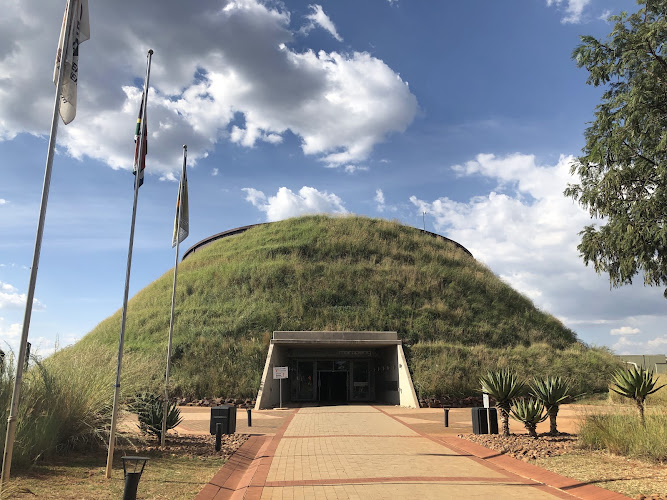
The Cradle of Humankind in South Africa feels like a place that humbles you before you even realize it. It’s not just another tourist attraction—it’s a 131,000-acre stretch of history, science, and raw natural beauty that tells the story of where we all began. Imagine standing in a spot where the earliest ancestors of humankind once walked, where the earth itself holds the fossils that shaped our understanding of evolution. That’s the Cradle for you—ancient, mysterious, and oddly grounding.
I remember the first time I went there; it wasn’t the fossils that hit me first, but the silence. There’s this stillness that makes you feel small, like you’re standing in the middle of time itself. The air smells a little like dust and grass, and if you’re quiet enough, you can almost hear the echoes of the past. The area is huge—about 131,000 acres—and it’s not just caves and fossils. You’ll find wildlife, rolling hills, and a landscape that seems to hold secrets in every rock formation.
The place is a UNESCO World Heritage Site, and that’s no surprise. It’s home to some of the world’s most significant fossil discoveries, including ancient hominid remains that have literally rewritten chapters of human history. But even if you’re not a science buff, the Cradle has a way of pulling you in. The caves, especially Sterkfontein, are fascinating to explore. You’ll walk through tunnels that feel like they’ve been waiting for you for millions of years. And the guides—many of them locals who grew up nearby—tell stories that make the place come alive in ways textbooks never could.
It’s not perfect, of course. Some visitors find parts of the exhibits a bit dated or the signage a little sparse, and fair enough. But for most people, the experience outweighs any minor hiccups. There’s a sense of awe that lingers long after you leave, a kind of quiet reminder of how far we’ve come as a species—and how fragile our existence really is.
Key Features
- Home to the world-famous Sterkfontein Caves, where some of the oldest hominid fossils have been discovered.
- 131,000-acre protected area filled with caves, limestone formations, and open landscapes teeming with wildlife.
- Interactive visitor centers and museums that explore human evolution in engaging, accessible ways.
- Wheelchair accessible entrances and parking, making it inclusive for all travelers.
- Free parking and onsite services for convenience.
- Excellent spot for families—kids tend to love the fossil exhibits and underground cave tours.
- Guided tours led by knowledgeable local experts who share fascinating insights about the discoveries made here.
- Photography opportunities that capture both the natural and historical essence of the site.
Best Time to Visit
If you ask me, the best time to visit the Cradle of Humankind is during South Africa’s dry season, roughly from May to September. The weather’s cooler, the skies are clearer, and the light—oh, the light—is perfect for photos. You’ll want to avoid the heavy rains of summer because some of the cave tours can get a bit slippery. I went once in July, and the air had that crisp, wintery feel that made hiking around the site surprisingly refreshing.
That said, there’s a certain charm to visiting in the warmer months too. The fields turn green, birds are everywhere, and you can really feel the pulse of nature. If you’re into photography or just love landscapes that look like they belong on a postcard, you’ll be happy either way. Just bring a hat, sunscreen, and a bottle of water—you’ll thank yourself later.
How to Get There
The Cradle of Humankind is located not too far from Johannesburg and Pretoria, making it an easy day trip if you’re based in either city. Most travelers drive there, and honestly, that’s probably the best option. The roads are decent, and the drive itself is beautiful—you’ll pass rolling farmlands, small towns, and the occasional roadside stall selling biltong or handmade crafts.
If you don’t have a car, there are plenty of tour operators offering day trips that include transport, entry fees, and guided tours. I once joined a small group tour, and it turned out to be a great way to meet other travelers. Plus, having someone else handle the logistics meant I could just sit back and enjoy the scenery.
Parking at the site is free, which is always a bonus, and there are accessible spots close to the entrance for visitors who need them. Depending on which part of the Cradle you’re visiting—there are several attractions within the broader area—it’s worth checking ahead for opening times and ticket availability. Some experiences, especially the cave tours, can fill up quickly.
Tips for Visiting
Here’s where a little planning can make a big difference. First off, book your tickets in advance if you can. It’s not always necessary, but on weekends and holidays, the place gets busy. I learned that the hard way once when I showed up without a reservation and had to wait almost two hours for the next cave tour. Don’t be me—plan ahead.
Wear comfortable shoes. You’ll be walking a fair bit, sometimes on uneven ground or damp cave floors. And while we’re on the subject of caves, if you’re even slightly claustrophobic, you might want to skip the deeper sections. They’re incredible, but they can feel a bit tight in places.
Bring a light jacket or sweater, even if it’s warm outside. The caves stay cool year-round, and that temperature drop can surprise you. Also, pack a small flashlight if you’re the curious type who likes to peek into dark corners (though the tours are well-lit).
If you’re traveling with kids, make sure to check out the visitor centers—they’ve got interactive displays that make learning about human evolution surprisingly fun. And if you’re a bit of a foodie, there are a few restaurants and cafés nearby serving local dishes. I still remember having a plate of bobotie at one of them—spicy, sweet, and just what I needed after a long day exploring.
Lastly, take your time. Don’t rush through trying to tick off every site. The Cradle of Humankind is one of those places that rewards curiosity. Pause, look around, and really think about what you’re seeing. You’re literally standing where humanity began. That’s not something you get to say every day.
And one more thing—don’t forget your camera, but also don’t spend the whole visit behind the lens. Some moments, especially when you’re deep in the caves or watching the sunset over the hills, deserve to be experienced rather than captured. The Cradle has a way of reminding you that the best parts of travel are often the quiet ones.
Key Features
- Home to the world-famous Sterkfontein Caves, where some of the oldest hominid fossils have been discovered.
- 131,000-acre protected area filled with caves, limestone formations, and open landscapes teeming with wildlife.
- Interactive visitor centers and museums that explore human evolution in engaging, accessible ways.
- Wheelchair accessible entrances and parking, making it inclusive for all travelers.
- Free parking and onsite services for convenience.
- Excellent spot for families—kids tend to love the fossil exhibits and underground cave tours.
- Guided tours led by knowledgeable local experts who share fascinating insights about the discoveries made here.
- Photography opportunities that capture both the natural and historical essence of the site.
More Details
Updated October 10, 2025
Table of Contents
Description
The Cradle of Humankind in South Africa feels like a place that humbles you before you even realize it. It’s not just another tourist attraction—it’s a 131,000-acre stretch of history, science, and raw natural beauty that tells the story of where we all began. Imagine standing in a spot where the earliest ancestors of humankind once walked, where the earth itself holds the fossils that shaped our understanding of evolution. That’s the Cradle for you—ancient, mysterious, and oddly grounding.
I remember the first time I went there; it wasn’t the fossils that hit me first, but the silence. There’s this stillness that makes you feel small, like you’re standing in the middle of time itself. The air smells a little like dust and grass, and if you’re quiet enough, you can almost hear the echoes of the past. The area is huge—about 131,000 acres—and it’s not just caves and fossils. You’ll find wildlife, rolling hills, and a landscape that seems to hold secrets in every rock formation.
The place is a UNESCO World Heritage Site, and that’s no surprise. It’s home to some of the world’s most significant fossil discoveries, including ancient hominid remains that have literally rewritten chapters of human history. But even if you’re not a science buff, the Cradle has a way of pulling you in. The caves, especially Sterkfontein, are fascinating to explore. You’ll walk through tunnels that feel like they’ve been waiting for you for millions of years. And the guides—many of them locals who grew up nearby—tell stories that make the place come alive in ways textbooks never could.
It’s not perfect, of course. Some visitors find parts of the exhibits a bit dated or the signage a little sparse, and fair enough. But for most people, the experience outweighs any minor hiccups. There’s a sense of awe that lingers long after you leave, a kind of quiet reminder of how far we’ve come as a species—and how fragile our existence really is.
Key Features
- Home to the world-famous Sterkfontein Caves, where some of the oldest hominid fossils have been discovered.
- 131,000-acre protected area filled with caves, limestone formations, and open landscapes teeming with wildlife.
- Interactive visitor centers and museums that explore human evolution in engaging, accessible ways.
- Wheelchair accessible entrances and parking, making it inclusive for all travelers.
- Free parking and onsite services for convenience.
- Excellent spot for families—kids tend to love the fossil exhibits and underground cave tours.
- Guided tours led by knowledgeable local experts who share fascinating insights about the discoveries made here.
- Photography opportunities that capture both the natural and historical essence of the site.
Best Time to Visit
If you ask me, the best time to visit the Cradle of Humankind is during South Africa’s dry season, roughly from May to September. The weather’s cooler, the skies are clearer, and the light—oh, the light—is perfect for photos. You’ll want to avoid the heavy rains of summer because some of the cave tours can get a bit slippery. I went once in July, and the air had that crisp, wintery feel that made hiking around the site surprisingly refreshing.
That said, there’s a certain charm to visiting in the warmer months too. The fields turn green, birds are everywhere, and you can really feel the pulse of nature. If you’re into photography or just love landscapes that look like they belong on a postcard, you’ll be happy either way. Just bring a hat, sunscreen, and a bottle of water—you’ll thank yourself later.
How to Get There
The Cradle of Humankind is located not too far from Johannesburg and Pretoria, making it an easy day trip if you’re based in either city. Most travelers drive there, and honestly, that’s probably the best option. The roads are decent, and the drive itself is beautiful—you’ll pass rolling farmlands, small towns, and the occasional roadside stall selling biltong or handmade crafts.
If you don’t have a car, there are plenty of tour operators offering day trips that include transport, entry fees, and guided tours. I once joined a small group tour, and it turned out to be a great way to meet other travelers. Plus, having someone else handle the logistics meant I could just sit back and enjoy the scenery.
Parking at the site is free, which is always a bonus, and there are accessible spots close to the entrance for visitors who need them. Depending on which part of the Cradle you’re visiting—there are several attractions within the broader area—it’s worth checking ahead for opening times and ticket availability. Some experiences, especially the cave tours, can fill up quickly.
Tips for Visiting
Here’s where a little planning can make a big difference. First off, book your tickets in advance if you can. It’s not always necessary, but on weekends and holidays, the place gets busy. I learned that the hard way once when I showed up without a reservation and had to wait almost two hours for the next cave tour. Don’t be me—plan ahead.
Wear comfortable shoes. You’ll be walking a fair bit, sometimes on uneven ground or damp cave floors. And while we’re on the subject of caves, if you’re even slightly claustrophobic, you might want to skip the deeper sections. They’re incredible, but they can feel a bit tight in places.
Bring a light jacket or sweater, even if it’s warm outside. The caves stay cool year-round, and that temperature drop can surprise you. Also, pack a small flashlight if you’re the curious type who likes to peek into dark corners (though the tours are well-lit).
If you’re traveling with kids, make sure to check out the visitor centers—they’ve got interactive displays that make learning about human evolution surprisingly fun. And if you’re a bit of a foodie, there are a few restaurants and cafés nearby serving local dishes. I still remember having a plate of bobotie at one of them—spicy, sweet, and just what I needed after a long day exploring.
Lastly, take your time. Don’t rush through trying to tick off every site. The Cradle of Humankind is one of those places that rewards curiosity. Pause, look around, and really think about what you’re seeing. You’re literally standing where humanity began. That’s not something you get to say every day.
And one more thing—don’t forget your camera, but also don’t spend the whole visit behind the lens. Some moments, especially when you’re deep in the caves or watching the sunset over the hills, deserve to be experienced rather than captured. The Cradle has a way of reminding you that the best parts of travel are often the quiet ones.
Key Highlights
- Home to the world-famous Sterkfontein Caves, where some of the oldest hominid fossils have been discovered.
- 131,000-acre protected area filled with caves, limestone formations, and open landscapes teeming with wildlife.
- Interactive visitor centers and museums that explore human evolution in engaging, accessible ways.
- Wheelchair accessible entrances and parking, making it inclusive for all travelers.
- Free parking and onsite services for convenience.
- Excellent spot for families—kids tend to love the fossil exhibits and underground cave tours.
- Guided tours led by knowledgeable local experts who share fascinating insights about the discoveries made here.
- Photography opportunities that capture both the natural and historical essence of the site.
Location
Places to Stay Near Cradle of Humankind
Find and Book a Tour
Explore More Travel Guides
No reviews found! Be the first to review!
Traveler Reviews for Cradle of Humankind
There are no reviews yet. Be the first one to write one.
Have you visited Cradle of Humankind? Help other travelers by sharing your review.
You Might Also Like

Makuya Nature Reserve

Hluhluwe–iMfolozi Park
Matsamo Cultural Village
Find Accommodations Nearby
Recommended Tours & Activities
Visitor Reviews
There are no reviews yet. Be the first one to write one.
Share Your Experience
Have you visited Cradle of Humankind? Help other travelers by leaving a review.