
Jagannath Temple
About Jagannath Temple
Description
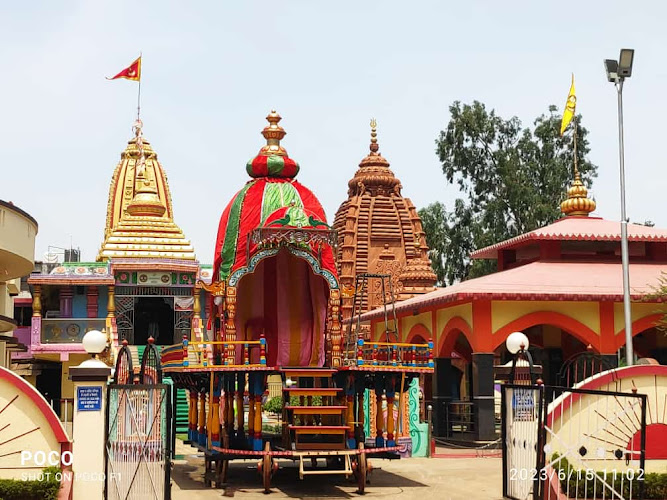
The Jagannath Temple in Bhilai is one of those places that quietly sneaks up on you. You might’ve heard of the grand Jagannath Temple in Puri, but this one—right here in Bhilai—has its own rhythm, its own pulse. Dedicated to Lord Jagannath, this temple carries that same divine aura yet feels more approachable, more intimate somehow. It’s where faith meets everyday life. You’ll see locals dropping by before work, families coming together on weekends, and travelers standing in awe at the intricate carvings that tell stories older than the city itself.
The temple’s architecture draws inspiration from the original Puri temple, with its towering spire and beautifully sculpted walls. But what really stands out is the serenity. Even on a busy day, there’s this strange calm that seems to settle over you as soon as you step inside. The chants, the faint smell of incense, the rhythmic ringing of bells—it all wraps around you like a warm shawl. It’s not just about religion here; it’s about connection, tradition, and peace.
From what I noticed during my visit, the devotees here are genuinely welcoming. There’s this unspoken sense of community. You don’t feel like an outsider even if it’s your first time. And yes, the temple is well-maintained, with clean surroundings and helpful staff. The fact that it’s wheelchair accessible—both at the entrance and in the parking area—shows how thoughtfully it’s designed for all visitors. It’s not perfect, of course. Sometimes the crowd can be overwhelming during festivals, and the wait to get a proper darshan might test your patience. But honestly, that’s part of the experience. It’s real, it’s raw, and it’s worth it.
Key Features
- Architectural Beauty: Inspired by the Puri Jagannath Temple, featuring a towering shikhara and detailed carvings that reflect Odisha’s temple art style.
- Spiritual Ambience: The temple hosts daily rituals, bhajans, and special pujas that make the atmosphere deeply spiritual yet welcoming.
- Accessibility: Wheelchair-friendly entrance and parking lot, ensuring comfort for elderly and differently-abled visitors.
- Community Gatherings: Regular cultural programs and religious events bring locals and travelers together in celebration.
- Clean Premises: The temple management takes pride in maintaining cleanliness and order throughout the complex.
- Peaceful Surroundings: Despite being in an urban setting, the temple offers a refreshing sense of calm and space for reflection.
Best Time to Visit
If you ask me, early mornings are magical here. The soft golden light filtering through the temple’s spires, the sound of conch shells echoing in the air—it’s pure bliss. But if you’re after a more lively experience, plan your visit during Rath Yatra or major festivals like Snana Purnima. The energy is electric then, with devotees singing, dancing, and celebrating in unison. Just be prepared for crowds and long queues.
For those who prefer a quieter visit, weekdays are ideal. The temple is open year-round, but the winter months (November to February) are particularly pleasant. The weather’s mild, and you can comfortably explore without breaking into a sweat. Avoid mid-summer afternoons if possible—it gets quite hot, and you’ll probably find yourself wishing for an extra bottle of water or two.
How to Get There
Reaching the Jagannath Temple is fairly straightforward. If you’re coming from within Bhilai or nearby Durg, local taxis and auto-rickshaws are your best bet. They’re inexpensive and easy to find. For those traveling from Raipur, it’s about an hour’s drive—a smooth ride if you start early. And if you’re the kind who loves road trips (I totally get that!), the route offers some lovely glimpses of Chhattisgarh’s everyday life—lush fields, roadside tea stalls, and that unmistakable small-town charm.
Public buses also run frequently between Bhilai and neighboring cities, so getting here isn’t a hassle. Once you’re near the temple area, signboards make navigation simple. Parking is available near the entrance, and since it’s wheelchair accessible, visitors with mobility challenges can move around comfortably. Honestly, it’s one of those rare temples where accessibility doesn’t feel like an afterthought.
Tips for Visiting
Here’s the thing—visiting a temple like this isn’t just about sightseeing; it’s about soaking in the atmosphere. So take your time. Don’t rush through the rituals or skip the smaller shrines around the main sanctum. Each corner tells a story. And if you’re lucky enough to visit during aarti, stay for it. The rhythmic chants and the flicker of oil lamps create an experience that words can’t quite capture.
- Dress modestly: It’s a place of worship, so light, traditional clothing is best. Avoid shorts or sleeveless tops.
- Remove footwear: Shoes aren’t allowed inside, so plan accordingly. There’s usually a designated area to keep them safe.
- Carry cash: Small donations, prasad purchases, or offerings often require cash, as digital payments aren’t always accepted.
- Photography: Be mindful—ask before taking pictures inside. Some areas may restrict photography for spiritual reasons.
- Stay hydrated: Especially during summer or festival days when you might stand in queues for a while.
- Respect rituals: Even if you don’t fully understand them, observing quietly goes a long way in showing respect to local traditions.
One thing I personally loved was just sitting quietly in the courtyard after the main darshan. Watching people—some praying, some chatting, some just lost in thought—reminded me how places like this are more than architectural marvels. They’re living, breathing spaces of faith. You don’t have to be deeply religious to feel something here. The temple has this way of grounding you, of making you pause and appreciate the moment.
For travelers planning to explore more of Chhattisgarh, this temple makes a great starting point. It’s not just about ticking another spot off your list—it’s about experiencing a slice of local life, culture, and devotion that’s as genuine as it gets. And who knows, maybe, like me, you’ll find yourself coming back again—not because you planned to, but because something about this place just stays with you.
Key Features
- Key Features
- Best Time to Visit
- How to Get There
- Tips for Visiting
More Details
Updated October 10, 2025
Table of Contents
Description
The Jagannath Temple in Bhilai is one of those places that quietly sneaks up on you. You might’ve heard of the grand Jagannath Temple in Puri, but this one—right here in Bhilai—has its own rhythm, its own pulse. Dedicated to Lord Jagannath, this temple carries that same divine aura yet feels more approachable, more intimate somehow. It’s where faith meets everyday life. You’ll see locals dropping by before work, families coming together on weekends, and travelers standing in awe at the intricate carvings that tell stories older than the city itself.
The temple’s architecture draws inspiration from the original Puri temple, with its towering spire and beautifully sculpted walls. But what really stands out is the serenity. Even on a busy day, there’s this strange calm that seems to settle over you as soon as you step inside. The chants, the faint smell of incense, the rhythmic ringing of bells—it all wraps around you like a warm shawl. It’s not just about religion here; it’s about connection, tradition, and peace.
From what I noticed during my visit, the devotees here are genuinely welcoming. There’s this unspoken sense of community. You don’t feel like an outsider even if it’s your first time. And yes, the temple is well-maintained, with clean surroundings and helpful staff. The fact that it’s wheelchair accessible—both at the entrance and in the parking area—shows how thoughtfully it’s designed for all visitors. It’s not perfect, of course. Sometimes the crowd can be overwhelming during festivals, and the wait to get a proper darshan might test your patience. But honestly, that’s part of the experience. It’s real, it’s raw, and it’s worth it.
Key Features
- Architectural Beauty: Inspired by the Puri Jagannath Temple, featuring a towering shikhara and detailed carvings that reflect Odisha’s temple art style.
- Spiritual Ambience: The temple hosts daily rituals, bhajans, and special pujas that make the atmosphere deeply spiritual yet welcoming.
- Accessibility: Wheelchair-friendly entrance and parking lot, ensuring comfort for elderly and differently-abled visitors.
- Community Gatherings: Regular cultural programs and religious events bring locals and travelers together in celebration.
- Clean Premises: The temple management takes pride in maintaining cleanliness and order throughout the complex.
- Peaceful Surroundings: Despite being in an urban setting, the temple offers a refreshing sense of calm and space for reflection.
Best Time to Visit
If you ask me, early mornings are magical here. The soft golden light filtering through the temple’s spires, the sound of conch shells echoing in the air—it’s pure bliss. But if you’re after a more lively experience, plan your visit during Rath Yatra or major festivals like Snana Purnima. The energy is electric then, with devotees singing, dancing, and celebrating in unison. Just be prepared for crowds and long queues.
For those who prefer a quieter visit, weekdays are ideal. The temple is open year-round, but the winter months (November to February) are particularly pleasant. The weather’s mild, and you can comfortably explore without breaking into a sweat. Avoid mid-summer afternoons if possible—it gets quite hot, and you’ll probably find yourself wishing for an extra bottle of water or two.
How to Get There
Reaching the Jagannath Temple is fairly straightforward. If you’re coming from within Bhilai or nearby Durg, local taxis and auto-rickshaws are your best bet. They’re inexpensive and easy to find. For those traveling from Raipur, it’s about an hour’s drive—a smooth ride if you start early. And if you’re the kind who loves road trips (I totally get that!), the route offers some lovely glimpses of Chhattisgarh’s everyday life—lush fields, roadside tea stalls, and that unmistakable small-town charm.
Public buses also run frequently between Bhilai and neighboring cities, so getting here isn’t a hassle. Once you’re near the temple area, signboards make navigation simple. Parking is available near the entrance, and since it’s wheelchair accessible, visitors with mobility challenges can move around comfortably. Honestly, it’s one of those rare temples where accessibility doesn’t feel like an afterthought.
Tips for Visiting
Here’s the thing—visiting a temple like this isn’t just about sightseeing; it’s about soaking in the atmosphere. So take your time. Don’t rush through the rituals or skip the smaller shrines around the main sanctum. Each corner tells a story. And if you’re lucky enough to visit during aarti, stay for it. The rhythmic chants and the flicker of oil lamps create an experience that words can’t quite capture.
- Dress modestly: It’s a place of worship, so light, traditional clothing is best. Avoid shorts or sleeveless tops.
- Remove footwear: Shoes aren’t allowed inside, so plan accordingly. There’s usually a designated area to keep them safe.
- Carry cash: Small donations, prasad purchases, or offerings often require cash, as digital payments aren’t always accepted.
- Photography: Be mindful—ask before taking pictures inside. Some areas may restrict photography for spiritual reasons.
- Stay hydrated: Especially during summer or festival days when you might stand in queues for a while.
- Respect rituals: Even if you don’t fully understand them, observing quietly goes a long way in showing respect to local traditions.
One thing I personally loved was just sitting quietly in the courtyard after the main darshan. Watching people—some praying, some chatting, some just lost in thought—reminded me how places like this are more than architectural marvels. They’re living, breathing spaces of faith. You don’t have to be deeply religious to feel something here. The temple has this way of grounding you, of making you pause and appreciate the moment.
For travelers planning to explore more of Chhattisgarh, this temple makes a great starting point. It’s not just about ticking another spot off your list—it’s about experiencing a slice of local life, culture, and devotion that’s as genuine as it gets. And who knows, maybe, like me, you’ll find yourself coming back again—not because you planned to, but because something about this place just stays with you.
Key Highlights
- Key Features
- Best Time to Visit
- How to Get There
- Tips for Visiting
Location
Places to Stay Near Jagannath Temple
Find and Book a Tour
Explore More Travel Guides
No reviews found! Be the first to review!
Traveler Reviews for Jagannath Temple
There are no reviews yet. Be the first one to write one.
Have you visited Jagannath Temple? Help other travelers by sharing your review.
You Might Also Like

Sector 6 bridge
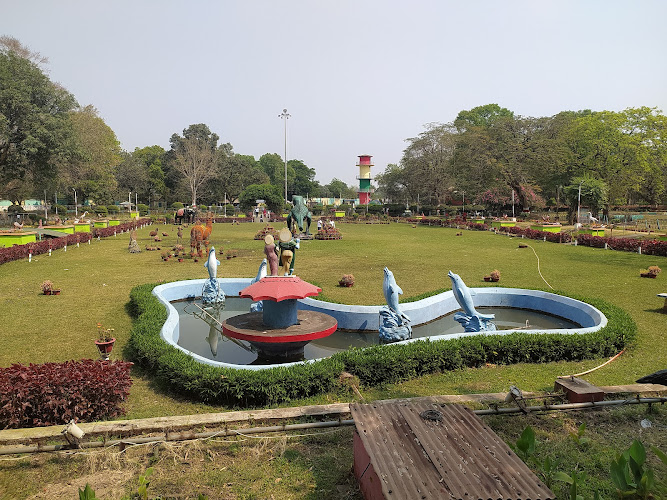
Maitri Baag Zoo, bhilai, Chhattisgarh
Sector 8 bhilai
Find Accommodations Nearby
Recommended Tours & Activities
Visitor Reviews
There are no reviews yet. Be the first one to write one.
Share Your Experience
Have you visited Jagannath Temple? Help other travelers by leaving a review.