
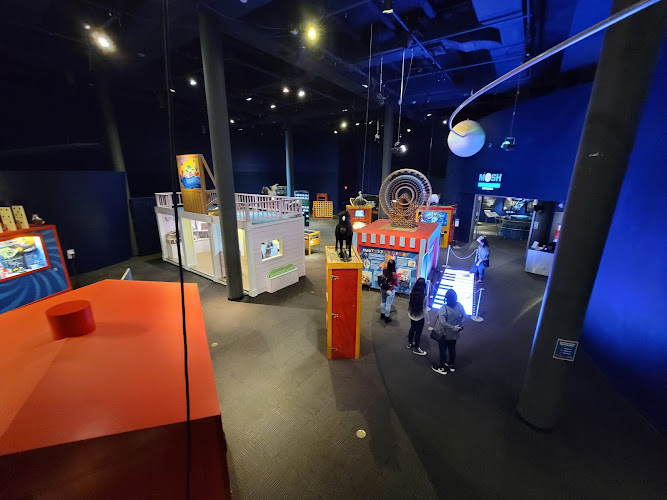
Bryan-Gooding Planetarium
About Bryan-Gooding Planetarium
Description
The Bryan-Gooding Planetarium is one of those places that quietly surprises you. Tucked inside the Museum of Science and History in Jacksonville, it’s not just a dome with stars projected on the ceiling—it’s a full-on cosmic experience that pulls you right into the universe. I remember the first time I walked in, expecting a simple astronomy show, and ended up feeling like I’d actually floated through Saturn’s rings. The sound system rumbled through the seats, and for a moment, I forgot I was sitting in Florida at all.
This planetarium has been a favorite for families, school groups, and curious travelers who love learning about space in a way that feels alive. It’s one of the largest single-lens planetariums in the Southeast, and honestly, that’s part of what makes it such a standout. The dome is massive—when the lights dim, you can almost feel the air shift. The shows range from deep dives into the solar system to laser light shows synced with music that can make even the most skeptical adult grin like a kid again.
What really sets it apart is the balance between education and entertainment. The presenters are passionate, often weaving humor and storytelling into complex science topics. You don’t have to be an astronomy buff to enjoy it; even if you can’t tell a nebula from a comet, you’ll walk away fascinated. And if you’ve got kids, it’s a perfect way to sneak in some learning without them realizing it.
While it’s not a huge facility, every detail feels intentional. The seating is comfortable, the visuals are crisp, and the acoustics are powerful enough to make you feel like you’re traveling through space. Some visitors mention that the shows are short, but honestly, that’s part of the charm—it keeps everyone engaged without dragging on. Plus, the planetarium often updates its programs, so even if you’ve been before, there’s a good chance you’ll see something new next time.
Key Features
- Immersive full-dome projection system with high-definition visuals
- Live astronomy shows led by knowledgeable presenters
- Family-friendly laser light productions set to music
- Special programs designed for kids and school groups
- Wheelchair accessible entrance and parking
- Accepts credit cards, debit cards, and mobile payments
- Located within a larger science museum for a full-day experience
- Air-conditioned indoor environment (a real bonus on Florida’s hot days)
One of my favorite features is the live commentary. There’s something refreshing about hearing a real person guide you through the stars instead of a pre-recorded voice. It gives the experience a personal touch—like a friend showing you their favorite constellations.
Best Time to Visit
If you’re planning a visit, the best time really depends on what kind of experience you want. Weekdays tend to be quieter, especially in the mornings, which is perfect if you prefer a more relaxed atmosphere. Families often fill the seats on weekends, especially during school breaks or holidays. I once went on a rainy afternoon—one of those humid Florida days when outdoor plans just aren’t happening—and it turned out to be the perfect escape. There’s something poetic about learning about galaxies while the rain taps on the roof outside.
The planetarium also hosts special evening shows from time to time. Those are worth checking out if you’re into stargazing or night-sky photography. The darker environment and fewer crowds make it feel more intimate, almost meditative. If you’re traveling through Jacksonville in the summer, aim for later in the day; the air conditioning and dim lights are a welcome break from the heat.
How to Get There
Getting to the Bryan-Gooding Planetarium is pretty straightforward. It’s located near the heart of Jacksonville’s Southbank area, close to the St. Johns River. If you’re staying downtown, it’s just a few minutes’ drive or a short ride-share trip away. Parking is generally easy to find, and there are accessible spots available for those who need them.
For travelers without a car, the local bus routes stop nearby, and you can even hop on the Jacksonville River Taxi if you’re coming from across the river—it’s a fun and scenic way to arrive. Just make sure to check showtimes before you go; the planetarium runs on a schedule, and you won’t want to miss the start of a show.
If you’re coming from out of town, it’s about a 25-minute drive from Jacksonville International Airport. The route is simple, and you’ll pass through parts of the city that give you a nice glimpse of its character—river views, old trees, and a few spots worth bookmarking for later.
Tips for Visiting
A few tips can really make your visit smoother and more enjoyable. First off, arrive a little early. The shows start right on time, and once the lights go down, late entries aren’t usually allowed. It’s worth getting there with a few minutes to spare so you can find a good seat and let your eyes adjust to the dark.
If you’ve got kids, prepare them for the darkness—it can be a bit overwhelming at first. But once the stars start to appear, that nervous energy usually turns into wide-eyed wonder. I’ve seen plenty of little ones go from fidgeting to completely silent in awe within seconds.
Here are a few other things I’ve learned from my own visits:
- Check the schedule online before you go; show themes change regularly.
- Combine your visit with a trip through the museum—it’s included and worth the time.
- Bring a light sweater; the dome can get chilly during longer shows.
- Plan for about 45–60 minutes per show, plus extra time to explore afterward.
- Photography isn’t allowed during shows, but there are great photo ops in the lobby and museum areas.
Don’t rush out right after the show ends. Stick around to chat with the presenters if they’re available—they’re usually happy to answer questions or share fun facts about upcoming celestial events. I once learned about a meteor shower that was happening that same night, and it turned into one of the best spontaneous stargazing experiences I’ve ever had.
And here’s a little personal tip: grab a seat near the center of the dome if you can. The view feels more balanced, and you’ll catch every angle of the projection. But honestly, there’s not a bad seat in the house.
All in all, the Bryan-Gooding Planetarium is one of those underrated gems that leaves a lasting impression. It’s educational without being stuffy, fun without being gimmicky, and it’s got that rare ability to make both kids and adults feel the same sense of wonder. Whether you’re a traveler passing through Jacksonville or a local looking for a meaningful afternoon, it’s absolutely worth the stop.
You’ll walk out with your head tilted toward the sky, maybe even spotting a star or two on your way back to the car. And honestly, that’s the best kind of souvenir.
Key Features
- Immersive full-dome projection system with high-definition visuals
- Live astronomy shows led by knowledgeable presenters
- Family-friendly laser light productions set to music
- Special programs designed for kids and school groups
- Wheelchair accessible entrance and parking
- Accepts credit cards, debit cards, and mobile payments
- Located within a larger science museum for a full-day experience
- Air-conditioned indoor environment (a real bonus on Florida’s hot days)
More Details
Updated October 11, 2025
Table of Contents
Description
The Bryan-Gooding Planetarium is one of those places that quietly surprises you. Tucked inside the Museum of Science and History in Jacksonville, it’s not just a dome with stars projected on the ceiling—it’s a full-on cosmic experience that pulls you right into the universe. I remember the first time I walked in, expecting a simple astronomy show, and ended up feeling like I’d actually floated through Saturn’s rings. The sound system rumbled through the seats, and for a moment, I forgot I was sitting in Florida at all.
This planetarium has been a favorite for families, school groups, and curious travelers who love learning about space in a way that feels alive. It’s one of the largest single-lens planetariums in the Southeast, and honestly, that’s part of what makes it such a standout. The dome is massive—when the lights dim, you can almost feel the air shift. The shows range from deep dives into the solar system to laser light shows synced with music that can make even the most skeptical adult grin like a kid again.
What really sets it apart is the balance between education and entertainment. The presenters are passionate, often weaving humor and storytelling into complex science topics. You don’t have to be an astronomy buff to enjoy it; even if you can’t tell a nebula from a comet, you’ll walk away fascinated. And if you’ve got kids, it’s a perfect way to sneak in some learning without them realizing it.
While it’s not a huge facility, every detail feels intentional. The seating is comfortable, the visuals are crisp, and the acoustics are powerful enough to make you feel like you’re traveling through space. Some visitors mention that the shows are short, but honestly, that’s part of the charm—it keeps everyone engaged without dragging on. Plus, the planetarium often updates its programs, so even if you’ve been before, there’s a good chance you’ll see something new next time.
Key Features
- Immersive full-dome projection system with high-definition visuals
- Live astronomy shows led by knowledgeable presenters
- Family-friendly laser light productions set to music
- Special programs designed for kids and school groups
- Wheelchair accessible entrance and parking
- Accepts credit cards, debit cards, and mobile payments
- Located within a larger science museum for a full-day experience
- Air-conditioned indoor environment (a real bonus on Florida’s hot days)
One of my favorite features is the live commentary. There’s something refreshing about hearing a real person guide you through the stars instead of a pre-recorded voice. It gives the experience a personal touch—like a friend showing you their favorite constellations.
Best Time to Visit
If you’re planning a visit, the best time really depends on what kind of experience you want. Weekdays tend to be quieter, especially in the mornings, which is perfect if you prefer a more relaxed atmosphere. Families often fill the seats on weekends, especially during school breaks or holidays. I once went on a rainy afternoon—one of those humid Florida days when outdoor plans just aren’t happening—and it turned out to be the perfect escape. There’s something poetic about learning about galaxies while the rain taps on the roof outside.
The planetarium also hosts special evening shows from time to time. Those are worth checking out if you’re into stargazing or night-sky photography. The darker environment and fewer crowds make it feel more intimate, almost meditative. If you’re traveling through Jacksonville in the summer, aim for later in the day; the air conditioning and dim lights are a welcome break from the heat.
How to Get There
Getting to the Bryan-Gooding Planetarium is pretty straightforward. It’s located near the heart of Jacksonville’s Southbank area, close to the St. Johns River. If you’re staying downtown, it’s just a few minutes’ drive or a short ride-share trip away. Parking is generally easy to find, and there are accessible spots available for those who need them.
For travelers without a car, the local bus routes stop nearby, and you can even hop on the Jacksonville River Taxi if you’re coming from across the river—it’s a fun and scenic way to arrive. Just make sure to check showtimes before you go; the planetarium runs on a schedule, and you won’t want to miss the start of a show.
If you’re coming from out of town, it’s about a 25-minute drive from Jacksonville International Airport. The route is simple, and you’ll pass through parts of the city that give you a nice glimpse of its character—river views, old trees, and a few spots worth bookmarking for later.
Tips for Visiting
A few tips can really make your visit smoother and more enjoyable. First off, arrive a little early. The shows start right on time, and once the lights go down, late entries aren’t usually allowed. It’s worth getting there with a few minutes to spare so you can find a good seat and let your eyes adjust to the dark.
If you’ve got kids, prepare them for the darkness—it can be a bit overwhelming at first. But once the stars start to appear, that nervous energy usually turns into wide-eyed wonder. I’ve seen plenty of little ones go from fidgeting to completely silent in awe within seconds.
Here are a few other things I’ve learned from my own visits:
- Check the schedule online before you go; show themes change regularly.
- Combine your visit with a trip through the museum—it’s included and worth the time.
- Bring a light sweater; the dome can get chilly during longer shows.
- Plan for about 45–60 minutes per show, plus extra time to explore afterward.
- Photography isn’t allowed during shows, but there are great photo ops in the lobby and museum areas.
Don’t rush out right after the show ends. Stick around to chat with the presenters if they’re available—they’re usually happy to answer questions or share fun facts about upcoming celestial events. I once learned about a meteor shower that was happening that same night, and it turned into one of the best spontaneous stargazing experiences I’ve ever had.
And here’s a little personal tip: grab a seat near the center of the dome if you can. The view feels more balanced, and you’ll catch every angle of the projection. But honestly, there’s not a bad seat in the house.
All in all, the Bryan-Gooding Planetarium is one of those underrated gems that leaves a lasting impression. It’s educational without being stuffy, fun without being gimmicky, and it’s got that rare ability to make both kids and adults feel the same sense of wonder. Whether you’re a traveler passing through Jacksonville or a local looking for a meaningful afternoon, it’s absolutely worth the stop.
You’ll walk out with your head tilted toward the sky, maybe even spotting a star or two on your way back to the car. And honestly, that’s the best kind of souvenir.
Key Highlights
- Immersive full-dome projection system with high-definition visuals
- Live astronomy shows led by knowledgeable presenters
- Family-friendly laser light productions set to music
- Special programs designed for kids and school groups
- Wheelchair accessible entrance and parking
- Accepts credit cards, debit cards, and mobile payments
- Located within a larger science museum for a full-day experience
- Air-conditioned indoor environment (a real bonus on Florida’s hot days)
Location
Places to Stay Near Bryan-Gooding Planetarium
Find and Book a Tour
Explore More Travel Guides
No reviews found! Be the first to review!
Traveler Reviews for Bryan-Gooding Planetarium
There are no reviews yet. Be the first one to write one.
Have you visited Bryan-Gooding Planetarium? Help other travelers by sharing your review.
You Might Also Like

Treaty Oak

Jacksonville Zoo and Botanical Gardens
Beaches Museum
Find Accommodations Nearby
Recommended Tours & Activities
Visitor Reviews
There are no reviews yet. Be the first one to write one.
Share Your Experience
Have you visited Bryan-Gooding Planetarium? Help other travelers by leaving a review.