
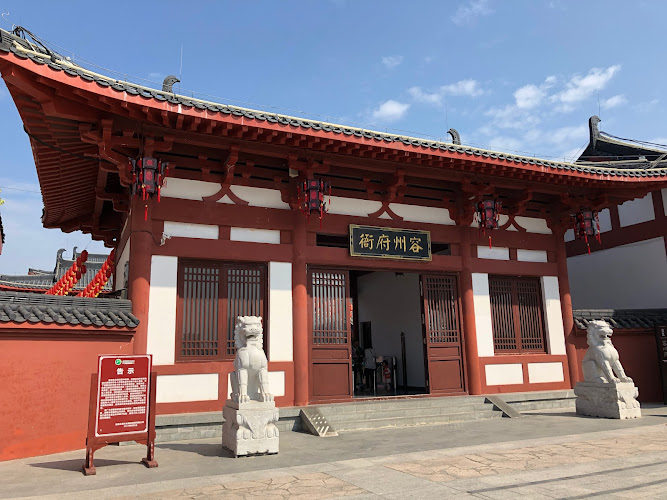
Rongxian Museum
About Rongxian Museum
Description
Rongxian Museum, tucked away in the heart of Rong County in Guangxi, tells the story of a region that has seen centuries of cultural exchange and quiet resilience. It’s not one of those massive, glossy museums that overwhelm you with information. Instead, it feels almost personal—like stepping into a local’s scrapbook of history. The building itself carries a blend of traditional Chinese architecture with subtle modern touches, giving it that old-meets-new charm that history buffs and casual visitors alike tend to appreciate.
The museum’s collection spans from ancient pottery and bronze relics to folk art and calligraphy that reflect the soul of southern China. What really stands out is how the exhibits are curated. They don’t just show artifacts; they tell stories—of farmers, scholars, and families who once shaped the culture of Rongxian. It’s not flashy, but it’s heartfelt. You’ll find yourself lingering over small details, like the delicate brushstrokes on a centuries-old scroll or the intricate carvings on a ceremonial vessel.
One thing that struck me during my visit was how calm it felt inside. There’s a sort of hush that falls over you, the kind that makes you slow down and actually look. I remember standing before a display of old jade ornaments, thinking about how many hands they must have passed through over hundreds of years. It’s humbling, really. And if you’re someone who loves learning about local culture beyond the surface level, this place quietly rewards your curiosity.
Families often visit here, too. Kids seem to enjoy the interactive displays and the chance to see ancient tools up close. The museum staff are friendly and happy to explain exhibits if you ask. Plus, the facilities are surprisingly good for a regional museum: clean restrooms, wheelchair-accessible areas, and a layout that’s easy to navigate. It’s not a huge place, but that’s part of its charm—you can see everything in a couple of hours without feeling rushed.
Key Features
- Extensive collection of local historical artifacts, including pottery, jade, and bronze relics.
- Exhibits highlighting the cultural evolution of Rong County and its connection to the broader Guangxi region.
- Traditional Chinese architectural design with modern facilities for comfort and accessibility.
- Interactive displays and family-friendly sections that engage children and adults alike.
- Wheelchair-accessible restrooms and pathways, ensuring inclusivity for all visitors.
- Knowledgeable staff offering insights into the history and significance of the exhibits.
What I personally love about this museum is that it doesn’t try too hard—it’s confident in what it offers. You can tell it’s been built with care for the community. Some of the exhibits even include items donated by local families, which gives the place a deeply personal touch. It’s not just about the past; it’s about preserving memory, identity, and pride.
Best Time to Visit
If you’re planning a trip, late autumn through early spring is usually the best time to visit Rongxian Museum. The weather in Guangxi during these months is mild and comfortable, making it ideal for exploring both the museum and the nearby historical sites. Summer can get quite humid, and while the museum itself is air-conditioned, walking around town afterward might feel a bit sticky.
Weekdays are generally quieter, which means you can take your time without the crowds. I went on a Tuesday morning, and it felt like I had the place almost to myself. The staff even offered a short guided explanation of one of the exhibits, which was a pleasant surprise. If you’re into photography, mornings and late afternoons are great for natural light filtering through the museum’s windows—it adds a soft glow to the displays that’s hard to capture any other time.
During local festivals, especially around Lunar New Year, the museum sometimes hosts temporary exhibitions or cultural performances. These can be fascinating if you want to experience how traditional and modern Rongxian culture blend together. Just be prepared for more visitors during those times.
How to Get There
Reaching Rongxian Museum is fairly straightforward once you’re in Rong County. The town itself is well-connected by regional buses and trains from nearby cities like Yulin and Wuzhou. From Yulin, it’s roughly an hour’s drive, depending on traffic. If you’re coming from Nanning or Guangzhou, you can catch a high-speed train to Yulin and then transfer to a local bus or taxi heading toward Rong County.
Once in Rong County, most locals know the museum, so even if you don’t speak much Mandarin, showing a photo or saying “Rongxian Museum” usually does the trick. Taxis are affordable, and the ride from the town center takes less than ten minutes. For those who prefer walking, the museum is located in a central area surrounded by small eateries and shops, so you can easily make a half-day outing of it.
If you’re driving, parking is available nearby, though it can fill up on weekends. I’d recommend arriving earlier in the day to secure a spot. The streets around the museum are relatively narrow, so patience helps—especially if you’re not used to driving in smaller Chinese towns.
Tips for Visiting
Here are a few things I wish I’d known before my first visit. First, bring a bottle of water. While there are vending machines nearby, it’s always better to have your own, especially if you plan to walk around afterward. And wear comfortable shoes—the museum floors are smooth, but you’ll likely want to explore the area around it, too.
Photography is allowed in most sections, but flash isn’t—so be mindful of that. Also, if you’re the kind of traveler who enjoys understanding context, consider reading a bit about Rong County’s history beforehand. It’ll make the displays more meaningful. Some of the English translations on signs are a bit rough, but that’s part of the charm. You’ll still get the gist, and sometimes the quirky translations make you smile.
For families, the museum is a great educational stop. Kids can see artifacts up close and learn about local traditions in a way that feels tangible. The museum staff are kind and patient, and they sometimes hand out small pamphlets for children with fun facts about the exhibits. If you’re traveling with elderly family members, the accessible facilities make things easier—ramps and elevators are available where needed.
I’d also suggest pairing your museum visit with a walk through the nearby old streets of Rong County. You’ll find small tea shops, local snack stalls, and traditional markets that echo the culture you just saw inside the museum. It’s the kind of experience that turns a simple museum visit into a deeper connection with the place.
And here’s a small insider tip: ask the staff if there are any temporary exhibits or cultural events happening that week. Sometimes they host local art showcases or calligraphy workshops that aren’t widely advertised. I stumbled upon one by accident once, and it ended up being the highlight of my trip—a local artist teaching visitors how to paint bamboo with simple brushstrokes. It was one of those moments that remind you why traveling off the beaten path is so rewarding.
In short, Rongxian Museum might not be the biggest or most famous museum in China, but it has heart. It’s the kind of place that quietly grows on you—the more time you spend there, the more you appreciate what it stands for. Whether you’re a history enthusiast, a curious traveler, or just someone looking to learn something new, this museum offers a glimpse into a world that’s both ancient and alive. And honestly, that’s the kind of experience that stays with you long after you’ve left.
Key Features
- Extensive collection of local historical artifacts, including pottery, jade, and bronze relics.
- Exhibits highlighting the cultural evolution of Rong County and its connection to the broader Guangxi region.
- Traditional Chinese architectural design with modern facilities for comfort and accessibility.
- Interactive displays and family-friendly sections that engage children and adults alike.
- Wheelchair-accessible restrooms and pathways, ensuring inclusivity for all visitors.
- Knowledgeable staff offering insights into the history and significance of the exhibits.
More Details
Updated October 11, 2025
Table of Contents
Description
Rongxian Museum, tucked away in the heart of Rong County in Guangxi, tells the story of a region that has seen centuries of cultural exchange and quiet resilience. It’s not one of those massive, glossy museums that overwhelm you with information. Instead, it feels almost personal—like stepping into a local’s scrapbook of history. The building itself carries a blend of traditional Chinese architecture with subtle modern touches, giving it that old-meets-new charm that history buffs and casual visitors alike tend to appreciate.
The museum’s collection spans from ancient pottery and bronze relics to folk art and calligraphy that reflect the soul of southern China. What really stands out is how the exhibits are curated. They don’t just show artifacts; they tell stories—of farmers, scholars, and families who once shaped the culture of Rongxian. It’s not flashy, but it’s heartfelt. You’ll find yourself lingering over small details, like the delicate brushstrokes on a centuries-old scroll or the intricate carvings on a ceremonial vessel.
One thing that struck me during my visit was how calm it felt inside. There’s a sort of hush that falls over you, the kind that makes you slow down and actually look. I remember standing before a display of old jade ornaments, thinking about how many hands they must have passed through over hundreds of years. It’s humbling, really. And if you’re someone who loves learning about local culture beyond the surface level, this place quietly rewards your curiosity.
Families often visit here, too. Kids seem to enjoy the interactive displays and the chance to see ancient tools up close. The museum staff are friendly and happy to explain exhibits if you ask. Plus, the facilities are surprisingly good for a regional museum: clean restrooms, wheelchair-accessible areas, and a layout that’s easy to navigate. It’s not a huge place, but that’s part of its charm—you can see everything in a couple of hours without feeling rushed.
Key Features
- Extensive collection of local historical artifacts, including pottery, jade, and bronze relics.
- Exhibits highlighting the cultural evolution of Rong County and its connection to the broader Guangxi region.
- Traditional Chinese architectural design with modern facilities for comfort and accessibility.
- Interactive displays and family-friendly sections that engage children and adults alike.
- Wheelchair-accessible restrooms and pathways, ensuring inclusivity for all visitors.
- Knowledgeable staff offering insights into the history and significance of the exhibits.
What I personally love about this museum is that it doesn’t try too hard—it’s confident in what it offers. You can tell it’s been built with care for the community. Some of the exhibits even include items donated by local families, which gives the place a deeply personal touch. It’s not just about the past; it’s about preserving memory, identity, and pride.
Best Time to Visit
If you’re planning a trip, late autumn through early spring is usually the best time to visit Rongxian Museum. The weather in Guangxi during these months is mild and comfortable, making it ideal for exploring both the museum and the nearby historical sites. Summer can get quite humid, and while the museum itself is air-conditioned, walking around town afterward might feel a bit sticky.
Weekdays are generally quieter, which means you can take your time without the crowds. I went on a Tuesday morning, and it felt like I had the place almost to myself. The staff even offered a short guided explanation of one of the exhibits, which was a pleasant surprise. If you’re into photography, mornings and late afternoons are great for natural light filtering through the museum’s windows—it adds a soft glow to the displays that’s hard to capture any other time.
During local festivals, especially around Lunar New Year, the museum sometimes hosts temporary exhibitions or cultural performances. These can be fascinating if you want to experience how traditional and modern Rongxian culture blend together. Just be prepared for more visitors during those times.
How to Get There
Reaching Rongxian Museum is fairly straightforward once you’re in Rong County. The town itself is well-connected by regional buses and trains from nearby cities like Yulin and Wuzhou. From Yulin, it’s roughly an hour’s drive, depending on traffic. If you’re coming from Nanning or Guangzhou, you can catch a high-speed train to Yulin and then transfer to a local bus or taxi heading toward Rong County.
Once in Rong County, most locals know the museum, so even if you don’t speak much Mandarin, showing a photo or saying “Rongxian Museum” usually does the trick. Taxis are affordable, and the ride from the town center takes less than ten minutes. For those who prefer walking, the museum is located in a central area surrounded by small eateries and shops, so you can easily make a half-day outing of it.
If you’re driving, parking is available nearby, though it can fill up on weekends. I’d recommend arriving earlier in the day to secure a spot. The streets around the museum are relatively narrow, so patience helps—especially if you’re not used to driving in smaller Chinese towns.
Tips for Visiting
Here are a few things I wish I’d known before my first visit. First, bring a bottle of water. While there are vending machines nearby, it’s always better to have your own, especially if you plan to walk around afterward. And wear comfortable shoes—the museum floors are smooth, but you’ll likely want to explore the area around it, too.
Photography is allowed in most sections, but flash isn’t—so be mindful of that. Also, if you’re the kind of traveler who enjoys understanding context, consider reading a bit about Rong County’s history beforehand. It’ll make the displays more meaningful. Some of the English translations on signs are a bit rough, but that’s part of the charm. You’ll still get the gist, and sometimes the quirky translations make you smile.
For families, the museum is a great educational stop. Kids can see artifacts up close and learn about local traditions in a way that feels tangible. The museum staff are kind and patient, and they sometimes hand out small pamphlets for children with fun facts about the exhibits. If you’re traveling with elderly family members, the accessible facilities make things easier—ramps and elevators are available where needed.
I’d also suggest pairing your museum visit with a walk through the nearby old streets of Rong County. You’ll find small tea shops, local snack stalls, and traditional markets that echo the culture you just saw inside the museum. It’s the kind of experience that turns a simple museum visit into a deeper connection with the place.
And here’s a small insider tip: ask the staff if there are any temporary exhibits or cultural events happening that week. Sometimes they host local art showcases or calligraphy workshops that aren’t widely advertised. I stumbled upon one by accident once, and it ended up being the highlight of my trip—a local artist teaching visitors how to paint bamboo with simple brushstrokes. It was one of those moments that remind you why traveling off the beaten path is so rewarding.
In short, Rongxian Museum might not be the biggest or most famous museum in China, but it has heart. It’s the kind of place that quietly grows on you—the more time you spend there, the more you appreciate what it stands for. Whether you’re a history enthusiast, a curious traveler, or just someone looking to learn something new, this museum offers a glimpse into a world that’s both ancient and alive. And honestly, that’s the kind of experience that stays with you long after you’ve left.
Key Highlights
- Extensive collection of local historical artifacts, including pottery, jade, and bronze relics.
- Exhibits highlighting the cultural evolution of Rong County and its connection to the broader Guangxi region.
- Traditional Chinese architectural design with modern facilities for comfort and accessibility.
- Interactive displays and family-friendly sections that engage children and adults alike.
- Wheelchair-accessible restrooms and pathways, ensuring inclusivity for all visitors.
- Knowledgeable staff offering insights into the history and significance of the exhibits.
Location
Places to Stay Near Rongxian Museum
Find and Book a Tour
Explore More Travel Guides
No reviews found! Be the first to review!
Traveler Reviews for Rongxian Museum
There are no reviews yet. Be the first one to write one.
Have you visited Rongxian Museum? Help other travelers by sharing your review.
You Might Also Like
Rongzhouzhen
Baiyun Mountain

Darongshan Forest Park
Find Accommodations Nearby
Recommended Tours & Activities
Visitor Reviews
There are no reviews yet. Be the first one to write one.
Share Your Experience
Have you visited Rongxian Museum? Help other travelers by leaving a review.