
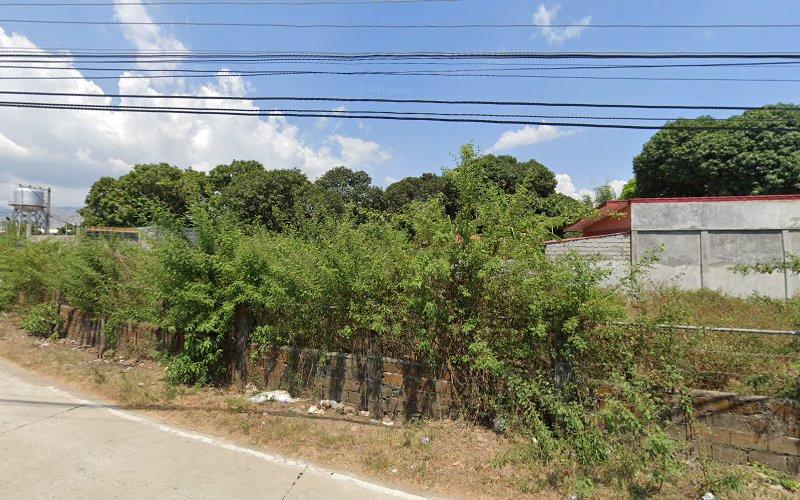
Camp Duhat
About Camp Duhat
Description
Camp Duhat stands as a peaceful garden retreat that I recently discovered, tucked away from the usual tourist spots. What caught my eye immediately were the towering fruit trees – mostly duhat (Java plum) trees that give this place its fitting name. Ya know what's really cool? The way the sunlight filters through those dense branches creates these amazing natural patterns on the ground. The garden's layout strikes that perfect balance between being well-maintained and letting nature do its thing. And let me tell you, it's not your typical manicured garden – it's got personality! There's something really special about watching local birds hop from branch to branch while you're just taking it all in.Key Features
• Extensive collection of mature duhat trees providing natural shade • Winding pathways perfect for peaceful morning walks • Local bird watching opportunities • Natural meditation spots under the tree canopy • Traditional Filipino garden elements • Open grassy areas ideal for picnics • Seasonal fruit harvesting experiences • Natural photography spots • Native plant species throughout the garden • Quiet reading nooks scattered around the propertyBest Time to Visit
From my experience, early mornings between 6:00 AM and 9:00 AM offer the most magical moments at Camp Duhat. The air is crisp, and the morning light creates this gorgeous effect through the leaves. But here's a pro tip - if you're hoping to taste some fresh duhat fruit, plan your visit between May and June during the fruiting season. That's when the trees are literally dripping with those purple-black berries! The garden really shows off different sides of itself throughout the year. During December to February, you'll find the weather pleasantly cool, making it perfect for longer visits. I'd suggest avoiding midday hours during March to May - trust me, the Philippine summer heat can be pretty intense, even under those shade trees!How to Get There
Getting to Camp Duhat isn't complicated, but it does require a bit of planning. From the main highway, you can catch a local jeepney or tricycle. If you're driving (which I personally recommend), follow the main road until you spot the signage - can't miss those distinctive duhat tree silhouettes! Public transportation runs regularly during daylight hours, but I'd suggest arranging your return trip in advance if you're planning to stay until later in the afternoon. And hey, if you're using ride-sharing apps, just make sure to save the location on your phone since some drivers might not be familiar with it.Tips for Visiting
Alright, lemme share some real talk based on my visits. First off, bring water - lots of it! Even though there's plenty of shade, the Philippine humidity doesn't mess around. I learned this the hard way during my first visit, and boy, was I parched! Wear comfortable walking shoes - the paths are mostly natural and can get a bit uneven. Bug spray is your friend here, especially during the rainy season. And speaking of rain, pack a light raincoat or umbrella because weather can change pretty quick. If you're planning to do some photography (and trust me, you'll want to), early morning or late afternoon gives you that gorgeous golden hour lighting through the trees. Oh, and bring some small bags if you're visiting during duhat season - you might get lucky and take home some fresh fruit! Try to schedule at least 2-3 hours for your visit. I made the mistake of rushing through my first time, and totally missed some of the quieter corners of the garden. The place has this way of making you slow down and appreciate the little things - like the sound of leaves rustling or birds chirping. And here's something most people don't think about - bring a small blanket or mat if you're planning to sit and relax. While there are some seating areas, having your own setup means you can plop down wherever you find your perfect spot. Just remember to respect the garden - pack out what you pack in, and try to leave each spot better than you found it. Lastly, don't forget your camera! The natural lighting here creates some amazing photo opportunities, especially when the sun rays pierce through the canopy. But maybe spend some time just soaking it all in without the lens too - sometimes the best memories are the ones we make when we're fully present in the moment.Key Features
- Key Features
- Best Time to Visit
- How to Get There
- Tips for Visiting
More Details
Updated May 16, 2025
Table of Contents
Description
Camp Duhat stands as a peaceful garden retreat that I recently discovered, tucked away from the usual tourist spots. What caught my eye immediately were the towering fruit trees – mostly duhat (Java plum) trees that give this place its fitting name. Ya know what’s really cool? The way the sunlight filters through those dense branches creates these amazing natural patterns on the ground.
The garden’s layout strikes that perfect balance between being well-maintained and letting nature do its thing. And let me tell you, it’s not your typical manicured garden – it’s got personality! There’s something really special about watching local birds hop from branch to branch while you’re just taking it all in.
Key Features
• Extensive collection of mature duhat trees providing natural shade
• Winding pathways perfect for peaceful morning walks
• Local bird watching opportunities
• Natural meditation spots under the tree canopy
• Traditional Filipino garden elements
• Open grassy areas ideal for picnics
• Seasonal fruit harvesting experiences
• Natural photography spots
• Native plant species throughout the garden
• Quiet reading nooks scattered around the property
Best Time to Visit
From my experience, early mornings between 6:00 AM and 9:00 AM offer the most magical moments at Camp Duhat. The air is crisp, and the morning light creates this gorgeous effect through the leaves. But here’s a pro tip – if you’re hoping to taste some fresh duhat fruit, plan your visit between May and June during the fruiting season. That’s when the trees are literally dripping with those purple-black berries!
The garden really shows off different sides of itself throughout the year. During December to February, you’ll find the weather pleasantly cool, making it perfect for longer visits. I’d suggest avoiding midday hours during March to May – trust me, the Philippine summer heat can be pretty intense, even under those shade trees!
How to Get There
Getting to Camp Duhat isn’t complicated, but it does require a bit of planning. From the main highway, you can catch a local jeepney or tricycle. If you’re driving (which I personally recommend), follow the main road until you spot the signage – can’t miss those distinctive duhat tree silhouettes!
Public transportation runs regularly during daylight hours, but I’d suggest arranging your return trip in advance if you’re planning to stay until later in the afternoon. And hey, if you’re using ride-sharing apps, just make sure to save the location on your phone since some drivers might not be familiar with it.
Tips for Visiting
Alright, lemme share some real talk based on my visits. First off, bring water – lots of it! Even though there’s plenty of shade, the Philippine humidity doesn’t mess around. I learned this the hard way during my first visit, and boy, was I parched!
Wear comfortable walking shoes – the paths are mostly natural and can get a bit uneven. Bug spray is your friend here, especially during the rainy season. And speaking of rain, pack a light raincoat or umbrella because weather can change pretty quick.
If you’re planning to do some photography (and trust me, you’ll want to), early morning or late afternoon gives you that gorgeous golden hour lighting through the trees. Oh, and bring some small bags if you’re visiting during duhat season – you might get lucky and take home some fresh fruit!
Try to schedule at least 2-3 hours for your visit. I made the mistake of rushing through my first time, and totally missed some of the quieter corners of the garden. The place has this way of making you slow down and appreciate the little things – like the sound of leaves rustling or birds chirping.
And here’s something most people don’t think about – bring a small blanket or mat if you’re planning to sit and relax. While there are some seating areas, having your own setup means you can plop down wherever you find your perfect spot. Just remember to respect the garden – pack out what you pack in, and try to leave each spot better than you found it.
Lastly, don’t forget your camera! The natural lighting here creates some amazing photo opportunities, especially when the sun rays pierce through the canopy. But maybe spend some time just soaking it all in without the lens too – sometimes the best memories are the ones we make when we’re fully present in the moment.
Key Highlights
- Key Features
- Best Time to Visit
- How to Get There
- Tips for Visiting
Location
Places to Stay Near Camp Duhat
Find and Book a Tour
Explore More Travel Guides
No reviews found! Be the first to review!
Traveler Reviews for Camp Duhat
There are no reviews yet. Be the first one to write one.
Have you visited Camp Duhat? Help other travelers by sharing your review.
You Might Also Like
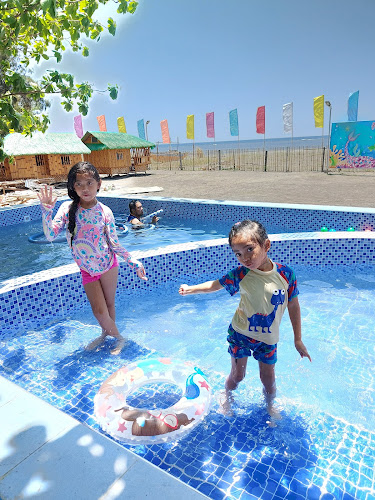
Diwata & Lam-ang Beach Resort
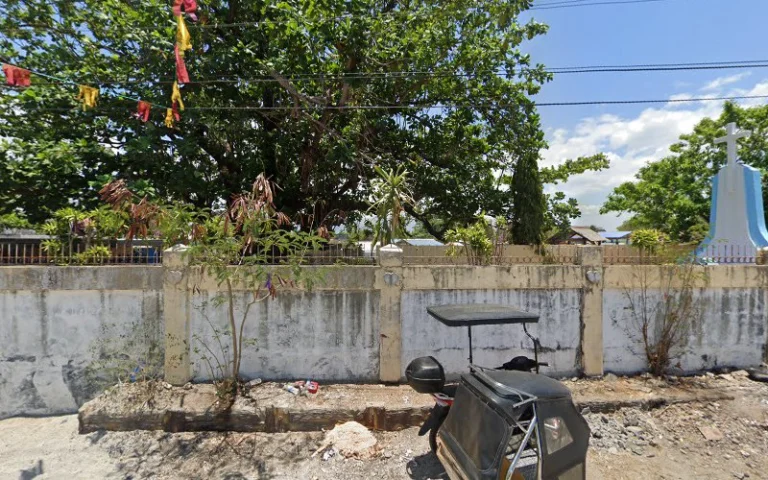
Iba Public Cemetery
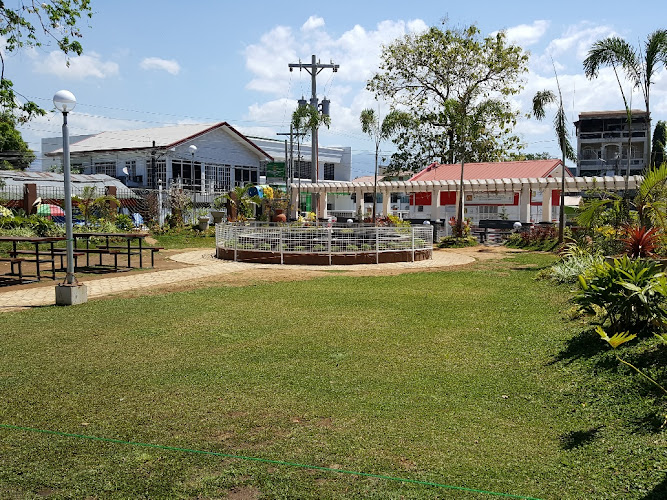
Zambales Provincial Park
Find Accommodations Nearby
Recommended Tours & Activities
Visitor Reviews
There are no reviews yet. Be the first one to write one.
Share Your Experience
Have you visited Camp Duhat? Help other travelers by leaving a review.