
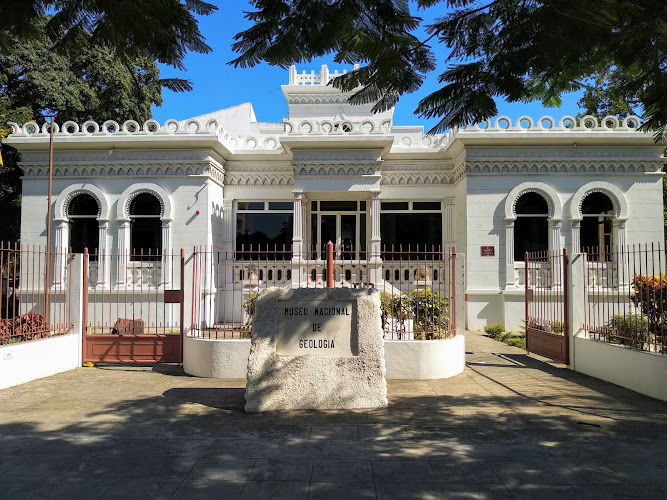
Museum of Geology
About Museum of Geology
Description
The Museum of Geology in Maputo is one of those places that quietly surprises you. From the outside, its Manueline-style façade gives off an old-world charm—ornate, slightly weathered, and full of character. But step inside, and suddenly you’re surrounded by the deep, ancient story of the Earth itself. It’s not just another museum with glass cases and labels; it’s more like a time capsule that lets you peek into millions of years of geological history. I remember walking in on a warm afternoon, expecting a quick browse, and ending up spending hours just marveling at the colors and textures of the minerals. There’s something oddly humbling about holding your gaze on a rock that’s older than humanity itself.
The museum’s collection is beautifully curated, showcasing Mozambique’s rich geological diversity—minerals that shimmer in unexpected hues, fossils that hint at prehistoric life, and local rock formations that tell stories of shifting continents. The lighting is soft, almost reverent, and that makes the displays feel alive. Some exhibits might look simple at first glance, but when you read about their origins, you realize how connected everything is—the land, the people, and the natural resources that have shaped the country’s history.
It’s not a massive museum, and that’s part of its charm. You can take your time without feeling rushed or overwhelmed. The staff are friendly and genuinely passionate about geology, which makes the experience even better. It’s the kind of place that appeals to both curious travelers and science enthusiasts. Sure, a few displays could use an update, and the signage isn’t always perfect, but somehow that adds to its authenticity. It feels real, not over-polished. And if you’re traveling with kids, they’ll love it too—especially the fossils and sparkling stones that catch the light just right.
Key Features
- Extensive collection of local minerals, rocks, and fossils that reflect Mozambique’s geological heritage.
- Housed in a Manueline-style building, offering a blend of historical architecture and scientific exploration.
- Educational exhibits explaining the formation of Mozambique’s natural resources and landscapes.
- Interactive displays and informative panels suitable for both adults and children.
- Wheelchair-accessible restrooms and general accessibility for visitors with mobility needs.
- Knowledgeable staff who are happy to explain the history behind the exhibits and answer questions.
- Quiet, well-maintained environment—ideal for travelers seeking a thoughtful, educational experience.
Best Time to Visit
If you ask me, mornings are the best time to visit the Museum of Geology. The air is cooler, the halls are quieter, and you can really take your time wandering through the exhibits without the usual afternoon bustle. Maputo’s weather can get quite warm, especially from November to March, so visiting earlier in the day helps you stay comfortable. The museum is open year-round, but if you’re planning a broader trip around Mozambique, the dry season—from May to September—is perfect for sightseeing. During those months, the city feels more relaxed, and you’ll find it easier to combine your museum visit with a stroll through nearby cultural spots or cafés.
And here’s a small tip from experience—try visiting on a weekday. Weekends can get a bit lively with school groups and families, which is great if you love that kind of energy, but if you’re after a more reflective experience, weekdays are ideal. The natural light filtering through the building’s old windows in the morning gives everything a soft glow that makes the minerals sparkle even more. It’s a quiet kind of magic.
How to Get There
Getting to the Museum of Geology is pretty straightforward if you’re staying in central Maputo. Most travelers prefer taking a taxi or a rideshare since parking can be tricky in the area. If you’re feeling adventurous, local minibuses—known as chapas—are an option, though they can be a bit chaotic if you’re not used to them. I once hopped on one just to see what it was like, and while it was crowded, it gave me a glimpse of everyday city life that taxis just can’t offer.
If you’re walking, the route is pleasant enough, especially in the cooler months. The museum sits near other attractions, so you can easily make it part of a day exploring Maputo’s cultural and historical sites. Just remember to bring some water and sunscreen—it’s Mozambique, after all, and the sun doesn’t play around.
For international visitors, most hotels can arrange a quick transfer or provide directions. The roads are generally in good condition, though traffic can get busy during rush hours. Plan ahead, and you’ll have no trouble finding your way.
Tips for Visiting
First things first—get your tickets in advance if possible. It’s not that the museum is always packed, but it saves you time and ensures you don’t miss out if there’s a special exhibit or event happening. The entry fee is quite reasonable, and honestly, it’s worth every bit for what you get to see.
- Take your time: Don’t rush through the exhibits. Each display tells a story, and you’ll appreciate it more if you slow down and read the details.
- Ask questions: The staff love sharing insights. I once asked about a particular quartz sample, and the guide ended up telling me about Mozambique’s mining history for twenty minutes—it was fascinating.
- Bring a camera: Photography is usually allowed, and some of the mineral displays make for stunning shots. Just be respectful of any no-photo areas.
- Stay hydrated: There’s no restaurant on-site, but you’ll find cafés nearby. Bring a bottle of water, especially if you’re visiting during the hotter months.
- Accessibility: The museum is wheelchair accessible, with restrooms designed for visitors with mobility needs.
- Good for kids: If you’re traveling as a family, this is a great stop. Kids are often fascinated by the fossils and shiny stones, and the museum’s layout is easy to navigate.
One thing I really appreciate about this museum is how it balances education and wonder. It doesn’t try too hard to impress—it just presents nature’s beauty as it is. And that’s powerful. You leave feeling a little more connected to the planet, maybe even a bit more curious about the ground beneath your feet.
So if you’re planning a trip to Maputo and want to do something beyond the usual beaches and markets, set aside a couple of hours for the Museum of Geology. It’s a quiet gem (pun intended), a place where science meets art and history in the most unexpected way. And who knows—you might walk out not just with photos, but with a new appreciation for the world’s oldest storytellers: the rocks themselves.
Key Features
- Extensive collection of local minerals, rocks, and fossils that reflect Mozambique’s geological heritage.
- Housed in a Manueline-style building, offering a blend of historical architecture and scientific exploration.
- Educational exhibits explaining the formation of Mozambique’s natural resources and landscapes.
- Interactive displays and informative panels suitable for both adults and children.
- Wheelchair-accessible restrooms and general accessibility for visitors with mobility needs.
- Knowledgeable staff who are happy to explain the history behind the exhibits and answer questions.
- Quiet, well-maintained environment—ideal for travelers seeking a thoughtful, educational experience.
More Details
Updated October 11, 2025
Table of Contents
Description
The Museum of Geology in Maputo is one of those places that quietly surprises you. From the outside, its Manueline-style façade gives off an old-world charm—ornate, slightly weathered, and full of character. But step inside, and suddenly you’re surrounded by the deep, ancient story of the Earth itself. It’s not just another museum with glass cases and labels; it’s more like a time capsule that lets you peek into millions of years of geological history. I remember walking in on a warm afternoon, expecting a quick browse, and ending up spending hours just marveling at the colors and textures of the minerals. There’s something oddly humbling about holding your gaze on a rock that’s older than humanity itself.
The museum’s collection is beautifully curated, showcasing Mozambique’s rich geological diversity—minerals that shimmer in unexpected hues, fossils that hint at prehistoric life, and local rock formations that tell stories of shifting continents. The lighting is soft, almost reverent, and that makes the displays feel alive. Some exhibits might look simple at first glance, but when you read about their origins, you realize how connected everything is—the land, the people, and the natural resources that have shaped the country’s history.
It’s not a massive museum, and that’s part of its charm. You can take your time without feeling rushed or overwhelmed. The staff are friendly and genuinely passionate about geology, which makes the experience even better. It’s the kind of place that appeals to both curious travelers and science enthusiasts. Sure, a few displays could use an update, and the signage isn’t always perfect, but somehow that adds to its authenticity. It feels real, not over-polished. And if you’re traveling with kids, they’ll love it too—especially the fossils and sparkling stones that catch the light just right.
Key Features
- Extensive collection of local minerals, rocks, and fossils that reflect Mozambique’s geological heritage.
- Housed in a Manueline-style building, offering a blend of historical architecture and scientific exploration.
- Educational exhibits explaining the formation of Mozambique’s natural resources and landscapes.
- Interactive displays and informative panels suitable for both adults and children.
- Wheelchair-accessible restrooms and general accessibility for visitors with mobility needs.
- Knowledgeable staff who are happy to explain the history behind the exhibits and answer questions.
- Quiet, well-maintained environment—ideal for travelers seeking a thoughtful, educational experience.
Best Time to Visit
If you ask me, mornings are the best time to visit the Museum of Geology. The air is cooler, the halls are quieter, and you can really take your time wandering through the exhibits without the usual afternoon bustle. Maputo’s weather can get quite warm, especially from November to March, so visiting earlier in the day helps you stay comfortable. The museum is open year-round, but if you’re planning a broader trip around Mozambique, the dry season—from May to September—is perfect for sightseeing. During those months, the city feels more relaxed, and you’ll find it easier to combine your museum visit with a stroll through nearby cultural spots or cafés.
And here’s a small tip from experience—try visiting on a weekday. Weekends can get a bit lively with school groups and families, which is great if you love that kind of energy, but if you’re after a more reflective experience, weekdays are ideal. The natural light filtering through the building’s old windows in the morning gives everything a soft glow that makes the minerals sparkle even more. It’s a quiet kind of magic.
How to Get There
Getting to the Museum of Geology is pretty straightforward if you’re staying in central Maputo. Most travelers prefer taking a taxi or a rideshare since parking can be tricky in the area. If you’re feeling adventurous, local minibuses—known as chapas—are an option, though they can be a bit chaotic if you’re not used to them. I once hopped on one just to see what it was like, and while it was crowded, it gave me a glimpse of everyday city life that taxis just can’t offer.
If you’re walking, the route is pleasant enough, especially in the cooler months. The museum sits near other attractions, so you can easily make it part of a day exploring Maputo’s cultural and historical sites. Just remember to bring some water and sunscreen—it’s Mozambique, after all, and the sun doesn’t play around.
For international visitors, most hotels can arrange a quick transfer or provide directions. The roads are generally in good condition, though traffic can get busy during rush hours. Plan ahead, and you’ll have no trouble finding your way.
Tips for Visiting
First things first—get your tickets in advance if possible. It’s not that the museum is always packed, but it saves you time and ensures you don’t miss out if there’s a special exhibit or event happening. The entry fee is quite reasonable, and honestly, it’s worth every bit for what you get to see.
- Take your time: Don’t rush through the exhibits. Each display tells a story, and you’ll appreciate it more if you slow down and read the details.
- Ask questions: The staff love sharing insights. I once asked about a particular quartz sample, and the guide ended up telling me about Mozambique’s mining history for twenty minutes—it was fascinating.
- Bring a camera: Photography is usually allowed, and some of the mineral displays make for stunning shots. Just be respectful of any no-photo areas.
- Stay hydrated: There’s no restaurant on-site, but you’ll find cafés nearby. Bring a bottle of water, especially if you’re visiting during the hotter months.
- Accessibility: The museum is wheelchair accessible, with restrooms designed for visitors with mobility needs.
- Good for kids: If you’re traveling as a family, this is a great stop. Kids are often fascinated by the fossils and shiny stones, and the museum’s layout is easy to navigate.
One thing I really appreciate about this museum is how it balances education and wonder. It doesn’t try too hard to impress—it just presents nature’s beauty as it is. And that’s powerful. You leave feeling a little more connected to the planet, maybe even a bit more curious about the ground beneath your feet.
So if you’re planning a trip to Maputo and want to do something beyond the usual beaches and markets, set aside a couple of hours for the Museum of Geology. It’s a quiet gem (pun intended), a place where science meets art and history in the most unexpected way. And who knows—you might walk out not just with photos, but with a new appreciation for the world’s oldest storytellers: the rocks themselves.
Key Highlights
- Extensive collection of local minerals, rocks, and fossils that reflect Mozambique’s geological heritage.
- Housed in a Manueline-style building, offering a blend of historical architecture and scientific exploration.
- Educational exhibits explaining the formation of Mozambique’s natural resources and landscapes.
- Interactive displays and informative panels suitable for both adults and children.
- Wheelchair-accessible restrooms and general accessibility for visitors with mobility needs.
- Knowledgeable staff who are happy to explain the history behind the exhibits and answer questions.
- Quiet, well-maintained environment—ideal for travelers seeking a thoughtful, educational experience.
Location
Places to Stay Near Museum of Geology
Find and Book a Tour
Explore More Travel Guides
No reviews found! Be the first to review!
Traveler Reviews for Museum of Geology
There are no reviews yet. Be the first one to write one.
Have you visited Museum of Geology? Help other travelers by sharing your review.
You Might Also Like
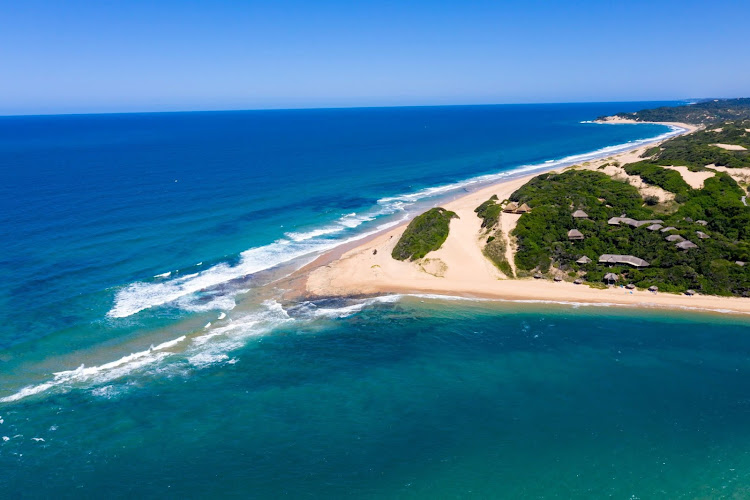
Moz Camp Adventures
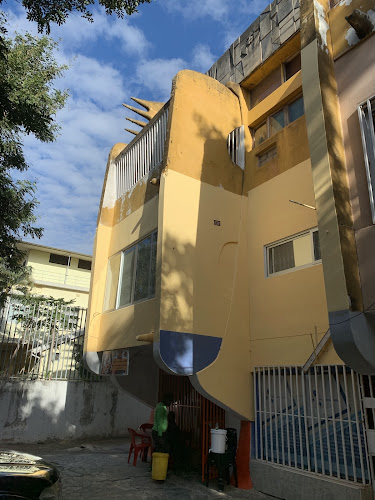
The Smiling Lion

Saint Anthony Catholic Church
Find Accommodations Nearby
Recommended Tours & Activities
Visitor Reviews
There are no reviews yet. Be the first one to write one.
Share Your Experience
Have you visited Museum of Geology? Help other travelers by leaving a review.