
Rongcheng District
About Rongcheng District
Description
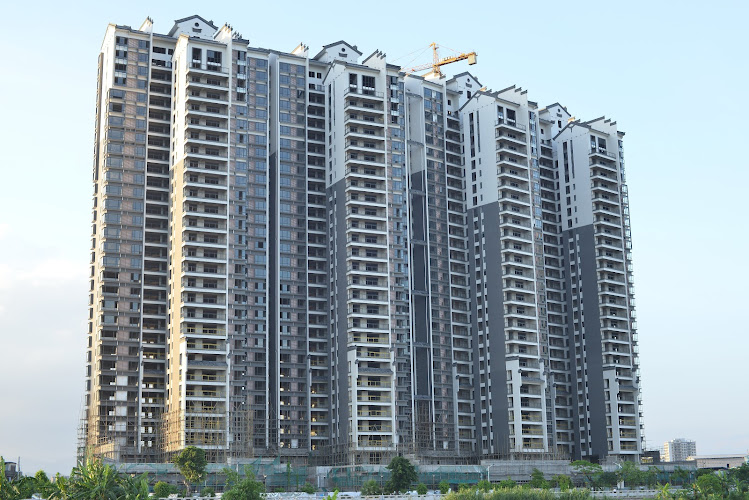
Rongcheng District, tucked along the winding Rong River in eastern Guangdong, has that quiet, old-soul charm that travelers often stumble upon when they least expect it. It’s part of Jieyang City, and though it’s not as loud or flashy as the bigger names in China’s south, it’s got a warmth that sticks with you. The district stretches roughly 13.5 kilometers across and 14 kilometers from top to bottom, covering just over 91 square kilometers. But within that space lies a blend of ancient culture, traditional markets, and those little street corners where time feels slower, like it’s taking a deep breath.
What makes Rongcheng so interesting is how it balances its deep-rooted history with the pulse of everyday life. You’ll still find old temples with faded red paint, fishermen tending to their nets by the river, and families selling handmade snacks that taste like they’ve been perfected over centuries. And yet, there’s also this quiet hum of progress — small cafés, boutique shops, and young locals carving out their own modern rhythm. I remember wandering through one of its narrow lanes one afternoon, the kind of place where you can smell incense, hear the chatter of mahjong tiles, and catch the faint sound of a scooter zipping by. It’s not polished, and that’s exactly why it feels real.
Travelers who appreciate authenticity — not the glossy, tourist-friendly version of it — will find Rongcheng refreshing. The people here are kind but reserved, and there’s a sense that life moves according to its own steady beat. It’s a place where you can still see traditional Teochew architecture, eat rice noodles that taste like home cooking, and watch the colors of the river shift with the light. Some might say it’s a little rough around the edges, and maybe it is, but that’s part of its charm. It’s honest, grounded, and quietly beautiful.
Key Features
- Rich cultural heritage with deep Teochew roots, reflected in architecture, food, and dialect.
- Historic temples and ancestral halls that tell stories of local families and centuries-old traditions.
- Markets filled with handmade goods, fresh produce, and authentic street food.
- Scenic views along the Rong River, ideal for photography and peaceful walks.
- Strong connection to traditional crafts like paper cutting, wood carving, and porcelain art.
- Local festivals that celebrate regional customs and community spirit.
- Easy access to nearby attractions in Jieyang and the wider Chaoshan region.
Best Time to Visit
Spring and autumn are hands down the best times to visit Rongcheng. From March to May, the weather is pleasantly warm, and the air carries that faint sweetness you only get after a light rain. October and November are also lovely — the humidity drops, skies clear up, and you can explore without feeling like you’re melting into the pavement. Summer can be a bit intense, with high humidity and the occasional typhoon warning, but if you don’t mind the heat, it’s when local life feels most alive. I once visited during the Dragon Boat Festival in June, and though I was sweating through my shirt, the energy was incredible — drums echoing across the river, kids cheering, and the smell of zongzi floating in the air.
Winter, on the other hand, is mild. You’ll need a light jacket in the evenings, but it’s nothing harsh. It’s also when the district feels quieter, almost contemplative. Perfect if you’re the kind of traveler who enjoys slow mornings and long walks without crowds. The light during winter afternoons has this golden softness that makes the old rooftops and riverbanks look almost poetic.
How to Get There
Getting to Rongcheng is fairly straightforward, though it depends on where you’re coming from. If you’re flying in, Jieyang Chaoshan International Airport is the nearest major hub, about an hour’s drive away. From there, taxis and local buses can take you straight into the district. For those already in Guangdong, high-speed trains run to Jieyang Station, connecting from cities like Guangzhou, Shenzhen, and Shantou. Once you’re in Jieyang, local transport — think small buses and motorbike taxis — can get you around easily.
Driving is another option if you prefer flexibility. The roads are generally well-maintained, and having your own vehicle means you can explore nearby villages and countryside spots that aren’t on the usual tourist radar. Just be ready for narrow streets and the occasional scooter darting out of nowhere — driving here can be a bit of an adventure in itself. I once got mildly lost on a back road and ended up at a tiny riverside teahouse where the owner insisted I try his homemade oolong. Getting lost turned out to be the best part of the day.
Tips for Visiting
First off, take your time. Rongcheng isn’t the kind of place you rush through. Spend at least two or three days to really soak it in — walk the old streets, chat with locals if you can (a few words in Teochew go a long way), and try everything that looks remotely edible. The food here is incredible, especially the seafood and traditional snacks. Don’t be afraid to eat at small family-run spots; they often serve the most memorable meals.
Bring cash. While digital payments are everywhere in China, smaller vendors in Rongcheng sometimes still prefer old-fashioned yuan notes. Also, wear comfortable shoes — the streets can be uneven, and you’ll want to wander freely. If you’re into photography, mornings and late afternoons are magic hours. The way the sunlight hits the river and the tiled roofs is something you’ll want to capture again and again.
One more thing — be respectful of local customs, especially around temples and older community areas. The people here take pride in their traditions, and a little courtesy goes a long way. Avoid loud behavior in sacred spaces, and if you’re taking photos, always ask first. And don’t skip the night markets! They’re not huge, but the atmosphere is warm, lively, and full of surprises. Try the sweet taro cakes or the oyster omelets — trust me on that one.
To sum it up, Rongcheng District isn’t trying to impress anyone. It just is — quietly confident, deeply rooted, and full of stories waiting to be uncovered. It’s the kind of place that grows on you, where the details matter more than the big attractions. If you’re looking for a slice of authentic Guangdong life, far from the tourist rush, this is where you’ll find it. And maybe, like me, you’ll leave with a few unexpected memories — the kind that linger long after the trip ends.
Key Features
- Rich cultural heritage with deep Teochew roots, reflected in architecture, food, and dialect.
- Historic temples and ancestral halls that tell stories of local families and centuries-old traditions.
- Markets filled with handmade goods, fresh produce, and authentic street food.
- Scenic views along the Rong River, ideal for photography and peaceful walks.
- Strong connection to traditional crafts like paper cutting, wood carving, and porcelain art.
- Local festivals that celebrate regional customs and community spirit.
- Easy access to nearby attractions in Jieyang and the wider Chaoshan region.
You Might Also Like
Jieyang
Jieyang Linchang No.5 Team
Puning
Tours & Activities
GetYourGuide provides this tour inventory. We may earn a commission if you book through it; verify current availability, prices, and terms with the provider.
Visitor Reviews
There are no reviews yet. Be the first one to write one.
Share Your Experience
Have you visited Rongcheng District? Help other travelers by leaving a review.