
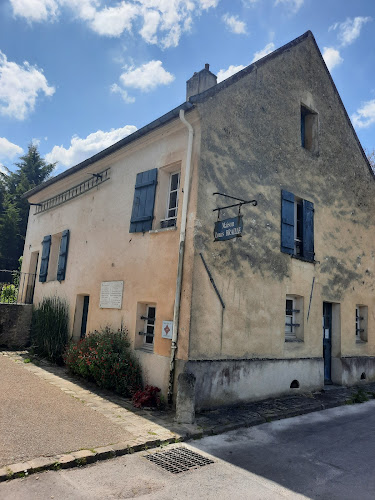
Louis Braille Museum
About Louis Braille Museum
Description
The Louis Braille Museum, housed in the 18th-century birthplace of its namesake innovator, stands as a testament to one of history's most transformative inventions. As I walked through the rooms of this beautifully preserved Briarde house where Louis Braille was born in 1809, I couldn't help but feel moved by the profound impact one person's innovation has had on millions of lives worldwide. This isn't your typical museum experience - it's an immersive journey into the world of touch, sound, and sensation. The museum brings to life the story of Louis Braille, the brilliant mind who revolutionized reading and writing for blind people globally. Each room tells a chapter of his remarkable journey, from his childhood accident that led to blindness, to his groundbreaking development of the six-dot system we now know as braille.Key Features
• Original living quarters preserved from the 1800s, including the workshop where Louis's father worked as a harness maker • Interactive exhibits where visitors can learn and practice writing in braille • Sensory experiences that simulate vision impairment to build empathy and understanding • Historical artifacts and personal belongings of Louis Braille • Multi-sensory garden designed for both sighted and visually impaired visitors • Special exhibitions showcasing the evolution of assistive technologies • Educational workshops focusing on the five senses • Authentic period furniture and household items from the early 19th centuryBest Time to Visit
I'd say spring and early fall offer the most pleasant experience at the Louis Braille Museum. The weather's just right for exploring both the indoor exhibits and the sensory garden. Summer months can get pretty busy with school groups and tourists, so you might wanna plan your visit during weekday mornings if possible. Winter visits have their own charm - the cozy historical setting feels especially atmospheric during the colder months.How to Get There
Getting to the museum's pretty straightforward from Paris. You can catch a train from Paris Est station to the nearby town, and then it's just a short taxi ride to the museum. If you're driving, the museum's about 40 minutes east of Paris, with plenty of parking available on site. I actually prefer taking public transport - it gives you time to read up on Louis Braille's fascinating story before arriving.Tips for Visiting
Ya know what? There's a few things I wish someone had told me before my first visit. First off, book your guided tour in advance - trust me, it's worth it. The guides really bring the whole experience to life with stories and insights you'd miss otherwise. Give yourself at least 2-3 hours to really soak it all in. The hands-on activities, especially learning to write in braille, take time but they're super rewarding. Don't rush through them! Consider visiting during one of their special workshops - they sometimes offer unique experiences like navigating in complete darkness or participating in sensory awareness sessions. These aren't always advertised widely, so maybe give them a call ahead of time to check what's on. Bring a notebook - you might wanna jot down some of the fascinating facts about braille's development. And hey, the gift shop's got some pretty cool tactile books and braille-related items that make unique souvenirs. If you're visiting with kids, grab one of their special activity sheets at the entrance. It keeps the little ones engaged while they learn about this incredible piece of history. And don't skip the sensory garden - it's especially amazing in late spring when everything's in bloom. Oh, and one last thing - they've done a great job making the museum accessible for visitors with disabilities, but if you have specific needs, it's worth giving them a heads-up before your visit. The staff are super accommodating and will make sure you get the most outta your experience. Remember to silence your phone during the sensory experiences - it really helps you connect with what it might be like to navigate the world without sight. And believe me, you'll want to fully immerse yourself in this eye-opening experience that celebrates one of history's most impactful innovations.Key Features
- Key Features
- Best Time to Visit
- How to Get There
- Tips for Visiting
More Details
Updated May 28, 2025
Table of Contents
Description
The Louis Braille Museum, housed in the 18th-century birthplace of its namesake innovator, stands as a testament to one of history’s most transformative inventions. As I walked through the rooms of this beautifully preserved Briarde house where Louis Braille was born in 1809, I couldn’t help but feel moved by the profound impact one person’s innovation has had on millions of lives worldwide.
This isn’t your typical museum experience – it’s an immersive journey into the world of touch, sound, and sensation. The museum brings to life the story of Louis Braille, the brilliant mind who revolutionized reading and writing for blind people globally. Each room tells a chapter of his remarkable journey, from his childhood accident that led to blindness, to his groundbreaking development of the six-dot system we now know as braille.
Key Features
• Original living quarters preserved from the 1800s, including the workshop where Louis’s father worked as a harness maker
• Interactive exhibits where visitors can learn and practice writing in braille
• Sensory experiences that simulate vision impairment to build empathy and understanding
• Historical artifacts and personal belongings of Louis Braille
• Multi-sensory garden designed for both sighted and visually impaired visitors
• Special exhibitions showcasing the evolution of assistive technologies
• Educational workshops focusing on the five senses
• Authentic period furniture and household items from the early 19th century
Best Time to Visit
I’d say spring and early fall offer the most pleasant experience at the Louis Braille Museum. The weather’s just right for exploring both the indoor exhibits and the sensory garden. Summer months can get pretty busy with school groups and tourists, so you might wanna plan your visit during weekday mornings if possible. Winter visits have their own charm – the cozy historical setting feels especially atmospheric during the colder months.
How to Get There
Getting to the museum’s pretty straightforward from Paris. You can catch a train from Paris Est station to the nearby town, and then it’s just a short taxi ride to the museum. If you’re driving, the museum’s about 40 minutes east of Paris, with plenty of parking available on site. I actually prefer taking public transport – it gives you time to read up on Louis Braille’s fascinating story before arriving.
Tips for Visiting
Ya know what? There’s a few things I wish someone had told me before my first visit. First off, book your guided tour in advance – trust me, it’s worth it. The guides really bring the whole experience to life with stories and insights you’d miss otherwise.
Give yourself at least 2-3 hours to really soak it all in. The hands-on activities, especially learning to write in braille, take time but they’re super rewarding. Don’t rush through them!
Consider visiting during one of their special workshops – they sometimes offer unique experiences like navigating in complete darkness or participating in sensory awareness sessions. These aren’t always advertised widely, so maybe give them a call ahead of time to check what’s on.
Bring a notebook – you might wanna jot down some of the fascinating facts about braille’s development. And hey, the gift shop’s got some pretty cool tactile books and braille-related items that make unique souvenirs.
If you’re visiting with kids, grab one of their special activity sheets at the entrance. It keeps the little ones engaged while they learn about this incredible piece of history. And don’t skip the sensory garden – it’s especially amazing in late spring when everything’s in bloom.
Oh, and one last thing – they’ve done a great job making the museum accessible for visitors with disabilities, but if you have specific needs, it’s worth giving them a heads-up before your visit. The staff are super accommodating and will make sure you get the most outta your experience.
Remember to silence your phone during the sensory experiences – it really helps you connect with what it might be like to navigate the world without sight. And believe me, you’ll want to fully immerse yourself in this eye-opening experience that celebrates one of history’s most impactful innovations.
Key Highlights
- Key Features
- Best Time to Visit
- How to Get There
- Tips for Visiting
Location
Places to Stay Near Louis Braille Museum
Find and Book a Tour
Explore More Travel Guides
No reviews found! Be the first to review!
Traveler Reviews for Louis Braille Museum
There are no reviews yet. Be the first one to write one.
Have you visited Louis Braille Museum? Help other travelers by sharing your review.
You Might Also Like

Kids Paradis Toulouse - Agency De Garde Children At Home
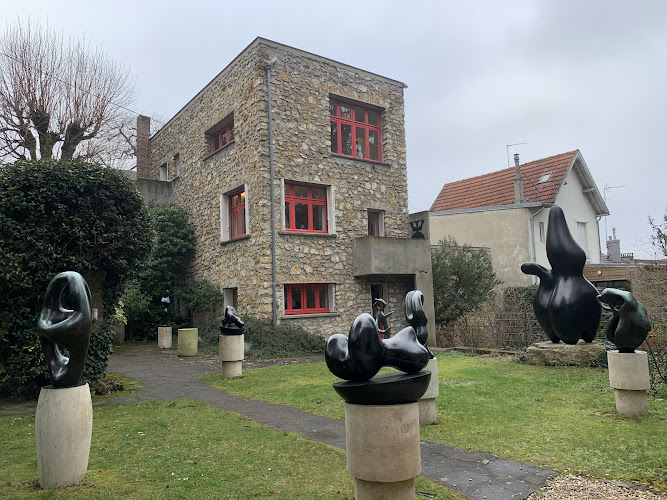
Fondation Arp
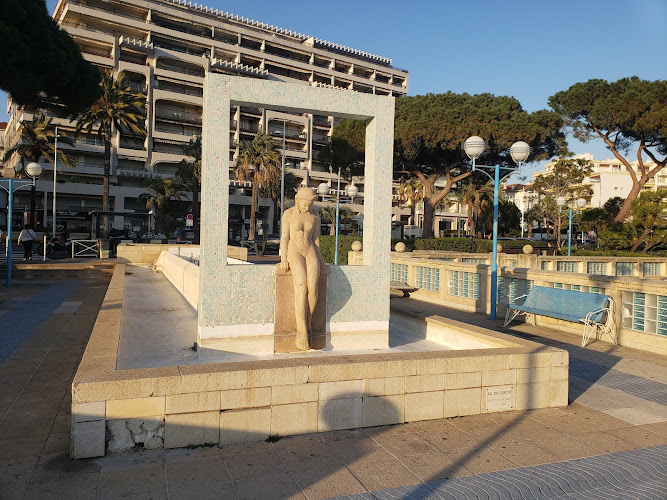
Statue - La Baigneuse
Find Accommodations Nearby
Recommended Tours & Activities
Visitor Reviews
There are no reviews yet. Be the first one to write one.
Share Your Experience
Have you visited Louis Braille Museum? Help other travelers by leaving a review.