
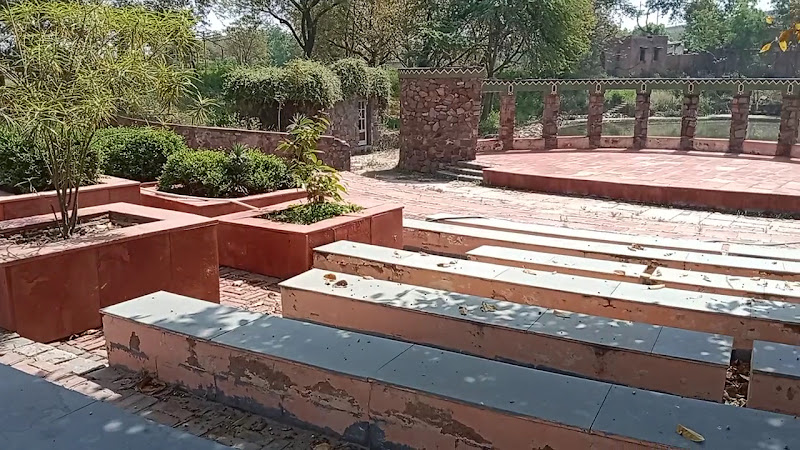
Azad Hind Gram
About Azad Hind Gram
Azad Hind Gram is a well-regarded tourist information center located in Mundka. With a rating of 4.1 out of 5, it stands out as one of the top-rated tourist information centers in the area.
Location
You can find Azad Hind Gram at National Highway 10, Tikri Kalan, Delhi, 110041印度.
Visiting Azad Hind Gram
Located in Mundka, Azad Hind Gram is a tourist information center that visitors to the area may find worth exploring.
Planning Your Visit
The tourist information center is located at National Highway 10, Tikri Kalan, Delhi, 110041印度. GPS coordinates: 28.686228, 76.980997. Check locally for current opening hours and any admission fees before visiting.
More Details
Updated June 4, 2026
Azad Hind Gram is a well-regarded tourist information center located in Mundka. With a rating of 4.1 out of 5, it stands out as one of the top-rated tourist information centers in the area.
Table of Contents
- Location
- Visiting Azad Hind Gram
- Planning Your Visit
- Location
- Places to Stay Near Azad Hind Gram
- Find and Book a Tour
- Explore More Travel Guides
- A Living Museum of Rural India
- Traditional Architecture and Design
- Organic Farming and Agricultural Exhibits
- Artisan Workshops and Craft Demonstrations
- Cultural Programs and Educational Activities
- Community Development Models
- Visiting Experience and Practical Information
- Best Time to Visit
- Getting There and Location
- Tips for Your Visit
- Traveler Reviews for Azad Hind Gram
- Share Your Experience
Location
You can find Azad Hind Gram at National Highway 10, Tikri Kalan, Delhi, 110041印度.
Visiting Azad Hind Gram
Located in Mundka, Azad Hind Gram is a tourist information center that visitors to the area may find worth exploring.
Planning Your Visit
The tourist information center is located at National Highway 10, Tikri Kalan, Delhi, 110041印度. GPS coordinates: 28.686228, 76.980997. Check locally for current opening hours and any admission fees before visiting.
Location
Places to Stay Near Azad Hind Gram
Find and Book a Tour
Explore More Travel Guides
No reviews found! Be the first to review!
A Living Museum of Rural India
Azad Hind Gram represents a fascinating concept in cultural preservation and sustainable development, showcasing the rich heritage of rural India within the bustling metropolis of New Delhi. This unique cultural complex serves as both an educational center and a living demonstration of traditional village life, offering visitors an authentic glimpse into the customs, crafts, and sustainable practices that have sustained Indian communities for generations.
The name “Azad Hind Gram” translates to “Free India Village,” reflecting the center’s mission to celebrate and preserve the authentic spirit of rural Indian culture. Through carefully reconstructed village settings and ongoing cultural programs, the complex bridges the gap between urban and rural experiences, making traditional knowledge accessible to city dwellers and international visitors alike.
Traditional Architecture and Design
The complex features meticulously recreated traditional architecture from various regions of India, showcasing the diversity of rural building techniques and materials. You’ll encounter mud-brick houses with thatched roofs, courtyards designed for community gatherings, and specialized structures for grain storage and craft work.
Each building demonstrates time-tested principles of sustainable construction, including:
- Natural ventilation systems that keep interiors cool without electricity
- Rainwater harvesting structures integrated into the design
- Use of locally sourced materials like bamboo, mud, and straw
- Elevated granaries that protect stored food from pests and flooding
- Communal spaces that foster social interaction and community decision-making
The architectural diversity represented here reflects India’s rich regional variations, from the decorative mud work of Gujarat to the stilted houses of Assam, each adapted to local climate and cultural needs.
Organic Farming and Agricultural Exhibits
One of the most compelling aspects of Azad Hind Gram is its working organic farm, which demonstrates traditional and modern sustainable farming techniques. Visitors can observe crop rotation methods, natural pest management, and irrigation systems that have sustained Indian agriculture for millennia.
The agricultural exhibits include heritage seed varieties, medicinal plant gardens, and demonstrations of traditional farming tools. You can learn about the intricate knowledge systems that farmers use to work in harmony with seasonal cycles and local ecosystems, skills that are increasingly relevant in discussions about sustainable agriculture and food security.
Artisan Workshops and Craft Demonstrations
The complex houses active workshops where traditional artisans practice and teach their crafts. You can observe pottery being shaped on traditional wheels, textiles being woven on handlooms, and metalwork being forged using techniques passed down through generations.
These workshops serve multiple purposes: preserving endangered craft traditions, providing livelihoods for skilled artisans, and educating visitors about the complexity and beauty of handmade products. Many items created in these workshops are available for purchase, supporting the artisans and providing authentic souvenirs that tell meaningful stories.
Cultural Programs and Educational Activities
Azad Hind Gram regularly hosts cultural programs that bring rural traditions to life through music, dance, storytelling, and seasonal celebrations. These events provide context for understanding how cultural practices are woven into the fabric of daily rural life.
Educational programs cater to different audiences, from school groups learning about their cultural heritage to international visitors gaining insights into Indian civilization. Workshops on topics like natural building techniques, organic gardening, and traditional crafts offer hands-on learning experiences that connect theory with practice.
Community Development Models
Beyond cultural preservation, Azad Hind Gram serves as a working model for community-driven development. The complex demonstrates how traditional knowledge can be combined with appropriate technology to address contemporary challenges like environmental degradation, economic inequality, and cultural loss.
Visitors can learn about successful rural development initiatives, including self-help groups, cooperative farming ventures, and eco-tourism projects that provide economic opportunities while preserving cultural and environmental resources.
Visiting Experience and Practical Information
Guided tours are available in multiple languages and typically last 2-3 hours, providing comprehensive insights into the various exhibits and ongoing projects. The guides often include rural development practitioners and cultural experts who can answer detailed questions about traditional practices and their contemporary relevance.
Interactive workshops allow visitors to try their hand at traditional crafts, participate in cooking demonstrations using traditional methods, or learn about sustainable living practices that can be adapted to urban environments.
Best Time to Visit
The complex is open year-round, though the cooler months from October to March offer the most comfortable conditions for exploring outdoor exhibits and participating in activities. During festival seasons, particularly around Diwali, Holi, and harvest festivals, the complex comes alive with special celebrations that showcase the cultural traditions in their full glory.
Early morning and late afternoon visits provide the best lighting for photography and the most comfortable temperatures for extended exploration.
Getting There and Location
Located within the National Capital Region, Azad Hind Gram is accessible by public transportation and private vehicles. The nearest metro stations and bus routes provide convenient access, though specific transportation details should be confirmed before visiting as urban development continues to change the area.
The complex offers parking facilities and is designed to accommodate visitors with different mobility needs, ensuring that the cultural and educational experiences are accessible to diverse audiences.
Tips for Your Visit
Wear comfortable walking shoes and clothing suitable for outdoor activities, as much of the experience involves exploring outdoor exhibits and participating in hands-on demonstrations. Bringing a hat and water bottle is advisable, especially during warmer months.
Consider purchasing handicrafts directly from the artisan workshops, as this supports traditional craft communities and provides authentic souvenirs with cultural significance. Many items are not available in commercial markets and represent genuine traditional techniques.
Allow sufficient time for your visit, as the complex offers rich educational content that benefits from unhurried exploration. Engaging with the guides and participating in workshops enhances the experience significantly beyond simply viewing the exhibits.
Traveler Reviews for Azad Hind Gram
There are no reviews yet. Be the first one to write one.
Have you visited Azad Hind Gram? Help other travelers by sharing your review.
Nearby Attractions
Find Accommodations Nearby
Recommended Tours & Activities
Visitor Reviews
There are no reviews yet. Be the first one to write one.
Share Your Experience
Have you visited Azad Hind Gram? Help other travelers by leaving a review.