
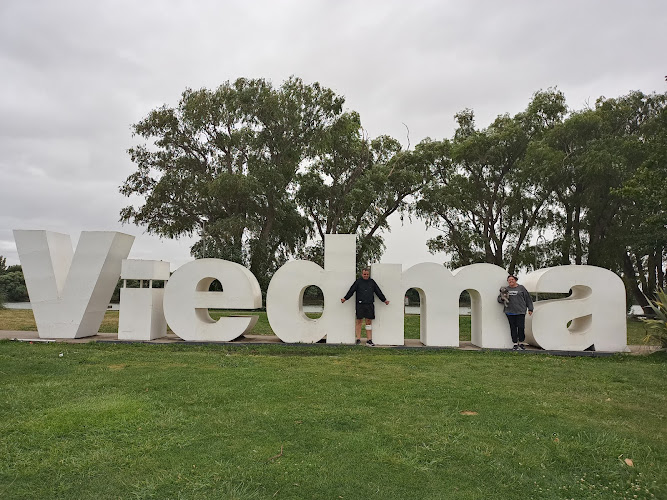
Monumento a Eva Duarte
About Monumento a Eva Duarte
Monumento a Eva Duarte is a monument located in Viedma.
Location
You can find Monumento a Eva Duarte at Av. Villarino 300, Viedma, Río Negro, Argentina.
Historical Significance
Monumento a Eva Duarte is a monument of historical significance in Viedma. It offers visitors a glimpse into the area heritage and history.
Planning Your Visit
The monument is located at Av. Villarino 300, Viedma, Río Negro, Argentina. GPS coordinates: -40.805003, -62.989423. Check locally for current opening hours and any admission fees before visiting.
More Details
Updated June 4, 2026
Monumento a Eva Duarte is a monument located in Viedma.
Table of Contents
- Location
- Historical Significance
- Planning Your Visit
- Location
- Places to Stay Near Monumento a Eva Duarte
- Find and Book a Tour
- Explore More Travel Guides
- Honoring Argentina’s Beloved First Lady
- The Woman Behind the Monument
- Monument Design and Symbolism
- Cultural and Historical Context
- Visiting the Monument
- Best Time to Visit
- Exploring the Surrounding Area
- Getting There and Practical Tips
- Nearby Places You Might Like
- Traveler Reviews for Monumento a Eva Duarte
- Share Your Experience
Location
You can find Monumento a Eva Duarte at Av. Villarino 300, Viedma, Río Negro, Argentina.
Historical Significance
Monumento a Eva Duarte is a monument of historical significance in Viedma. It offers visitors a glimpse into the area heritage and history.
Planning Your Visit
The monument is located at Av. Villarino 300, Viedma, Río Negro, Argentina. GPS coordinates: -40.805003, -62.989423. Check locally for current opening hours and any admission fees before visiting.
Location
Places to Stay Near Monumento a Eva Duarte
Find and Book a Tour
Explore More Travel Guides
No reviews found! Be the first to review!
Honoring Argentina’s Beloved First Lady
Standing proudly in the heart of Viedma, the Monumento a Eva Duarte pays tribute to one of Argentina’s most influential and beloved figures. This striking bronze statue captures Eva Perón in a moment of determined grace, her expression reflecting the fierce dedication she brought to championing workers’ rights and women’s suffrage during her brief but transformative life.
The monument serves as more than just a memorial; it’s a focal point for understanding the profound impact Eva Perón had on Argentine society and politics. Her legacy resonates deeply in this region of Patagonia, where her advocacy for the disenfranchised continues to inspire social justice movements today.
The Woman Behind the Monument
Born María Eva Duarte in rural poverty, she transformed herself into one of the most powerful women in Latin American history. As the wife of President Juan Perón, she became known simply as “Evita” to millions of Argentines who saw her as their champion against social inequality.
Eva’s revolutionary work included establishing the Eva Perón Foundation, which built hospitals, schools, and homes for workers. She fought tirelessly for women’s suffrage, achieved in 1947, and advocated for labor rights that improved conditions for countless Argentine families. Her death from cancer at age 33 in 1952 devastated the nation, but her legacy endures in monuments like this one.
Monument Design and Symbolism
The statue depicts Eva in one of her characteristic poses from her public speeches, with her head held high and her stance conveying both strength and compassion. The bronze material has developed a beautiful patina over the years, creating depth and character that mirrors Eva’s complex personality.
Surrounding the statue, you’ll find engraved quotes from her speeches and writings, including her famous words about fighting for the rights of workers and women. The plaza setting encourages visitors to sit and reflect on her contributions while observing the daily life of Viedma residents who continue to benefit from the social programs she championed.
Cultural and Historical Context
Viedma, as the capital of Río Negro province, holds special significance in Eva Perón’s story. The Patagonian region was among those that benefited most from her social programs, receiving schools, hospitals, and infrastructure that connected remote communities to the broader Argentine nation.
The monument was erected as part of nationwide efforts to commemorate Eva’s centennial, reflecting how her legacy transcends political divisions. Even today, Argentines across the political spectrum acknowledge her role in advancing social justice and gender equality, making this monument a unifying symbol rather than a divisive one.
Visiting the Monument
The plaza surrounding the monument offers bench seating and shaded areas perfect for contemplating Eva’s remarkable life story. You’ll often find fresh flowers placed at the base of the statue by visitors who continue to draw inspiration from her example.
Information plaques in Spanish provide historical context about Eva’s life and achievements, though bringing a translation app or guidebook can enhance your understanding if you don’t speak the language. The monument is beautifully illuminated in the evening, creating a dramatic atmosphere for photography.
Best Time to Visit
The monument is accessible year-round, though spring and autumn offer the most comfortable weather for spending extended time in the plaza. On July 26th, Eva’s death anniversary, you may witness memorial ceremonies and flower-laying tributes that demonstrate her enduring impact on Argentine society.
During the summer months (December through February), the extended daylight hours allow for evening visits when the setting sun creates beautiful lighting for photography and reflection.
Exploring the Surrounding Area
Viedma’s city center offers several other cultural and historical sites within walking distance of the monument. The nearby cathedral and municipal buildings showcase the region’s architectural heritage, while the costanera (waterfront promenade) along the Río Negro provides scenic views and recreational opportunities.
Consider combining your visit with a stop at the Museo Salesiano Cardenal Cagliero, which houses artifacts related to Patagonian history and indigenous cultures. The local artisan markets often feature crafts and products that reflect the region’s cultural identity and Eva’s emphasis on supporting local workers and artisans.
Getting There and Practical Tips
The monument is centrally located in Viedma, easily accessible on foot from most hotels and tourist accommodations. Public transportation and taxis can bring you within a short walking distance if you’re staying further from the city center.
Photography is encouraged, and the monument provides an excellent backdrop for understanding Argentina’s complex political and social history. Consider visiting both during the day and evening to appreciate how different lighting conditions affect the statue’s appearance and emotional impact.
Local cafés and restaurants near the plaza offer opportunities to engage with residents about Eva Perón’s continuing influence on Argentine society. Many locals are happy to share stories passed down through families about how her programs affected their communities.
Traveler Reviews for Monumento a Eva Duarte
There are no reviews yet. Be the first one to write one.
Have you visited Monumento a Eva Duarte? Help other travelers by sharing your review.
Nearby Attractions
You Might Also Like
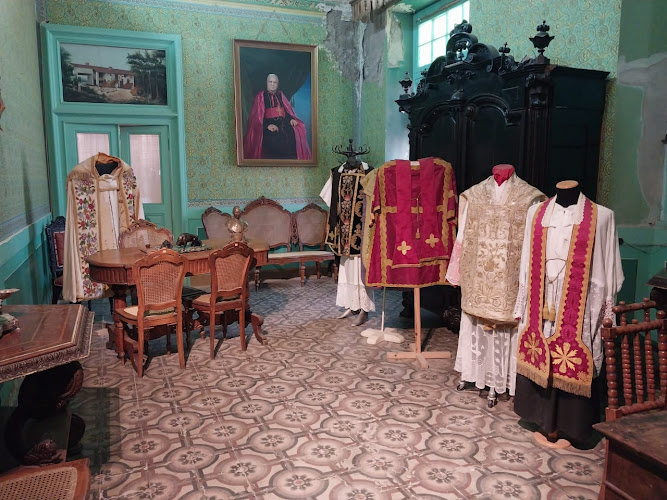
Museo Salesiano Cardenal Cagliero
CeJuMe Viedma
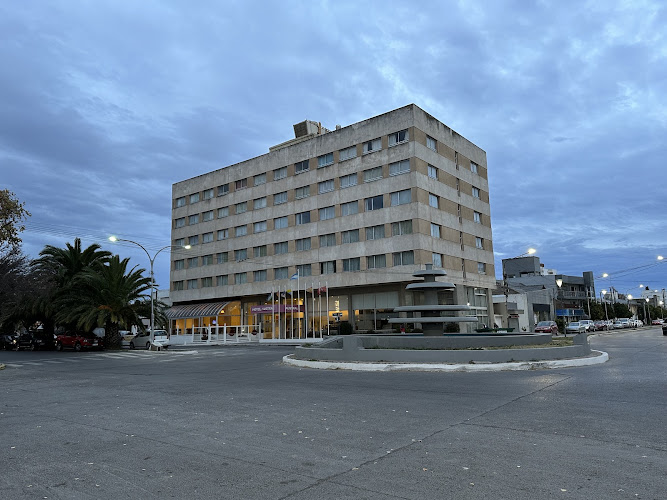
Hotel Austral Viedma
Find Accommodations Nearby
Recommended Tours & Activities
Visitor Reviews
There are no reviews yet. Be the first one to write one.
Share Your Experience
Have you visited Monumento a Eva Duarte? Help other travelers by leaving a review.