
National Estate of Fontainebleau
About National Estate of Fontainebleau
Description
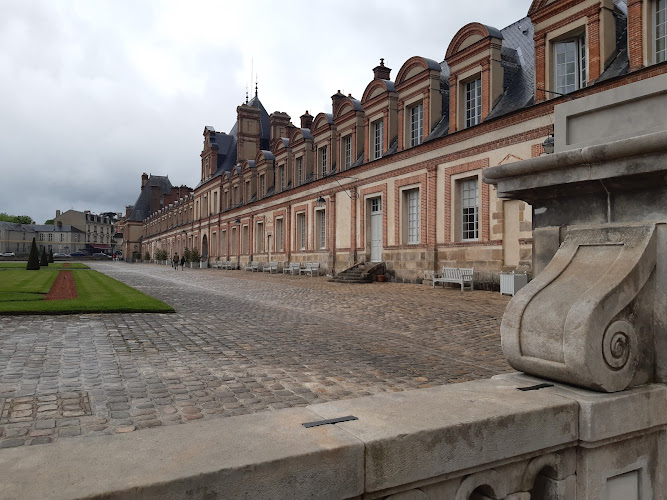
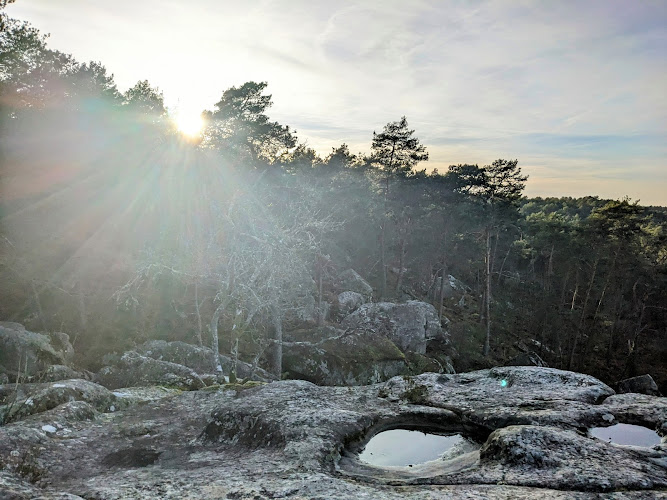
If you’re even remotely into history, nature, or just fancy escaping the usual tourist-packed spots near Paris, the National Estate of Fontainebleau is worth a long, lingering visit. It’s not just a park—it’s an epic blend of history, wilderness, and good ole French charm rolled into one. The estate spans huge acres of forest and gardens, plus that spectacular palace that’s so grand it practically screams royalty. But what really makes it stand out to me (and tons of folks who’ve wandered there) is how it perfectly balances man-made beauty with wild, untamed landscapes. You can traipse through woodland trails where the dappled light filters through towering oaks and pines, and then stumble upon old stone carvings or a serene pond, almost like walking through a living storybook.
One thing I’ve noticed over the years is how this place really welcomes families. It’s got kid-friendly hikes that won’t wipe out the little ones but still give a taste of adventure—they can scramble over rocks, spot squirrels, or hunt for secret glades. And adults? You’re in for some seriously refreshing hikes, whether you’re a casual stroller or craving a bit more of a challenge. The balance between accessible paths and more rugged trails makes it a sweet spot for all skill levels.
Something that might surprise you: the forest here is officially recognized as one of the oldest managed forests in Europe. That means you’re not just walking through nature; you’re stepping through centuries of careful stewardship. Alongside this natural wonder is the palace—an architectural and cultural treasure trove filled with exquisite craftsmanship and royal secrets. The fusion of forest and fortress left me amazed - it’s like nature’s own gallery. Visitors often say it feels peaceful yet awe-inspiring simultaneously, a rare combo that makes your visit memorable for all the right reasons.
Make no mistake, it's big. You could easily spend a whole day getting lost between the trails, ancient trees, and historical landmarks. And unlike some tourist spots that feel overrun and canned, Fontainebleau has this mellow vibe—quiet in parts, lively in others—perfect for those lazy afternoon wanderings. If you’re looking for more than just a quick stroll, this place offers moments of true escape, a few surprises, and the kind of beauty that somehow feels both wild and thoughtfully preserved.
Key Features
- Expansive forest with hundreds of kilometers of hiking trails suitable for all levels
- Kid-friendly hikes that encourage exploration without being overwhelming
- Rich historical background with the grand Fontainebleau Palace at its heart
- Well-maintained picnic areas set amidst scenic nature spots
- Unique flora and fauna offering excellent birdwatching and wildlife spotting opportunities
- Popular site for outdoor activities like rock climbing, especially in the boulder-strewn sections of the forest
- Photography heaven: from ancient trees to regal architecture, the photo ops are endless
- Annual seasonal events and exhibitions enriching the cultural experience
Best Time to Visit
For me, Fontainebleau really shows off its best colors in the spring and fall. Springtime is when the forest wakes up, bursting with blossoms and fresh leaves that give the air a sweet, earthy smell you’ll want to bottle up. Fall, on the other hand, turns everything into a painter’s palette of fiery reds, golds, and burnt oranges—utterly breathtaking. Plus, the temperatures in these months are just right—not too hot, not too cold, perfect for hiking without drowning in sweat or shivering.
Summer can be gorgeous too, but fair warning: it can get busy on weekends, especially with families and climbing groups making the most of the long daylight. If you’re like me and prefer a quieter experience, try weekday mornings when you might have some trails nearly to yourself.
Winter visits have a charm too, though it’s less about hiking and more about soaking in that crisp, fresh air and the stark beauty of bare trees and frosty mornings. Just bundle up, and you might even catch some magical light filtering over snow-dusted branches.
How to Get There
The National Estate of Fontainebleau is surprisingly easy to reach from Paris, which is probably why it’s become such a beloved day trip destination. If you’re like me and don’t drive, catching a train from Gare de Lyon to Fontainebleau-Avon station is your best bet—takes about 40 minutes or so. From the station, you can either walk about 20-25 minutes to the palace and park entrance or hop on a local bus or taxi if you’re dragging a stroller or just fancy saving your legs for the hike.
If you have a car (or rent one), it’s just an hour drive from Paris, and parking is usually pretty straightforward, especially if you avoid the peak times. Pro tip: arriving early not only guarantees parking but gives you a head start to explore before the crowd rolls in.
For the more adventurous souls, cycling there is an option too, with scenic routes leading into the estate—just keep in mind the terrain can be quite varied, so be ready for some uphill stretches.
Tips for Visiting
First off, wear comfortable shoes. Seriously, the best sneakers or hiking boots you’ve got because the estate’s size means a lot of walking—and some of that will be on uneven ground. And trust me, nothing kills a day of exploration faster than sore feet.
Bring water and snacks, especially if you’re planning to tackle the bigger trails or spend hours wandering. While there are cafés and spots around the palace, the forest itself is pretty wild, so having your own fuel is a smart move. Plus, picnicking under those giant trees? Highly recommended.
Keep an eye on the weather forecast and dress in layers. Fontainebleau can get chilly in the mornings, especially outside summer, and a sudden rain shower can put a real damper on things if you’re not prepared.
For families, the kid-friendly hikes work great, but I’d suggest mixing in some palace time as well—it’s a fantastic way to balance active exploration with some indoor marveling at centuries-old art and architecture. Kids tend to love the lavish rooms and royal stories, especially if you spin a good tale about kings and queens while wandering.
Don’t rush. Honestly, one of the best things about Fontainebleau is how easily it invites you to slow down, soak in your surroundings and maybe even get lost for a little while. Sometimes those unexpected detours or quiet spots are where the real magic happens.
Lastly, consider joining a guided tour or local-led walk if you really want to dive deep into the history or nature. I’ve found that the stories shared by locals or experts make the experience feel richer, and you might stumble on secrets and spots you’d otherwise miss.
Key Features
- Expansive forest with hundreds of kilometers of hiking trails suitable for all levels
- Kid-friendly hikes that encourage exploration without being overwhelming
- Rich historical background with the grand Fontainebleau Palace at its heart
- Well-maintained picnic areas set amidst scenic nature spots
- Unique flora and fauna offering excellent birdwatching and wildlife spotting opportunities
- Popular site for outdoor activities like rock climbing, especially in the boulder-strewn sections of the forest
- Photography heaven: from ancient trees to regal architecture, the photo ops are endless
- Annual seasonal events and exhibitions enriching the cultural experience
More Details
Updated June 4, 2025
Table of Contents
Description
If you’re even remotely into history, nature, or just fancy escaping the usual tourist-packed spots near Paris, the National Estate of Fontainebleau is worth a long, lingering visit. It’s not just a park—it’s an epic blend of history, wilderness, and good ole French charm rolled into one. The estate spans huge acres of forest and gardens, plus that spectacular palace that’s so grand it practically screams royalty. But what really makes it stand out to me (and tons of folks who’ve wandered there) is how it perfectly balances man-made beauty with wild, untamed landscapes. You can traipse through woodland trails where the dappled light filters through towering oaks and pines, and then stumble upon old stone carvings or a serene pond, almost like walking through a living storybook.
One thing I’ve noticed over the years is how this place really welcomes families. It’s got kid-friendly hikes that won’t wipe out the little ones but still give a taste of adventure—they can scramble over rocks, spot squirrels, or hunt for secret glades. And adults? You’re in for some seriously refreshing hikes, whether you’re a casual stroller or craving a bit more of a challenge. The balance between accessible paths and more rugged trails makes it a sweet spot for all skill levels.
Something that might surprise you: the forest here is officially recognized as one of the oldest managed forests in Europe. That means you’re not just walking through nature; you’re stepping through centuries of careful stewardship. Alongside this natural wonder is the palace—an architectural and cultural treasure trove filled with exquisite craftsmanship and royal secrets. The fusion of forest and fortress left me amazed – it’s like nature’s own gallery. Visitors often say it feels peaceful yet awe-inspiring simultaneously, a rare combo that makes your visit memorable for all the right reasons.
Make no mistake, it’s big. You could easily spend a whole day getting lost between the trails, ancient trees, and historical landmarks. And unlike some tourist spots that feel overrun and canned, Fontainebleau has this mellow vibe—quiet in parts, lively in others—perfect for those lazy afternoon wanderings. If you’re looking for more than just a quick stroll, this place offers moments of true escape, a few surprises, and the kind of beauty that somehow feels both wild and thoughtfully preserved.
Key Features
- Expansive forest with hundreds of kilometers of hiking trails suitable for all levels
- Kid-friendly hikes that encourage exploration without being overwhelming
- Rich historical background with the grand Fontainebleau Palace at its heart
- Well-maintained picnic areas set amidst scenic nature spots
- Unique flora and fauna offering excellent birdwatching and wildlife spotting opportunities
- Popular site for outdoor activities like rock climbing, especially in the boulder-strewn sections of the forest
- Photography heaven: from ancient trees to regal architecture, the photo ops are endless
- Annual seasonal events and exhibitions enriching the cultural experience
Best Time to Visit
For me, Fontainebleau really shows off its best colors in the spring and fall. Springtime is when the forest wakes up, bursting with blossoms and fresh leaves that give the air a sweet, earthy smell you’ll want to bottle up. Fall, on the other hand, turns everything into a painter’s palette of fiery reds, golds, and burnt oranges—utterly breathtaking. Plus, the temperatures in these months are just right—not too hot, not too cold, perfect for hiking without drowning in sweat or shivering.
Summer can be gorgeous too, but fair warning: it can get busy on weekends, especially with families and climbing groups making the most of the long daylight. If you’re like me and prefer a quieter experience, try weekday mornings when you might have some trails nearly to yourself.
Winter visits have a charm too, though it’s less about hiking and more about soaking in that crisp, fresh air and the stark beauty of bare trees and frosty mornings. Just bundle up, and you might even catch some magical light filtering over snow-dusted branches.
How to Get There
The National Estate of Fontainebleau is surprisingly easy to reach from Paris, which is probably why it’s become such a beloved day trip destination. If you’re like me and don’t drive, catching a train from Gare de Lyon to Fontainebleau-Avon station is your best bet—takes about 40 minutes or so. From the station, you can either walk about 20-25 minutes to the palace and park entrance or hop on a local bus or taxi if you’re dragging a stroller or just fancy saving your legs for the hike.
If you have a car (or rent one), it’s just an hour drive from Paris, and parking is usually pretty straightforward, especially if you avoid the peak times. Pro tip: arriving early not only guarantees parking but gives you a head start to explore before the crowd rolls in.
For the more adventurous souls, cycling there is an option too, with scenic routes leading into the estate—just keep in mind the terrain can be quite varied, so be ready for some uphill stretches.
Tips for Visiting
First off, wear comfortable shoes. Seriously, the best sneakers or hiking boots you’ve got because the estate’s size means a lot of walking—and some of that will be on uneven ground. And trust me, nothing kills a day of exploration faster than sore feet.
Bring water and snacks, especially if you’re planning to tackle the bigger trails or spend hours wandering. While there are cafés and spots around the palace, the forest itself is pretty wild, so having your own fuel is a smart move. Plus, picnicking under those giant trees? Highly recommended.
Keep an eye on the weather forecast and dress in layers. Fontainebleau can get chilly in the mornings, especially outside summer, and a sudden rain shower can put a real damper on things if you’re not prepared.
For families, the kid-friendly hikes work great, but I’d suggest mixing in some palace time as well—it’s a fantastic way to balance active exploration with some indoor marveling at centuries-old art and architecture. Kids tend to love the lavish rooms and royal stories, especially if you spin a good tale about kings and queens while wandering.
Don’t rush. Honestly, one of the best things about Fontainebleau is how easily it invites you to slow down, soak in your surroundings and maybe even get lost for a little while. Sometimes those unexpected detours or quiet spots are where the real magic happens.
Lastly, consider joining a guided tour or local-led walk if you really want to dive deep into the history or nature. I’ve found that the stories shared by locals or experts make the experience feel richer, and you might stumble on secrets and spots you’d otherwise miss.
Key Highlights
- Expansive forest with hundreds of kilometers of hiking trails suitable for all levels
- Kid-friendly hikes that encourage exploration without being overwhelming
- Rich historical background with the grand Fontainebleau Palace at its heart
- Well-maintained picnic areas set amidst scenic nature spots
- Unique flora and fauna offering excellent birdwatching and wildlife spotting opportunities
- Popular site for outdoor activities like rock climbing, especially in the boulder-strewn sections of the forest
- Photography heaven: from ancient trees to regal architecture, the photo ops are endless
- Annual seasonal events and exhibitions enriching the cultural experience
Location
Places to Stay Near National Estate of Fontainebleau
Find and Book a Tour
Explore More Travel Guides
No reviews found! Be the first to review!
Traveler Reviews for National Estate of Fontainebleau
There are no reviews yet. Be the first one to write one.
Have you visited National Estate of Fontainebleau? Help other travelers by sharing your review.
You Might Also Like
Forêt de Fontainebleau

Château de Fontainebleau
Amphithéâtre Ullman
Find Accommodations Nearby
Recommended Tours & Activities
Visitor Reviews
There are no reviews yet. Be the first one to write one.
Share Your Experience
Have you visited National Estate of Fontainebleau? Help other travelers by leaving a review.