
Museum of Old Equipments
About Museum of Old Equipments
Description
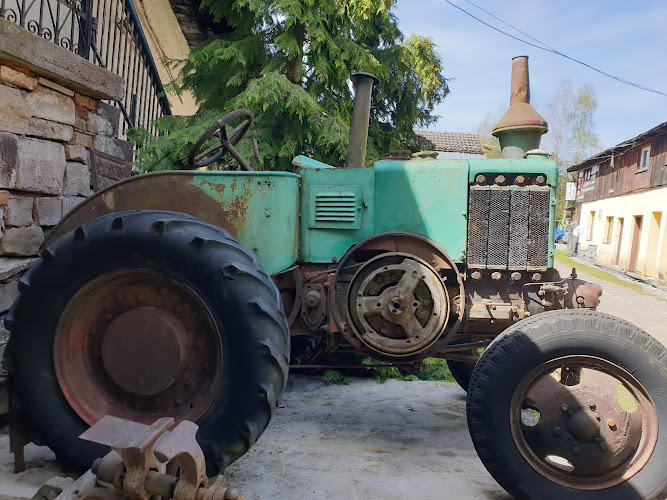
Step back in time at the Museum of Old Equipment, a fascinating repository of everyday household items and agricultural tools that tell the story of how our ancestors lived and worked. I've always been captivated by vintage machinery, and this place really hits the spot! The museum houses an incredible collection of domestic equipment spanning several decades - from old washing machines that'd make your modern-day appliances look like spaceships to kitchen gadgets that'd leave you scratching your head wondering how they were used.
What makes this place extra special is that it's not your typical stuffy museum. The outdoor area is particularly charming, with a delightful mini-zoo where kids can interact with friendly farm animals. And speaking of kids, there's a fantastic playground where they can burn off some energy while you take in the historical exhibits. One of my favorite spots is the covered pavilion with a large fireplace - perfect for those who fancy a bit of grilling during their visit!
Key Features
• Extensive collection of vintage household equipment and farming tools • Interactive displays showcasing how historical equipment was used • Children's playground and recreational areas • Mini-zoo with friendly farm animals • Souvenir shop with unique memorabilia • Large covered pavilion with grilling facilities • Spacious parking area • Well-maintained restroom facilities • Educational demonstrations (seasonal) • Family-friendly environmentBest Time to Visit
Ya know what? I've found that mid-morning on weekdays tends to be the sweet spot for visiting. The museum's open seven days a week, but weekends can get pretty packed with families. If you're bringing kiddos, consider coming around 10 AM when the animals in the mini-zoo are most active and the sun isn't too intense. Spring and autumn are particularly lovely seasons to visit - the weather's just right for exploring both indoor and outdoor exhibits.
How to Get There
Getting to the Museum of Old Equipment is pretty straightforward. The facility offers ample parking space with designated spots for visitors with disabilities. If you're relying on public transport, several local bus routes stop nearby. But honestly, I'd recommend driving if possible - it gives you the flexibility to stay as long as you'd like, especially if you're planning to use the grilling facilities.
Tips for Visiting
Listen up, cause I've learned a thing or two from my visits here! First off, bring cash - admission is 15 PLN for adults and 8 PLN for children. The souvenir shop has some really unique finds, so you might wanna keep some extra money handy.
If you're planning to use the grilling area (which I totally recommend!), remember to bring your own supplies. Pack some snacks and water too - there's no restaurant on-site, but there are plenty of lovely spots for a picnic.
Wear comfortable shoes - you'll be doing quite a bit of walking. The museum is wheelchair accessible, with smooth pathways throughout the grounds. Photography is allowed, and trust me, you'll want your camera for this one! Some of these old gadgets are real conversation starters.
Plan to spend at least 2-3 hours here to really soak it all in. The exhibits aren't just things behind glass - many items have interesting stories attached to them, and sometimes they even do demonstrations of how the equipment was used. And don't rush through the mini-zoo - those animals love attention!
Pro tip: if you're visiting with kids, head to the playground first thing - it'll help them burn off some energy so they can focus better on the historical exhibits afterward. Also, the staff are super knowledgeable and friendly - don't be shy about asking questions!
Key Features
- Key Features
- Best Time to Visit
- How to Get There
- Tips for Visiting
More Details
Updated June 11, 2025
Table of Contents
- Description
- Key Features
- Best Time to Visit
- How to Get There
- Tips for Visiting
- Key Highlights
- Location
- Places to Stay Near Museum of Old Equipments
- Find and Book a Tour
- Explore More Travel Guides
- Description
- Key Features
- Best Time to Visit
- How to Get There
- Nearby Places You Might Like
- Traveler Reviews for Museum of Old Equipments
- Share Your Experience
Description
Step back in time at the Museum of Old Equipment, a fascinating repository of everyday household items and agricultural tools that tell the story of how our ancestors lived and worked. I’ve always been captivated by vintage machinery, and this place really hits the spot! The museum houses an incredible collection of domestic equipment spanning several decades – from old washing machines that’d make your modern-day appliances look like spaceships to kitchen gadgets that’d leave you scratching your head wondering how they were used.
What makes this place extra special is that it’s not your typical stuffy museum. The outdoor area is particularly charming, with a delightful mini-zoo where kids can interact with friendly farm animals. And speaking of kids, there’s a fantastic playground where they can burn off some energy while you take in the historical exhibits. One of my favorite spots is the covered pavilion with a large fireplace – perfect for those who fancy a bit of grilling during their visit!
Key Features
• Extensive collection of vintage household equipment and farming tools
• Interactive displays showcasing how historical equipment was used
• Children’s playground and recreational areas
• Mini-zoo with friendly farm animals
• Souvenir shop with unique memorabilia
• Large covered pavilion with grilling facilities
• Spacious parking area
• Well-maintained restroom facilities
• Educational demonstrations (seasonal)
• Family-friendly environment
Best Time to Visit
Ya know what? I’ve found that mid-morning on weekdays tends to be the sweet spot for visiting. The museum’s open seven days a week, but weekends can get pretty packed with families. If you’re bringing kiddos, consider coming around 10 AM when the animals in the mini-zoo are most active and the sun isn’t too intense. Spring and autumn are particularly lovely seasons to visit – the weather’s just right for exploring both indoor and outdoor exhibits.
How to Get There
Getting to the Museum of Old Equipment is pretty straightforward. The facility offers ample parking space with designated spots for visitors with disabilities. If you’re relying on public transport, several local bus routes stop nearby. But honestly, I’d recommend driving if possible – it gives you the flexibility to stay as long as you’d like, especially if you’re planning to use the grilling facilities.
Tips for Visiting
Listen up, cause I’ve learned a thing or two from my visits here! First off, bring cash – admission is 15 PLN for adults and 8 PLN for children. The souvenir shop has some really unique finds, so you might wanna keep some extra money handy.
If you’re planning to use the grilling area (which I totally recommend!), remember to bring your own supplies. Pack some snacks and water too – there’s no restaurant on-site, but there are plenty of lovely spots for a picnic.
Wear comfortable shoes – you’ll be doing quite a bit of walking. The museum is wheelchair accessible, with smooth pathways throughout the grounds. Photography is allowed, and trust me, you’ll want your camera for this one! Some of these old gadgets are real conversation starters.
Plan to spend at least 2-3 hours here to really soak it all in. The exhibits aren’t just things behind glass – many items have interesting stories attached to them, and sometimes they even do demonstrations of how the equipment was used. And don’t rush through the mini-zoo – those animals love attention!
Pro tip: if you’re visiting with kids, head to the playground first thing – it’ll help them burn off some energy so they can focus better on the historical exhibits afterward. Also, the staff are super knowledgeable and friendly – don’t be shy about asking questions!
Key Highlights
- Key Features
- Best Time to Visit
- How to Get There
- Tips for Visiting
Location
Places to Stay Near Museum of Old Equipments
Find and Book a Tour
Explore More Travel Guides
No reviews found! Be the first to review!
Description
During my recent trip to Poland, I had the pleasure of visiting the Museum of Old Equipments in Wambierzyce, and I must say it was an engaging experience that left me with a deeper appreciation for Poland’s local history and antique household items. Located at Wiejska 52, 57-411 Wambierzyce, this museum opens its doors seven days a week for curious travelers and locals alike. As soon as you arrive, you’re greeted by a collection that spans decades of domestic life, showcasing tools, machinery, and everyday items that once played central roles in day-to-day household activities. Whether you are an enthusiasts of history, a collector of antique memorabilia, or someone looking to see living examples of regional heritage, the museum has an insightfully curated display that feels both personal and educational.
Walking through the exhibits, I felt as if I had taken a step back in time. The space is thoughtfully arranged and designed to encourage visitors to explore at their own pace. The museum is not just about displaying items; it offers an immersive look into the evolution of household technology and the lifestyle of past generations. There are detailed labels that provide context, and some exhibits even include recorded narratives from local historians explaining the significance of each artefact. It really felt like the museum was telling the story of the area through everyday items that many of us might take for granted today.
I was particularly impressed by how the museum manages to blend indoor and open-air exhibits. Besides the main galleries, there is an outdoor section where you can explore old farming equipment, traditional carts, and reconstructed versions of typical domestic settings from bygone eras. The atmosphere here is relaxed and informal, giving visitors the freedom to wander along the pathways and catch glimpses of authentic Polish rural life. It is clear the operators put a lot of thought into making the experience accessible and enjoyable.
A unique feature of this museum is its integration of facilities that cater to families and groups. For instance, if you’re traveling with children, you’ll appreciate the dedicated playground area where your little ones can take a break after exploring the exhibits. There is also a small petting zoo that adds an additional layer of charm, connecting the museum’s historical themes with the rustic reality of farm life. I was able to chat with a few families who mentioned how the open environment and interactive displays helped their kids gain an interest in history in a fun, informal way.
Near the museum’s entrance, I spotted a quaint gift shop that offered a range of memorabilia, from postcards and books to miniature replicas of some of the equipment on display. This little shop provides a tangible connection to the museum’s many stories and serves as a friendly reminder of your visit long after you leave the premises.
What truly differentiated my visit was how the museum managed to highlight the evolution of everyday life in an accessible manner. It’s one thing to read about history in a textbook, but standing in the very spaces where these tools and household items once played a pivotal role in people’s lives brings a personal connection to the lessons of the past. Every exhibit had a sense of authenticity and character that made me truly reflect on the significance of these historical relics.
Key Features
- Extensive collection of antique household items and equipment from past generations.
- Combination of indoor galleries and outdoor exhibits, including open-air displays of farming tools and domestic settings.
- Interactive storytelling elements with contextual notes, personal narratives, and audio guides explaining the historical significance of each exhibit.
- Family-friendly amenities, including a dedicated playground for children and a small petting zoo that complements the rural theme of the museum.
- Well-organized and accessible design with wheelchair accessible entrance, parking lot, and seating areas throughout the museum.
- A charming onsite gift shop offering unique souvenirs such as postcards, books, and miniature replicas of antique items.
- Open 7 days a week, accommodating different schedules and ensuring an opportunity for visitors to experience the museum at their own pace.
- Designed to provide a vivid insight into the evolution of domestic life and a celebration of heritage and local culture.
Best Time to Visit
Choosing the right time to visit the Museum of Old Equipments depends on how much time you want to spend exploring and enjoying the outdoor features. During the warmer months—from late spring to early autumn—the museum’s outdoor exhibits truly shine under bright skies, and you can comfortably enjoy the open-air displays without the rush. I visited in early summer, and the pleasant weather enhanced my experience. During this season, the temperature is just right for leisurely strolls, and the light breeze makes exploring the outdoor areas a delightful experience.
If you plan to visit with your family, consider coming during mid-morning or late afternoon. These times tend to be less crowded, and you can have a more relaxed and intimate visit, taking your time to interact with the exhibits. The softness of the light during these hours adds a special ambiance to the historical artefacts, giving them an almost ethereal quality.
For those who enjoy the seasonal change, visiting during autumn is also a worthwhile experience. The surrounding area of Wambierzyce, with its crisp air and the gradual transformation of the landscape into pastel hues, beautifully complements the museum’s narrative of tradition and continuity. I noticed that in the autumnal setting, the contrast between the antique items and nature’s own historical cycles creates a reflective atmosphere.
However, if you’re keen on avoiding any weather-related surprises, it’s advisable to check the local forecast before visiting, particularly during transitional months. Although the museum remains open year-round, the outdoor exhibits are best enjoyed when the weather is mild. No matter when you choose to go, each season provides its own charm that adds a rich layer to the historical context presented in the museum.
How to Get There
Getting to the Museum of Old Equipments is straightforward, and since the museum is located in a small town, it offers a certain charm that makes the journey just as enjoyable as the destination itself. I decided to travel by car, and I found the drive scenic and quiet, with well-maintained roads that wind through the Polish countryside. If you’re coming from a larger city, you’ll likely have to plan for a short drive, but it’s well worth it for the unique insight into local history.
Once you approach Wiejska 52 in Wambierzyce, clear signage directs you to the museum’s parking area. The parking lot is spacious and designed with accessibility in mind, ensuring visitors with mobility challenges have a hassle-free experience from the moment they arrive.
For those who prefer public transportation, local bus services connect the surrounding areas to Wambierzyce. Although the bus routes might not be as frequent as in larger cities, they are reliable and offer an opportunity to see more of the region’s countryside along the way.
Traveler Reviews for Museum of Old Equipments
There are no reviews yet. Be the first one to write one.
Have you visited Museum of Old Equipments? Help other travelers by sharing your review.
You Might Also Like

The Old Town Market Square

Bricomarche Świdnik
Cellar under the fortune
Find Accommodations Nearby
Recommended Tours & Activities
Visitor Reviews
There are no reviews yet. Be the first one to write one.
Share Your Experience
Have you visited Museum of Old Equipments? Help other travelers by leaving a review.