
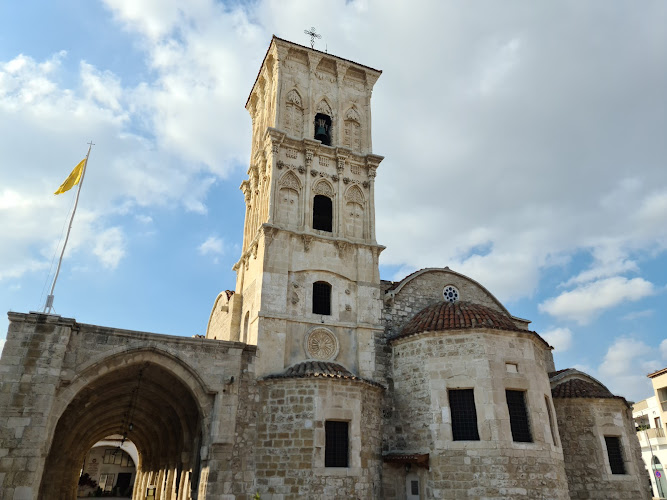
Holy Church of Saint Lazarus
About Holy Church of Saint Lazarus
Description
If you ever find yourself wandering through the heart of Larnaca, Cyprus, the Holy Church of Saint Lazarus is one spot that almost demands your attention. This isn’t just another pretty church. Nope, it’s a piece of living history – a Byzantine gem dating back to the 9th century. I mean, places that have been standing for over a millennium and still looking good? That’s rare. And this stone church, with its stark, ancient walls, gives you a genuine sense of time slowing down. No glossy modern gloss here, just authentic, almost rugged history solidified in stone.
Inside, the church houses an absolutely stunning gold-plated iconostasis, which, if you’re not familiar, is the ornate wall separating the altar from the nave. It’s a piece that really grabs your eye and heart – shimmering gold set against the quiet solemnity of the old church. That contrast is oddly comforting, like a whisper from the past telling you stories of ages long gone but not forgotten.
But what really hooked me on the Holy Church of Saint Lazarus isn’t just the building’s physical beauty. It’s the story behind it. According to tradition, Saint Lazarus, yes the same guy famously brought back from the dead by Jesus, is said to be buried right here. Now, whether you buy the legend or not, that tale adds a layer of mystique and spirituality that you can’t ignore. It’s like walking into a place where faith and history dance together in quiet harmony.
The church has gone through restorations, but this has been done respectfully, preserving its authentic vibe. You can still feel the Byzantine era’s pulse in every corner. And don’t worry if you have mobility concerns – the church has wheelchair-accessible entrances and parking, which is a thoughtful touch. It’s a reminder that history isn’t just for able-bodied folks; everyone deserves to experience this place.
When you’re there, take a moment to just soak it all in – the beautiful iconography, the peaceful atmosphere, and the gentle hum of prayers or visitors who’ve been somehow transformed by standing in the same place centuries of devout worshippers have. It’s surprisingly calming, and honestly, I found it quite meditative. It’s not just a tourist spot; it’s a sanctuary with stories etched deep into every stone.
Key Features
- 9th-century Byzantine stone church embodying early medieval architecture and spiritual artistry
- Intricately crafted gold-plated iconostasis that showcases exceptional craftsmanship
- Tomb of Saint Lazarus, adding a powerful spiritual and historical significance
- Wheelchair accessible entrance and parking facilities ensuring ease for all visitors
- Central location in Larnaca, making it easy to combine with nearby cafés and markets
- On-site religious services giving a glimpse into ongoing local traditions
- Elegant stone masonry preserving the feel of Byzantine-era craftsmanship
Best Time to Visit
If you ask me, the magic of the Holy Church of Saint Lazarus shines brightest during the quieter months. Late autumn (October to November) and early spring (March to April) are your best bets. The weather is mild, not roasting hot like Cyprus summers tend to be, which makes wandering around Larnaca and the church so much more comfy. Plus, visiting during these shoulder seasons means you’ll dodge the massive crowds that flock here in peak summer – nothing worse than getting elbowed while trying to admire a 12th-century altar!
Now, if you happen to find yourself here in late October, you’re in luck: the annual feast day of Saint Lazarus is celebrated with impressive religious ceremonies and community gatherings. It’s a wonderful time to witness local traditions in full swing, though be prepared for a busier church and town center. But hey, immersion in culture sometimes demands a little patience, right?
How to Get There
Getting to the Holy Church of Saint Lazarus is pretty straightforward. It’s smack dab in the center of Larnaca, so whether you’re coming from the airport or staying in town, you’re looking at just a short taxi or bus ride. I once arrived by bus just after a drizzly morning, jumped off near the main square, and in five minutes, I was face-to-face with the church’s imposing stone walls. Very convenient.
If you’re driving, there’s a parking lot with wheelchair accessibility nearby, which is a blessing given how busy Larnaca can get. But beware, parking spaces can fill up quickly during weekends and holiday seasons, so plan accordingly. For those who enjoy walking, the church is within stroll-able distance from the beach promenade and plenty of cafes – it’s perfect if you want to combine a bit of sightseeing with a leisurely bite or coffee afterward.
Tips for Visiting
Okay, here are some bits of advice I wish someone told me before my first visit. First, dress modestly. This is a place of worship, after all, and they do have a strict dress code – shoulders and knees covered are the safe bets. No beachwear or revealing clothes, so pack a light scarf or cover-up if you’re a sun-soaked tourist.
Don’t rush. The church isn’t huge, but it’s packed with details that deserve your attention. Take time to admire the iconostasis closely—you’ll notice how each icon has a story. I’ve spent more time than I want to admit just staring and wondering about the hands that painted those faces hundreds of years ago.
Also, try to visit during a service if you can. Even if you’re not religious, there’s something deeply moving about the chants echoing off those ancient stone walls. It’s like stepping back into another era. Just remember to be respectful—silence your phone and keep voices low.
Photography rules are pretty typical but worth double-checking on-site. I’ve seen some pretty impressive shots of the iconostasis and stone arches, but flash might be a no-no. Still, those mellow natural light vibes inside are just enough to capture the mood beautifully.
And one last thing: grab a guidebook or ask a local why not. The stories and legends around Saint Lazarus and the church add so much color to your visit. You don’t want to miss out on those little nuggets of info that make history come alive. After all, everyone loves a good story, right?
Key Features
- 9th-century Byzantine stone church embodying early medieval architecture and spiritual artistry
- Intricately crafted gold-plated iconostasis that showcases exceptional craftsmanship
- Tomb of Saint Lazarus, adding a powerful spiritual and historical significance
- Wheelchair accessible entrance and parking facilities ensuring ease for all visitors
- Central location in Larnaca, making it easy to combine with nearby cafés and markets
- On-site religious services giving a glimpse into ongoing local traditions
- Elegant stone masonry preserving the feel of Byzantine-era craftsmanship
More Details
Updated June 4, 2025
Table of Contents
Description
If you ever find yourself wandering through the heart of Larnaca, Cyprus, the Holy Church of Saint Lazarus is one spot that almost demands your attention. This isn’t just another pretty church. Nope, it’s a piece of living history – a Byzantine gem dating back to the 9th century. I mean, places that have been standing for over a millennium and still looking good? That’s rare. And this stone church, with its stark, ancient walls, gives you a genuine sense of time slowing down. No glossy modern gloss here, just authentic, almost rugged history solidified in stone.
Inside, the church houses an absolutely stunning gold-plated iconostasis, which, if you’re not familiar, is the ornate wall separating the altar from the nave. It’s a piece that really grabs your eye and heart – shimmering gold set against the quiet solemnity of the old church. That contrast is oddly comforting, like a whisper from the past telling you stories of ages long gone but not forgotten.
But what really hooked me on the Holy Church of Saint Lazarus isn’t just the building’s physical beauty. It’s the story behind it. According to tradition, Saint Lazarus, yes the same guy famously brought back from the dead by Jesus, is said to be buried right here. Now, whether you buy the legend or not, that tale adds a layer of mystique and spirituality that you can’t ignore. It’s like walking into a place where faith and history dance together in quiet harmony.
The church has gone through restorations, but this has been done respectfully, preserving its authentic vibe. You can still feel the Byzantine era’s pulse in every corner. And don’t worry if you have mobility concerns – the church has wheelchair-accessible entrances and parking, which is a thoughtful touch. It’s a reminder that history isn’t just for able-bodied folks; everyone deserves to experience this place.
When you’re there, take a moment to just soak it all in – the beautiful iconography, the peaceful atmosphere, and the gentle hum of prayers or visitors who’ve been somehow transformed by standing in the same place centuries of devout worshippers have. It’s surprisingly calming, and honestly, I found it quite meditative. It’s not just a tourist spot; it’s a sanctuary with stories etched deep into every stone.
Key Features
- 9th-century Byzantine stone church embodying early medieval architecture and spiritual artistry
- Intricately crafted gold-plated iconostasis that showcases exceptional craftsmanship
- Tomb of Saint Lazarus, adding a powerful spiritual and historical significance
- Wheelchair accessible entrance and parking facilities ensuring ease for all visitors
- Central location in Larnaca, making it easy to combine with nearby cafés and markets
- On-site religious services giving a glimpse into ongoing local traditions
- Elegant stone masonry preserving the feel of Byzantine-era craftsmanship
Best Time to Visit
If you ask me, the magic of the Holy Church of Saint Lazarus shines brightest during the quieter months. Late autumn (October to November) and early spring (March to April) are your best bets. The weather is mild, not roasting hot like Cyprus summers tend to be, which makes wandering around Larnaca and the church so much more comfy. Plus, visiting during these shoulder seasons means you’ll dodge the massive crowds that flock here in peak summer – nothing worse than getting elbowed while trying to admire a 12th-century altar!
Now, if you happen to find yourself here in late October, you’re in luck: the annual feast day of Saint Lazarus is celebrated with impressive religious ceremonies and community gatherings. It’s a wonderful time to witness local traditions in full swing, though be prepared for a busier church and town center. But hey, immersion in culture sometimes demands a little patience, right?
How to Get There
Getting to the Holy Church of Saint Lazarus is pretty straightforward. It’s smack dab in the center of Larnaca, so whether you’re coming from the airport or staying in town, you’re looking at just a short taxi or bus ride. I once arrived by bus just after a drizzly morning, jumped off near the main square, and in five minutes, I was face-to-face with the church’s imposing stone walls. Very convenient.
If you’re driving, there’s a parking lot with wheelchair accessibility nearby, which is a blessing given how busy Larnaca can get. But beware, parking spaces can fill up quickly during weekends and holiday seasons, so plan accordingly. For those who enjoy walking, the church is within stroll-able distance from the beach promenade and plenty of cafes – it’s perfect if you want to combine a bit of sightseeing with a leisurely bite or coffee afterward.
Tips for Visiting
Okay, here are some bits of advice I wish someone told me before my first visit. First, dress modestly. This is a place of worship, after all, and they do have a strict dress code – shoulders and knees covered are the safe bets. No beachwear or revealing clothes, so pack a light scarf or cover-up if you’re a sun-soaked tourist.
Don’t rush. The church isn’t huge, but it’s packed with details that deserve your attention. Take time to admire the iconostasis closely—you’ll notice how each icon has a story. I’ve spent more time than I want to admit just staring and wondering about the hands that painted those faces hundreds of years ago.
Also, try to visit during a service if you can. Even if you’re not religious, there’s something deeply moving about the chants echoing off those ancient stone walls. It’s like stepping back into another era. Just remember to be respectful—silence your phone and keep voices low.
Photography rules are pretty typical but worth double-checking on-site. I’ve seen some pretty impressive shots of the iconostasis and stone arches, but flash might be a no-no. Still, those mellow natural light vibes inside are just enough to capture the mood beautifully.
And one last thing: grab a guidebook or ask a local why not. The stories and legends around Saint Lazarus and the church add so much color to your visit. You don’t want to miss out on those little nuggets of info that make history come alive. After all, everyone loves a good story, right?
Key Highlights
- 9th-century Byzantine stone church embodying early medieval architecture and spiritual artistry
- Intricately crafted gold-plated iconostasis that showcases exceptional craftsmanship
- Tomb of Saint Lazarus, adding a powerful spiritual and historical significance
- Wheelchair accessible entrance and parking facilities ensuring ease for all visitors
- Central location in Larnaca, making it easy to combine with nearby cafés and markets
- On-site religious services giving a glimpse into ongoing local traditions
- Elegant stone masonry preserving the feel of Byzantine-era craftsmanship
Location
Places to Stay Near Holy Church of Saint Lazarus
Find and Book a Tour
Explore More Travel Guides
No reviews found! Be the first to review!
Traveler Reviews for Holy Church of Saint Lazarus
There are no reviews yet. Be the first one to write one.
Have you visited Holy Church of Saint Lazarus? Help other travelers by sharing your review.
You Might Also Like
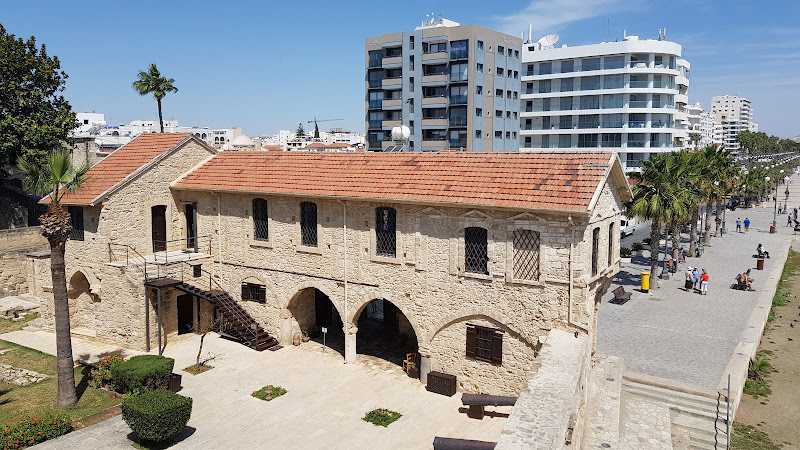
Larnaka Medieval Fort
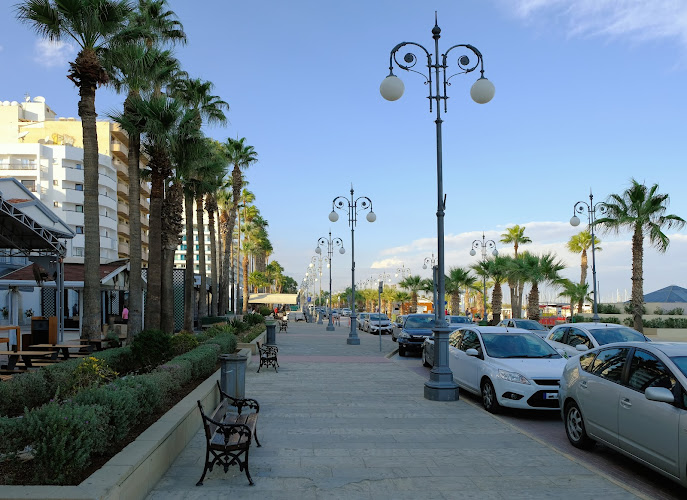
Love buses sightseeing tour stop
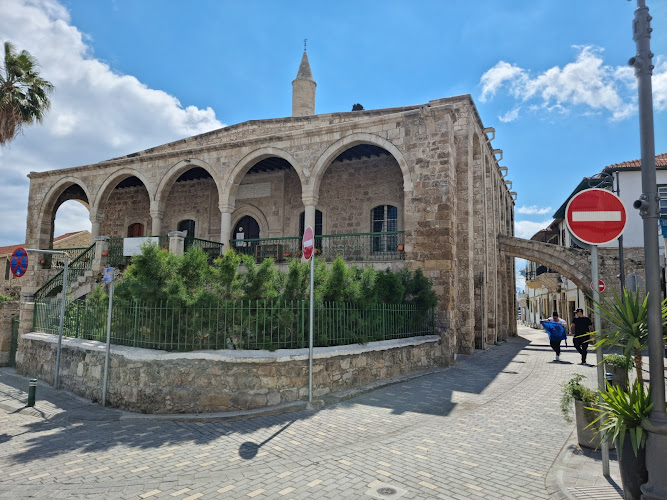
Djami Kebir Mosque
Find Accommodations Nearby
Recommended Tours & Activities
Visitor Reviews
There are no reviews yet. Be the first one to write one.
Share Your Experience
Have you visited Holy Church of Saint Lazarus? Help other travelers by leaving a review.