
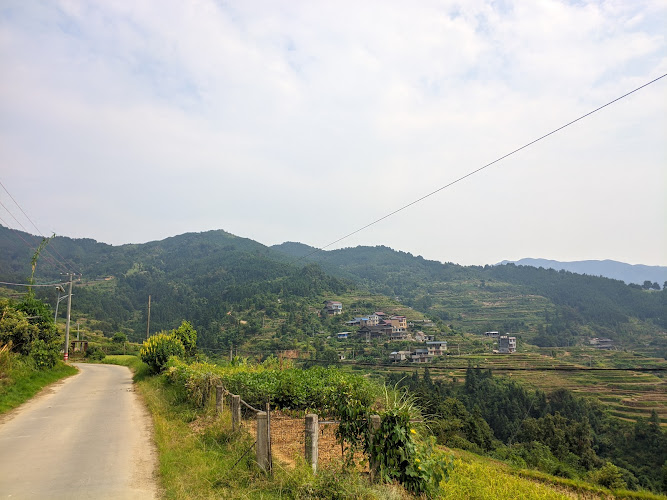
Rongshui Miao Autonomous County
About Rongshui Miao Autonomous County
Description
If you’re reading this, chances are you’re considering a trip to Rongshui Miao Autonomous County—and let me just say up front: Good on you! There are plenty of places in Guangxi that end up crowded with big tour groups or snapshots on social media, but Rongshui’s a bit different. Here, in the northwest edge of the province, it’s less hustle-bustle, more slow sips of rice wine in hidden Miao villages and long conversations with locals under ancient camphor trees.
Now, you might be picturing honey-colored rice terraces (and yes, those exist!), but what really strikes you in Rongshui is how genuine the experience feels. This county has been home to the Miao people for hundreds of years—and the traditions hold strong, especially outside the county seat. You’ll catch glimpses of embroidered festival costumes that took months to stitch, elaborate silver headpieces sparkling in the mountain sun, or the sound of lusheng pipes echoing along a river bend.
But honestly? What drew me in wasn’t just the big festivals (though they are something, trust me). It was stepping into markets and seeing Miao grandmas hand-dyeing indigo cloth, it was the gobsmacking beauty of the Rongjiang River at dusk, and it was the kind of food even your city friends won’t find back home—try the pickled fish hotpot, I dare you. Also, just between us, Rongshui seems to escape some of the glossy expectations tourists bring. Some villages have homestays that may not have WiFi, and sometimes the buses run on their own time. But hey, that’s half the fun and the charm.
If you love photography, local craft, epic views, or just feeling like you’ve discovered something genuinely authentic—instead of something “designed” for visitors—you’ll find goodies here. The locals might be a bit shy at first, but a “Ni Hao” (and a smile) goes a long way.
Key Features
- Miao Culture at Its Heart: The beating heart of Rongshui is Miao culture—think traditional festivals, folk music, and jaw-dropping attire (seriously, the silver jewelry game is next level). And it’s not curated for show; it’s very much lived-in.
- Otherworldly Landscapes: Picture endless rice terraces (especially in spring and autumn), crystal-clear rivers, and mist-touched mountains. The air’s so clean you’ll wish you could bottle it.
- Fascinating Festivals: There are over a dozen local festivals. The Miao New Year is an absolute must-see if you can swing the timing—think street feasts, buffalo fights, firecrackers, and those hypnotic lusheng dances.
- Handicraft Heaven: Indigo batik, hand-embroidered clothing, wooden crafts. The real-deal stuff, often far less pricey (and better made!) than in Guilin or bigger cities.
- Delicious Miao Cuisine: Sticky rice cakes, spicy cured meats, foraged mountain herbs, and, yes, the famous sour fish soup. If you’re a food lover, bring stretchy pants.
- River Adventures: Try a bamboo raft on the Rong River—or just chill out along the banks where kids cannonball and old-timers play chess in the shade.
- Off-the-Beaten Track: Fewer crowds, real community interaction, and the warmest kind of hospitality. A far cry from the tourist-packed corridors of Yangshuo or Guilin.
- Gateway to Hidden Villages: Dozens of hamlets dot the landscape, each unique—some with incredible drum towers, ancient bridges, or houses straight out of a folk tale.
Best Time to Visit
Okay, decision time—when should you pack your bags? If you ask me, there are two seasons that totally steal the show in Rongshui. If you love greenery and you’re all about watching rice terraces as they fill with water and mirror the sky, late April through June is your jackpot. It’s a little rainy, but the lushness makes up for the occasional drizzle.
If, like me, you’re secretly obsessed with autumn colors (and rice harvest festivals), mid-September to early November is magic. Golden fields, crisp breezes, and that sweet swish-swish sound of grain being harvested by hand. The Miao New Year often falls between late October and November—timing a trip for this is the best possible choice if you want those festival vibes.
But hey, if you’re more the avoid-the-crowds type, winter in Rongshui is pretty special, too. The mountains get a light dusting of snow sometimes, and there are fewer travelers around. Just bring layers because it can get chilly, especially at night. Avoid late January and early February if you don’t like crowds—that’s the Spring Festival when lots of extended families come home.
How to Get There
Let me get you straight on logistics because, well, China’s public transportation system isn’t always a cakewalk, especially as you get into more rural corners.
If you’re flying in from elsewhere, the easiest route usually goes through Liuzhou. From Liuzhou Baiyun Airport, hop a taxi or shuttle to Liuzhou Railway Station. From there, several daily trains run directly to Rongshui Railway Station (about two hours, give or take). Fair warning: the landscapes out the window are worth staying awake for—rolling hills and tiny villages flit by like something outta a Studio Ghibli film.
Buses roll out regularly from Liuzhou, Guilin, and even neighboring towns in Guizhou. The bus journey can be a bit longer (3+ hours from Liuzhou), but the upside is you may end up swapping snacks with chatty fellow travelers. Rongshui Town is where you’ll land—they've got a few basic hotels, markets, and it’s the jump-off point for those deeper-in-the-mountains villages.
If you’re feeling adventurous (or just despise indirect routes), you could rent a car in Liuzhou and drive in. The scenery along the drive is worth every kilometer, but do keep a sharp eye out—the mountain roads are winding and a bit narrow, and GPS might get “creative” on directions.
Tips for Visiting
- Pack Light but Smart: It’s hilly terrain, and unless you love schlepping a roller suitcase through cobblestone alleys, go for a backpack. Pack for quick weather changes.
- Cash is King: Even now, many of the smaller towns and guesthouses don’t take cards or apps. Stash some yuan, just in case. ATMs are, uh, not always around the corner.
- Learn a Few Words: Mandarin works, but picking up “thank you” in Miao (it’s “Sei xiang!”) gets you huge smiles and maybe a shot of local rice wine (go on, say yes once).
- Pace Yourself: Don’t expect to “do it all” in a day. The beauty of Rongshui is about soaking in the atmosphere—wander, linger, take that slow bus out to Miao villages. No one’s in a rush here, honestly, and that’s the joy.
- Market Days: Ask locals or hotel staff when and where the big village markets are. These aren’t tourist shows—they’re real cultural events, full of colors, scents, and the sound of bargaining. Pick up some homemade chili sauce while you’re at it.
- Walking Shoes: Some paths are stone, some are mud, and some are just straight countryside joyrides. Save your ankles, trust me, and leave the heels at home.
- Try the Local Food: Don’t shy away from a snack stall just because you don’t recognize what’s cooking. Some of my favorite memories are of sharing a bowl of sour fish soup or sticky rice with complete strangers who soon became friends.
- Ask Before Photos: Especially during festivals, be respectful. Folks are mostly happy to be photographed, but always check first (and show them your pic—they love it!).
- Travel in Small Groups: You’ll have a better time and way more local interactions if you keep it small and move slow. Large, noisy groups just aren’t really the vibe here.
- Stay Overnight in a Village: If you can, do at least one homestay. Life moves at an entirely different rhythm in the mountains after dark, and you’ll get a taste of real Miao hospitality.
Just a quick story: one time, I totally underestimated the countryside bus system and ended up spending the evening chatting away (mostly through gestures and giggles) with a group of Miao aunties at a roadside
Key Features
- Key Features
- Best Time to Visit
- How to Get There
- Tips for Visiting
More Details
Updated June 5, 2025
Table of Contents
Description
If you’re reading this, chances are you’re considering a trip to Rongshui Miao Autonomous County—and let me just say up front: Good on you! There are plenty of places in Guangxi that end up crowded with big tour groups or snapshots on social media, but Rongshui’s a bit different. Here, in the northwest edge of the province, it’s less hustle-bustle, more slow sips of rice wine in hidden Miao villages and long conversations with locals under ancient camphor trees.
Now, you might be picturing honey-colored rice terraces (and yes, those exist!), but what really strikes you in Rongshui is how genuine the experience feels. This county has been home to the Miao people for hundreds of years—and the traditions hold strong, especially outside the county seat. You’ll catch glimpses of embroidered festival costumes that took months to stitch, elaborate silver headpieces sparkling in the mountain sun, or the sound of lusheng pipes echoing along a river bend.
But honestly? What drew me in wasn’t just the big festivals (though they are something, trust me). It was stepping into markets and seeing Miao grandmas hand-dyeing indigo cloth, it was the gobsmacking beauty of the Rongjiang River at dusk, and it was the kind of food even your city friends won’t find back home—try the pickled fish hotpot, I dare you. Also, just between us, Rongshui seems to escape some of the glossy expectations tourists bring. Some villages have homestays that may not have WiFi, and sometimes the buses run on their own time. But hey, that’s half the fun and the charm.
If you love photography, local craft, epic views, or just feeling like you’ve discovered something genuinely authentic—instead of something “designed” for visitors—you’ll find goodies here. The locals might be a bit shy at first, but a “Ni Hao” (and a smile) goes a long way.
Key Features
- Miao Culture at Its Heart: The beating heart of Rongshui is Miao culture—think traditional festivals, folk music, and jaw-dropping attire (seriously, the silver jewelry game is next level). And it’s not curated for show; it’s very much lived-in.
- Otherworldly Landscapes: Picture endless rice terraces (especially in spring and autumn), crystal-clear rivers, and mist-touched mountains. The air’s so clean you’ll wish you could bottle it.
- Fascinating Festivals: There are over a dozen local festivals. The Miao New Year is an absolute must-see if you can swing the timing—think street feasts, buffalo fights, firecrackers, and those hypnotic lusheng dances.
- Handicraft Heaven: Indigo batik, hand-embroidered clothing, wooden crafts. The real-deal stuff, often far less pricey (and better made!) than in Guilin or bigger cities.
- Delicious Miao Cuisine: Sticky rice cakes, spicy cured meats, foraged mountain herbs, and, yes, the famous sour fish soup. If you’re a food lover, bring stretchy pants.
- River Adventures: Try a bamboo raft on the Rong River—or just chill out along the banks where kids cannonball and old-timers play chess in the shade.
- Off-the-Beaten Track: Fewer crowds, real community interaction, and the warmest kind of hospitality. A far cry from the tourist-packed corridors of Yangshuo or Guilin.
- Gateway to Hidden Villages: Dozens of hamlets dot the landscape, each unique—some with incredible drum towers, ancient bridges, or houses straight out of a folk tale.
Best Time to Visit
Okay, decision time—when should you pack your bags? If you ask me, there are two seasons that totally steal the show in Rongshui. If you love greenery and you’re all about watching rice terraces as they fill with water and mirror the sky, late April through June is your jackpot. It’s a little rainy, but the lushness makes up for the occasional drizzle.
If, like me, you’re secretly obsessed with autumn colors (and rice harvest festivals), mid-September to early November is magic. Golden fields, crisp breezes, and that sweet swish-swish sound of grain being harvested by hand. The Miao New Year often falls between late October and November—timing a trip for this is the best possible choice if you want those festival vibes.
But hey, if you’re more the avoid-the-crowds type, winter in Rongshui is pretty special, too. The mountains get a light dusting of snow sometimes, and there are fewer travelers around. Just bring layers because it can get chilly, especially at night. Avoid late January and early February if you don’t like crowds—that’s the Spring Festival when lots of extended families come home.
How to Get There
Let me get you straight on logistics because, well, China’s public transportation system isn’t always a cakewalk, especially as you get into more rural corners.
If you’re flying in from elsewhere, the easiest route usually goes through Liuzhou. From Liuzhou Baiyun Airport, hop a taxi or shuttle to Liuzhou Railway Station. From there, several daily trains run directly to Rongshui Railway Station (about two hours, give or take). Fair warning: the landscapes out the window are worth staying awake for—rolling hills and tiny villages flit by like something outta a Studio Ghibli film.
Buses roll out regularly from Liuzhou, Guilin, and even neighboring towns in Guizhou. The bus journey can be a bit longer (3+ hours from Liuzhou), but the upside is you may end up swapping snacks with chatty fellow travelers. Rongshui Town is where you’ll land—they’ve got a few basic hotels, markets, and it’s the jump-off point for those deeper-in-the-mountains villages.
If you’re feeling adventurous (or just despise indirect routes), you could rent a car in Liuzhou and drive in. The scenery along the drive is worth every kilometer, but do keep a sharp eye out—the mountain roads are winding and a bit narrow, and GPS might get “creative” on directions.
Tips for Visiting
- Pack Light but Smart: It’s hilly terrain, and unless you love schlepping a roller suitcase through cobblestone alleys, go for a backpack. Pack for quick weather changes.
- Cash is King: Even now, many of the smaller towns and guesthouses don’t take cards or apps. Stash some yuan, just in case. ATMs are, uh, not always around the corner.
- Learn a Few Words: Mandarin works, but picking up “thank you” in Miao (it’s “Sei xiang!”) gets you huge smiles and maybe a shot of local rice wine (go on, say yes once).
- Pace Yourself: Don’t expect to “do it all” in a day. The beauty of Rongshui is about soaking in the atmosphere—wander, linger, take that slow bus out to Miao villages. No one’s in a rush here, honestly, and that’s the joy.
- Market Days: Ask locals or hotel staff when and where the big village markets are. These aren’t tourist shows—they’re real cultural events, full of colors, scents, and the sound of bargaining. Pick up some homemade chili sauce while you’re at it.
- Walking Shoes: Some paths are stone, some are mud, and some are just straight countryside joyrides. Save your ankles, trust me, and leave the heels at home.
- Try the Local Food: Don’t shy away from a snack stall just because you don’t recognize what’s cooking. Some of my favorite memories are of sharing a bowl of sour fish soup or sticky rice with complete strangers who soon became friends.
- Ask Before Photos: Especially during festivals, be respectful. Folks are mostly happy to be photographed, but always check first (and show them your pic—they love it!).
- Travel in Small Groups: You’ll have a better time and way more local interactions if you keep it small and move slow. Large, noisy groups just aren’t really the vibe here.
- Stay Overnight in a Village: If you can, do at least one homestay. Life moves at an entirely different rhythm in the mountains after dark, and you’ll get a taste of real Miao hospitality.
Just a quick story: one time, I totally underestimated the countryside bus system and ended up spending the evening chatting away (mostly through gestures and giggles) with a group of Miao aunties at a roadside
Key Highlights
- Key Features
- Best Time to Visit
- How to Get There
- Tips for Visiting
Location
Places to Stay Near Rongshui Miao Autonomous County
Find and Book a Tour
Explore More Travel Guides
No reviews found! Be the first to review!
Traveler Reviews for Rongshui Miao Autonomous County
There are no reviews yet. Be the first one to write one.
Have you visited Rongshui Miao Autonomous County? Help other travelers by sharing your review.
You Might Also Like
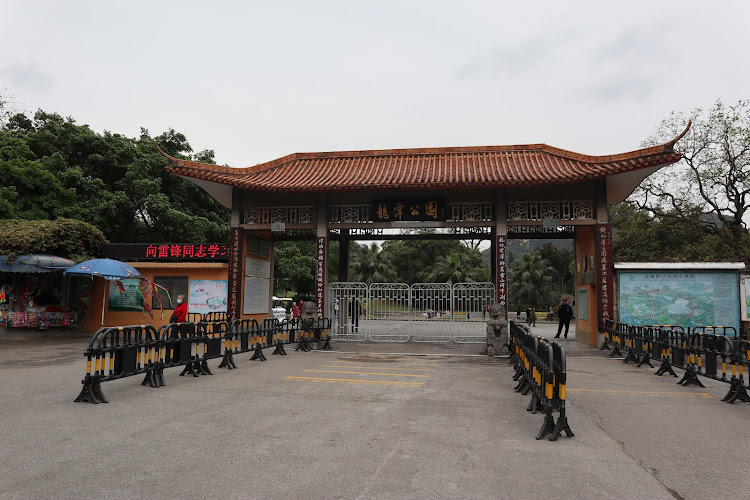
Longtan Park
Liuzhou Duleyan Scenic Area
Liuzhou Yiying Ecology Mount Villa
Find Accommodations Nearby
Recommended Tours & Activities
Visitor Reviews
There are no reviews yet. Be the first one to write one.
Share Your Experience
Have you visited Rongshui Miao Autonomous County? Help other travelers by leaving a review.