
Williamson Art Gallery & Museum
About Williamson Art Gallery & Museum
Description
If you’ve ever found yourself wandering around Birkenhead, you might’ve passed right by the Williamson Art Gallery & Museum without knowing just what you’re missing. I speak from experience—I used to zip past Slatey Road on a bus, until a rainy Sunday urged me inside. Let’s just say the gloomy British drizzle became a fair trade for the color and stories I discovered within these old, warm walls. Established in 1928, this place isn’t a stuffy gallery with signs barking “Don’t Touch!” at every corner. Nope. It’s a surprising, even comforting hub that’s deeply rooted in the local scene. In fact, if you squint just right, you can practically feel the echoes of all the artists and visitors over the decades, like art ghosts with strong opinions on sketching technique and scones.
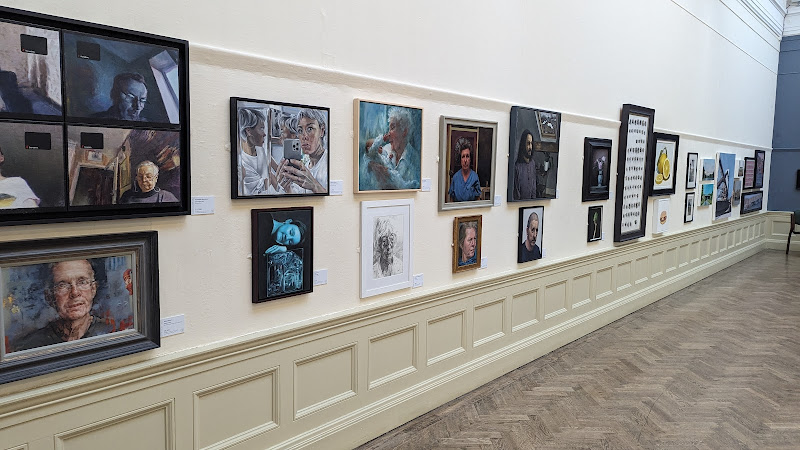
First off—this isn’t the Tate or the National Gallery, and that’s a massive part of its charm. Instead, you’ll find a handpicked mix of paintings, ceramics, sculptures, maritime artefacts, and even ship models. A lot of it comes from those with real connections to Wirral and Merseyside. To me, that authenticity sings. I was surprised by how many of the works here aren’t just “famous” for fame’s sake but actually matter to the local community. There’s always at least a couple of pieces that’ll stop you in your tracks or make you strangely emotional over an old ferry boat painting. The museum doesn’t try too hard to impress; it lets the art (and sometimes the enthusiastic guides) do the talking.
For families, it’s a dream. I remember one grumpy grandad getting drawn into a maritime display he’d only planned to “glance at.” The place is deeply child-friendly without being too plastic or theme park-ish. Staff doesn’t frown if your toddler’s a bit rowdy—probably because there’s enough space to wander freely, coupled with some tactile, interactive exhibits tucked away for the curious. If you’re wheelchair-bound, pushchair-laden, or just really tired, everything’s flat and open, not pokey or maze-like. Someone finally got museum layouts right.
You’ll hear a bit of live music every now and again, which makes the whole space feel less like a museum and more like your intelligent friend’s living room—if your friend happened to host jazz nights and poetry slams. Oh, and the café? I’m not going to pretend it’s Michelin-starred, but sometimes you really don’t want frou-frou nibbles—you just want a hot brew and a wedge of cake after pondering centuries of creativity. Job done.
Key Features
- Classic gallery and museum atmosphere, established in 1928 and full of local character
- A varied collection: paintings, sculptures, maritime models, and ceramics with emphasis on local artists
- Accessible for all, featuring wheelchair-friendly entrances, restrooms, seating, and parking
- Family-friendly – open layouts and exhibits suitable for kids without being overwhelming
- Onsite café—ideal for a quick bite, hearty lunch, or a refueling coffee between cultural deep-dives
- Live performances ranging from music to poetry, adding a fresh twist to the usual museum vibe
- Thoughtfully designed rest spaces throughout, so you can relax without feeling rushed
- Regularly rotating exhibitions mean there’s always something new, from student art to seasoned pros
- Knowledgeable, down-to-earth staff happy to share stories about the art if you linger or look confused (no shame—they love it!)
- An understated, welcoming environment—without the big city crowds or snobby pretensions
Best Time to Visit
Let’s be honest—there’s something about a British rainstorm that makes museums downright irresistible. But here’s my honest-to-goodness take: weekdays, especially late mornings or mid-afternoons, bring out the best in the Williamson. Fewer people, a less frantic energy, and space to really take it all in. Saturdays aren’t terrible, but expect more locals (sometimes herding reluctant teenagers) and families making the most of their days off, and that hum of energy is great unless you’re chasing a quiet, introspective stroll.
If you catch wind of a special exhibit or a live performance, carve your schedule around it—you might regret missing a jazz trio playing by the stained-glass panels, as I once did when my bus broke down. School holidays? Well, expect a few more youngsters and strollers, but nothing like the Bustling Horror of London’s bigger galleries. Personally, I say rainy days are the golden ticket. The soft patter against the old windows, all that rich wood and painted canvas—there’s a coziness to it that’s hard to beat.
How to Get There
Right, let’s break this down because getting to the Williamson Art Gallery & Museum is refreshingly doable (no cross-country pilgrimages required). You’re in luck if you’re already in Birkenhead or the Wirral. I’ve tried trains, buses, and driving, so here’s the scoop:
If you’re coming by car, parking is a dream—ample free spaces, little hustle and no multi-story maze to get lost in. If you’ve ever racked up a small mortgage parking in Liverpool, you’ll weep with gratitude. Traveling by train? Jump off at Birkenhead Park or Birkenhead Central. It’s about a 15-minute walk. Trains are frequent, so unless some major football match is on, getting a seat’s usually no biggie.
The local buses are even handier. Any route that heads toward Oxton or passes through Slatey Road will drop you close to the entrance. There are usually clear signs (and quite friendly drivers who’ll tip you off if you look more confused than the average tourist). Of course, there’s always a trusty taxi if you fancy spending that bit more for some door-to-door convenience. Just remember: Google Maps sometimes gets a funny idea about back entrances. Stick with the main path—look out for the classic red brick and a small, elegant sign.
Tips for Visiting
A little preparation goes a long way. Here are genuine nuggets I wish someone had told me before my first wander:
- Check out the event calendar before your trip. Those live performances spice things up, and you don’t want to hear about them after the fact from a smug local.
- Don’t rush—seriously, there are hidden rooms and unexpected bits. I missed the ship models on my first run-through and you do NOT want to skip those if you’re even slightly into maritime history.
- If you’re with kids, bring a notebook or sketchpad. There’s usually a spot where little artists can plop down and scribble, and it saves parents from “I’m bored!” after ten minutes.
- The café is a gem, but gets busy right after noon. Try swinging by mid-morning or just after lunchtime classics (like around 2pm) for the best cakes and most peaceful tables.
- Ask staff for recommendations. Everyone is friendly, and you might get a story behind an artwork that’s not on the plaque. Local pride runs deep here and it shows.
- Accessibility is excellent, but if you need specific arrangements (like extra time in smaller rooms), call ahead—staff genuinely like to help you avoid surprises.
- Photography is usually allowed (sans flash)—but do double-check at exhibitions, especially with loaned artworks.
- Combine your visit with a stroll around Oxton; the suburb is unexpectedly charming, with quirky houses and secret gardens. It makes for a relaxing post-gallery breather.
- Save your ticket receipts if you buy anything—sometimes there’s a small discount for repeat visits or events. Who doesn’t love a deal?
And one final tip: trust your gut. If you’re drawn to a quiet corner or a particular painting, spend time with it. Let the grand timelines and bus schedules take a back seat. Museums like this aren’t about ticking off a list, but letting curiosity lead you. Whether you’re escaping the rain, fuelling your creative spark, or just hoping for a good piece of cake, the Williamson is one of those unflashy gems that lingers in your memory far longer than you expect. And if that’s not a good reason to carve out an afternoon here, I don’t know what is.
Key Features
- Classic gallery and museum atmosphere, established in 1928 and full of local character
- A varied collection: paintings, sculptures, maritime models, and ceramics with emphasis on local artists
- Accessible for all, featuring wheelchair-friendly entrances, restrooms, seating, and parking
- Family-friendly – open layouts and exhibits suitable for kids without being overwhelming
- Onsite café—ideal for a quick bite, hearty lunch, or a refueling coffee between cultural deep-dives
- Live performances ranging from music to poetry, adding a fresh twist to the usual museum vibe
- Thoughtfully designed rest spaces throughout, so you can relax without feeling rushed
- Regularly rotating exhibitions mean there’s always something new, from student art to seasoned pros
More Details
Updated June 8, 2025
Table of Contents
Description
If you’ve ever found yourself wandering around Birkenhead, you might’ve passed right by the Williamson Art Gallery & Museum without knowing just what you’re missing. I speak from experience—I used to zip past Slatey Road on a bus, until a rainy Sunday urged me inside. Let’s just say the gloomy British drizzle became a fair trade for the color and stories I discovered within these old, warm walls. Established in 1928, this place isn’t a stuffy gallery with signs barking “Don’t Touch!” at every corner. Nope. It’s a surprising, even comforting hub that’s deeply rooted in the local scene. In fact, if you squint just right, you can practically feel the echoes of all the artists and visitors over the decades, like art ghosts with strong opinions on sketching technique and scones.
First off—this isn’t the Tate or the National Gallery, and that’s a massive part of its charm. Instead, you’ll find a handpicked mix of paintings, ceramics, sculptures, maritime artefacts, and even ship models. A lot of it comes from those with real connections to Wirral and Merseyside. To me, that authenticity sings. I was surprised by how many of the works here aren’t just “famous” for fame’s sake but actually matter to the local community. There’s always at least a couple of pieces that’ll stop you in your tracks or make you strangely emotional over an old ferry boat painting. The museum doesn’t try too hard to impress; it lets the art (and sometimes the enthusiastic guides) do the talking.
For families, it’s a dream. I remember one grumpy grandad getting drawn into a maritime display he’d only planned to “glance at.” The place is deeply child-friendly without being too plastic or theme park-ish. Staff doesn’t frown if your toddler’s a bit rowdy—probably because there’s enough space to wander freely, coupled with some tactile, interactive exhibits tucked away for the curious. If you’re wheelchair-bound, pushchair-laden, or just really tired, everything’s flat and open, not pokey or maze-like. Someone finally got museum layouts right.
You’ll hear a bit of live music every now and again, which makes the whole space feel less like a museum and more like your intelligent friend’s living room—if your friend happened to host jazz nights and poetry slams. Oh, and the café? I’m not going to pretend it’s Michelin-starred, but sometimes you really don’t want frou-frou nibbles—you just want a hot brew and a wedge of cake after pondering centuries of creativity. Job done.
Key Features
- Classic gallery and museum atmosphere, established in 1928 and full of local character
- A varied collection: paintings, sculptures, maritime models, and ceramics with emphasis on local artists
- Accessible for all, featuring wheelchair-friendly entrances, restrooms, seating, and parking
- Family-friendly – open layouts and exhibits suitable for kids without being overwhelming
- Onsite café—ideal for a quick bite, hearty lunch, or a refueling coffee between cultural deep-dives
- Live performances ranging from music to poetry, adding a fresh twist to the usual museum vibe
- Thoughtfully designed rest spaces throughout, so you can relax without feeling rushed
- Regularly rotating exhibitions mean there’s always something new, from student art to seasoned pros
- Knowledgeable, down-to-earth staff happy to share stories about the art if you linger or look confused (no shame—they love it!)
- An understated, welcoming environment—without the big city crowds or snobby pretensions
Best Time to Visit
Let’s be honest—there’s something about a British rainstorm that makes museums downright irresistible. But here’s my honest-to-goodness take: weekdays, especially late mornings or mid-afternoons, bring out the best in the Williamson. Fewer people, a less frantic energy, and space to really take it all in. Saturdays aren’t terrible, but expect more locals (sometimes herding reluctant teenagers) and families making the most of their days off, and that hum of energy is great unless you’re chasing a quiet, introspective stroll.
If you catch wind of a special exhibit or a live performance, carve your schedule around it—you might regret missing a jazz trio playing by the stained-glass panels, as I once did when my bus broke down. School holidays? Well, expect a few more youngsters and strollers, but nothing like the Bustling Horror of London’s bigger galleries. Personally, I say rainy days are the golden ticket. The soft patter against the old windows, all that rich wood and painted canvas—there’s a coziness to it that’s hard to beat.
How to Get There
Right, let’s break this down because getting to the Williamson Art Gallery & Museum is refreshingly doable (no cross-country pilgrimages required). You’re in luck if you’re already in Birkenhead or the Wirral. I’ve tried trains, buses, and driving, so here’s the scoop:
If you’re coming by car, parking is a dream—ample free spaces, little hustle and no multi-story maze to get lost in. If you’ve ever racked up a small mortgage parking in Liverpool, you’ll weep with gratitude. Traveling by train? Jump off at Birkenhead Park or Birkenhead Central. It’s about a 15-minute walk. Trains are frequent, so unless some major football match is on, getting a seat’s usually no biggie.
The local buses are even handier. Any route that heads toward Oxton or passes through Slatey Road will drop you close to the entrance. There are usually clear signs (and quite friendly drivers who’ll tip you off if you look more confused than the average tourist). Of course, there’s always a trusty taxi if you fancy spending that bit more for some door-to-door convenience. Just remember: Google Maps sometimes gets a funny idea about back entrances. Stick with the main path—look out for the classic red brick and a small, elegant sign.
Tips for Visiting
A little preparation goes a long way. Here are genuine nuggets I wish someone had told me before my first wander:
- Check out the event calendar before your trip. Those live performances spice things up, and you don’t want to hear about them after the fact from a smug local.
- Don’t rush—seriously, there are hidden rooms and unexpected bits. I missed the ship models on my first run-through and you do NOT want to skip those if you’re even slightly into maritime history.
- If you’re with kids, bring a notebook or sketchpad. There’s usually a spot where little artists can plop down and scribble, and it saves parents from “I’m bored!” after ten minutes.
- The café is a gem, but gets busy right after noon. Try swinging by mid-morning or just after lunchtime classics (like around 2pm) for the best cakes and most peaceful tables.
- Ask staff for recommendations. Everyone is friendly, and you might get a story behind an artwork that’s not on the plaque. Local pride runs deep here and it shows.
- Accessibility is excellent, but if you need specific arrangements (like extra time in smaller rooms), call ahead—staff genuinely like to help you avoid surprises.
- Photography is usually allowed (sans flash)—but do double-check at exhibitions, especially with loaned artworks.
- Combine your visit with a stroll around Oxton; the suburb is unexpectedly charming, with quirky houses and secret gardens. It makes for a relaxing post-gallery breather.
- Save your ticket receipts if you buy anything—sometimes there’s a small discount for repeat visits or events. Who doesn’t love a deal?
And one final tip: trust your gut. If you’re drawn to a quiet corner or a particular painting, spend time with it. Let the grand timelines and bus schedules take a back seat. Museums like this aren’t about ticking off a list, but letting curiosity lead you. Whether you’re escaping the rain, fuelling your creative spark, or just hoping for a good piece of cake, the Williamson is one of those unflashy gems that lingers in your memory far longer than you expect. And if that’s not a good reason to carve out an afternoon here, I don’t know what is.
Key Highlights
- Classic gallery and museum atmosphere, established in 1928 and full of local character
- A varied collection: paintings, sculptures, maritime models, and ceramics with emphasis on local artists
- Accessible for all, featuring wheelchair-friendly entrances, restrooms, seating, and parking
- Family-friendly – open layouts and exhibits suitable for kids without being overwhelming
- Onsite café—ideal for a quick bite, hearty lunch, or a refueling coffee between cultural deep-dives
- Live performances ranging from music to poetry, adding a fresh twist to the usual museum vibe
- Thoughtfully designed rest spaces throughout, so you can relax without feeling rushed
- Regularly rotating exhibitions mean there’s always something new, from student art to seasoned pros
Location
Places to Stay Near Williamson Art Gallery & Museum
Find and Book a Tour
Explore More Travel Guides
No reviews found! Be the first to review!
Traveler Reviews for Williamson Art Gallery & Museum
There are no reviews yet. Be the first one to write one.
Have you visited Williamson Art Gallery & Museum? Help other travelers by sharing your review.
You Might Also Like

Find Accommodations Nearby
Recommended Tours & Activities
Visitor Reviews
There are no reviews yet. Be the first one to write one.
Share Your Experience
Have you visited Williamson Art Gallery & Museum? Help other travelers by leaving a review.