
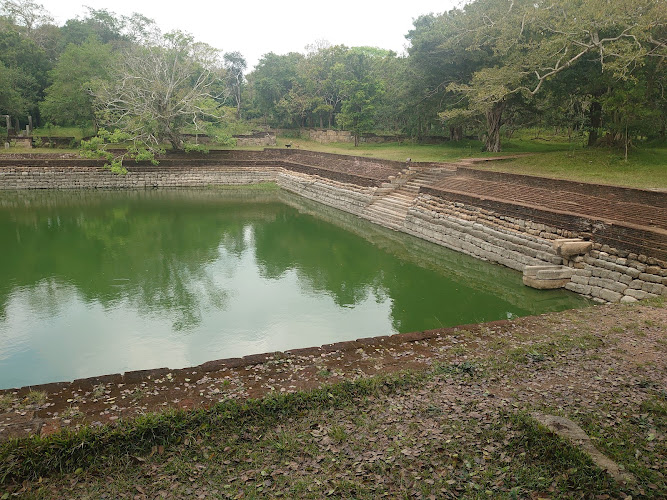
Elephant Pond ඇත් පොකුණ
About Elephant Pond ඇත් පොකුණ
Description
Alright, so let’s get straight to it—Elephant Pond (ඇත් පොකුණ, "Eth Pokuna" – which literally means Elephant Pond!) is one of those historical spots in Sri Lanka that seeps with old-world mystery. It's tucked away in Anuradhapura, a place already crammed with enough ancient ruins to make even the most skeptical traveler a bit awe-struck. If you’re like me and find yourself daydreaming about what life must have looked like for folks wandering around here centuries ago, this place will get your imagination humming.
Now, don’t go expecting elephants wallowing around, despite the name (although oh, how much more epic would that be?). This vast man-made tank is a marvel of ancient engineering. It’s a huge, rectangular reservoir—honestly, it almost looks infinite when the monsoon fills it up—meant to provide water for the monks and the vast monastic complex nearby. Ancient Sri Lankans didn't mess around with their architecture. You see those perfectly fitted granite slabs lining the pond? No cement or adhesive, yet they've weathered over a thousand years. Talk about building things to last!
I remember the first time I visited; the sense of scale is just surreal. I mean, you’re squinting at these stone steps gently sloping into those glassy waters and it genuinely makes you wonder how much labor, sweat, and brilliance went into this feat. Local legend has it that the Elephant Pond could hold enough water to satisfy a small army—literally, up to 75 million liters (try wrapping your head around that). And even on the busiest days (school trips galore!), there’s a certain peace humming in the air here. Maybe it’s the way the sunlight glints off the old stone, or how the water just sits, an unhurried patch of blue. Either way, you kind of want to sit down and listen.
What makes Elephant Pond so cool? It’s wild how relevant ancient water management is to our modern eco-sensitive times. The monks here figured out how to move water through underground stone pipes—visible even today!—which feels more futuristic than you'd guess. And let’s be honest, if you’ve already seen one too many dagobas and are desperate for a breather, Elephant Pond is an underrated hidden gem. It’s soothing on the eyes and the soul. By the way, kids seem to love clambering up and down the wide steps—something I admit I secretly enjoyed, too.
Is it flawless? Well, some travelers might wish for a dash more 'excitement' or interpretive signage. The pond’s charm is subtle and more about soaking in the ambiance and letting your mind wander. But for history buffs or anyone needing a break (or the ultimate Instagram shot with a serene lakeside backdrop), Elephant Pond never disappoints. I won’t lie: if you visit around noon, it can be scorching hot with precious little shade—but that just means you’ll have the place pretty much to yourself, if you’re heat-resistant!
Key Features
- Massive man-made reservoir: One of the largest ancient man-made ponds in South Asia, measuring over 159 meters in length, 52 meters wide and 9 meters deep.
- Ancient water management: Ingenious underground granite pipelines still visible, used for channeling water to and from the pond, showcasing ancient hydraulic engineering.
- Granite slab architecture: The walls and steps are constructed entirely from large, precisely cut granite slabs—no mortar, just gravity and skill holding it all together. Pretty mind-blowing, honestly!
- Historical and spiritual significance: Built during the Anuradhapura era, believed to have served thousands of monks at the nearby Abhayagiri Monastery. You can almost hear the echoes of centuries-old footsteps.
- Calm atmosphere: The ambiance is serene, with fewer crowds compared to busier city spots, making it ideal for peaceful reflection, photo ops, and slow walks.
- Family-friendly: Plenty of open space for kids to explore; kids love scrambling along the steps almost as much as the grown-ups.
- Wildlife spotting: Occasionally, you might catch glimpses of birds, frogs, butterflies, or even a water monitor or two basking at the pond’s edge—local animal residents adding to the charm.
- Instagram-worthy views: The tranquil waters, perfectly symmetrical stonework, and lush greenery all combine for some epic photographs.
- Accessibility: Situated along a main road and easy to reach by tuk-tuk, bicycle, or even on foot if you’re exploring Anuradhapura’s ancient city.
- Off-the-beaten-track feel: Despite its size and history, it’s less crowded than some landmarks, letting you soak in the ancient vibes without busloads of tourists buzzing around.
Best Time to Visit
If you’re after the classic “glassy blue pond meets golden stone” shot, shoot for the early morning, right around sunrise. The light is soft, the water sometimes still clings to a morning mist, and the tourists haven’t yet started rolling in. Late afternoon is a solid runner-up—especially if you’re a fan of slanting shadows and that gentle, golden glow settling across the stone. If you can manage to visit between January and March, or again from May to September, you’ll dodge the worst of the rains and enjoy pleasant, dry weather ideal for wandering outdoors.
But, okay, I’ll admit: I once went in the thick of the monsoon by accident. The air was muggy, sure, but the pond absolutely brimmed—water up to the very top! Locals sometimes say that’s when Elephant Pond looks most impressive, though it may be a bit muddy underfoot. And packing a poncho isn’t a crime. Honestly, there’s a unique magic in seeing the ancient city soaked in rain, as though time itself has come to a slow crawl.
Weekdays are your best bet for solitude—families and school groups usually pick weekends or public holidays for field trips. And don’t let mid-day sun scare you away (just bring lots of water and a big hat)—that’s when it’s emptiest, perfect if you want the place almost entirely to yourself to ponder the mysteries of ancient civilization.
How to Get There
Getting here honestly isn’t rocket science, but your approach depends on your starting point and your sense of adventure (and maybe, just maybe, your tolerance for bumpy tuk-tuk rides). If you’re staying in central Anuradhapura, you can catch a tuk-tuk—quick, cheerful, and they usually know right where Elephant Pond is. It’s a common stop for travelers making the rounds of the ancient city, and drivers are happy to share their own stories about the place.
Bicycles are wildly popular in this part of Sri Lanka, especially because so many of the ancient sites are clustered close. There’s just something about pedaling beneath the hot sun, wind on your face, dust in your hair, trundling between crumbling pillars and sacred trees. The roads can get patchy, but it’s all part of the charm. Say hi to the other cyclists; you’re all adventurers at heart!
If you’re up for some steady walking, you can sometimes loop Elephant Pond in as part of a broader “ruins stroll”—especially if you also want to see the monasteries or the mighty Jaya Sri Maha Bodhi tree. Just don’t believe folks who say it’s fifteen minutes “just around the corner” from every other site. Sometimes distances here stretch, but that’s half the fun.
If you’re driving, there’s parking nearby, but the lot can get a bit chaotic on holidays. Be sure to secure your belongings and double-check you aren’t parked in the way—a lesson I learned after coming back to find a troop of monkeys inspecting my bag. Good story for later, though!
Tips for Visiting
- Bring water and sun protection: The area can get toasty, especially midday. A hat and sunscreen are your new best friends—trust me, your skin will thank you later.
- Wear sturdy shoes: Those granite steps can get slippery in the rain, and you’ll want comfy shoes for walking about. Flip-flops are a bold choice unless you're really brave.
- Let kids explore (safely): The steps are wide and inviting, but younger children need to be supervised by the water. It’s easy to get caught up in the moment here.
- Pause and listen: Sit quietly for a moment. You’ll hear birds, rustling wind, maybe the faint splash of a fish. It’s a powerful pause from the (sometimes overwhelming) pace of temple-hopping.
- Pack light snacks: There aren’t any food stalls right at the site. Sometimes you’ll spot vendors with king coconuts or peanuts—delicious and good for a quick energy boost.
- <strong
Key Features
- Key Features
- Best Time to Visit
- How to Get There
- Tips for Visiting
More Details
Updated June 11, 2025
Table of Contents
Description
Alright, so let’s get straight to it—Elephant Pond (ඇත් පොකුණ, “Eth Pokuna” – which literally means Elephant Pond!) is one of those historical spots in Sri Lanka that seeps with old-world mystery. It’s tucked away in Anuradhapura, a place already crammed with enough ancient ruins to make even the most skeptical traveler a bit awe-struck. If you’re like me and find yourself daydreaming about what life must have looked like for folks wandering around here centuries ago, this place will get your imagination humming.
Now, don’t go expecting elephants wallowing around, despite the name (although oh, how much more epic would that be?). This vast man-made tank is a marvel of ancient engineering. It’s a huge, rectangular reservoir—honestly, it almost looks infinite when the monsoon fills it up—meant to provide water for the monks and the vast monastic complex nearby. Ancient Sri Lankans didn’t mess around with their architecture. You see those perfectly fitted granite slabs lining the pond? No cement or adhesive, yet they’ve weathered over a thousand years. Talk about building things to last!
I remember the first time I visited; the sense of scale is just surreal. I mean, you’re squinting at these stone steps gently sloping into those glassy waters and it genuinely makes you wonder how much labor, sweat, and brilliance went into this feat. Local legend has it that the Elephant Pond could hold enough water to satisfy a small army—literally, up to 75 million liters (try wrapping your head around that). And even on the busiest days (school trips galore!), there’s a certain peace humming in the air here. Maybe it’s the way the sunlight glints off the old stone, or how the water just sits, an unhurried patch of blue. Either way, you kind of want to sit down and listen.
What makes Elephant Pond so cool? It’s wild how relevant ancient water management is to our modern eco-sensitive times. The monks here figured out how to move water through underground stone pipes—visible even today!—which feels more futuristic than you’d guess. And let’s be honest, if you’ve already seen one too many dagobas and are desperate for a breather, Elephant Pond is an underrated hidden gem. It’s soothing on the eyes and the soul. By the way, kids seem to love clambering up and down the wide steps—something I admit I secretly enjoyed, too.
Is it flawless? Well, some travelers might wish for a dash more ‘excitement’ or interpretive signage. The pond’s charm is subtle and more about soaking in the ambiance and letting your mind wander. But for history buffs or anyone needing a break (or the ultimate Instagram shot with a serene lakeside backdrop), Elephant Pond never disappoints. I won’t lie: if you visit around noon, it can be scorching hot with precious little shade—but that just means you’ll have the place pretty much to yourself, if you’re heat-resistant!
Key Features
- Massive man-made reservoir: One of the largest ancient man-made ponds in South Asia, measuring over 159 meters in length, 52 meters wide and 9 meters deep.
- Ancient water management: Ingenious underground granite pipelines still visible, used for channeling water to and from the pond, showcasing ancient hydraulic engineering.
- Granite slab architecture: The walls and steps are constructed entirely from large, precisely cut granite slabs—no mortar, just gravity and skill holding it all together. Pretty mind-blowing, honestly!
- Historical and spiritual significance: Built during the Anuradhapura era, believed to have served thousands of monks at the nearby Abhayagiri Monastery. You can almost hear the echoes of centuries-old footsteps.
- Calm atmosphere: The ambiance is serene, with fewer crowds compared to busier city spots, making it ideal for peaceful reflection, photo ops, and slow walks.
- Family-friendly: Plenty of open space for kids to explore; kids love scrambling along the steps almost as much as the grown-ups.
- Wildlife spotting: Occasionally, you might catch glimpses of birds, frogs, butterflies, or even a water monitor or two basking at the pond’s edge—local animal residents adding to the charm.
- Instagram-worthy views: The tranquil waters, perfectly symmetrical stonework, and lush greenery all combine for some epic photographs.
- Accessibility: Situated along a main road and easy to reach by tuk-tuk, bicycle, or even on foot if you’re exploring Anuradhapura’s ancient city.
- Off-the-beaten-track feel: Despite its size and history, it’s less crowded than some landmarks, letting you soak in the ancient vibes without busloads of tourists buzzing around.
Best Time to Visit
If you’re after the classic “glassy blue pond meets golden stone” shot, shoot for the early morning, right around sunrise. The light is soft, the water sometimes still clings to a morning mist, and the tourists haven’t yet started rolling in. Late afternoon is a solid runner-up—especially if you’re a fan of slanting shadows and that gentle, golden glow settling across the stone. If you can manage to visit between January and March, or again from May to September, you’ll dodge the worst of the rains and enjoy pleasant, dry weather ideal for wandering outdoors.
But, okay, I’ll admit: I once went in the thick of the monsoon by accident. The air was muggy, sure, but the pond absolutely brimmed—water up to the very top! Locals sometimes say that’s when Elephant Pond looks most impressive, though it may be a bit muddy underfoot. And packing a poncho isn’t a crime. Honestly, there’s a unique magic in seeing the ancient city soaked in rain, as though time itself has come to a slow crawl.
Weekdays are your best bet for solitude—families and school groups usually pick weekends or public holidays for field trips. And don’t let mid-day sun scare you away (just bring lots of water and a big hat)—that’s when it’s emptiest, perfect if you want the place almost entirely to yourself to ponder the mysteries of ancient civilization.
How to Get There
Getting here honestly isn’t rocket science, but your approach depends on your starting point and your sense of adventure (and maybe, just maybe, your tolerance for bumpy tuk-tuk rides). If you’re staying in central Anuradhapura, you can catch a tuk-tuk—quick, cheerful, and they usually know right where Elephant Pond is. It’s a common stop for travelers making the rounds of the ancient city, and drivers are happy to share their own stories about the place.
Bicycles are wildly popular in this part of Sri Lanka, especially because so many of the ancient sites are clustered close. There’s just something about pedaling beneath the hot sun, wind on your face, dust in your hair, trundling between crumbling pillars and sacred trees. The roads can get patchy, but it’s all part of the charm. Say hi to the other cyclists; you’re all adventurers at heart!
If you’re up for some steady walking, you can sometimes loop Elephant Pond in as part of a broader “ruins stroll”—especially if you also want to see the monasteries or the mighty Jaya Sri Maha Bodhi tree. Just don’t believe folks who say it’s fifteen minutes “just around the corner” from every other site. Sometimes distances here stretch, but that’s half the fun.
If you’re driving, there’s parking nearby, but the lot can get a bit chaotic on holidays. Be sure to secure your belongings and double-check you aren’t parked in the way—a lesson I learned after coming back to find a troop of monkeys inspecting my bag. Good story for later, though!
Tips for Visiting
- Bring water and sun protection: The area can get toasty, especially midday. A hat and sunscreen are your new best friends—trust me, your skin will thank you later.
- Wear sturdy shoes: Those granite steps can get slippery in the rain, and you’ll want comfy shoes for walking about. Flip-flops are a bold choice unless you’re really brave.
- Let kids explore (safely): The steps are wide and inviting, but younger children need to be supervised by the water. It’s easy to get caught up in the moment here.
- Pause and listen: Sit quietly for a moment. You’ll hear birds, rustling wind, maybe the faint splash of a fish. It’s a powerful pause from the (sometimes overwhelming) pace of temple-hopping.
- Pack light snacks: There aren’t any food stalls right at the site. Sometimes you’ll spot vendors with king coconuts or peanuts—delicious and good for a quick energy boost.
-
Key Highlights
- Key Features
- Best Time to Visit
- How to Get There
- Tips for Visiting
Location
Places to Stay Near Elephant Pond ඇත් පොකුණ
Find and Book a Tour
Explore More Travel Guides
No reviews found! Be the first to review!
Traveler Reviews for Elephant Pond ඇත් පොකුණ
There are no reviews yet. Be the first one to write one.
Have you visited Elephant Pond ඇත් පොකුණ? Help other travelers by sharing your review.
You Might Also Like
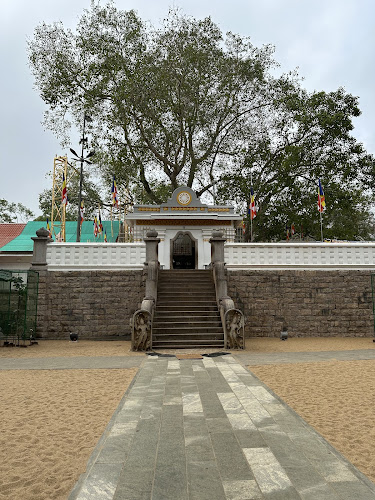
Sri Maha Bodhi
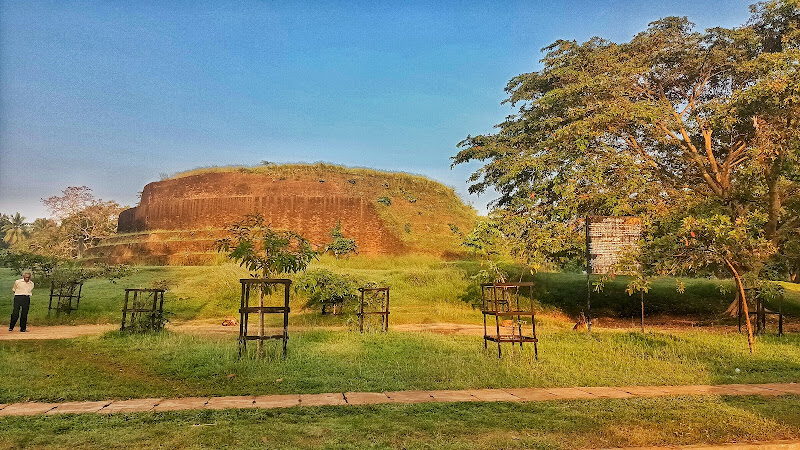
Dakkhina Stupa - Anuradhapura
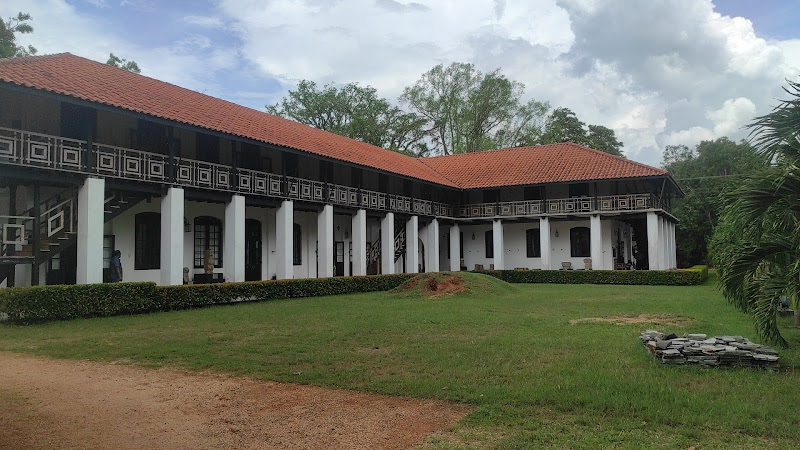
Archaeological Museum, Anuradhapura
Find Accommodations Nearby
Recommended Tours & Activities
Visitor Reviews
There are no reviews yet. Be the first one to write one.
Share Your Experience
Have you visited Elephant Pond ඇත් පොකුණ? Help other travelers by leaving a review.