
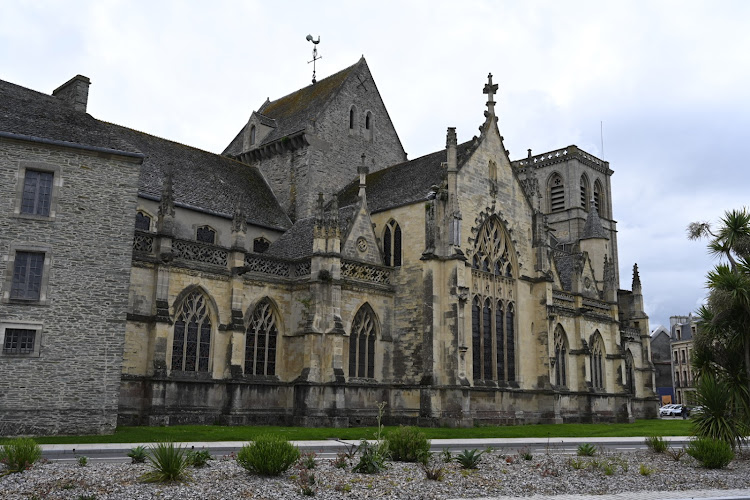
Basilique Sainte-Trinité de Cherbourg-en-Cotentin
About Basilique Sainte-Trinité de Cherbourg-en-Cotentin
Description
Basilique Sainte-Trinité de Cherbourg-en-Cotentin, or the Holy Trinity Basilica as I like to call it when chatting with friends about my Normandy adventures, is one of those places you can't help but talk about even months after visiting. This is not just another church—it’s a storyteller in stone. When you walk up to it, the grandeur hits you, sure, but then you start to notice the little imperfections and weather-worn details that make it all the more real. Built originally in the 11th century and reimagined multiple times since, this basilica is a living, breathing testament to medieval ambition—and a bit of stubborn French persistence if you ask me.
I've got to admit, when I first set foot inside, I didn't expect to linger. But there's a hum of history here. The combination of French Gothic and Romanesque architectural elements is almost like watching two artistic worlds having a lively conversation overhead. Each arch and column tells a tale of Cherbourg’s maritime past, wartime perseverance, and the centuries-old faith of its community. And speaking of tales, local legends say the bell tower guided sailors safely home; honestly, just standing beneath it, you can practically feel the salt air stories swirling around you.
What’s special about Sainte-Trinité isn’t only about what you see. Sometimes, especially on a quiet weekday morning, the light flows in through those magnificent stained glass windows and paints the stone floors in hues you’d think only artists could imagine. There’s beauty, awe, and, dare I say, a bit of mischief in how the basilica’s details play with sunlight and shade. It isn't all perfect—there are nicks, cracks, and a few signs of wear—but these give it a reassuring authenticity that makes you feel welcome rather than intimidated.
If you’re the sort who notices the small things: don’t miss the carved capitals or the little whispers of restoration amid ancient stones. The juxtaposition of sacred silence and the distant sounds of daily life spilling in from the square outside? It’s kind of magical. For some, it’s a must-stop on a spiritual pilgrimage. For others like me, who just love places dripping with history, it delivers goosebumps and a sudden urge to sit a spell in one of those wooden pews.
Key Features
- Striking Architecture: An eclectic blend of Gothic and Romanesque design, showcasing pointed arches, ribbed vaults, and quirky medieval details—those gargoyles are surprisingly expressive!
- Impressive Stained Glass: Sunlight transforms this space. Vibrant stained glass windows depict stories from the Bible and local history, especially astounding when sunbeams catch the colors just right.
- Historic Altars and Artworks: The ornate high altar, intricate woodwork, and centuries-old statues invite closer inspection—you might spot saints unfamiliar outside the region.
- Peaceful Ambiance: Even with a trickle of visitors, the interior remains tranquil. It’s an honest-to-goodness oasis when you need a break from tour groups and city bustle.
- Accessibility: The basilica features wheelchair-accessible entrances and parking, making it friendly for travelers of all abilities. It’s good to see a sense of welcome extending beyond just words.
- Community Life: Active parish with regular services, concerts, and special events. Sometimes, you might just catch a local choir rehearsal echoing through the nave—goosebumps, every time.
- Local Legends: Stories abound about sailors saved by the church steeple’s beacon and wartime dramas that unfolded right on this very square.
Best Time to Visit
Let me share a not-so-secret travel tip: avoid Saturdays if you want solitude! The basilica has a loyal weekend crowd, especially from locals grabbed by religious traditions or just wanting to bask in the atmosphere.
For those happiest wandering through history without elbowing through big groups, aim for a weekday morning between 9:30 and 11:30 am. That’s when you’ll often find the basilica at its quietest, sunbeams dancing through stained glass windows, maybe a caretaker humming somewhere off in a side chapel. I’ve spent many mornings there, practically having the nave to myself with the only noise being the squeak of my sneakers on centuries-old stone.
If you're after a more dynamic experience—think choirs, organ music, or special Masses—try visiting around major Catholic holidays, such as Christmas, Easter, or the Feast of the Holy Trinity (in late May or June). There’s a vibrant community energy during these times, along with decorations that amp up the drama. And if you’re a photography buff, golden hour (right before sunset) is a dream: soft Normandy light makes the façade glow, and shadows stretch like lazy cats across the plaza.
The weather in Cherbourg is unpredictable, sure, but don’t let rain keep you away. The acoustics inside during a storm—nature’s own concert, I’ve come to think—make for an unforgettable soundscape.
How to Get There
Now, Cherbourg-en-Cotentin might sound a tad remote, but it’s pretty accessible once you get your bearings. Trains from Paris Saint-Lazare will get you to Cherbourg in about 3.5 hours. Honestly, I find these long French train journeys almost as memorable as the destinations themselves—a sort of forced downtime to watch the countryside roll by and snack on pastries (mandatory).
From the Cherbourg train station, it’s about a pleasant 20-minute stroll to the basilica. And, hey, local buses zip through the city center and drop you off just a block or two away if your feet have had enough sightseeing for one day.
Road tripping? Cherbourg is well-signposted, and parking isn’t too tricky near the central square where the basilica lives. There’s designated parking with accessible spots for those who need it. If you’re the cycling type, you’ll find decent bike lanes leading in, though navigating old cobblestones can be a thrill (and a challenge)—watch out for those unexpected dips!
For globetrotters coming from the U.K. or the Channel Islands, ferries frequently dock at the Cherbourg Port. It’s then an easy walk or a short taxi ride downtown. I once took a cab and chatted with a driver who’d been baptized in the basilica herself—always ask your drivers; you’ll get stories to supplement your visit.
Tips for Visiting
Alright, time for the good stuff—practical tips I wish someone had told me before my first visit:
- Dress respectfully: You don’t have to show up in your Sunday best, but avoiding shorts, tank tops, or loud graphics is a nice courtesy, especially if services are on.
- Photographers, mind the flash: Photos without flash are usually fine, but double-check on arrival. The staff may politely remind you to avoid disturbing worshippers—fair enough!
- Accessible but uneven: Entrances and parking are wheelchair friendly, but inside, the floor can be uneven—ancient stonework has never heard of modern building codes. Sturdy shoes are your best friend.
- Respect services: Try to time your visit outside of Mass if you just want to explore. But if you’re up for a local experience, sitting in on a service (even just the music) is oddly moving, even if your French is rusty.
- Guided tours: Sometimes offered—these will give you stories you just can’t dig up on your own. But even without them, strike up a conversation with a caretaker or a local hanging around. You’ll learn more from them than any guidebook.
- Don’t rush: Give yourself at least an hour, preferably more, to really feel the place. Pop into a side chapel, sit and listen, or just breathe in the dusty, sacred air. Let the sense of history wash over you.
- Check the calendar: Look ahead for concerts or special events. The basilica’s organ performances are a revelation—they made me wish I’d paid more attention in music class as a kid.
- Bring change for candles: Lighting a candle for a loved one is a meaningful tradition, and small donations help keep the basilica welcoming for everyone.
- No gift shop inside: But local shops and bakeries around the square are gold mines for unique souvenirs. Pick up some regional treats afterward—you’ve earned it.
- Listen to the city: The plaza outside is almost as interesting as inside—street performers, markets, or just people-watching. Combine your basilica
Key Features
- Key Features
- Best Time to Visit
- How to Get There
- Tips for Visiting
More Details
Updated June 9, 2025
Table of Contents
- Description
- Key Features
- Best Time to Visit
- How to Get There
- Tips for Visiting
- Key Highlights
- Location
- Places to Stay Near Basilique Sainte-Trinité de Cherbourg-en-Cotentin
- Find and Book a Tour
- Explore More Travel Guides
- Nearby Places You Might Like
- Traveler Reviews for Basilique Sainte-Trinité de Cherbourg-en-Cotentin
- Share Your Experience
Description
Basilique Sainte-Trinité de Cherbourg-en-Cotentin, or the Holy Trinity Basilica as I like to call it when chatting with friends about my Normandy adventures, is one of those places you can’t help but talk about even months after visiting. This is not just another church—it’s a storyteller in stone. When you walk up to it, the grandeur hits you, sure, but then you start to notice the little imperfections and weather-worn details that make it all the more real. Built originally in the 11th century and reimagined multiple times since, this basilica is a living, breathing testament to medieval ambition—and a bit of stubborn French persistence if you ask me.
I’ve got to admit, when I first set foot inside, I didn’t expect to linger. But there’s a hum of history here. The combination of French Gothic and Romanesque architectural elements is almost like watching two artistic worlds having a lively conversation overhead. Each arch and column tells a tale of Cherbourg’s maritime past, wartime perseverance, and the centuries-old faith of its community. And speaking of tales, local legends say the bell tower guided sailors safely home; honestly, just standing beneath it, you can practically feel the salt air stories swirling around you.
What’s special about Sainte-Trinité isn’t only about what you see. Sometimes, especially on a quiet weekday morning, the light flows in through those magnificent stained glass windows and paints the stone floors in hues you’d think only artists could imagine. There’s beauty, awe, and, dare I say, a bit of mischief in how the basilica’s details play with sunlight and shade. It isn’t all perfect—there are nicks, cracks, and a few signs of wear—but these give it a reassuring authenticity that makes you feel welcome rather than intimidated.
If you’re the sort who notices the small things: don’t miss the carved capitals or the little whispers of restoration amid ancient stones. The juxtaposition of sacred silence and the distant sounds of daily life spilling in from the square outside? It’s kind of magical. For some, it’s a must-stop on a spiritual pilgrimage. For others like me, who just love places dripping with history, it delivers goosebumps and a sudden urge to sit a spell in one of those wooden pews.
Key Features
- Striking Architecture: An eclectic blend of Gothic and Romanesque design, showcasing pointed arches, ribbed vaults, and quirky medieval details—those gargoyles are surprisingly expressive!
- Impressive Stained Glass: Sunlight transforms this space. Vibrant stained glass windows depict stories from the Bible and local history, especially astounding when sunbeams catch the colors just right.
- Historic Altars and Artworks: The ornate high altar, intricate woodwork, and centuries-old statues invite closer inspection—you might spot saints unfamiliar outside the region.
- Peaceful Ambiance: Even with a trickle of visitors, the interior remains tranquil. It’s an honest-to-goodness oasis when you need a break from tour groups and city bustle.
- Accessibility: The basilica features wheelchair-accessible entrances and parking, making it friendly for travelers of all abilities. It’s good to see a sense of welcome extending beyond just words.
- Community Life: Active parish with regular services, concerts, and special events. Sometimes, you might just catch a local choir rehearsal echoing through the nave—goosebumps, every time.
- Local Legends: Stories abound about sailors saved by the church steeple’s beacon and wartime dramas that unfolded right on this very square.
Best Time to Visit
Let me share a not-so-secret travel tip: avoid Saturdays if you want solitude! The basilica has a loyal weekend crowd, especially from locals grabbed by religious traditions or just wanting to bask in the atmosphere.
For those happiest wandering through history without elbowing through big groups, aim for a weekday morning between 9:30 and 11:30 am. That’s when you’ll often find the basilica at its quietest, sunbeams dancing through stained glass windows, maybe a caretaker humming somewhere off in a side chapel. I’ve spent many mornings there, practically having the nave to myself with the only noise being the squeak of my sneakers on centuries-old stone.
If you’re after a more dynamic experience—think choirs, organ music, or special Masses—try visiting around major Catholic holidays, such as Christmas, Easter, or the Feast of the Holy Trinity (in late May or June). There’s a vibrant community energy during these times, along with decorations that amp up the drama. And if you’re a photography buff, golden hour (right before sunset) is a dream: soft Normandy light makes the façade glow, and shadows stretch like lazy cats across the plaza.
The weather in Cherbourg is unpredictable, sure, but don’t let rain keep you away. The acoustics inside during a storm—nature’s own concert, I’ve come to think—make for an unforgettable soundscape.
How to Get There
Now, Cherbourg-en-Cotentin might sound a tad remote, but it’s pretty accessible once you get your bearings. Trains from Paris Saint-Lazare will get you to Cherbourg in about 3.5 hours. Honestly, I find these long French train journeys almost as memorable as the destinations themselves—a sort of forced downtime to watch the countryside roll by and snack on pastries (mandatory).
From the Cherbourg train station, it’s about a pleasant 20-minute stroll to the basilica. And, hey, local buses zip through the city center and drop you off just a block or two away if your feet have had enough sightseeing for one day.
Road tripping? Cherbourg is well-signposted, and parking isn’t too tricky near the central square where the basilica lives. There’s designated parking with accessible spots for those who need it. If you’re the cycling type, you’ll find decent bike lanes leading in, though navigating old cobblestones can be a thrill (and a challenge)—watch out for those unexpected dips!
For globetrotters coming from the U.K. or the Channel Islands, ferries frequently dock at the Cherbourg Port. It’s then an easy walk or a short taxi ride downtown. I once took a cab and chatted with a driver who’d been baptized in the basilica herself—always ask your drivers; you’ll get stories to supplement your visit.
Tips for Visiting
Alright, time for the good stuff—practical tips I wish someone had told me before my first visit:
- Dress respectfully: You don’t have to show up in your Sunday best, but avoiding shorts, tank tops, or loud graphics is a nice courtesy, especially if services are on.
- Photographers, mind the flash: Photos without flash are usually fine, but double-check on arrival. The staff may politely remind you to avoid disturbing worshippers—fair enough!
- Accessible but uneven: Entrances and parking are wheelchair friendly, but inside, the floor can be uneven—ancient stonework has never heard of modern building codes. Sturdy shoes are your best friend.
- Respect services: Try to time your visit outside of Mass if you just want to explore. But if you’re up for a local experience, sitting in on a service (even just the music) is oddly moving, even if your French is rusty.
- Guided tours: Sometimes offered—these will give you stories you just can’t dig up on your own. But even without them, strike up a conversation with a caretaker or a local hanging around. You’ll learn more from them than any guidebook.
- Don’t rush: Give yourself at least an hour, preferably more, to really feel the place. Pop into a side chapel, sit and listen, or just breathe in the dusty, sacred air. Let the sense of history wash over you.
- Check the calendar: Look ahead for concerts or special events. The basilica’s organ performances are a revelation—they made me wish I’d paid more attention in music class as a kid.
- Bring change for candles: Lighting a candle for a loved one is a meaningful tradition, and small donations help keep the basilica welcoming for everyone.
- No gift shop inside: But local shops and bakeries around the square are gold mines for unique souvenirs. Pick up some regional treats afterward—you’ve earned it.
-
Listen to the city: The plaza outside is almost as interesting as inside—street performers, markets, or just people-watching. Combine your basilica
Key Highlights
- Key Features
- Best Time to Visit
- How to Get There
- Tips for Visiting
Location
Places to Stay Near Basilique Sainte-Trinité de Cherbourg-en-Cotentin
Find and Book a Tour
Explore More Travel Guides
No reviews found! Be the first to review!
Traveler Reviews for Basilique Sainte-Trinité de Cherbourg-en-Cotentin
There are no reviews yet. Be the first one to write one.
Have you visited Basilique Sainte-Trinité de Cherbourg-en-Cotentin? Help other travelers by sharing your review.
You Might Also Like
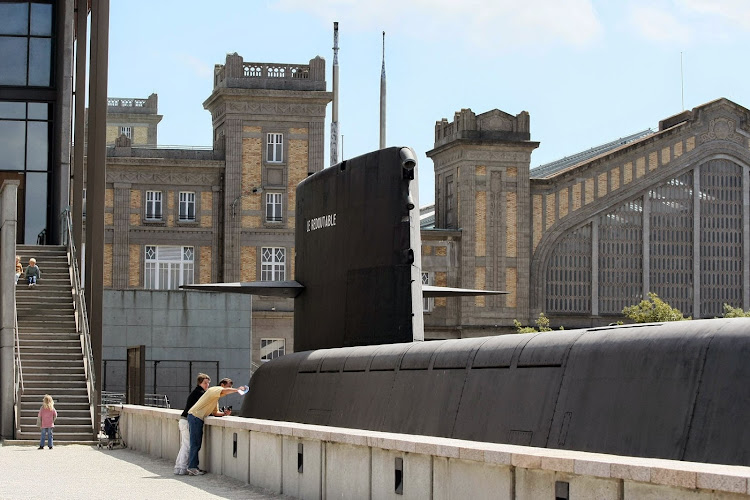
La Cité de la Mer
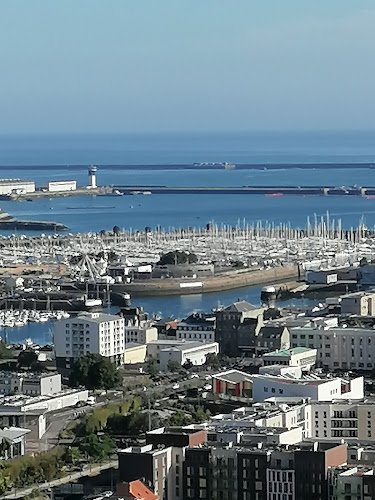
Fort du Roule
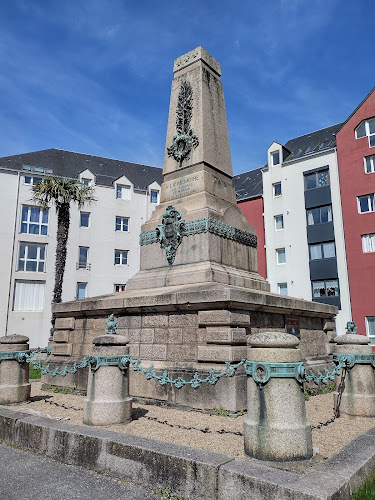
Monument à la mémoire des soldats et marins morts aux colonies
Find Accommodations Nearby
Recommended Tours & Activities
Visitor Reviews
There are no reviews yet. Be the first one to write one.
Share Your Experience
Have you visited Basilique Sainte-Trinité de Cherbourg-en-Cotentin? Help other travelers by leaving a review.