
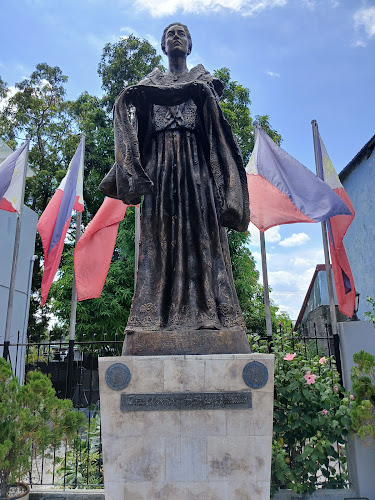
Marcela Agoncillo Monument
About Marcela Agoncillo Monument
Description
Let’s talk about heroic grandmothers for a second. I grew up hearing all these stories about brave Filipina women—fierce, intelligent, quietly shaping the nation’s story without ever really grabbing the spotlight. So when you stand in front of the Marcela Agoncillo Monument in Taal, Batangas, you’re not just seeing another bronze statue; you’re staring right into the fearless heart of Philippine history. Marcela Agoncillo, often nicknamed “the mother of the Philippine flag,” wasn’t some stern figure you had to memorize for school. She was an ordinary woman yanked by history into doing something truly extraordinary: sewing the national flag in exile, by hand, out of hope, ambition, and a heck of a lot of courage.
The monument feels…surprisingly alive for a chunk of stone and metal. Maybe that’s just me being sentimental, but there’s a warmth to it. You don’t see tourists jostling with selfie sticks here (okay, maybe a few, but not the swarms you find at the bigger attractions), which gives you space to just exist alongside history for a moment. Unlike flashy landmarks, this place whispers stories—you have to listen. Maybe you'll spot kids chasing each other in the background or a local grandparent explaining to their grandchild why this lady matters, and bam, you realize history isn’t locked in books. It's right here, living and breathing, sharing sun and breeze with you.
Now, I’m a sucker for places where you actually learn by just being there. This isn’t one of those “walk in, snap photo, walk out” stops. The monument rewards those who give it a little attention. Look closer, and you’ll spot thoughtful details—the folds on Marcela’s dress, the sturdy lines in her face, her hand cradling a bit of cloth like it's the most precious thing in the world. Parents, this is one spot where kids aren’t just tolerated—they’re welcomed! I’ve chatted with a couple of moms who said their little ones loved the “treasure hunt” of learning local history here. If you want to feel inspired and grounded, this is the kind of landmark you return to when you need a reminder of what real courage looks like.
Key Features
- Heartfelt Tribute: The monument honors Marcela Agoncillo, key figure in the creation of the Philippine national flag—making it a destination for those hungry for genuine Philippine history, not just headlines.
- No Crowds, More Meaning: Usually quiet (unless there's a local event), so if you want to reflect or snap thoughtful photographs without a sea of people, this is the spot.
- Kid-Friendly: Open spaces for children to roam; many parents share personal stories about national pride while here.
- Photogenic Angles: Dramatic yet intimate monument composition, perfect for meaningful photos—especially during golden hour. Even my least photogenic friend looked iconic here!
- Educational Value: Placards and guides available, offering a deeper dive into Agoncillo’s role in the nation’s independence struggle—you’ll walk away with more than you came with, trust me.
- Community Connection: Sometimes you might catch local students practicing traditional songs or dances nearby—a charming bonus you won’t find in guidebooks.
- Walkable Vicinity: Within strolling distance to the ancestral homes and other Taal heritage sites—your itinerary basically plans itself.
- Clean, Well-Kept Environment: Locals take real pride in maintaining the monument and its grounds. It’s a little oasis in the daytime sun.
- Deep Local Pride: Interact with Taaleños (locals) and you’ll get stories you won’t read in history textbooks—bring your curiosity!
- Accessible for All Ages: Flat walkways and shaded seating for those with mobility needs or for seniors who want to take it easy.
Best Time to Visit
So, when should you swing by? I’ll be honest: Batangas is hot, even during the so-called “cool” months! But if you ask the locals—or me, because I’ve made more than one accidental sweat-drenched trip—a comfortable visiting window is usually between November and February. That’s when the sun is gentler, the skies are blue, and there’s usually a breeze skipping over Taal. Perfect for slow strolls and taking your sweet time reading every placard (if you’re a history geek like I am).
Weekday mornings win the prize for most peaceful. You’ll get to hear birdsong and your own footsteps—kind of magical, really. Public holidays, especially Araw ng Watawat (Flag Day) in late May, will make the site buzz with community energy, sometimes with small ceremonies and flower offerings at the base of the monument. If you like a bit more action and want to experience cultural rituals firsthand, aim for these days. Just know, parking gets tight and you might need to wait your turn for photos.
Another quirky fun fact: Sunset here isn’t half-bad, especially for you Instagram storytellers. The golden-pink light bathes Agoncillo’s figure and the surrounding greenery with this gentle, almost cinematic glow. 80% of the time, my phone snaps come out gorgeous without the need for filters.
How to Get There
Getting to the Marcela Agoncillo Monument is part of the adventure (and sometimes a little test of patience if you’re new to Batangas traffic). First off, if traveling from Metro Manila, brace yourself for around a 2-3 hour road trip, traffic gods permitting. South Luzon Expressway is your buddy until you reach the Batangas exit, then just follow the signs towards Taal town. You’ll start recognizing the area by the sudden burst of heritage architecture and café signage.
Jeepneys are plentiful—and riding them is like getting a free crash course in local color. If you’re the type who likes to dive into new experiences, catching a jeep from Lemery or Taal Public Market is easy, plus you’ll get an early glimpse of the local life. Tricycles, meanwhile, rule the last-mile journey; they’ll drop you comfortably right at the site entrance. (I will admit, tricycle rides are loud, chaotic, but also strangely soothing. Kinda like riding a roller coaster at walking speed.)
If you’re driving, there’s basic parking nearby—nothing fancy, but you shouldn't have to circle endlessly if you come early enough. Tip: Sometimes, helpful locals will offer to watch your car for a small fee, which honestly gives you peace of mind. Google Maps generally does a good job here, but old-fashioned directions still win: ask any sari-sari store owner and they’ll happily point you toward “Yung monument kay Marcela.”
Tips for Visiting
1. Learn before you go. Brush up on your Philippine history, especially the story behind the flag and Marcela’s pivotal role. Trust me, monuments mean more with context. Schools sometimes do guided tours—if you spot a student group, hang back and listen. Their teachers spin the most passionate stories.
2. Pack for the weather. Bring water and a hat. The sun shows no mercy at noon—local pro trick is to carry an umbrella, not just for the rain but for the unrelenting heat. Apply sunscreen…you'll thank me later.
3. Respect the space. People come here to reflect, have mini history lessons, and—occasionally—mourn. Keep voices low and avoid climbing onto the monument itself. (You’d be surprised how tempting it can look to playful kids, so keep an eye out!)
4. Engage the locals. This is my favorite part. Strike up conversations—they’ll give you tips on where to eat afterward (there’s this legendary tapa house nearby!), or explain which details on the statue actually matter. You might even hear family legends passed down since Agoncillo’s time.
5. Pair with a walking tour. The monument isn’t a standalone experience; it’s part of a whole heritage zone. Several ancestral homes, including the Agoncillo Family house, are close by and worth a peek. A spontaneous walking tour led by an enthusiastic cousin once led me to discover secret gardens and old churches hidden just off the main path.
6. Bring a notebook or sketchpad. Something about this place invites creativity. I’ve seen visitors jot down poems or sketch the monument. If you’re traveling with kids, let them draw what inspires them—you’ll be surprised by what they notice!
7. Leave no trace. Snacks and water are okay, but always clean up. If you see litter, grab it. Locals pour heart and soul into keeping this space pristine.
If you're looking for a place that’s not only rich in history but also layered with real, relatable humanity, the Marcela Agoncillo Monument should shoot straight to the top of your Batangas itinerary. It’s a rare spot—
Key Features
- Key Features
- Best Time to Visit
- How to Get There
- Tips for Visiting
More Details
Updated June 9, 2025
Table of Contents
Description
Let’s talk about heroic grandmothers for a second. I grew up hearing all these stories about brave Filipina women—fierce, intelligent, quietly shaping the nation’s story without ever really grabbing the spotlight. So when you stand in front of the Marcela Agoncillo Monument in Taal, Batangas, you’re not just seeing another bronze statue; you’re staring right into the fearless heart of Philippine history. Marcela Agoncillo, often nicknamed “the mother of the Philippine flag,” wasn’t some stern figure you had to memorize for school. She was an ordinary woman yanked by history into doing something truly extraordinary: sewing the national flag in exile, by hand, out of hope, ambition, and a heck of a lot of courage.
The monument feels…surprisingly alive for a chunk of stone and metal. Maybe that’s just me being sentimental, but there’s a warmth to it. You don’t see tourists jostling with selfie sticks here (okay, maybe a few, but not the swarms you find at the bigger attractions), which gives you space to just exist alongside history for a moment. Unlike flashy landmarks, this place whispers stories—you have to listen. Maybe you’ll spot kids chasing each other in the background or a local grandparent explaining to their grandchild why this lady matters, and bam, you realize history isn’t locked in books. It’s right here, living and breathing, sharing sun and breeze with you.
Now, I’m a sucker for places where you actually learn by just being there. This isn’t one of those “walk in, snap photo, walk out” stops. The monument rewards those who give it a little attention. Look closer, and you’ll spot thoughtful details—the folds on Marcela’s dress, the sturdy lines in her face, her hand cradling a bit of cloth like it’s the most precious thing in the world. Parents, this is one spot where kids aren’t just tolerated—they’re welcomed! I’ve chatted with a couple of moms who said their little ones loved the “treasure hunt” of learning local history here. If you want to feel inspired and grounded, this is the kind of landmark you return to when you need a reminder of what real courage looks like.
Key Features
- Heartfelt Tribute: The monument honors Marcela Agoncillo, key figure in the creation of the Philippine national flag—making it a destination for those hungry for genuine Philippine history, not just headlines.
- No Crowds, More Meaning: Usually quiet (unless there’s a local event), so if you want to reflect or snap thoughtful photographs without a sea of people, this is the spot.
- Kid-Friendly: Open spaces for children to roam; many parents share personal stories about national pride while here.
- Photogenic Angles: Dramatic yet intimate monument composition, perfect for meaningful photos—especially during golden hour. Even my least photogenic friend looked iconic here!
- Educational Value: Placards and guides available, offering a deeper dive into Agoncillo’s role in the nation’s independence struggle—you’ll walk away with more than you came with, trust me.
- Community Connection: Sometimes you might catch local students practicing traditional songs or dances nearby—a charming bonus you won’t find in guidebooks.
- Walkable Vicinity: Within strolling distance to the ancestral homes and other Taal heritage sites—your itinerary basically plans itself.
- Clean, Well-Kept Environment: Locals take real pride in maintaining the monument and its grounds. It’s a little oasis in the daytime sun.
- Deep Local Pride: Interact with Taaleños (locals) and you’ll get stories you won’t read in history textbooks—bring your curiosity!
- Accessible for All Ages: Flat walkways and shaded seating for those with mobility needs or for seniors who want to take it easy.
Best Time to Visit
So, when should you swing by? I’ll be honest: Batangas is hot, even during the so-called “cool” months! But if you ask the locals—or me, because I’ve made more than one accidental sweat-drenched trip—a comfortable visiting window is usually between November and February. That’s when the sun is gentler, the skies are blue, and there’s usually a breeze skipping over Taal. Perfect for slow strolls and taking your sweet time reading every placard (if you’re a history geek like I am).
Weekday mornings win the prize for most peaceful. You’ll get to hear birdsong and your own footsteps—kind of magical, really. Public holidays, especially Araw ng Watawat (Flag Day) in late May, will make the site buzz with community energy, sometimes with small ceremonies and flower offerings at the base of the monument. If you like a bit more action and want to experience cultural rituals firsthand, aim for these days. Just know, parking gets tight and you might need to wait your turn for photos.
Another quirky fun fact: Sunset here isn’t half-bad, especially for you Instagram storytellers. The golden-pink light bathes Agoncillo’s figure and the surrounding greenery with this gentle, almost cinematic glow. 80% of the time, my phone snaps come out gorgeous without the need for filters.
How to Get There
Getting to the Marcela Agoncillo Monument is part of the adventure (and sometimes a little test of patience if you’re new to Batangas traffic). First off, if traveling from Metro Manila, brace yourself for around a 2-3 hour road trip, traffic gods permitting. South Luzon Expressway is your buddy until you reach the Batangas exit, then just follow the signs towards Taal town. You’ll start recognizing the area by the sudden burst of heritage architecture and café signage.
Jeepneys are plentiful—and riding them is like getting a free crash course in local color. If you’re the type who likes to dive into new experiences, catching a jeep from Lemery or Taal Public Market is easy, plus you’ll get an early glimpse of the local life. Tricycles, meanwhile, rule the last-mile journey; they’ll drop you comfortably right at the site entrance. (I will admit, tricycle rides are loud, chaotic, but also strangely soothing. Kinda like riding a roller coaster at walking speed.)
If you’re driving, there’s basic parking nearby—nothing fancy, but you shouldn’t have to circle endlessly if you come early enough. Tip: Sometimes, helpful locals will offer to watch your car for a small fee, which honestly gives you peace of mind. Google Maps generally does a good job here, but old-fashioned directions still win: ask any sari-sari store owner and they’ll happily point you toward “Yung monument kay Marcela.”
Tips for Visiting
1. Learn before you go. Brush up on your Philippine history, especially the story behind the flag and Marcela’s pivotal role. Trust me, monuments mean more with context. Schools sometimes do guided tours—if you spot a student group, hang back and listen. Their teachers spin the most passionate stories.
2. Pack for the weather. Bring water and a hat. The sun shows no mercy at noon—local pro trick is to carry an umbrella, not just for the rain but for the unrelenting heat. Apply sunscreen…you’ll thank me later.
3. Respect the space. People come here to reflect, have mini history lessons, and—occasionally—mourn. Keep voices low and avoid climbing onto the monument itself. (You’d be surprised how tempting it can look to playful kids, so keep an eye out!)
4. Engage the locals. This is my favorite part. Strike up conversations—they’ll give you tips on where to eat afterward (there’s this legendary tapa house nearby!), or explain which details on the statue actually matter. You might even hear family legends passed down since Agoncillo’s time.
5. Pair with a walking tour. The monument isn’t a standalone experience; it’s part of a whole heritage zone. Several ancestral homes, including the Agoncillo Family house, are close by and worth a peek. A spontaneous walking tour led by an enthusiastic cousin once led me to discover secret gardens and old churches hidden just off the main path.
6. Bring a notebook or sketchpad. Something about this place invites creativity. I’ve seen visitors jot down poems or sketch the monument. If you’re traveling with kids, let them draw what inspires them—you’ll be surprised by what they notice!
7. Leave no trace. Snacks and water are okay, but always clean up. If you see litter, grab it. Locals pour heart and soul into keeping this space pristine.
If you’re looking for a place that’s not only rich in history but also layered with real, relatable humanity, the Marcela Agoncillo Monument should shoot straight to the top of your Batangas itinerary. It’s a rare spot—
Key Highlights
- Key Features
- Best Time to Visit
- How to Get There
- Tips for Visiting
Location
Places to Stay Near Marcela Agoncillo Monument
Find and Book a Tour
Explore More Travel Guides
No reviews found! Be the first to review!
Traveler Reviews for Marcela Agoncillo Monument
There are no reviews yet. Be the first one to write one.
Have you visited Marcela Agoncillo Monument? Help other travelers by sharing your review.
You Might Also Like

Casa Villavicencio
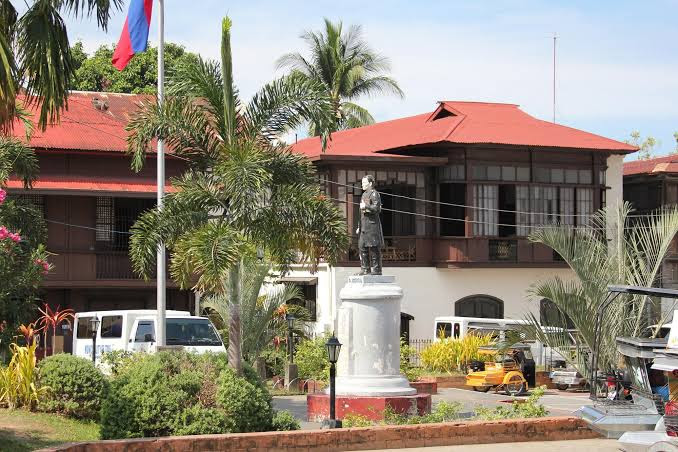
Casa Conchita
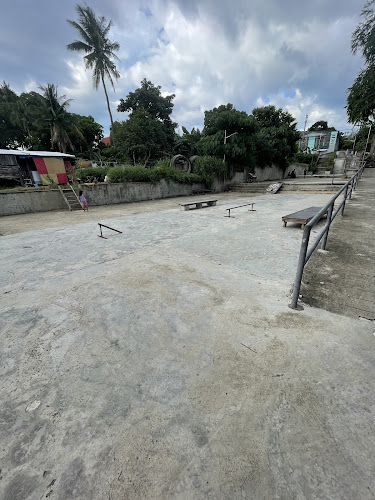
Taal Skate Park
Find Accommodations Nearby
Recommended Tours & Activities
Visitor Reviews
There are no reviews yet. Be the first one to write one.
Share Your Experience
Have you visited Marcela Agoncillo Monument? Help other travelers by leaving a review.