
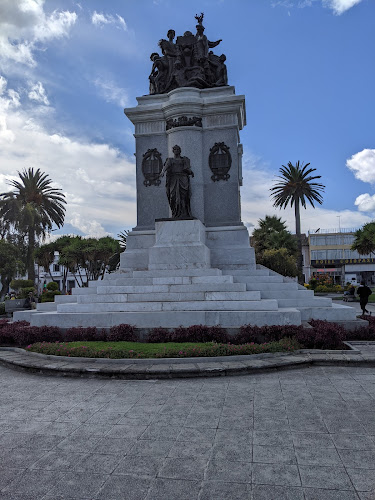
Latacunga parque
About Latacunga parque
Description
Let’s just get right into it: Latacunga Parque, or as some cheekily call it, the emerald patch in the heart of Latacunga, is no standard city park—it's a real-deal campground with local flair and genuine Ecuadorian spirit. The trees, all grown gangly and proud, kind of look like they’ve seen a thing or two, and the ground is blanketed in that sweet, whispery mountain air you only find up here in the highlands of Ecuador.
The park feels alive but friendly, if you know what I mean. Mornings unfold with soft sunlight, families setting up tents (with some of the most creatively mismatched camping gear I have ever seen), and the faint sound of laughter rising beside boiling coffee pots. By midday, it’s a bustling scene—a crossroads for travelers from all over, plus a gentle sweep of local folks. There's something special about parks like this. Perhaps it's the blend of people: you’ll bump into old-timers with stories of epic Cotopaxi hikes, digital nomads tapping away on laptops, giggling kids on scavenger hunts, and a good number of road-tripping pups latched on to every adventure.
Honestly, it’s pretty stress-free for kids: open grassy fields, random clusters of flowers (sometimes picked and sometimes not), and enough places to run that you'll let your worries melt just a little. Some amenities aren’t quite five-star, but they're clean enough that you won’t spend half your time chasing after soap and toilet paper. I've found the campground staff to be low-key but helpful, popping up at the right moment to answer “¿Dónde está...?” when you really need it.
Don't expect absolute solitude, especially on weekends or during local fiestas—Latacunga locals know this spot well and make good use of it. You get an authentic slice of Andean life, plus unexpected events. Last time I was there, someone set up an impromptu guitar jam halfway between two tents, and it turned into a singalong that, weirdly, made me rethink my neglected high school Spanish lessons.
Cultural diversity is a thread running through the park’s daily rhythm. Ecuador’s patchwork of traditions shows up here: food vendors with tamales, Andean textiles draped over benches, and conversations that blend Quechua and Spanish. If you come for the landscape, you’ll stay for the people-watching—trust me.
Key Features
- Family-Friendly Camping: The open, safe areas are well-suited for families and especially young kids. You won't feel stressed letting your children or teenagers run loose in the fields—there's always something to do or watch.
- Pet-Friendly Policy: Dogs are allowed. I've seen everything from tiny yapping Chihuahuas wearing sweaters to colossal, drowsy mutts, and they all seem right at home here.
- True Diversity: Both travelers and locals converge here, bringing together regional music, traditional foods, and a patchwork of different backgrounds. It's a spot where you’ll be just as likely to hear an expat story as you are to catch a local legend.
- Mountain Vistas: Wake up to views of the dramatic Andes ridges, and (on a cloudless day) you can spot the snow-capped Cotopaxi volcano standing watch on the horizon. These views never get old, no matter how many dawns you spend here.
- Easy Access to Essentials: While you’re camping, you're not totally off-grid. Food stalls, convenience stores, and friendly vendors are scattered nearby, making it easy to restock on basics—or just grab some excellent street corn.
- Safe Environment: Community feel and active presence of staff makes the park feel decidedly safe. You can rest easy; crime is not a big worry here compared to city parks elsewhere.
- Informal Gatherings: There’s often something impromptu happening: a music session, a football game, or even small local festivals. You might roll your eyes at another pan flute medley, but you’ll probably stick around longer than you expect.
Best Time to Visit
If you want the crispest, clearest mornings—and, let's be honest, better odds against afternoon showers—I’d aim for the dry season. Latacunga’s best weather generally spans from June to September, when rain is minimal, the skies hang a vivid blue, and nights are just chilly enough to legitimize marshmallow roasting.
But here's the thing: if you show up in the shoulder months (April/May or October), you might dodge the bigger crowds and see the park in a quieter, more reflective mood. Flowers bloom wild after the rain, and you can pretty much pick your own campsite without fighting over space. Just bring a waterproof jacket, because Andean weather likes to surprise you. Don’t be shocked if the sun is out and then—bam!—you’re running for cover from a surprise shower five minutes later.
Honestly, some of my favorite memories happened when the weather was a bit iffy—dodging mud puddles, helping frustrated campers set up tarps, and then sitting around trading tales with new friends over steaming cups of canelazo (that’s spiced Ecuadorian alcohol, for the uninitiated). Sometimes, unpredictable weather equals better stories and new camaraderie.
How to Get There
Getting to Latacunga Parque isn't rocket science, but it’s got its quirks. If you’re already in Latacunga city, it’s usually a cab or public bus ride away. The park is pretty central, so you don’t have to slog up any wild mountain roads just to camp—making it ideal for campers carrying bulky gear, or for families with little ones who definitely don’t want a roadside bathroom break.
From Quito (assuming that's your starting spot), look for regional buses to Latacunga, which run constantly and (in my own sometimes-scatterbrained experience) are pretty punctual. You’ll likely bump into other backpackers on this route, and the bumpy ride can turn into mini Spanish lessons if you’re outgoing about it. The bus doesn’t drop you inside the park, but from the terminal, cabs or city buses will hustle you the rest of the way, quick and cheap.
Driving? It’s easy enough. Most major Ecuadorian highways are in decent shape, but don’t trust every GPS shortcut—some local roads turn into labyrinths right about when your phone signal vanishes. Watch for speed bumps (they are everywhere in Ecuador and will sneak up on you). Paid parking is available right up near the entrance.
If you’re relying solely on public transit, pack light and double-check return schedules—especially late at night. Nothing like waving at an empty street after midnight, wishing you’d booked that taxi after all.
Tips for Visiting
I’ve picked up a handful of lessons from both sublime visits and a few slip-ups along the way. Here’s what I’d tell my own family before heading out to camp at Latacunga Parque:
- Pack Layers: Temperatures swing wildly. You might wake up freezing and end up sunburned by afternoon. Bring a fleece, rain shell, and hat, even if it looks sunny when you leave your hostel.
- Bring Cash: Most nearby stalls and shops won’t take cards, and while there are ATMs in town, cash is king in the park—especially for impromptu snacks or bus fare.
- Keep an Eye on Your Gear: It’s safe, but this is a busy spot. Mark your stuff (especially if you have gear that looks suspiciously like everyone else's) and keep valuables stashed away, just in case curiosity gets the best of someone.
- Practice Your Spanish (or Smile and Wing It): English isn’t widely spoken by staff or vendors, but a handful of local phrases (and lots of friendly gestures) go a long way. Bonus: it's a perfect spot to improve your Spanglish game.
- Respect Quiet Hours: This is not a rowdy college spring break kind of campground. Late night parties are rare, and you’re usually expected to keep it mellow after 10 PM. Families appreciate it, and you might actually sleep well for once.
- Sample Local Flavors: Don’t just pack instant noodles. Try the food vendors offering tamales, mote, or roasted corn. Honestly, the best meal I had was from a stall run by a grandmother who insisted I try her homemade ají sauce. It set my mouth on fire (in the best way), but I’d do it again in a heartbeat.
- Get Involved: If you see a group playing soccer, jump in. If someone’s strumming a guitar, ask if you can listen or join. The memories that stick often come from those unscripted moments.
- Take Photos Early: The morning light over those Andean peaks is ridiculous (and your phone battery probably won’t last all day if you forget to bring a portable charger
Key Features
- Key Features
- Best Time to Visit
- How to Get There
- Tips for Visiting
More Details
Updated June 9, 2025
Table of Contents
Description
Let’s just get right into it: Latacunga Parque, or as some cheekily call it, the emerald patch in the heart of Latacunga, is no standard city park—it’s a real-deal campground with local flair and genuine Ecuadorian spirit. The trees, all grown gangly and proud, kind of look like they’ve seen a thing or two, and the ground is blanketed in that sweet, whispery mountain air you only find up here in the highlands of Ecuador.
The park feels alive but friendly, if you know what I mean. Mornings unfold with soft sunlight, families setting up tents (with some of the most creatively mismatched camping gear I have ever seen), and the faint sound of laughter rising beside boiling coffee pots. By midday, it’s a bustling scene—a crossroads for travelers from all over, plus a gentle sweep of local folks. There’s something special about parks like this. Perhaps it’s the blend of people: you’ll bump into old-timers with stories of epic Cotopaxi hikes, digital nomads tapping away on laptops, giggling kids on scavenger hunts, and a good number of road-tripping pups latched on to every adventure.
Honestly, it’s pretty stress-free for kids: open grassy fields, random clusters of flowers (sometimes picked and sometimes not), and enough places to run that you’ll let your worries melt just a little. Some amenities aren’t quite five-star, but they’re clean enough that you won’t spend half your time chasing after soap and toilet paper. I’ve found the campground staff to be low-key but helpful, popping up at the right moment to answer “¿Dónde está…?” when you really need it.
Don’t expect absolute solitude, especially on weekends or during local fiestas—Latacunga locals know this spot well and make good use of it. You get an authentic slice of Andean life, plus unexpected events. Last time I was there, someone set up an impromptu guitar jam halfway between two tents, and it turned into a singalong that, weirdly, made me rethink my neglected high school Spanish lessons.
Cultural diversity is a thread running through the park’s daily rhythm. Ecuador’s patchwork of traditions shows up here: food vendors with tamales, Andean textiles draped over benches, and conversations that blend Quechua and Spanish. If you come for the landscape, you’ll stay for the people-watching—trust me.
Key Features
- Family-Friendly Camping: The open, safe areas are well-suited for families and especially young kids. You won’t feel stressed letting your children or teenagers run loose in the fields—there’s always something to do or watch.
- Pet-Friendly Policy: Dogs are allowed. I’ve seen everything from tiny yapping Chihuahuas wearing sweaters to colossal, drowsy mutts, and they all seem right at home here.
- True Diversity: Both travelers and locals converge here, bringing together regional music, traditional foods, and a patchwork of different backgrounds. It’s a spot where you’ll be just as likely to hear an expat story as you are to catch a local legend.
- Mountain Vistas: Wake up to views of the dramatic Andes ridges, and (on a cloudless day) you can spot the snow-capped Cotopaxi volcano standing watch on the horizon. These views never get old, no matter how many dawns you spend here.
- Easy Access to Essentials: While you’re camping, you’re not totally off-grid. Food stalls, convenience stores, and friendly vendors are scattered nearby, making it easy to restock on basics—or just grab some excellent street corn.
- Safe Environment: Community feel and active presence of staff makes the park feel decidedly safe. You can rest easy; crime is not a big worry here compared to city parks elsewhere.
- Informal Gatherings: There’s often something impromptu happening: a music session, a football game, or even small local festivals. You might roll your eyes at another pan flute medley, but you’ll probably stick around longer than you expect.
Best Time to Visit
If you want the crispest, clearest mornings—and, let’s be honest, better odds against afternoon showers—I’d aim for the dry season. Latacunga’s best weather generally spans from June to September, when rain is minimal, the skies hang a vivid blue, and nights are just chilly enough to legitimize marshmallow roasting.
But here’s the thing: if you show up in the shoulder months (April/May or October), you might dodge the bigger crowds and see the park in a quieter, more reflective mood. Flowers bloom wild after the rain, and you can pretty much pick your own campsite without fighting over space. Just bring a waterproof jacket, because Andean weather likes to surprise you. Don’t be shocked if the sun is out and then—bam!—you’re running for cover from a surprise shower five minutes later.
Honestly, some of my favorite memories happened when the weather was a bit iffy—dodging mud puddles, helping frustrated campers set up tarps, and then sitting around trading tales with new friends over steaming cups of canelazo (that’s spiced Ecuadorian alcohol, for the uninitiated). Sometimes, unpredictable weather equals better stories and new camaraderie.
How to Get There
Getting to Latacunga Parque isn’t rocket science, but it’s got its quirks. If you’re already in Latacunga city, it’s usually a cab or public bus ride away. The park is pretty central, so you don’t have to slog up any wild mountain roads just to camp—making it ideal for campers carrying bulky gear, or for families with little ones who definitely don’t want a roadside bathroom break.
From Quito (assuming that’s your starting spot), look for regional buses to Latacunga, which run constantly and (in my own sometimes-scatterbrained experience) are pretty punctual. You’ll likely bump into other backpackers on this route, and the bumpy ride can turn into mini Spanish lessons if you’re outgoing about it. The bus doesn’t drop you inside the park, but from the terminal, cabs or city buses will hustle you the rest of the way, quick and cheap.
Driving? It’s easy enough. Most major Ecuadorian highways are in decent shape, but don’t trust every GPS shortcut—some local roads turn into labyrinths right about when your phone signal vanishes. Watch for speed bumps (they are everywhere in Ecuador and will sneak up on you). Paid parking is available right up near the entrance.
If you’re relying solely on public transit, pack light and double-check return schedules—especially late at night. Nothing like waving at an empty street after midnight, wishing you’d booked that taxi after all.
Tips for Visiting
I’ve picked up a handful of lessons from both sublime visits and a few slip-ups along the way. Here’s what I’d tell my own family before heading out to camp at Latacunga Parque:
- Pack Layers: Temperatures swing wildly. You might wake up freezing and end up sunburned by afternoon. Bring a fleece, rain shell, and hat, even if it looks sunny when you leave your hostel.
- Bring Cash: Most nearby stalls and shops won’t take cards, and while there are ATMs in town, cash is king in the park—especially for impromptu snacks or bus fare.
- Keep an Eye on Your Gear: It’s safe, but this is a busy spot. Mark your stuff (especially if you have gear that looks suspiciously like everyone else’s) and keep valuables stashed away, just in case curiosity gets the best of someone.
- Practice Your Spanish (or Smile and Wing It): English isn’t widely spoken by staff or vendors, but a handful of local phrases (and lots of friendly gestures) go a long way. Bonus: it’s a perfect spot to improve your Spanglish game.
- Respect Quiet Hours: This is not a rowdy college spring break kind of campground. Late night parties are rare, and you’re usually expected to keep it mellow after 10 PM. Families appreciate it, and you might actually sleep well for once.
- Sample Local Flavors: Don’t just pack instant noodles. Try the food vendors offering tamales, mote, or roasted corn. Honestly, the best meal I had was from a stall run by a grandmother who insisted I try her homemade ají sauce. It set my mouth on fire (in the best way), but I’d do it again in a heartbeat.
- Get Involved: If you see a group playing soccer, jump in. If someone’s strumming a guitar, ask if you can listen or join. The memories that stick often come from those unscripted moments.
- Take Photos Early: The morning light over those Andean peaks is ridiculous (and your phone battery probably won’t last all day if you forget to bring a portable charger
Key Highlights
- Key Features
- Best Time to Visit
- How to Get There
- Tips for Visiting
Location
Places to Stay Near Latacunga parque
Find and Book a Tour
Explore More Travel Guides
No reviews found! Be the first to review!
Traveler Reviews for Latacunga parque
There are no reviews yet. Be the first one to write one.
Have you visited Latacunga parque? Help other travelers by sharing your review.
You Might Also Like
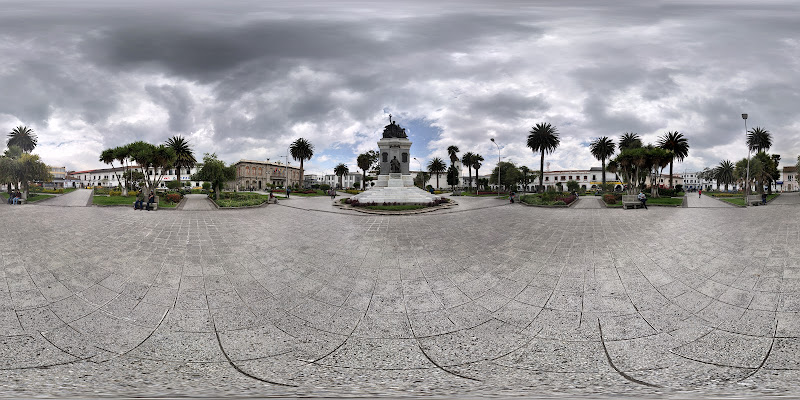
Centro Histórico de Latacunga
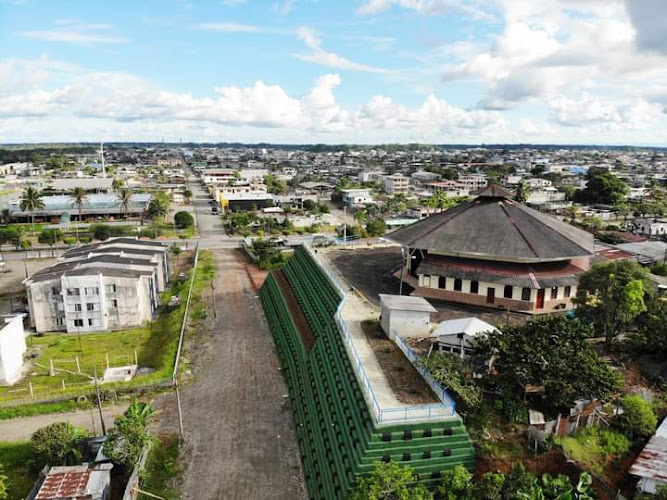
Lago Agrio Canton

Puerto Francisco de Orellana (El Coca)
Find Accommodations Nearby
Recommended Tours & Activities
Visitor Reviews
There are no reviews yet. Be the first one to write one.
Share Your Experience
Have you visited Latacunga parque? Help other travelers by leaving a review.