
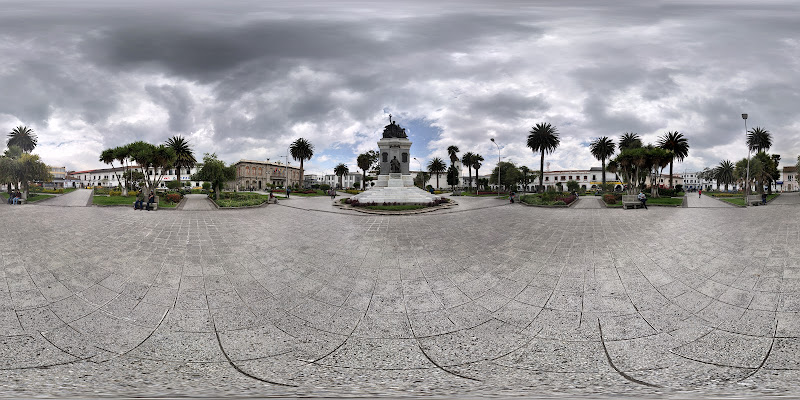
Centro Histórico de Latacunga
About Centro Histórico de Latacunga
Description
Let’s talk about the Centro Histórico de Latacunga—a historical spot that’s near and dear to folks who love exploring pieces of Ecuador’s past without the chaos of Quito’s main tourist drag. Strolling here just feels different. There’s an old-world hum about the place; you hear the bells from ancient churches, see locals chatting on cobbled corners, and you might even bump into a group of school kids drawing the colonial facades for their homework (and trust me, I’ve seen some real artistic masterpieces while eavesdropping). What sets it apart isn’t just the architecture—it’s got character, good bones, and loads of genuine community energy. It’s not all polish and Instagrammable spots; it’s real life, lived in gorgeous buildings that have been standing for a few centuries.
The historical center of Latacunga is brimming with stories. Did you know that most of these churches and colorful houses survived several eruptions from the nearby Cotopaxi volcano? I mean, how tough do you have to be to withstand volcanic ash rains time after time? This center’s got battle scars, and it shows, but in a way that draws you in even more. Walking past the carved stone entrances and poking into the centuries-old cathedrals, you realize you’re stepping into a living museum. And it’s not all historic for the sake of it—you’ll find families, street vendors, and even some super curious kids (once, one of them asked me how heavy my camera was, and if I’d ever seen snow up close).
Despite some nicks and faded paint, the Centro Histórico is genuinely charming. You won’t get swamped with tour buses here—the pace is slower, and you can appreciate the details. There are wheelchair-accessible entrances (a big plus if you or your travel buddies need them), and it’s super family-friendly. Kids seem to get a kick out of feeding pigeons in Plaza Vicente León or hunting for ice cream at one of the local heladerías. And if you love churches, you’re in for a treat. There’s an impressive lineup of baroque and neoclassical churches, complete with intricate altars and the sort of scent only old churches seem to keep—wax, incense, maybe a trace of earth.
So, if you’re after a spot that’s less about glitz and more about authentic local color, you seriously need to carve out time to wander here. Just don’t expect perfectly manicured streets—expect real life, historic grandeur, and enough surprises to keep you on your toes.
Key Features
- Architectural Diversity: Stately colonial buildings, brightly painted townhouses, and a network of narrow alleys. Watch for the carved wood balconies—they’re works of art in their own right.
- Historic Churches: More than half a dozen historic churches, including the formidable Catedral de Latacunga. Step inside for soaring ceilings and gilded altars.
- Plaza Vicente León: The city’s social heart, dotted with benches, cheerful locals, and the occasional street performer—perfect for people-watching when your feet need a break.
- Market Culture: Local vendors selling super fresh cheese, roasted corn, and turrón. I’ll admit—I can’t leave without a bag of bizcochos (buttery biscuits that flake just right).
- Wheelchair Accessibility: Main entrances and several paths are wheelchair friendly—not always the case in old towns, and it’s honestly refreshing.
- Kid-Friendly Attractions: Generous plazas for running around, plazas filled with pigeons, and lots of friendly locals who’ll give kids a smile or high-five.
- Regular Festivities: Folk dances, public music, and parades. Show up during Mama Negra (the city’s mind-blowing festival) and you’ll see.
- Authentic Local Cuisine: Drop by a small eatery for chugchucaras—Latacunga’s famous pork dish. It’s hearty, a little indulgent, and totally worth the calories.
- Photographer’s Paradise: Ever-changing light, picturesque corners, and centuries-old facades mean you’ll want extra batteries for your camera.
- Peaceful Atmosphere: Unlike some old town centers, this one feels lived-in and neighborly. You’ll hear more Spanish than English, and that’s half the fun!
Best Time to Visit
Timing is everything, right? If you want a sweet spot between crowds, weather, and activities—aim for June to September. During these dry months, Latacunga’s skies are clear (well, clearer—mountain weather is always a little dramatic!), making the light fantastic for those iconic travel photos. You won’t be roasting in the heat—temperatures hover around a perfectly mild 15 to 19°C (that’s 59 to 66°F for the Fahrenheit folks). May I make a confession? I actually love coming in late October or early November. That’s the window when Mama Negra festival bursts onto the scene. It’s loud, it’s colorful, and every single resident seems to have twice as much energy. If you want to see the Centro Histórico as its lively best, that’s the moment. But, and here’s the catch, book ahead if that’s your plan—accommodation fills fast and the whole vibe is utterly contagious.
Avoid the main rainy season (February to April) unless you enjoy the pitter-patter of rain and don’t mind darting into cafes to dry off. There’s still a lot of beauty, but you may lose out on lazy plaza afternoons. I had to wring out my socks once after a sudden downpour—I don’t regret it, honestly, but my photos were a little soggy.
How to Get There
So, you fancy a jaunt to Centro Histórico de Latacunga? It’s fairly straightforward—and I’ve done it every which way. The city sits slap bang between Quito and Ambato, making it an easy side stop or a dedicated destination.
From Quito: Hop on a direct bus from Quitumbe Terminal; the ride lasts about 1.5 to 2 hours, and even if the driver’s playlist is sometimes questionable (why is it always ’80s salsa remixes?), you’ll see volcanoes and dramatic Andean landscapes all the way. There’s something magical about the moment Cotopaxi’s peak peeks out of the clouds too. If you prefer more comfort or are hauling more bags than you care to admit, a hired driver or taxi also works—just expect to pay more.
From other cities: You can connect from Ambato, Baños, or Riobamba by bus—Latacunga is well-marked on any Ecuadorian transit map. Once you arrive at the terminal, taxis are plentiful, but if you’re like me and enjoy soaking up the city’s atmosphere, it’s just a short walk into the historic center.
By car: Taking the Panamericana is a breeze (on non-market days), but street parking can test your patience. There are some paid lots around the perimeter. I usually park up and hoof it—it’s the best way to catch those first mouthfuls of Andean air and let the anticipation build.
Tips for Visiting
Alright, now for the real talk—because knowing details before you turn up can make or break a trip. Here’s what I wish someone had told me before my first wander through Latacunga’s historic core:
- Go slow and look up—Don’t rush. The beauty is in the details: weathered stonework, painted eaves, hand-wrought iron. You’ll miss half the magic if you speed past.
- Try the local snacks—Chugchucaras is the local superstar dish, but don’t ignore the street stalls selling plantain chips and cheese. If you’re feeling adventurous, the “helados de paila” (hand-churned ice cream) is both a treat and a show.
- Cash is king—While ATMs are around, small bills make life easier. Many shops don’t take cards, so stock up before you go exploring.
- Respect cultural sites—Tempting as it is to poke into every open door, remember that many historic buildings still serve religious or community functions. Photograph with permission and keep voices low inside churches.
- Pack layers—Highland weather is fickle. I’ve left my sweater at noon and regretted it by 3 pm. Sun, shade, drizzle, repeat.
- Mind your step—Cobblestones are beautiful but tricky. Wear good shoes, especially
Key Features
- Key Features
- Best Time to Visit
- How to Get There
- Tips for Visiting
More Details
Updated June 9, 2025
Table of Contents
Description
Let’s talk about the Centro Histórico de Latacunga—a historical spot that’s near and dear to folks who love exploring pieces of Ecuador’s past without the chaos of Quito’s main tourist drag. Strolling here just feels different. There’s an old-world hum about the place; you hear the bells from ancient churches, see locals chatting on cobbled corners, and you might even bump into a group of school kids drawing the colonial facades for their homework (and trust me, I’ve seen some real artistic masterpieces while eavesdropping). What sets it apart isn’t just the architecture—it’s got character, good bones, and loads of genuine community energy. It’s not all polish and Instagrammable spots; it’s real life, lived in gorgeous buildings that have been standing for a few centuries.
The historical center of Latacunga is brimming with stories. Did you know that most of these churches and colorful houses survived several eruptions from the nearby Cotopaxi volcano? I mean, how tough do you have to be to withstand volcanic ash rains time after time? This center’s got battle scars, and it shows, but in a way that draws you in even more. Walking past the carved stone entrances and poking into the centuries-old cathedrals, you realize you’re stepping into a living museum. And it’s not all historic for the sake of it—you’ll find families, street vendors, and even some super curious kids (once, one of them asked me how heavy my camera was, and if I’d ever seen snow up close).
Despite some nicks and faded paint, the Centro Histórico is genuinely charming. You won’t get swamped with tour buses here—the pace is slower, and you can appreciate the details. There are wheelchair-accessible entrances (a big plus if you or your travel buddies need them), and it’s super family-friendly. Kids seem to get a kick out of feeding pigeons in Plaza Vicente León or hunting for ice cream at one of the local heladerías. And if you love churches, you’re in for a treat. There’s an impressive lineup of baroque and neoclassical churches, complete with intricate altars and the sort of scent only old churches seem to keep—wax, incense, maybe a trace of earth.
So, if you’re after a spot that’s less about glitz and more about authentic local color, you seriously need to carve out time to wander here. Just don’t expect perfectly manicured streets—expect real life, historic grandeur, and enough surprises to keep you on your toes.
Key Features
- Architectural Diversity: Stately colonial buildings, brightly painted townhouses, and a network of narrow alleys. Watch for the carved wood balconies—they’re works of art in their own right.
- Historic Churches: More than half a dozen historic churches, including the formidable Catedral de Latacunga. Step inside for soaring ceilings and gilded altars.
- Plaza Vicente León: The city’s social heart, dotted with benches, cheerful locals, and the occasional street performer—perfect for people-watching when your feet need a break.
- Market Culture: Local vendors selling super fresh cheese, roasted corn, and turrón. I’ll admit—I can’t leave without a bag of bizcochos (buttery biscuits that flake just right).
- Wheelchair Accessibility: Main entrances and several paths are wheelchair friendly—not always the case in old towns, and it’s honestly refreshing.
- Kid-Friendly Attractions: Generous plazas for running around, plazas filled with pigeons, and lots of friendly locals who’ll give kids a smile or high-five.
- Regular Festivities: Folk dances, public music, and parades. Show up during Mama Negra (the city’s mind-blowing festival) and you’ll see.
- Authentic Local Cuisine: Drop by a small eatery for chugchucaras—Latacunga’s famous pork dish. It’s hearty, a little indulgent, and totally worth the calories.
- Photographer’s Paradise: Ever-changing light, picturesque corners, and centuries-old facades mean you’ll want extra batteries for your camera.
- Peaceful Atmosphere: Unlike some old town centers, this one feels lived-in and neighborly. You’ll hear more Spanish than English, and that’s half the fun!
Best Time to Visit
Timing is everything, right? If you want a sweet spot between crowds, weather, and activities—aim for June to September. During these dry months, Latacunga’s skies are clear (well, clearer—mountain weather is always a little dramatic!), making the light fantastic for those iconic travel photos. You won’t be roasting in the heat—temperatures hover around a perfectly mild 15 to 19°C (that’s 59 to 66°F for the Fahrenheit folks). May I make a confession? I actually love coming in late October or early November. That’s the window when Mama Negra festival bursts onto the scene. It’s loud, it’s colorful, and every single resident seems to have twice as much energy. If you want to see the Centro Histórico as its lively best, that’s the moment. But, and here’s the catch, book ahead if that’s your plan—accommodation fills fast and the whole vibe is utterly contagious.
Avoid the main rainy season (February to April) unless you enjoy the pitter-patter of rain and don’t mind darting into cafes to dry off. There’s still a lot of beauty, but you may lose out on lazy plaza afternoons. I had to wring out my socks once after a sudden downpour—I don’t regret it, honestly, but my photos were a little soggy.
How to Get There
So, you fancy a jaunt to Centro Histórico de Latacunga? It’s fairly straightforward—and I’ve done it every which way. The city sits slap bang between Quito and Ambato, making it an easy side stop or a dedicated destination.
From Quito: Hop on a direct bus from Quitumbe Terminal; the ride lasts about 1.5 to 2 hours, and even if the driver’s playlist is sometimes questionable (why is it always ’80s salsa remixes?), you’ll see volcanoes and dramatic Andean landscapes all the way. There’s something magical about the moment Cotopaxi’s peak peeks out of the clouds too. If you prefer more comfort or are hauling more bags than you care to admit, a hired driver or taxi also works—just expect to pay more.
From other cities: You can connect from Ambato, Baños, or Riobamba by bus—Latacunga is well-marked on any Ecuadorian transit map. Once you arrive at the terminal, taxis are plentiful, but if you’re like me and enjoy soaking up the city’s atmosphere, it’s just a short walk into the historic center.
By car: Taking the Panamericana is a breeze (on non-market days), but street parking can test your patience. There are some paid lots around the perimeter. I usually park up and hoof it—it’s the best way to catch those first mouthfuls of Andean air and let the anticipation build.
Tips for Visiting
Alright, now for the real talk—because knowing details before you turn up can make or break a trip. Here’s what I wish someone had told me before my first wander through Latacunga’s historic core:
- Go slow and look up—Don’t rush. The beauty is in the details: weathered stonework, painted eaves, hand-wrought iron. You’ll miss half the magic if you speed past.
- Try the local snacks—Chugchucaras is the local superstar dish, but don’t ignore the street stalls selling plantain chips and cheese. If you’re feeling adventurous, the “helados de paila” (hand-churned ice cream) is both a treat and a show.
- Cash is king—While ATMs are around, small bills make life easier. Many shops don’t take cards, so stock up before you go exploring.
- Respect cultural sites—Tempting as it is to poke into every open door, remember that many historic buildings still serve religious or community functions. Photograph with permission and keep voices low inside churches.
- Pack layers—Highland weather is fickle. I’ve left my sweater at noon and regretted it by 3 pm. Sun, shade, drizzle, repeat.
-
Mind your step—Cobblestones are beautiful but tricky. Wear good shoes, especially
Key Highlights
- Key Features
- Best Time to Visit
- How to Get There
- Tips for Visiting
Location
Places to Stay Near Centro Histórico de Latacunga
Find and Book a Tour
Explore More Travel Guides
No reviews found! Be the first to review!
Traveler Reviews for Centro Histórico de Latacunga
There are no reviews yet. Be the first one to write one.
Have you visited Centro Histórico de Latacunga? Help other travelers by sharing your review.
You Might Also Like
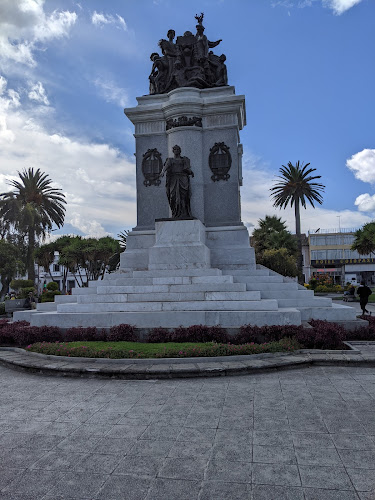
Latacunga parque
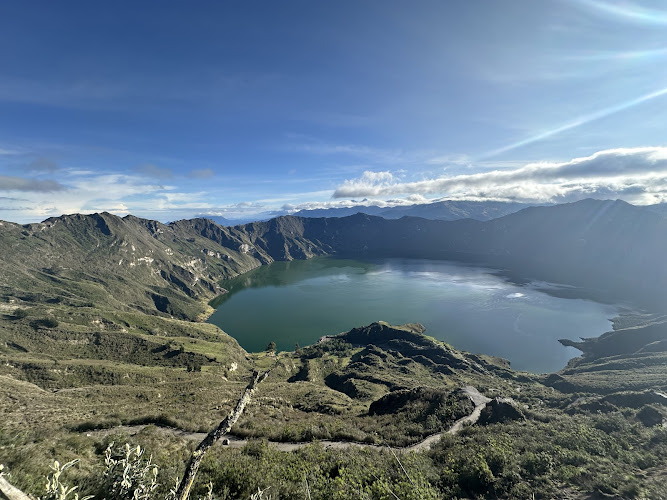
Quilotoa Lake
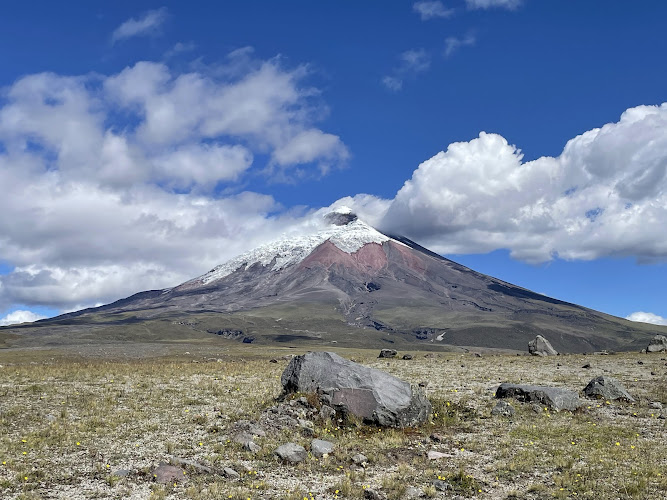
Parque Nacional Cotopaxi
Find Accommodations Nearby
Recommended Tours & Activities
Visitor Reviews
There are no reviews yet. Be the first one to write one.
Share Your Experience
Have you visited Centro Histórico de Latacunga? Help other travelers by leaving a review.