
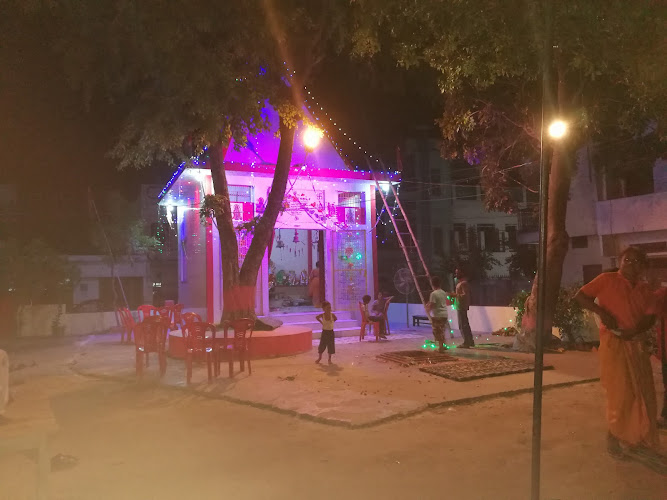
Bel Wala Park
About Bel Wala Park
Description
If you ask me about Bel Wala Park, I’d say it’s that kind of local spot you wouldn’t stumble on unless you knew what you were looking for—but honestly, that’s half its charm. If you’re the kind of traveler who enjoys the hum of daily life in a city, the laughter of families, or just need a pause from the clamor and dust, then this place is a gentle little answer to all of that. It’s a public park with a modest personality, yes, but it delivers way more than you might expect. The first thing you’ll notice walking in is the openness—plenty of green that actually lets you take a deep breath, which, let’s face it, you can’t always do in some city parks.
What struck me most at Bel Wala Park wasn’t some flashy monument or Instagrammable flowerbed, but just how easygoing everything feels. It’s one of the few spots I found welcoming in a truly honest way, like a good cup of chai on a rainy afternoon. There’s a steady buzz of families, folks of all ages, grandparents playing with little ones, and even some groups of students deep in animated conversations. The pathways are wide enough for wheelchairs, so nobody’s left out—accessibility is more than a checkbox here. It’s also rather clean for a community park, which, trust me, isn’t always the case (I’ve seen my share). You can tell the regulars care about this space, and that says something, right?
I remember going on a weekday thinking it’d be quiet, but there was a friendly group of local walkers sharing stories as they strolled. There’s always a feeling of safety here. Some parks feel deserted and a tad sketchy, but not Bel Wala Park. Sure, it’s not the biggest park in Uttar Pradesh, and it doesn’t try to compete with the major city attractions. But it has a local flavor and honest simplicity that feels, well...refreshing. If you find joy in the simple pleasures—a slow walk, bird calls at sunset, or people-watching under the shade—this is your patch of green.
Key Features
- Wide, wheelchair-accessible pathways throughout—no need to dodge broken tiles or haphazard curbs
- Family-friendly layout, with lots of open space for children to run and play
- Beautifully shaded benches (super helpful during those unrelenting summer afternoons)
- Surprisingly clean lawns and walking tracks—a real treat for shoe-conscious travelers
- Locally maintained flower beds and native trees, providing bursts of color and fresh air
- Runs a bit quieter than bigger city parks—less crowded, more peaceful escapes possible
- Safe environment, even for solo travelers and parents with little ones
- Popular with locals—genuine community vibe you can’t fake
- Great birdwatching around dusk, if that’s your jam
Best Time to Visit
I won’t sugarcoat it: summers can be scorchers. If you have your pick, aim for post-monsoon months—September to February. The weather turns tolerable, mornings especially crisp. Evenings in those months? Gorgeous. The park baths in soft light, and it feels pretty magical when there’s a slight nip in the air. If you’re up for some local action and don’t mind the bustle, festivals see more foot traffic, but it never gets overbearing. I made the rookie mistake of showing up one afternoon in May. Let’s just say, my only memory is searching frantically for shade. Early morning or late afternoon is your best bet for both temperature and people-watching. Locals usually start their walks by 5:30 AM—if you’re a sunrise chaser, you’ll fit right in.
Rainy days turn the place lush but also, a little slushy—not the worst, but pack decent shoes. Spring brings out the kids in droves (and kite-flyers, oddly enough). So, to sum it up: October, November, February, and even late March—those are your golden windows. That’s when the park itself seems to wake up and show off a bit.
How to Get There
Reaching Bel Wala Park is a bit of a local adventure in itself. If you’re coming from the main city, rickshaws and auto-rickshaws are your best bet—they know the park by name, which honestly made my life easier (my map-reading skills are strictly average). Public buses do run by the area, but I’ll admit, they can be crowded and, unless you’re a public transport enthusiast, maybe not the best intro to the city. Parking isn’t impossible but gets tricky on weekends—if you can, skip driving your own car. I once circled for what felt like ages trying to find a spot. Moral of the story—public transport or a quick cab ride is probably the relaxed way to go.
And if you’re like me and prefer walking, the streets to the park are relatively safe and well-used, though keep a water bottle handy (hydration is no joke, especially when exploring a new town). The locals are quite helpful with directions if you have any doubts—just ask anyone in the nearby market, and you’ll almost always get a smile and a pointed finger the right way. GPS works fine, but half the fun is piecing together directions the old-fashioned way.
Tips for Visiting
Alright, tips time. I learned some through trial and error, so here's my two cents for you:
- Start early or finish late. If you’re hoping to avoid the midday heat—trust me, you do—get there before breakfast or go after 4 PM. That’s when the locals come out too, and it’s more lively (in a cozy, not chaotic way).
- Bring your own snacks. There aren’t tons of vendors inside, just a couple near the entrance, so if you’re in for a long stroll or bringing kids, pack a light picnic. There’s something delightful about eating homemade samosas under those big trees.
- Respect the calm. It’s a chill spot—noise is generally low. Loud music or rowdy games aren’t really the vibe, and the regulars do appreciate visitors who blend into the laid-back groove.
- Dress cool but modest. The park’s all about comfort, but I saw most folks in light, airy outfits. As is the case in most Indian public spaces, modest clothing is more comfortable and respectful.
- Look out for birds. Especially around sunset, you’ll spot some lovely local birdlife. Bring binoculars if you’re into it—it’s worth it.
- Photography is welcome, but discreet. You’ll get some great candid shots, especially of local families and kids playing. Be mindful and always ask if you want close-ups of people (most appreciate the gesture).
- Wheelchair users—keep rolling. The accessible paths are legit, and benches are spaced in a way where you can always find a spot to rest without moving off the track. Sometimes park accessibility is just for show—here, it’s really functional.
- Keep your valuables close. I didn’t experience any trouble, but basic street smarts never hurt, right?
- If it’s raining, pack an umbrella and quick-dry shoes. The park handles water decently, but grass paths do get muddy.
One last little nugget: Don’t rush your visit. This isn’t a sightseeing marathon park. Slow down, bring a book, soak up the local energy, and let yourself feel like a part of the city even if it’s just for an hour or two. In the end, Bel Wala Park is about those everyday moments—the sort that don’t shout for attention but make for some truly memorable travel stories. At least for me, those are the moments that stick around well past the holiday snaps.
Key Features
- Wide, wheelchair-accessible pathways throughout—no need to dodge broken tiles or haphazard curbs
- Family-friendly layout, with lots of open space for children to run and play
- Beautifully shaded benches (super helpful during those unrelenting summer afternoons)
- Surprisingly clean lawns and walking tracks—a real treat for shoe-conscious travelers
- Locally maintained flower beds and native trees, providing bursts of color and fresh air
- Runs a bit quieter than bigger city parks—less crowded, more peaceful escapes possible
- Safe environment, even for solo travelers and parents with little ones
- Popular with locals—genuine community vibe you can’t fake
More Details
Updated June 9, 2025
Table of Contents
Description
If you ask me about Bel Wala Park, I’d say it’s that kind of local spot you wouldn’t stumble on unless you knew what you were looking for—but honestly, that’s half its charm. If you’re the kind of traveler who enjoys the hum of daily life in a city, the laughter of families, or just need a pause from the clamor and dust, then this place is a gentle little answer to all of that. It’s a public park with a modest personality, yes, but it delivers way more than you might expect. The first thing you’ll notice walking in is the openness—plenty of green that actually lets you take a deep breath, which, let’s face it, you can’t always do in some city parks.
What struck me most at Bel Wala Park wasn’t some flashy monument or Instagrammable flowerbed, but just how easygoing everything feels. It’s one of the few spots I found welcoming in a truly honest way, like a good cup of chai on a rainy afternoon. There’s a steady buzz of families, folks of all ages, grandparents playing with little ones, and even some groups of students deep in animated conversations. The pathways are wide enough for wheelchairs, so nobody’s left out—accessibility is more than a checkbox here. It’s also rather clean for a community park, which, trust me, isn’t always the case (I’ve seen my share). You can tell the regulars care about this space, and that says something, right?
I remember going on a weekday thinking it’d be quiet, but there was a friendly group of local walkers sharing stories as they strolled. There’s always a feeling of safety here. Some parks feel deserted and a tad sketchy, but not Bel Wala Park. Sure, it’s not the biggest park in Uttar Pradesh, and it doesn’t try to compete with the major city attractions. But it has a local flavor and honest simplicity that feels, well…refreshing. If you find joy in the simple pleasures—a slow walk, bird calls at sunset, or people-watching under the shade—this is your patch of green.
Key Features
- Wide, wheelchair-accessible pathways throughout—no need to dodge broken tiles or haphazard curbs
- Family-friendly layout, with lots of open space for children to run and play
- Beautifully shaded benches (super helpful during those unrelenting summer afternoons)
- Surprisingly clean lawns and walking tracks—a real treat for shoe-conscious travelers
- Locally maintained flower beds and native trees, providing bursts of color and fresh air
- Runs a bit quieter than bigger city parks—less crowded, more peaceful escapes possible
- Safe environment, even for solo travelers and parents with little ones
- Popular with locals—genuine community vibe you can’t fake
- Great birdwatching around dusk, if that’s your jam
Best Time to Visit
I won’t sugarcoat it: summers can be scorchers. If you have your pick, aim for post-monsoon months—September to February. The weather turns tolerable, mornings especially crisp. Evenings in those months? Gorgeous. The park baths in soft light, and it feels pretty magical when there’s a slight nip in the air. If you’re up for some local action and don’t mind the bustle, festivals see more foot traffic, but it never gets overbearing. I made the rookie mistake of showing up one afternoon in May. Let’s just say, my only memory is searching frantically for shade. Early morning or late afternoon is your best bet for both temperature and people-watching. Locals usually start their walks by 5:30 AM—if you’re a sunrise chaser, you’ll fit right in.
Rainy days turn the place lush but also, a little slushy—not the worst, but pack decent shoes. Spring brings out the kids in droves (and kite-flyers, oddly enough). So, to sum it up: October, November, February, and even late March—those are your golden windows. That’s when the park itself seems to wake up and show off a bit.
How to Get There
Reaching Bel Wala Park is a bit of a local adventure in itself. If you’re coming from the main city, rickshaws and auto-rickshaws are your best bet—they know the park by name, which honestly made my life easier (my map-reading skills are strictly average). Public buses do run by the area, but I’ll admit, they can be crowded and, unless you’re a public transport enthusiast, maybe not the best intro to the city. Parking isn’t impossible but gets tricky on weekends—if you can, skip driving your own car. I once circled for what felt like ages trying to find a spot. Moral of the story—public transport or a quick cab ride is probably the relaxed way to go.
And if you’re like me and prefer walking, the streets to the park are relatively safe and well-used, though keep a water bottle handy (hydration is no joke, especially when exploring a new town). The locals are quite helpful with directions if you have any doubts—just ask anyone in the nearby market, and you’ll almost always get a smile and a pointed finger the right way. GPS works fine, but half the fun is piecing together directions the old-fashioned way.
Tips for Visiting
Alright, tips time. I learned some through trial and error, so here’s my two cents for you:
- Start early or finish late. If you’re hoping to avoid the midday heat—trust me, you do—get there before breakfast or go after 4 PM. That’s when the locals come out too, and it’s more lively (in a cozy, not chaotic way).
- Bring your own snacks. There aren’t tons of vendors inside, just a couple near the entrance, so if you’re in for a long stroll or bringing kids, pack a light picnic. There’s something delightful about eating homemade samosas under those big trees.
- Respect the calm. It’s a chill spot—noise is generally low. Loud music or rowdy games aren’t really the vibe, and the regulars do appreciate visitors who blend into the laid-back groove.
- Dress cool but modest. The park’s all about comfort, but I saw most folks in light, airy outfits. As is the case in most Indian public spaces, modest clothing is more comfortable and respectful.
- Look out for birds. Especially around sunset, you’ll spot some lovely local birdlife. Bring binoculars if you’re into it—it’s worth it.
- Photography is welcome, but discreet. You’ll get some great candid shots, especially of local families and kids playing. Be mindful and always ask if you want close-ups of people (most appreciate the gesture).
- Wheelchair users—keep rolling. The accessible paths are legit, and benches are spaced in a way where you can always find a spot to rest without moving off the track. Sometimes park accessibility is just for show—here, it’s really functional.
- Keep your valuables close. I didn’t experience any trouble, but basic street smarts never hurt, right?
- If it’s raining, pack an umbrella and quick-dry shoes. The park handles water decently, but grass paths do get muddy.
One last little nugget: Don’t rush your visit. This isn’t a sightseeing marathon park. Slow down, bring a book, soak up the local energy, and let yourself feel like a part of the city even if it’s just for an hour or two. In the end, Bel Wala Park is about those everyday moments—the sort that don’t shout for attention but make for some truly memorable travel stories. At least for me, those are the moments that stick around well past the holiday snaps.
Key Highlights
- Wide, wheelchair-accessible pathways throughout—no need to dodge broken tiles or haphazard curbs
- Family-friendly layout, with lots of open space for children to run and play
- Beautifully shaded benches (super helpful during those unrelenting summer afternoons)
- Surprisingly clean lawns and walking tracks—a real treat for shoe-conscious travelers
- Locally maintained flower beds and native trees, providing bursts of color and fresh air
- Runs a bit quieter than bigger city parks—less crowded, more peaceful escapes possible
- Safe environment, even for solo travelers and parents with little ones
- Popular with locals—genuine community vibe you can’t fake
Location
Places to Stay Near Bel Wala Park
Find and Book a Tour
Explore More Travel Guides
No reviews found! Be the first to review!
Traveler Reviews for Bel Wala Park
There are no reviews yet. Be the first one to write one.
Have you visited Bel Wala Park? Help other travelers by sharing your review.
You Might Also Like
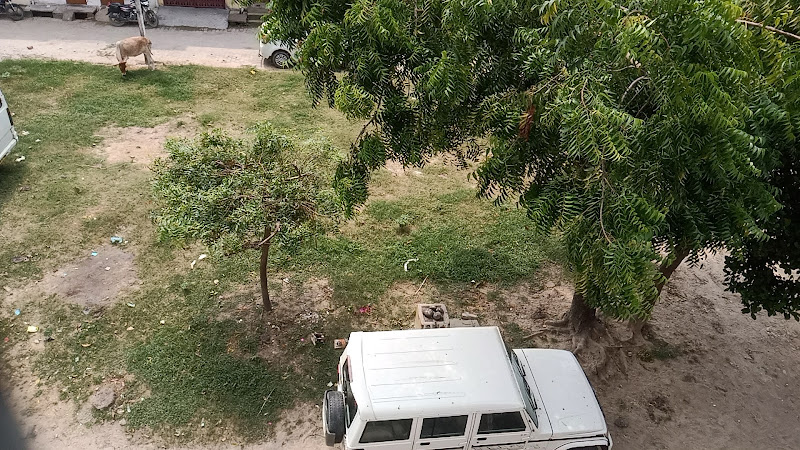
Bhagat Singh park

Company Garden Ayodhya Cantt
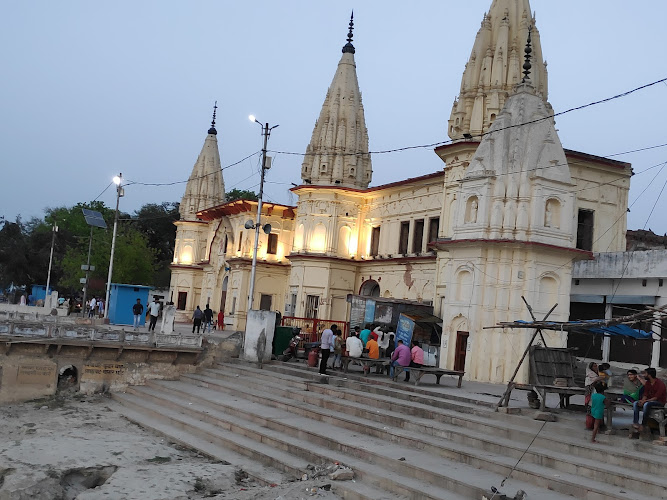
Guptar Ghat
Find Accommodations Nearby
Recommended Tours & Activities
Visitor Reviews
There are no reviews yet. Be the first one to write one.
Share Your Experience
Have you visited Bel Wala Park? Help other travelers by leaving a review.