
Rwenzori Organization for Women Living Under Difficult Circumstances
About Rwenzori Organization for Women Living Under Difficult Circumstances
Description
Key Features
- Women Empowerment Programs: The organization provides skills training in crafts, tailoring, agriculture, and small business—a true lifeline for women living under difficult circumstances, many of whom are widows or single mothers.
- Community-Based Approach: Programs are shaped alongside local government, community leaders, and beneficiaries, which fosters real ownership and long-term impact.
- Educational Support: Beyond direct empowerment, there’s a push for education of both children and adults, with an emphasis on girls’ access to schooling in rural and marginalized areas.
- Orphans Care & Vulnerable Children Services: Dedicated care programs target orphans and children made vulnerable by poverty, HIV/AIDS, or other crises. Volunteers and donors often participate directly, creating a cross-cultural exchange you simply can't replicate through online donations alone.
- Humanitarian Assistance: When disaster strikes, whether it’s COVID-19 disruptions or regional flooding, the organization has stepped in with food, basic needs supplies, and psychosocial support.
- Gender Justice Advocacy: There’s an active push for social action and human rights documentation—think workshops, community dialogues, and even radio programs raising awareness of gender-based violence and local development goals.
- Disability Inclusion: Wheelchair accessible entrance and parking—unusual for Uganda’s NGOs—reflect their commitment to making these life-improving services available to all.
- Grassroots Leadership: Many team members and volunteers are beneficiaries-turned-mentors. That means everything, frankly, when you’re traveling in search of authentic, sustainable change.
- Philanthropy & Volunteer Opportunities: Visitors, international interns, and partners get a rare chance to connect at the grassroots—rolling up sleeves with real Ugandans, not just shaking hands for a photo op.
- Health & Sanitation Initiatives: From distributing menstrual hygiene kits to organizing health education sessions, practical care is never an afterthought here.
Best Time to Visit
How to Get There
- By Road: The Kampala–Kasese route is well-traveled. Buses and matatus (shared minivans) connect the two, usually taking about 6–8 hours depending on the day (and the state of Ugandan traffic). It's not exactly the Autobahn—think winding roads, sometimes bumpy, but that’s all part of the adventure, right?
- Private Hire: For more comfort, hiring a private vehicle or arranging a driver is common and will give you flexibility, especially if you want to explore Rwenzori Mountains National Park or remote community development centers along the way.
- Domestic Flight: There are occasional domestic flights from Kampala or Entebbe to Kasese airstrip, but schedules fluctuate—so check ahead and don’t bet the farm on them if you’re short on time.
- Local Orientation: Once in Kasese, boda-bodas (motorcycle taxis) are the quickest way around, but if you have accessibility needs or lots of supplies, organizing a local taxi in advance can be a real lifesaver (take it from someone who’s had to rethink luggage plans after one too many bumpy rides!).
Tips for Visiting
- Respect Local Realities: This isn’t a tourist attraction; it’s a working NGO balancing urgent humanitarian assistance and long-term empowerment. Dress modestly. Ask before taking photos—a moment’s respect travels far in Ugandan culture.
- Prepare for Variable Infrastructure: Electricity cuts, spotty Wi-Fi (if any), and less-than-smooth roads are standard, not the exception. Just roll with it; you’ll earn the locals’ admiration for your good humor alone.
- Consider Your Impact: Think about what you can contribute: time, expertise, supplies, or financial support. Grassroots organizations like this operate on tight margins, and donors or responsible travelers can really help bridge the gap.
- Learn and Listen: You’ll learn more here than in any policy whitepaper. Listen to women’s stories—sometimes heartbreaking, always inspiring—and remember it’s not about “rescuing” anyone, but supporting ongoing change.
- Get Involved: If you’re staying for a while, ask staff how you might help: sometimes travelers can join training, help in local development services, or simply play a game with orphans and vulnerable kids.
- Pack with Purpose: If bringing supplies, ask what’s really needed. Sometimes it’s notebooks or sewing machines, sometimes items you wouldn’t expect (like menstrual pads or even reading glasses!).
- Plan for Weather: Bring a rain jacket, hat, and sturdy shoes regardless of season—it’s Uganda, after all. And do remember: the dusty roads can turn to rivers given half a chance.
- Accessibility: Wheelchair users and those with mobility challenges will appreciate the accessible entrance and parking. If you have specific needs, let the staff know before you arrive—they’re usually happy to accommodate.
- Be Curious, Stay Humble: Even on the most ordinary day, this is a place where lives and livelihoods are being transformed. Make time to just be present.
- Why Uganda? Here’s the thing—Uganda, and especially the Rwenzori region, offers a depth of grassroots resilience and creativity that’ll shift your perspective. You won’t just see the scenic mountains; you’ll witness the power of community-based philanthropy and what real gender justice advocacy looks like on the ground.
Key Features
- Key Features
- Best Time to Visit
- How to Get There
- Tips for Visiting
More Details
Updated August 6, 2025
Table of Contents
- Description
- Key Features
- Best Time to Visit
- How to Get There
- Tips for Visiting
- Key Highlights
- Location
- Places to Stay Near Rwenzori Organiztn For Children Living Under Difficult Circumstances
- Find and Book a Tour
- Explore More Travel Guides
- Nearby Places You Might Like
- Traveler Reviews for Rwenzori Organization for Women Living Under Difficult Circumstances
- Share Your Experience
Description
Imagine arriving amid the rising foothills of the Rwenzori region and meeting people whose resilience honestly puts most of us to shame. Here, women grapple with more than the tough terrain; they’re battling against deeply entrenched poverty, social exclusion, and, sometimes, disasters like flooding or the aftermath of disease outbreaks. Yet, within these same communities, you’ll find a beating heart of grassroots empowerment at the Rwenzori Organization.
The NGO isn’t a massive, glitzy headquarters with volunteers bustling around in crisp matching t-shirts. No, it’s more heartfelt than that. The team, a patchwork of local leaders and beneficiaries, understands intimately what difficult circumstances mean because many have lived through similar hardships. They strive for sustainable development—emphasizing programs that don’t just solve today’s problem, but lay the foundation for a healthier, more equitable tomorrow.
Visitors, whether you’re a philanthropist, ardent supporter of gender justice, a curious backpacker, or someone genuinely keen on responsible travel, tend to leave with a new sense of humility. You see, the organization doesn’t just give hand-outs. They focus on helping women find, or grow, a source of income, build skills, and gain confidence through small business initiatives, training, and emotional support. And what’s inspirational—really, what keeps people returning—is their grassroot, hands-on approach.
Accessibility too is front of mind; unlike many community centres or NGOs in rural Uganda, they make a bold effort to ensure a wheelchair-accessible entrance and parking. I can’t overstate how rare and important that is here, especially in a region where infrastructure can be patchy at best. It means anyone—regardless of ability—can participate, learn, and contribute.
Is everything perfect here? Well, no. I’m not about sugar-coating. Like any living, breathing effort in development, there are challenges faced: resources don’t always meet demand, and sometimes programs progress at the pace of community trust and available funding. Yet, you can feel the tenacity—the stubborn hope—in their work. Over time, the Rwenzori Organization for Women Living Under Difficult Circumstances has become both a safety net and a springboard for those who’ve needed a second chance. If you’ve ever wondered what practical, community-driven humanitarian assistance looks like in the heart of Uganda, this is it.
Key Features
- Women Empowerment Programs: The organization provides skills training in crafts, tailoring, agriculture, and small business—a true lifeline for women living under difficult circumstances, many of whom are widows or single mothers.
- Community-Based Approach: Programs are shaped alongside local government, community leaders, and beneficiaries, which fosters real ownership and long-term impact.
- Educational Support: Beyond direct empowerment, there’s a push for education of both children and adults, with an emphasis on girls’ access to schooling in rural and marginalized areas.
- Orphans Care & Vulnerable Children Services: Dedicated care programs target orphans and children made vulnerable by poverty, HIV/AIDS, or other crises. Volunteers and donors often participate directly, creating a cross-cultural exchange you simply can’t replicate through online donations alone.
- Humanitarian Assistance: When disaster strikes, whether it’s COVID-19 disruptions or regional flooding, the organization has stepped in with food, basic needs supplies, and psychosocial support.
- Gender Justice Advocacy: There’s an active push for social action and human rights documentation—think workshops, community dialogues, and even radio programs raising awareness of gender-based violence and local development goals.
- Disability Inclusion: Wheelchair accessible entrance and parking—unusual for Uganda’s NGOs—reflect their commitment to making these life-improving services available to all.
- Grassroots Leadership: Many team members and volunteers are beneficiaries-turned-mentors. That means everything, frankly, when you’re traveling in search of authentic, sustainable change.
- Philanthropy & Volunteer Opportunities: Visitors, international interns, and partners get a rare chance to connect at the grassroots—rolling up sleeves with real Ugandans, not just shaking hands for a photo op.
- Health & Sanitation Initiatives: From distributing menstrual hygiene kits to organizing health education sessions, practical care is never an afterthought here.
Best Time to Visit
The dry seasons—from December to February, then again from June to August—generally offer the best weather for travel. Roads are easier to navigate (an understatement if you’ve ever experienced a true Ugandan rainy season!), and the community-based programs are typically in full swing, as schools are open and agricultural activities are thriving.
Ugandan festivals and school calendars can throw in fun surprises, too: sometimes you’ll find yourself swept into a local celebration or community action day—don’t be shy, join in! But if you’re keen on volunteering, planning a collaborative visit, or donating direct equipment or supplies, try to avoid hectic periods such as end-of-year holidays (late December/early January) when many staff and beneficiaries may be traveling or preoccupied with family.
One of my more vivid memories is arriving toward the end of the dry season—children outside, women chatting around the centre, all sunlight and well-worn paths—but, to be fair, there’s something raw and real in these communities even when skies open up. Rainy season has its charms: the valleys are impossibly lush, and the slower pace can lend itself to more in-depth connections if you’re less hurried.
How to Get There
- By Road: The Kampala–Kasese route is well-traveled. Buses and matatus (shared minivans) connect the two, usually taking about 6–8 hours depending on the day (and the state of Ugandan traffic). It’s not exactly the Autobahn—think winding roads, sometimes bumpy, but that’s all part of the adventure, right?
- Private Hire: For more comfort, hiring a private vehicle or arranging a driver is common and will give you flexibility, especially if you want to explore Rwenzori Mountains National Park or remote community development centers along the way.
- Domestic Flight: There are occasional domestic flights from Kampala or Entebbe to Kasese airstrip, but schedules fluctuate—so check ahead and don’t bet the farm on them if you’re short on time.
- Local Orientation: Once in Kasese, boda-bodas (motorcycle taxis) are the quickest way around, but if you have accessibility needs or lots of supplies, organizing a local taxi in advance can be a real lifesaver (take it from someone who’s had to rethink luggage plans after one too many bumpy rides!).
Do yourself a favor—call or message ahead. Grassroots organizations here are known more for flexibility than rigid schedules, and a little coordination goes a long way toward a smooth first visit.
Tips for Visiting
- Respect Local Realities: This isn’t a tourist attraction; it’s a working NGO balancing urgent humanitarian assistance and long-term empowerment. Dress modestly. Ask before taking photos—a moment’s respect travels far in Ugandan culture.
- Prepare for Variable Infrastructure: Electricity cuts, spotty Wi-Fi (if any), and less-than-smooth roads are standard, not the exception. Just roll with it; you’ll earn the locals’ admiration for your good humor alone.
- Consider Your Impact: Think about what you can contribute: time, expertise, supplies, or financial support. Grassroots organizations like this operate on tight margins, and donors or responsible travelers can really help bridge the gap.
- Learn and Listen: You’ll learn more here than in any policy whitepaper. Listen to women’s stories—sometimes heartbreaking, always inspiring—and remember it’s not about “rescuing” anyone, but supporting ongoing change.
- Get Involved: If you’re staying for a while, ask staff how you might help: sometimes travelers can join training, help in local development services, or simply play a game with orphans and vulnerable kids.
- Pack with Purpose: If bringing supplies, ask what’s really needed. Sometimes it’s notebooks or sewing machines, sometimes items you wouldn’t expect (like menstrual pads or even reading glasses!).
- Plan for Weather: Bring a rain jacket, hat, and sturdy shoes regardless of season—it’s Uganda, after all. And do remember: the dusty roads can turn to rivers given half a chance.
- Accessibility: Wheelchair users and those with mobility challenges will appreciate the accessible entrance and parking. If you have specific needs, let the staff know before you arrive—they’re usually happy to accommodate.
- Be Curious, Stay Humble: Even on the most ordinary day, this is a place where lives and livelihoods are being transformed. Make time to just be present.
- Why Uganda? Here’s the thing—Uganda, and especially the Rwenzori region, offers a depth of grassroots resilience and creativity that’ll shift your perspective. You won’t just see the scenic mountains; you’ll witness the power of community-based philanthropy and what real gender justice advocacy looks like on the ground.
To sum up, the Rwenzori Organization for Women Living Under Difficult Circumstances isn’t your typical stop—it’s an open invitation for travelers to step off the beaten path, connect, and perhaps—if you’re lucky—carry a piece of Uganda’s incredible tenacity with you. If impact travel, social action, or real, unfiltered Ugandan hospitality speaks to you, consider carving out time for a visit. And don’t forget: what you bring back from Kasese or Kampala might just change the way you see the world.
Key Highlights
- Key Features
- Best Time to Visit
- How to Get There
- Tips for Visiting
Location
Places to Stay Near Rwenzori Organiztn For Children Living Under Difficult Circumstances
Find and Book a Tour
Explore More Travel Guides
No reviews found! Be the first to review!
Traveler Reviews for Rwenzori Organization for Women Living Under Difficult Circumstances
There are no reviews yet. Be the first one to write one.
Have you visited Rwenzori Organization for Women Living Under Difficult Circumstances? Help other travelers by sharing your review.
You Might Also Like
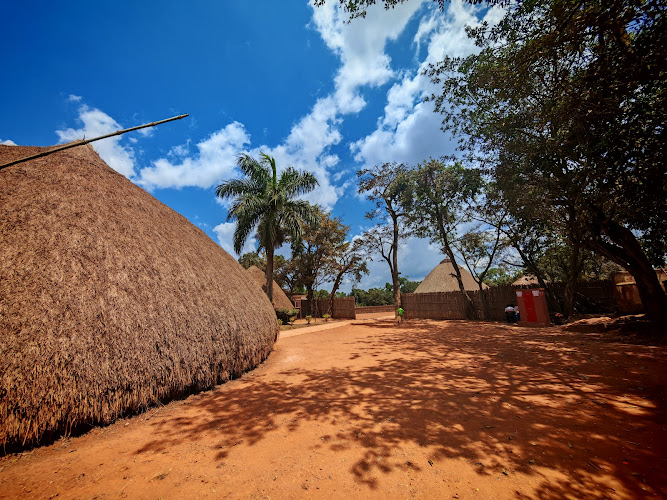
Kasubi Tombs

Wonder World Amusement Park
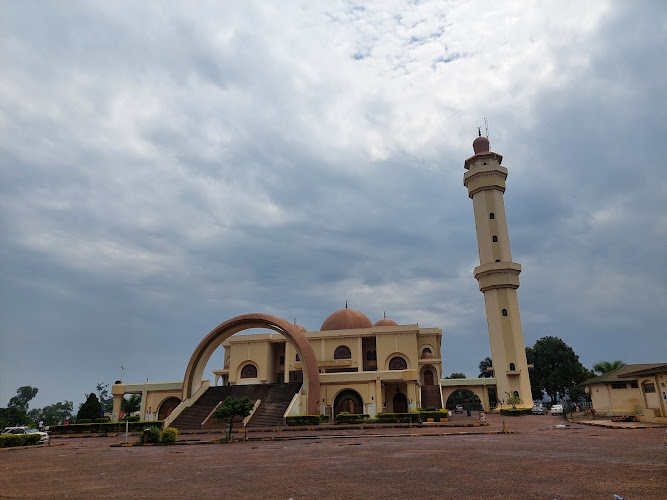
Uganda National Mosque
Find Accommodations Nearby
Recommended Tours & Activities
Visitor Reviews
There are no reviews yet. Be the first one to write one.
Share Your Experience
Have you visited Rwenzori Organization for Women Living Under Difficult Circumstances? Help other travelers by leaving a review.