
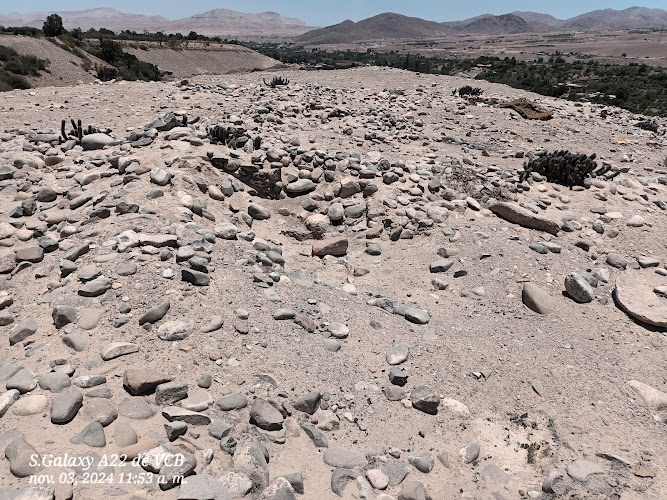
Zona Arqueológica Estuquiña
About Zona Arqueológica Estuquiña
Description
Let’s put it plainly—Zona Arqueológica Estuquiña is not one of those places that's going to smack you in the face with soaring monuments or sprawling ruins visible from space. Nope. This archaeological site, tucked in the legendary landscapes of Moquegua, Peru, is more of a puzzle—a beautiful, sun-bleached tapestry of pre-Inca and Inca legacies stitched into the southern Peruvian desert. For anyone with a bit of curiosity (and a good hat), this place offers a chance to touch history in a way that’s raw, earthy, and, frankly, unplugged compared to the more polished sites peppered throughout the region.
Estuquiña’s significance is more subtle. It doesn’t explode with crowds like Machu Picchu, but instead rewards those who look closer. The remnants here, scattered across rocky outcrops and sandy terraces, speak of cultures who understood arid living before most Europeans considered bathing a daily event—if you catch my drift. You’re wandering through a region that, for over a millennium, served as crossroads and home for the greats: the Tiwanaku, the Wari, and eventually the Inca. There’s a story etched on every hand-shaped stone wall, every buried pottery shard (please leave those buried, by the way), and every curious satellite map outlining the structures of Estuquiña in Moquegua, Peru.
The energy out here? Honest. No booming tour buses. No swarms of selfie sticks. You’ll probably share the space with a handful of fellow explorers, a diligent local guide or two, and the wind. There’s something about the stillness here—a direct connection with the echoes of ancient people who used ingenuity to thrive in lands that get as bone-dry as a saltine cracker in July. And while the aesthetic may feel rough around the edges, the charm lies in that authenticity.
So, if you want to stand on a site where ancient Peruvian societies farmed, traded, built, and prayed—well before “Peru” even meant anything—you’re in exactly the right spot. Estuquiña might just surprise you. It did me, the first time I trudged up those sandy slopes, shoes full of pebbles and brain full of questions.
Key Features
- Pre-Inca and Inca Architecture: Ruins that reveal the transition and overlap of cultures, such as wall foundations, ancient terraces, and ceremonial spaces. You can literally see where one civilization ended and another began.
- Sweeping Desert Vistas: The physical location is perched above the Moquegua valley, so you get epic, wind-swept views of the surrounding hills and the river below. Pictures really don’t do it justice.
- Archaeological Excavations: Ongoing research projects (occasionally visible) are run by Peruvian and international archaeology teams, piecing together daily life from centuries gone by. Don’t be afraid to ask guides about the latest finds.
- Connection to Tiwanaku, Wari, and Inca Cultures: Estuquiña is a key to understanding regional transitions—pottery, tools, and even burial sites trace different empires living and traveling through here.
- Off-the-Beaten-Path Serenity: Seriously, most days you’ll have large portions of the site to yourself. For reflective travelers? Gold dust.
- Local Guide Expertise: Passionate guides from the Moquegua department offer stories and knowledge you rarely find in textbooks or online maps. I remember one guide who could tell you not just about Inca engineering but about what people in the neighboring village had for breakfast.
- Wildlife Sightings: Expect to see the occasional vizcacha (they’re like a cross between a rabbit and a squirrel) or soaring Andean condors on a lucky day.
- Proximity to Moquegua City: Only a short drive from the urban center, so you don’t need to dedicate an entire day just to getting here, which is always a deal-breaker for me when planning a tight itinerary.
- Unique Photographic Light: Because of the desert climate and elevation, the early morning and late afternoon light here is stark and golden, making for dramatic shadows on adobe walls and mountain ridges. Instagrammers, you’ve been warned.
Best Time to Visit
Here’s where a little planning saves your hide (and your sweat glands). The climate around Estuquiña in Moquegua, Peru is famously dry—seriously, “bring lip balm” levels of dry. The best months to visit are from May to September. This is the Peruvian winter, with cool, crisp mornings and mild afternoons. I cannot emphasize enough how pleasant it is to explore without the desert sun baking your brain—trust me, I’ve been cooked before across many a Moquegua archaeological site, and once is enough.
In contrast, the rainy season (January to March) doesn’t hit as fiercely here as in other regions of Peru, but the odd shower can turn access roads into mud traps. Honestly, unless you’re craving the full survivor experience, stick to the mid-year months. July and August are just about perfect: cloudless skies, low humidity, and prime conditions for exploring ruins and grabbing panoramic shots of the valley. But even outside those windows, early mornings or late afternoons are your best bet—the midday sun is a beast not even the locals try to wrestle with.
How to Get There
Estuquiña is close enough to Moquegua city that, if you’re coming from Arequipa, Tacna, or even Lima by overnight bus or flight, you’ll find the journey manageable. From Moquegua, it’s about a 30-minute drive east—hop onto the main Moquegua-Torata road and follow the signs towards the archaeological zone (keep an eye out, signage could be better, in all honesty). Taxis are readily available in Moquegua but make sure you agree on a return time; not all drivers hang out waiting for hours.
If you feel adventurous, colectivos (shared minibuses) run bits of the route, and the final access involves a short walk. Just be prepared for a dusty, rocky trail rather than slick pavement—this isn’t a European capital, after all. If you’re renting a car, great, but double-check the condition (spare tire, check!) and always bring extra water. Maps on your phone can help, but cellular service is spotty, so screenshot or download maps before leaving the city.
One good anecdote: last time I visited, I rode with a local friend in a slightly battered Toyota. We asked three times for directions because “just past the big rock” can mean a lot of things to different people in the Moquegua province. Still, we made it—and the sense of discovery is half the fun. If you’re the type who cherishes a good story about getting lost, you’ll be in your element.
Tips for Visiting
- Bring Sun Protection. The climate here is dry and the sun unrelenting—wide-brimmed hats, sunscreen, and sunglasses aren’t optional, especially between 10 am and 4 pm.
- Water, Water, Water. Staying hydrated is essential. There are no vendors on site (sometimes not even a stray snack stand), so pack what you’ll need for a couple of hours.
- Wear Proper Footwear. Even if you’re just here for the selfies, good walking shoes are gold. Expect uneven paths, scattered rocks, and the eternal Peruvian dust.
- Hire a Local Guide. They breathe life into the stones, sharing oral histories, regional lore, and modern context. If you want a deeper connection—this is the way. Plus, you support the local economy, which always feels right.
- Respect the Site. It seems obvious, but don’t climb on fragile structures, pocket pottery, or stray too far off marked paths. Every block here carries centuries of stories that deserve our care.
- Visit Early or Late. The physical light is gentler, temperatures are more forgiving, and the photographic opportunities are unbeatable. Plus, you’ll beat other travelers (if any) and the wind gusts that pick up at midday.
- Pack Out What You Pack In. Services are minimal (and sometimes non-existent), and keeping this place pristine gives future wanderers the same thrill you got.
- Combine with Other Sites. Moquegua province offers more than Estuquiña. Make a day of it by exploring Moquegua’s city center, the Museo Contisuyo, or other sites near the valley. It’ll give you a better sense of how cultures connected throughout southern Peru.
- Offline Maps Are Your Friend. Don’t count on 4G; download maps before you lose signal heading east outside the city.
- Chat with Locals. Often, you’ll run into folks who’ve lived nearby for decades, and their stories color the landscape more vividly than any formal history lesson.
- No Need to Rush. This is not a check-it-off-the-list kind of site. Take your time, soak up the silence, and try imagining daily life here centuries ago. I often do, and—call me sappy—it makes the experience so much richer.
Key Features
- Key Features
- Best Time to Visit
- How to Get There
- Tips for Visiting
More Details
Updated July 12, 2025
Table of Contents
Description
Let’s put it plainly—Zona Arqueológica Estuquiña is not one of those places that’s going to smack you in the face with soaring monuments or sprawling ruins visible from space. Nope. This archaeological site, tucked in the legendary landscapes of Moquegua, Peru, is more of a puzzle—a beautiful, sun-bleached tapestry of pre-Inca and Inca legacies stitched into the southern Peruvian desert. For anyone with a bit of curiosity (and a good hat), this place offers a chance to touch history in a way that’s raw, earthy, and, frankly, unplugged compared to the more polished sites peppered throughout the region.
Estuquiña’s significance is more subtle. It doesn’t explode with crowds like Machu Picchu, but instead rewards those who look closer. The remnants here, scattered across rocky outcrops and sandy terraces, speak of cultures who understood arid living before most Europeans considered bathing a daily event—if you catch my drift. You’re wandering through a region that, for over a millennium, served as crossroads and home for the greats: the Tiwanaku, the Wari, and eventually the Inca. There’s a story etched on every hand-shaped stone wall, every buried pottery shard (please leave those buried, by the way), and every curious satellite map outlining the structures of Estuquiña in Moquegua, Peru.
The energy out here? Honest. No booming tour buses. No swarms of selfie sticks. You’ll probably share the space with a handful of fellow explorers, a diligent local guide or two, and the wind. There’s something about the stillness here—a direct connection with the echoes of ancient people who used ingenuity to thrive in lands that get as bone-dry as a saltine cracker in July. And while the aesthetic may feel rough around the edges, the charm lies in that authenticity.
So, if you want to stand on a site where ancient Peruvian societies farmed, traded, built, and prayed—well before “Peru” even meant anything—you’re in exactly the right spot. Estuquiña might just surprise you. It did me, the first time I trudged up those sandy slopes, shoes full of pebbles and brain full of questions.
Key Features
- Pre-Inca and Inca Architecture: Ruins that reveal the transition and overlap of cultures, such as wall foundations, ancient terraces, and ceremonial spaces. You can literally see where one civilization ended and another began.
- Sweeping Desert Vistas: The physical location is perched above the Moquegua valley, so you get epic, wind-swept views of the surrounding hills and the river below. Pictures really don’t do it justice.
- Archaeological Excavations: Ongoing research projects (occasionally visible) are run by Peruvian and international archaeology teams, piecing together daily life from centuries gone by. Don’t be afraid to ask guides about the latest finds.
- Connection to Tiwanaku, Wari, and Inca Cultures: Estuquiña is a key to understanding regional transitions—pottery, tools, and even burial sites trace different empires living and traveling through here.
- Off-the-Beaten-Path Serenity: Seriously, most days you’ll have large portions of the site to yourself. For reflective travelers? Gold dust.
- Local Guide Expertise: Passionate guides from the Moquegua department offer stories and knowledge you rarely find in textbooks or online maps. I remember one guide who could tell you not just about Inca engineering but about what people in the neighboring village had for breakfast.
- Wildlife Sightings: Expect to see the occasional vizcacha (they’re like a cross between a rabbit and a squirrel) or soaring Andean condors on a lucky day.
- Proximity to Moquegua City: Only a short drive from the urban center, so you don’t need to dedicate an entire day just to getting here, which is always a deal-breaker for me when planning a tight itinerary.
- Unique Photographic Light: Because of the desert climate and elevation, the early morning and late afternoon light here is stark and golden, making for dramatic shadows on adobe walls and mountain ridges. Instagrammers, you’ve been warned.
Best Time to Visit
Here’s where a little planning saves your hide (and your sweat glands). The climate around Estuquiña in Moquegua, Peru is famously dry—seriously, “bring lip balm” levels of dry. The best months to visit are from May to September. This is the Peruvian winter, with cool, crisp mornings and mild afternoons. I cannot emphasize enough how pleasant it is to explore without the desert sun baking your brain—trust me, I’ve been cooked before across many a Moquegua archaeological site, and once is enough.
In contrast, the rainy season (January to March) doesn’t hit as fiercely here as in other regions of Peru, but the odd shower can turn access roads into mud traps. Honestly, unless you’re craving the full survivor experience, stick to the mid-year months. July and August are just about perfect: cloudless skies, low humidity, and prime conditions for exploring ruins and grabbing panoramic shots of the valley. But even outside those windows, early mornings or late afternoons are your best bet—the midday sun is a beast not even the locals try to wrestle with.
How to Get There
Estuquiña is close enough to Moquegua city that, if you’re coming from Arequipa, Tacna, or even Lima by overnight bus or flight, you’ll find the journey manageable. From Moquegua, it’s about a 30-minute drive east—hop onto the main Moquegua-Torata road and follow the signs towards the archaeological zone (keep an eye out, signage could be better, in all honesty). Taxis are readily available in Moquegua but make sure you agree on a return time; not all drivers hang out waiting for hours.
If you feel adventurous, colectivos (shared minibuses) run bits of the route, and the final access involves a short walk. Just be prepared for a dusty, rocky trail rather than slick pavement—this isn’t a European capital, after all. If you’re renting a car, great, but double-check the condition (spare tire, check!) and always bring extra water. Maps on your phone can help, but cellular service is spotty, so screenshot or download maps before leaving the city.
One good anecdote: last time I visited, I rode with a local friend in a slightly battered Toyota. We asked three times for directions because “just past the big rock” can mean a lot of things to different people in the Moquegua province. Still, we made it—and the sense of discovery is half the fun. If you’re the type who cherishes a good story about getting lost, you’ll be in your element.
Tips for Visiting
- Bring Sun Protection. The climate here is dry and the sun unrelenting—wide-brimmed hats, sunscreen, and sunglasses aren’t optional, especially between 10 am and 4 pm.
- Water, Water, Water. Staying hydrated is essential. There are no vendors on site (sometimes not even a stray snack stand), so pack what you’ll need for a couple of hours.
- Wear Proper Footwear. Even if you’re just here for the selfies, good walking shoes are gold. Expect uneven paths, scattered rocks, and the eternal Peruvian dust.
- Hire a Local Guide. They breathe life into the stones, sharing oral histories, regional lore, and modern context. If you want a deeper connection—this is the way. Plus, you support the local economy, which always feels right.
- Respect the Site. It seems obvious, but don’t climb on fragile structures, pocket pottery, or stray too far off marked paths. Every block here carries centuries of stories that deserve our care.
- Visit Early or Late. The physical light is gentler, temperatures are more forgiving, and the photographic opportunities are unbeatable. Plus, you’ll beat other travelers (if any) and the wind gusts that pick up at midday.
- Pack Out What You Pack In. Services are minimal (and sometimes non-existent), and keeping this place pristine gives future wanderers the same thrill you got.
- Combine with Other Sites. Moquegua province offers more than Estuquiña. Make a day of it by exploring Moquegua’s city center, the Museo Contisuyo, or other sites near the valley. It’ll give you a better sense of how cultures connected throughout southern Peru.
- Offline Maps Are Your Friend. Don’t count on 4G; download maps before you lose signal heading east outside the city.
- Chat with Locals. Often, you’ll run into folks who’ve lived nearby for decades, and their stories color the landscape more vividly than any formal history lesson.
- No Need to Rush. This is not a check-it-off-the-list kind of site. Take your time, soak up the silence, and try imagining daily life here centuries ago. I often do, and—call me sappy—it makes the experience so much richer.
Key Highlights
- Key Features
- Best Time to Visit
- How to Get There
- Tips for Visiting
Location
Places to Stay Near Zona Arqueológica Estuquiña
Find and Book a Tour
Explore More Travel Guides
No reviews found! Be the first to review!
Traveler Reviews for Zona Arqueológica Estuquiña
There are no reviews yet. Be the first one to write one.
Have you visited Zona Arqueológica Estuquiña? Help other travelers by sharing your review.
You Might Also Like
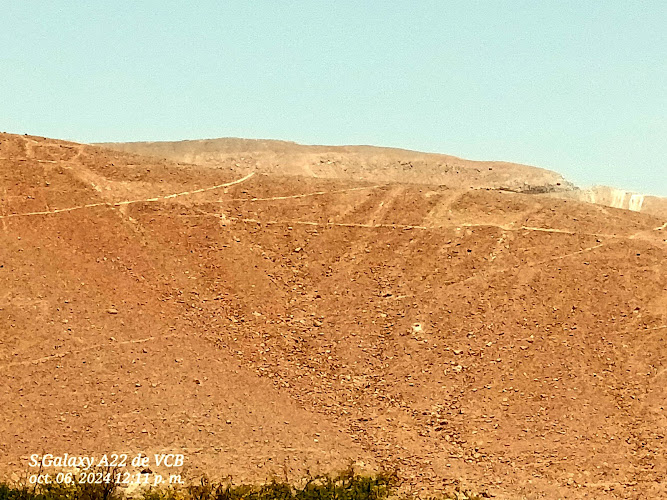
Geoglifos Chen Chen
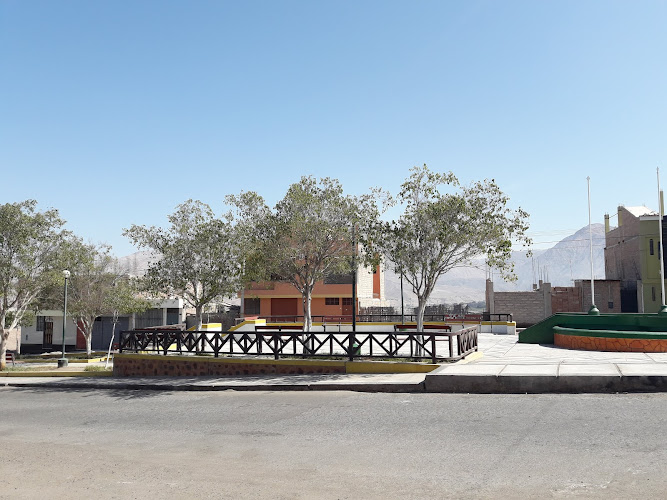
Parque de la Esperanza
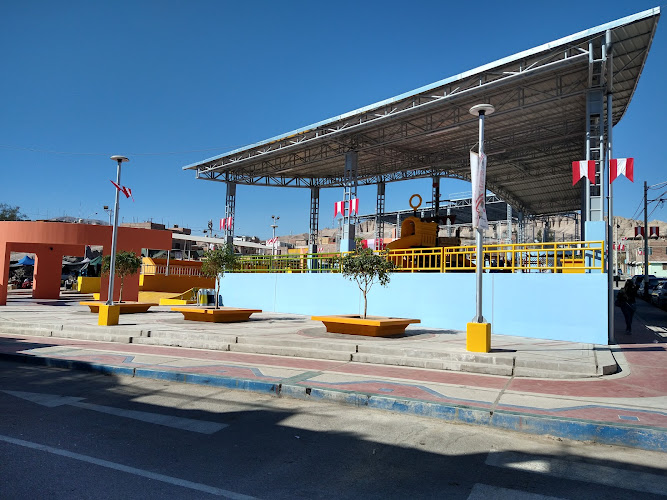
Parque Temático López Albujar
Find Accommodations Nearby
Recommended Tours & Activities
Visitor Reviews
There are no reviews yet. Be the first one to write one.
Share Your Experience
Have you visited Zona Arqueológica Estuquiña? Help other travelers by leaving a review.