
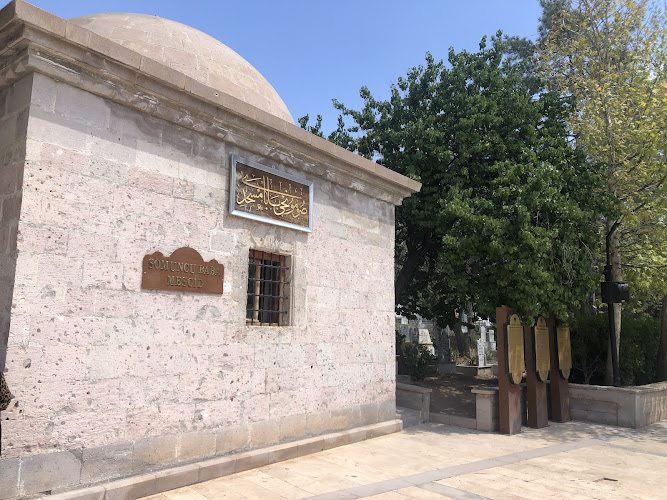
Somuncu Baba Tomb
About Somuncu Baba Tomb
Description
If you’re meandering through the ancient heart of Turkey and are the sort who likes to go a little off the familiar tourist trail, the Somuncu Baba Tomb in Aksaray is one of those places you might call “the real deal.” It isn’t your average, run-of-the-mill religious site. Rather, it’s a blend of genuine Anatolian spirituality, local history, and a living, breathing tradition that draws travelers, worshippers, and curious minds alike. Sure, it doesn’t have the crowds of Istanbul’s Blue Mosque—thankfully—but what it does offer is atmosphere, authenticity, and layers of history that urge you to scratch beneath the surface.
This tomb is dedicated to Sheikh Hamid-i Veli, lovingly known as Somuncu Baba—a name that means something like “the Bread Father” in Turkish, a nod to his humble lifestyle. Born in the 14th century, Somuncu Baba was a Sufi teacher whose philosophical and spiritual influence spread across Anatolia and even left its mark on Ottoman thought. He’s the saint you’ll hear locals speak about with almost familial affection; people here treat his name not just with respect but with a warmth that you sense as soon as you step into the complex.
Sitting quietly within the Ervah Cemetery, the tomb complex isn’t just a simple burial chamber. There’s a small mosque, traditional selamlık areas, older trees shading the courtyards, and the gentle murmur of prayers or sometimes the clatter of lively local conversation. The stonework feels old—like it’s been shaped by the weather, prayers, and time itself. Unlike some grand Ottoman mosques, this place hits you with its simplicity and the rural character of Aksaray. It’s where everyday Turkish people go to reflect, breathe, or just find a moment of peace on a Friday afternoon.
No one is rushing here. Pilgrims and visitors pay their respects, sometimes bringing baskets of bread to offer in memory of Somuncu Baba’s legendary generosity. And yes, if you go on certain days, you might find a friendly local baker handing out a loaf or two—for free. That kind of honest hospitality is something I’ve always admired about travel in Turkish towns.
Everything is accessible: wheelchair-friendly paths, ramps, and accessible parking. The restrooms might not be “luxury hotel” level (you’re in rural Turkey, after all), but they’re clean and functional. Whether you’re religious or a history buff, or just like poking around atmospheric places, the Somuncu Baba Tomb offers you a rare peek into Turkey’s spiritual and cultural fabric. I promise, standing by the tomb, you’ll catch yourself unconsciously lowering your voice—not out of fear or formality, but out of a genuine respect the place quietly earns.
Key Features
- Tomb of Somuncu Baba (Sheikh Hamid-i Veli): Revered Sufi saint’s final resting place, a focal point for reflection, spiritual tourism, and prayer.
- Historical Mosque: The on-site mosque is compact, built in authentic Anatolian style with cut stone and timber, offering a rare glimpse into centuries-old architectural traditions.
- Serene Courtyards: Shaded by ancient trees, the open-air courtyards invite visitors to sit quietly or mingle with local worshippers. You’ll feel time slow down here, honestly.
- Somuncu Baba Museum: Small but surprisingly informative. Showcases relics, manuscripts, artifacts, and even some authentic bakery tools rumored to be from the time of Somuncu Baba himself.
- Modern Accessibility: Entrance and parking are fully wheelchair accessible. Paths are well-maintained, with ramps and signage in Turkish and basic English.
- Community Hub: The complex doubles as a community center where people gather for religious holidays, local festivals, and commemorative events dedicated to other Anatolian saints and Islamic figures.
- A Place of Living Tradition: Not a museum piece; the site is actively used by Aksaray’s population and pilgrims from across Turkey (and Turkish diaspora as far as Germany or the US) for worship, gatherings, and the sharing of “sadaka” (alms).
- Free Bread Tradition: On some Fridays and holy days, local volunteers distribute bread in the name of Somuncu Baba. A practice both touching and uniquely Turkish, dating back centuries.
- Restrooms & Amenities: Clean public restrooms available onsite. Drinking water fountains are commonplace, especially helpful in the summer. You can find a few small kiosks selling tea and simit (Turkish bagels) right outside the gates.
Best Time to Visit
If you ask locals—or the savvy Turkish travelers who make pilgrimages here year after year—they’ll tell you spring (late April to June) and autumn (mid-September to November) are hands down the best months. The Anatolian plateau lights up with green in spring, and autumn brings a golden, almost cinematic light to the quiet courtyards. Temperatures are comfortable, with daytime highs from 18°C to 28°C (that’s around 65°F–85°F in my clumsy Fahrenheit math). Summer can be hot—over 35°C isn’t unusual—and if you hate crowds or sweating profusely, skip July and August.
Fridays carry a different energy. If you want to experience local religious rhythms and the bread-giving tradition, come before noon on a Friday. Islamic holidays (like Eid, or “Bayram” as locals say) also bring waves of visitors and heightened activity; the place buzzes with intergenerational families, children darting between elders, the scent of fresh bread mingling with shared stories.
Winter is quieter. I’ve braved those months and while it gets chilly and the trees go bare, there’s a rugged charm about the tomb complex dusted in snow. You trade crowds for solitude, and in my book, that’s sometimes a pretty good swap. Just layer up.
How to Get There
Somuncu Baba Tomb is located in Aksaray—a midsize Anatolian city, roughly halfway between Ankara and Cappadocia. If you’re already on the “Silk Road” circuit, stopping here is a breeze. I usually rely on a mix of public transit and a bit of walking; it’s well signposted within city limits. Local buses labeled “Ervah Kabristanı” or “Somuncu Baba” make regular runs from the city center—if you’re shy about asking locals for bus numbers, don’t be, Turkish people are famously helpful, and even if you don’t share a language, you’ll probably be ushered soft-handed in the right direction.
Driving? The site’s got free parking, and traffic in Aksaray isn’t remotely as hair-raising as, say, Istanbul or Izmir. Navigation apps will get you there easily—just enter the site’s name in Turkish or English. For travelers coming from Ankara (about 3 hours by car, if you’re a confident highway driver) or from Cappadocia’s Nevşehir (less than 90 minutes), it’s a straightforward day trip. Intercity buses connect Aksaray with most of central Turkey, and from the main otogar (bus terminal) you can catch a taxi—about fifteen minutes’ ride.
My advice if you’re landing from farther afield? Fly into Nevşehir or Kayseri Airport, both under two hours’ drive away, rent a car for max flexibility, and include the Somuncu Baba Tomb as part of a broader “mystical Anatolia” loop.
Tips for Visiting
- Dress Respectfully: It’s a mosque and an active site of worship. Cover shoulders, knees, and for women, a headscarf is expected inside the mosque—scarves are usually available to borrow at the entrance, so don’t sweat it if you forget yours.
- Take Your Time: This isn’t just a photo-op spot. Let the stillness soak in—there’s something genuinely restorative about the pace here that’s rare in busy Turkey. Find a bench, sip some tea, listen to the prayers, and let your mind wander.
- Respect the Rituals: Friday is a bustling day with bread distribution and extra prayers. If you want to participate, do as the locals do: quietly follow along, and if bread is offered, say “Allah razı olsun” (may God reward you) in gratitude.
- Engage With Locals: Turkish people love to talk, and if you show interest, someone might share stories about Somuncu Baba’s miracles, the meanings of the Sufi teachings, or even give you tips on the next “hidden gem” mosque or tomb nearby.
- Language Helps, But Isn’t Essential: While signage is decent, bringing a Turkish phrasebook or translator app makes things easier—and adds to the fun. I’ve muddled through many a conversation with a smile and some clumsy Turkish, and never regretted it.
- Accessibility Is Good, But Go Slow: Wheelchairs, strollers, and anyone with mobility needs will find things manageable, but the paths are stone and occasionally uneven. Take it easy—no one here’s in a rush.
- Photography: Pictures are welcome outdoors, but avoid using flash inside the mosque or during prayer times. Just be discreet; the place is about presence more than performance.
- Combine With Nearby Sites: This is a historic region—after the tomb, consider visiting the Ulu Mosque, Aksaray Museum, or even do a quick circuit to the legendary underground cities sprinkled around the Kapadokya region. If you’re a history maniac (like I am), you might even lose a whole day here, happily so.
- Quiet Hours: Early mornings and late afternoons are magical. The stone glows, birds dart around the courtyard, and the whole place feels suspended somewhere between past and present.
- Savor the Bread: Don’t leave without tasting some of the local bread, whether from the Friday offering or bought fresh from a bakery in town. It’s simple, hearty, and a real link to Somuncu Baba’s legacy. You’ll remember it.
Bottom line? The Somuncu Baba Tomb isn’t a flashy spot—it’s one of those rare, grounding places where history, community, and faith blend seamlessly. You’ll leave with more insight, maybe a full stomach, and certainly a story worth sharing. If Turkey is on your radar for travel, carve out the time for this one; chances are, it’ll quietly steal your heart, just like it did mine.
You Might Also Like

*BDT BELEK DOGA TOUR | Daily Tours, Day Trips and Excursions in Antalya*
1464. Sk. No:55
2006. Sk. No:2
Tours & Activities
GetYourGuide provides this tour inventory. We may earn a commission if you book through it; verify current availability, prices, and terms with the provider.
Visitor Reviews
There are no reviews yet. Be the first one to write one.
Share Your Experience
Have you visited Somuncu Baba Tomb? Help other travelers by leaving a review.