
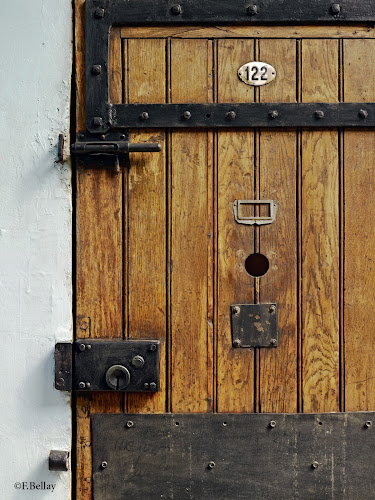
Mémorial National de la Prison de Montluc
About Mémorial National de la Prison de Montluc
Description
The Mémorial National de la Prison de Montluc stands as a powerful testament to one of the darkest chapters in French history. Originally built in the 1920s as a military prison, this site transformed into a haunting symbol of Nazi occupation during World War II. Today, it serves as both a sobering memorial and an educational institution that helps visitors understand the complex history of resistance, persecution, and human resilience. Walking through these historic corridors feels like stepping back in time - and trust me, it's an experience that'll stay with you long after you leave. The prison's original cells, interrogation rooms, and communal areas have been meticulously preserved, offering an authentic glimpse into the lives of thousands who were detained here, including notable Resistance figures like Jean Moulin and Marc Bloch.Key Features
• Original prison cells maintained in their historical state • Detailed historical exhibitions documenting the prison's role during WWII • Educational center with extensive archives and documentation • Memorial spaces dedicated to those who were imprisoned here • Guided tours led by knowledgeable historians • Interactive exhibits explaining the French Resistance movement • Preserved exercise yard where prisoners spent their limited outdoor time • Special exhibition areas featuring rotating historical displays • Documentary screening room with period footage • Memorial wall listing names of known detaineesBest Time to Visit
From my experience visiting several times throughout the year, weekday mornings tend to be quietest, allowing for a more contemplative experience. The memorial is open Wednesday through Saturday, and I'd particularly recommend catching one of the scheduled guided tours at 4:00 PM - the guides really bring the history to life with their detailed knowledge and compelling storytelling. The site sees fewer visitors during winter months, which can make for a more intimate experience. But honestly, there's something especially moving about visiting in summer, when you can truly appreciate the harsh conditions prisoners endured in these cells. Just keep in mind that the memorial is closed on major holidays and special occasions.How to Get There
Getting to the Mémorial National de la Prison de Montluc is pretty straightforward if you're staying in Lyon. The memorial is located in the 3rd arrondissement, easily accessible by public transportation. Take the Metro Line D to Sans Souci station, and it's about a 5-minute walk from there. If you're coming by bus, lines C11 and C13 stop nearby. For those driving, there's limited parking available in the area, but I'd recommend using public transport if possible - parking can be a bit tricky during peak hours. And honestly, the walk through the neighborhood helps set the mood for the sobering experience ahead.Tips for Visiting
Having visited this powerful memorial several times, I've picked up some helpful insights that'll make your visit more meaningful. First off, plan to spend at least two hours here - rushing through would really do a disservice to the experience and the history it represents. While the memorial is free to enter (yeah, you read that right!), I strongly recommend joining a guided tour. The guides are incredibly knowledgeable and really help contextualize what you're seeing. Book in advance though, especially if you want an English-language tour. Photography is allowed in most areas, but please be respectful - this is, after all, a place of remembrance. Bring a light jacket even in summer, as the building can be quite cool inside. The exhibitions include some intense content, so parents might want to prepare younger children beforehand. I'd suggest visiting the educational center first to get a solid overview before exploring the cells and other areas. And don't forget to pick up one of their informative booklets - they're available in multiple languages and provide valuable context to your visit. Oh, and one last thing - there's no café on site, so grab a bite beforehand. Trust me on this one - you'll want to focus entirely on the experience without worrying about hunger pangs halfway through. Remember, this isn't just another tourist stop - it's a place of reflection and remembrance. Take your time, absorb the stories, and allow yourself to connect with this important piece of history. The memorial does an incredible job of balancing education with commemoration, making it an essential visit for anyone interested in understanding France's wartime history.Key Features
- Key Features
- Best Time to Visit
- How to Get There
- Tips for Visiting
More Details
Updated June 12, 2025
Table of Contents
- Description
- Key Features
- Best Time to Visit
- How to Get There
- Tips for Visiting
- Key Highlights
- Location
- Places to Stay Near Mémorial National de la Prison de Montluc
- Find and Book a Tour
- Explore More Travel Guides
- Nearby Places You Might Like
- Traveler Reviews for Mémorial National de la Prison de Montluc
- Share Your Experience
Description
The Mémorial National de la Prison de Montluc stands as a powerful testament to one of the darkest chapters in French history. Originally built in the 1920s as a military prison, this site transformed into a haunting symbol of Nazi occupation during World War II. Today, it serves as both a sobering memorial and an educational institution that helps visitors understand the complex history of resistance, persecution, and human resilience.
Walking through these historic corridors feels like stepping back in time – and trust me, it’s an experience that’ll stay with you long after you leave. The prison’s original cells, interrogation rooms, and communal areas have been meticulously preserved, offering an authentic glimpse into the lives of thousands who were detained here, including notable Resistance figures like Jean Moulin and Marc Bloch.
Key Features
• Original prison cells maintained in their historical state
• Detailed historical exhibitions documenting the prison’s role during WWII
• Educational center with extensive archives and documentation
• Memorial spaces dedicated to those who were imprisoned here
• Guided tours led by knowledgeable historians
• Interactive exhibits explaining the French Resistance movement
• Preserved exercise yard where prisoners spent their limited outdoor time
• Special exhibition areas featuring rotating historical displays
• Documentary screening room with period footage
• Memorial wall listing names of known detainees
Best Time to Visit
From my experience visiting several times throughout the year, weekday mornings tend to be quietest, allowing for a more contemplative experience. The memorial is open Wednesday through Saturday, and I’d particularly recommend catching one of the scheduled guided tours at 4:00 PM – the guides really bring the history to life with their detailed knowledge and compelling storytelling.
The site sees fewer visitors during winter months, which can make for a more intimate experience. But honestly, there’s something especially moving about visiting in summer, when you can truly appreciate the harsh conditions prisoners endured in these cells. Just keep in mind that the memorial is closed on major holidays and special occasions.
How to Get There
Getting to the Mémorial National de la Prison de Montluc is pretty straightforward if you’re staying in Lyon. The memorial is located in the 3rd arrondissement, easily accessible by public transportation. Take the Metro Line D to Sans Souci station, and it’s about a 5-minute walk from there. If you’re coming by bus, lines C11 and C13 stop nearby.
For those driving, there’s limited parking available in the area, but I’d recommend using public transport if possible – parking can be a bit tricky during peak hours. And honestly, the walk through the neighborhood helps set the mood for the sobering experience ahead.
Tips for Visiting
Having visited this powerful memorial several times, I’ve picked up some helpful insights that’ll make your visit more meaningful. First off, plan to spend at least two hours here – rushing through would really do a disservice to the experience and the history it represents.
While the memorial is free to enter (yeah, you read that right!), I strongly recommend joining a guided tour. The guides are incredibly knowledgeable and really help contextualize what you’re seeing. Book in advance though, especially if you want an English-language tour.
Photography is allowed in most areas, but please be respectful – this is, after all, a place of remembrance. Bring a light jacket even in summer, as the building can be quite cool inside. The exhibitions include some intense content, so parents might want to prepare younger children beforehand.
I’d suggest visiting the educational center first to get a solid overview before exploring the cells and other areas. And don’t forget to pick up one of their informative booklets – they’re available in multiple languages and provide valuable context to your visit.
Oh, and one last thing – there’s no café on site, so grab a bite beforehand. Trust me on this one – you’ll want to focus entirely on the experience without worrying about hunger pangs halfway through.
Remember, this isn’t just another tourist stop – it’s a place of reflection and remembrance. Take your time, absorb the stories, and allow yourself to connect with this important piece of history. The memorial does an incredible job of balancing education with commemoration, making it an essential visit for anyone interested in understanding France’s wartime history.
Key Highlights
- Key Features
- Best Time to Visit
- How to Get There
- Tips for Visiting
Location
Places to Stay Near Mémorial National de la Prison de Montluc
Find and Book a Tour
Explore More Travel Guides
No reviews found! Be the first to review!
Traveler Reviews for Mémorial National de la Prison de Montluc
There are no reviews yet. Be the first one to write one.
Have you visited Mémorial National de la Prison de Montluc? Help other travelers by sharing your review.
You Might Also Like
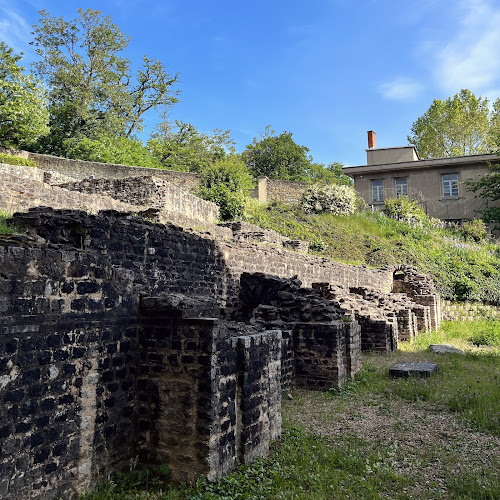
Thermes Antiques de Lyon
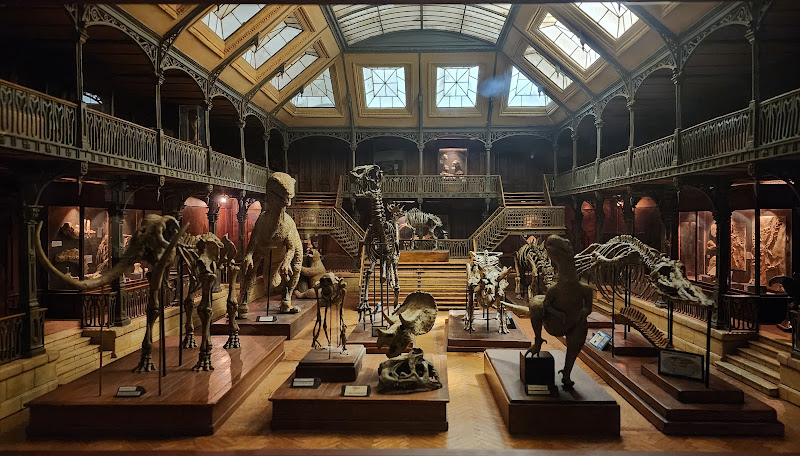
Musée Cinéma et Miniature
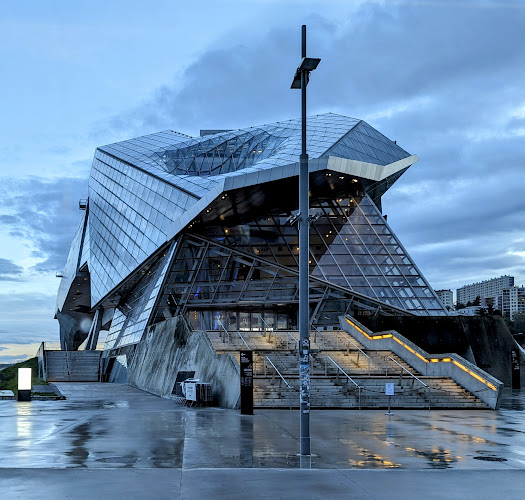
Musée des Confluences
Find Accommodations Nearby
Recommended Tours & Activities
Visitor Reviews
There are no reviews yet. Be the first one to write one.
Share Your Experience
Have you visited Mémorial National de la Prison de Montluc? Help other travelers by leaving a review.