
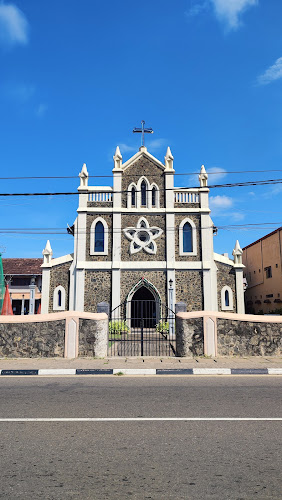
The Shrine of Our Lady of Matara
About The Shrine of Our Lady of Matara
Description
Standing as a testament to Sri Lanka's rich religious heritage, the Shrine of Our Lady of Matara draws thousands of pilgrims and curious travelers each year. This sacred Catholic shrine, with its remarkable wooden statue of the Virgin Mary, has a fascinating history dating back to the 16th century. I was particularly moved by the peaceful atmosphere that envelops you the moment you step onto the grounds - it's something that stays with you long after you leave. The shrine's most treasured possession is the statue of Our Lady, which according to local stories, mysteriously appeared on the shores of Matara during Portuguese times. What really caught my attention during my visits was how this place serves as a unique meeting point of cultures, where Catholic devotion beautifully intertwines with Sri Lankan traditions.Key Features
• The miraculous wooden statue of Our Lady, crafted with incredible detail and standing about four feet tall • A serene prayer garden where you can find moments of quiet reflection • Stunning stained glass windows that cast colorful shadows during morning prayers • Ancient Portuguese-era architecture blending with modern additions • A spacious sanctuary that accommodates hundreds of devotees • Well-maintained grounds with scenic views of the surrounding area • A small museum showcasing religious artifacts and votive offerings • Special meditation areas perfect for personal prayer • Interactive stations of the cross pathway • A recently renovated bell tower that chimes on the hourBest Time to Visit
Y'know, I've found that early mornings here are absolutely magical. The shrine really comes alive between 6:00 AM and 8:00 AM when the first rays of sunlight filter through those beautiful stained glass windows. But if you're looking to avoid crowds, I'd suggest planning your visit on weekdays rather than weekends. The annual feast in September transforms the shrine into a spectacular celebration of faith and culture. Though it's incredibly crowded during this time, the atmosphere is electric with devotional singing, processions, and cultural performances. December through March typically offers the most pleasant weather for exploring the grounds and surrounding areas.How to Get There
Getting to the shrine is pretty straightforward, especially if you're coming from Matara town. From the town center, you can hop into a tuk-tuk - that's what I usually do - and you'll reach in about 10 minutes. If you're driving yourself, there's plenty of parking space available. For those coming from Colombo, you can take the Southern Expressway and exit at Matara. Public buses regularly run from major cities to Matara, and from the main bus station, it's a short ride to the shrine. Trust me, even if you get a bit lost, locals are super helpful in pointing you in the right direction.Tips for Visiting
As someone who's been here multiple times, lemme share some insider tips that'll make your visit more meaningful. First off, dress modestly - shoulders and knees should be covered. I learned this the hard way on my first visit! Bring a bottle of water, especially during hot days, though there are small shops nearby if you forget. The best photographs can be taken during early morning or late afternoon when the lighting is perfect. And yeah, don't forget to switch your phone to silent mode inside the shrine. If you're interested in learning more about the shrine's history, try visiting during weekday mornings when the caretakers are less busy and more likely to share stories. Oh, and bring some cash for donations or candles if you'd like to participate in the local traditions. Weekends can get pretty busy with local worshippers, so plan accordingly if you prefer a quieter experience. And here's a pro tip: the small garden behind the shrine is often overlooked but offers a peaceful spot for reflection and some great photo opportunities. Remember to allow at least an hour to fully appreciate the shrine and its surroundings. And if you're lucky enough to visit during one of the special feast days, prepare for large crowds but also some of the most authentic cultural experiences you'll find in Sri Lanka.Key Features
- Key Features
- Best Time to Visit
- How to Get There
- Tips for Visiting
More Details
Updated June 13, 2025
Table of Contents
Description
Standing as a testament to Sri Lanka’s rich religious heritage, the Shrine of Our Lady of Matara draws thousands of pilgrims and curious travelers each year. This sacred Catholic shrine, with its remarkable wooden statue of the Virgin Mary, has a fascinating history dating back to the 16th century. I was particularly moved by the peaceful atmosphere that envelops you the moment you step onto the grounds – it’s something that stays with you long after you leave.
The shrine’s most treasured possession is the statue of Our Lady, which according to local stories, mysteriously appeared on the shores of Matara during Portuguese times. What really caught my attention during my visits was how this place serves as a unique meeting point of cultures, where Catholic devotion beautifully intertwines with Sri Lankan traditions.
Key Features
• The miraculous wooden statue of Our Lady, crafted with incredible detail and standing about four feet tall
• A serene prayer garden where you can find moments of quiet reflection
• Stunning stained glass windows that cast colorful shadows during morning prayers
• Ancient Portuguese-era architecture blending with modern additions
• A spacious sanctuary that accommodates hundreds of devotees
• Well-maintained grounds with scenic views of the surrounding area
• A small museum showcasing religious artifacts and votive offerings
• Special meditation areas perfect for personal prayer
• Interactive stations of the cross pathway
• A recently renovated bell tower that chimes on the hour
Best Time to Visit
Y’know, I’ve found that early mornings here are absolutely magical. The shrine really comes alive between 6:00 AM and 8:00 AM when the first rays of sunlight filter through those beautiful stained glass windows. But if you’re looking to avoid crowds, I’d suggest planning your visit on weekdays rather than weekends.
The annual feast in September transforms the shrine into a spectacular celebration of faith and culture. Though it’s incredibly crowded during this time, the atmosphere is electric with devotional singing, processions, and cultural performances. December through March typically offers the most pleasant weather for exploring the grounds and surrounding areas.
How to Get There
Getting to the shrine is pretty straightforward, especially if you’re coming from Matara town. From the town center, you can hop into a tuk-tuk – that’s what I usually do – and you’ll reach in about 10 minutes. If you’re driving yourself, there’s plenty of parking space available.
For those coming from Colombo, you can take the Southern Expressway and exit at Matara. Public buses regularly run from major cities to Matara, and from the main bus station, it’s a short ride to the shrine. Trust me, even if you get a bit lost, locals are super helpful in pointing you in the right direction.
Tips for Visiting
As someone who’s been here multiple times, lemme share some insider tips that’ll make your visit more meaningful. First off, dress modestly – shoulders and knees should be covered. I learned this the hard way on my first visit!
Bring a bottle of water, especially during hot days, though there are small shops nearby if you forget. The best photographs can be taken during early morning or late afternoon when the lighting is perfect. And yeah, don’t forget to switch your phone to silent mode inside the shrine.
If you’re interested in learning more about the shrine’s history, try visiting during weekday mornings when the caretakers are less busy and more likely to share stories. Oh, and bring some cash for donations or candles if you’d like to participate in the local traditions.
Weekends can get pretty busy with local worshippers, so plan accordingly if you prefer a quieter experience. And here’s a pro tip: the small garden behind the shrine is often overlooked but offers a peaceful spot for reflection and some great photo opportunities.
Remember to allow at least an hour to fully appreciate the shrine and its surroundings. And if you’re lucky enough to visit during one of the special feast days, prepare for large crowds but also some of the most authentic cultural experiences you’ll find in Sri Lanka.
Key Highlights
- Key Features
- Best Time to Visit
- How to Get There
- Tips for Visiting
Location
Places to Stay Near The Shrine of Our Lady of Matara
Find and Book a Tour
Explore More Travel Guides
No reviews found! Be the first to review!
Traveler Reviews for The Shrine of Our Lady of Matara
There are no reviews yet. Be the first one to write one.
Have you visited The Shrine of Our Lady of Matara? Help other travelers by sharing your review.
You Might Also Like
Madiha Rd
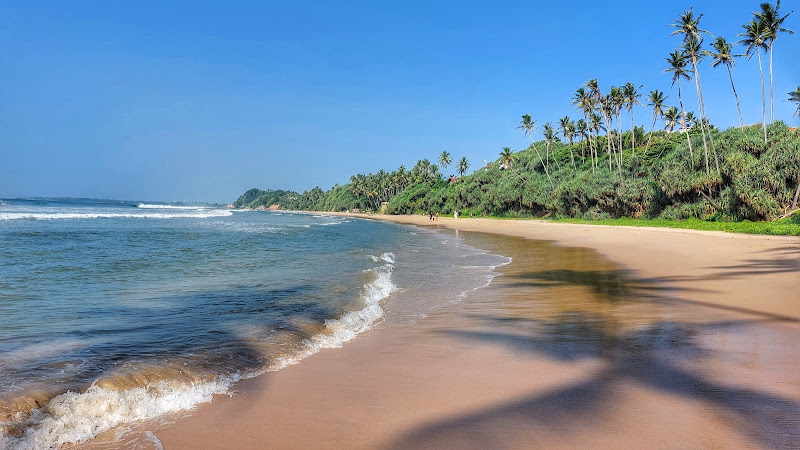
Sk Town Beach
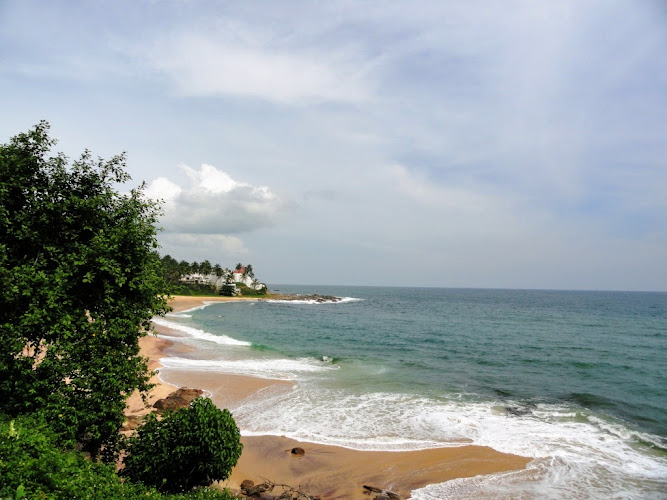
Lakshawaththa Beach
Find Accommodations Nearby
Recommended Tours & Activities
Visitor Reviews
There are no reviews yet. Be the first one to write one.
Share Your Experience
Have you visited The Shrine of Our Lady of Matara? Help other travelers by leaving a review.