

Old Dutch Market
About Old Dutch Market
Description
Let me set the scene: It’s early morning, the sky is still that peculiar pale blue you only see at the coastline in Sri Lanka, and you’re walking through an old-world market where every worn brick and weathered beam seems to whisper its own story. The Old Dutch Market in Matara isn’t just some dusty relic or a perfect postcard for history buffs—though honestly, you’ll want to snap plenty of pictures. It’s a living, breathing piece of the city’s fabric. Built centuries ago during the time of Dutch colonial rule, this market is the sort of place where time gets a little muddled. You’ll see school kids on their way to tuition classes, grizzled uncles chewing betel, and maybe even a curious street dog darting between ancient pillars, unfazed by it all.
I actually visited with my grandmother once (she’s a walking encyclopaedia on local gossip), and she just couldn’t stop talking about how folks used to barter for dried fish here when she was young. There’s something undeniably raw and authentic about the Old Dutch Market—the way it clings to its past while still being thoroughly Sri Lankan in the present. You’ll spot jaw-dropping colonial architecture: thick stone columns, a high roof dotted with sunlight, and that musty, comforting smell unique to buildings that have outlived several empires. Don’t expect anything overly ‘curated’ or squeaky-clean; part of the charm is this slightly rough-around-the-edges vibe. It’s rustic. It’s lively. Sometimes sellers will grin at you with a few teeth missing, proudly hawking everything from fish to jackfruit.
But what struck me most—beside the sounds and smells—was the chance to observe daily life. You might get caught up in a heated bargaining session (take it as a fun challenge, not an insult), overhear a joke in Sinhala or Tamil, or stumble upon a little corner altar with bright offerings tucked away in the shadows. You’ll sense the history, but you won’t feel out of place. People will wave, sometimes pose for a photo, and—if you’re lucky—share a tale or two about the market’s heyday. Sure, it’s not polished like Europe’s grand halls, but that’s hardly the point. You’re here for the soul, not the sparkle.
Key Features
- Remarkable Colonial Architecture: High, arched ceilings, thick stone columns, and a broad, open hall provide a glimpse into the utilitarian beauty favored by Dutch engineers in the 18th century.
- Working Market Atmosphere: It’s still a functioning marketplace—expect to see locals bargaining for fish, fruits, vegetables, spices, and the occasional surprise (like flip-flops or rooster figurines).
- Diverse Cultural Influence: The echoes of Portuguese, Dutch, and Sri Lankan culture blend together here, in both the structure and the faces you’ll pass by.
- Photogenic Setting: Crumbling walls, shafts of light, shouty vendors—it all makes for some downright moody and memorable photos. If you’re into street photography, you’ll have a field day, trust me.
- Affordable and Authentic Shopping: Unlike the overpriced souvenir shops near the beach, you can actually snag a good deal on produce, or try some local snacks without breaking the bank (and don’t forget to haggle—it’s half the fun!).
- Subtle Historical Markers: Spot faded Dutch insignias and centuries-old graffiti, and imagine the bustling trade from days long gone, from cinnamon to ivory.
- Friendly, Chatty Vendor Community: Be open to questions, stories, and lots of laughter—most vendors love to chat, or at the very least, do some good-natured haggling.
- Central Location: Easy to reach from practically anywhere in Matara town, and right in the path of exploring other local highlights like the fort or the clock tower. Super convenient if you’re on foot.
Best Time to Visit
Here’s the truth—there’s hardly such a thing as a truly “bad” time to stop by, but timing does change the feel of the place. If you’re like me and prefer soaking up local color (and smells, and sounds), come in the morning. Mornings at the Old Dutch Market are just plain electric. Picture the stalls at their fullest, the shouts and laughter so loud you can barely hear your own thoughts. The freshest seafood and produce come in early, and the light is magical—perfect for photos if you’re up for jostling elbows with the regulars. Plus, you’ll get to see the city just waking up.
Let’s be honest though, it can get hot as sin by noon. If you hate sweat trickling down your back, early hours (around 7-9am) or late afternoon (after 4pm) are your best bet. During festivals or the Sinhala and Tamil New Year, the market turns into a wild spectacle—color, music, crowds bursting at the seams (just watch your wallet, pickpockets love festivals too).
Avoid coming on major public holidays when stalls tend to be empty and the market takes a little breather. Sundays, you’ll find a gentler pace and more time to just wander. If it’s pouring with rain, expect puddles and the odd leaky roof, though that has its own dingy charm if you're like me and enjoy a little adventure.
How to Get There
Getting to Matara’s Old Dutch Market is refreshingly straightforward (a rarity, trust me, for historic sites in Sri Lanka). If you’re already in Matara city, you probably won’t even need a tuk-tuk unless you’re loaded down with shopping bags or traveling in a group. Most people I know (including me) just walk over from the fort area or the train station—the market is quite central, you can’t really miss it.
If arriving by train or long-distance bus, hop off at Matara’s main station. From there, it’s about a 15-minute walk. The roads are usually buzzing with people, motorcycles, and the occasional cow, so walking is half the experience. Of course, if you’re prone to getting lost (who isn’t at some point?), just ask any shopkeeper or street vendor—folks are unfailingly helpful and often thrilled to practice their English.
If you’re coming from around the southern coast—Unawatuna, Mirissa, Weligama—hop on a bus towards Matara and get off at the town center. Tuk-tuks are everywhere and most drivers will roll their eyes and drop you off with a practiced nonchalance (expect to pay a bit extra if you don’t negotiate ahead of time). There’s basic signage, but the chaotic swirl of the market itself will let you know you’ve arrived.
Tips for Visiting
- Bring Small Change: Vendors rarely carry notes larger than 500 rupees, and you might lose out on that perfect bunch of mangoes if you don’t have coins handy.
- Wear Closed-Toe Shoes: The market floor can get wet, muddy, and let’s be real—there are a few squishy surprises near the fish stalls. Flip-flops can become a regrettable decision.
- Stay Mindful of Your Belongings: Like any bustling market, it attracts the occasional pickpocket. Crossbody bags are great, and keep your phone zipped away when in big crowds.
- Don’t Be Shy to Haggle: Haggling isn’t just accepted; it’s expected! Vendors may act grumpy but it’s normally just an act. Smile, laugh, and play along—it can be good fun.
- Respect Local Customs: No need for a suit and tie but dress moderately and avoid flashy displays, especially when photographing people. A friendly “May I?” goes a long way.
- Try Some Local Snacks: Don’t pass up a chance to sample sweet ripe bananas, buffalo curd, or whatever’s fresh that day. Sometimes the combos look odd (like chilli and pineapple), but I still wake up craving them.
- Ask About History: Many vendors have roots going back generations and will share family tales if you’re interested. I once heard a story about a merchant who claimed to have traded with “Dutch ghosts” at night—only in Matara, right?
- Bring Your Camera, But Also Soak It In: Sure, the market is an Instagrammer’s dream, but pause and just absorb the ambiance now and then. The atmosphere changes by the hour.
- Be Mindful of Opening Hours: Most stalls start to pack up by late afternoon. If you want the liveliest scenes, the earlier the better, especially for fish and produce stalls.
- Stay Curious: The market is packed with hidden corners—a shrine here, a faded mural there. Let your feet, nose, and curiosity guide you off the main path. Who knows what little gem you’ll discover tucked behind a stack of jackfruit.
In the end, whether you’re a diehard history nerd
Key Features
- Key Features
- Best Time to Visit
- How to Get There
- Tips for Visiting
More Details
Updated June 12, 2025
Table of Contents
Description
Let me set the scene: It’s early morning, the sky is still that peculiar pale blue you only see at the coastline in Sri Lanka, and you’re walking through an old-world market where every worn brick and weathered beam seems to whisper its own story. The Old Dutch Market in Matara isn’t just some dusty relic or a perfect postcard for history buffs—though honestly, you’ll want to snap plenty of pictures. It’s a living, breathing piece of the city’s fabric. Built centuries ago during the time of Dutch colonial rule, this market is the sort of place where time gets a little muddled. You’ll see school kids on their way to tuition classes, grizzled uncles chewing betel, and maybe even a curious street dog darting between ancient pillars, unfazed by it all.
I actually visited with my grandmother once (she’s a walking encyclopaedia on local gossip), and she just couldn’t stop talking about how folks used to barter for dried fish here when she was young. There’s something undeniably raw and authentic about the Old Dutch Market—the way it clings to its past while still being thoroughly Sri Lankan in the present. You’ll spot jaw-dropping colonial architecture: thick stone columns, a high roof dotted with sunlight, and that musty, comforting smell unique to buildings that have outlived several empires. Don’t expect anything overly ‘curated’ or squeaky-clean; part of the charm is this slightly rough-around-the-edges vibe. It’s rustic. It’s lively. Sometimes sellers will grin at you with a few teeth missing, proudly hawking everything from fish to jackfruit.
But what struck me most—beside the sounds and smells—was the chance to observe daily life. You might get caught up in a heated bargaining session (take it as a fun challenge, not an insult), overhear a joke in Sinhala or Tamil, or stumble upon a little corner altar with bright offerings tucked away in the shadows. You’ll sense the history, but you won’t feel out of place. People will wave, sometimes pose for a photo, and—if you’re lucky—share a tale or two about the market’s heyday. Sure, it’s not polished like Europe’s grand halls, but that’s hardly the point. You’re here for the soul, not the sparkle.
Key Features
- Remarkable Colonial Architecture: High, arched ceilings, thick stone columns, and a broad, open hall provide a glimpse into the utilitarian beauty favored by Dutch engineers in the 18th century.
- Working Market Atmosphere: It’s still a functioning marketplace—expect to see locals bargaining for fish, fruits, vegetables, spices, and the occasional surprise (like flip-flops or rooster figurines).
- Diverse Cultural Influence: The echoes of Portuguese, Dutch, and Sri Lankan culture blend together here, in both the structure and the faces you’ll pass by.
- Photogenic Setting: Crumbling walls, shafts of light, shouty vendors—it all makes for some downright moody and memorable photos. If you’re into street photography, you’ll have a field day, trust me.
- Affordable and Authentic Shopping: Unlike the overpriced souvenir shops near the beach, you can actually snag a good deal on produce, or try some local snacks without breaking the bank (and don’t forget to haggle—it’s half the fun!).
- Subtle Historical Markers: Spot faded Dutch insignias and centuries-old graffiti, and imagine the bustling trade from days long gone, from cinnamon to ivory.
- Friendly, Chatty Vendor Community: Be open to questions, stories, and lots of laughter—most vendors love to chat, or at the very least, do some good-natured haggling.
- Central Location: Easy to reach from practically anywhere in Matara town, and right in the path of exploring other local highlights like the fort or the clock tower. Super convenient if you’re on foot.
Best Time to Visit
Here’s the truth—there’s hardly such a thing as a truly “bad” time to stop by, but timing does change the feel of the place. If you’re like me and prefer soaking up local color (and smells, and sounds), come in the morning. Mornings at the Old Dutch Market are just plain electric. Picture the stalls at their fullest, the shouts and laughter so loud you can barely hear your own thoughts. The freshest seafood and produce come in early, and the light is magical—perfect for photos if you’re up for jostling elbows with the regulars. Plus, you’ll get to see the city just waking up.
Let’s be honest though, it can get hot as sin by noon. If you hate sweat trickling down your back, early hours (around 7-9am) or late afternoon (after 4pm) are your best bet. During festivals or the Sinhala and Tamil New Year, the market turns into a wild spectacle—color, music, crowds bursting at the seams (just watch your wallet, pickpockets love festivals too).
Avoid coming on major public holidays when stalls tend to be empty and the market takes a little breather. Sundays, you’ll find a gentler pace and more time to just wander. If it’s pouring with rain, expect puddles and the odd leaky roof, though that has its own dingy charm if you’re like me and enjoy a little adventure.
How to Get There
Getting to Matara’s Old Dutch Market is refreshingly straightforward (a rarity, trust me, for historic sites in Sri Lanka). If you’re already in Matara city, you probably won’t even need a tuk-tuk unless you’re loaded down with shopping bags or traveling in a group. Most people I know (including me) just walk over from the fort area or the train station—the market is quite central, you can’t really miss it.
If arriving by train or long-distance bus, hop off at Matara’s main station. From there, it’s about a 15-minute walk. The roads are usually buzzing with people, motorcycles, and the occasional cow, so walking is half the experience. Of course, if you’re prone to getting lost (who isn’t at some point?), just ask any shopkeeper or street vendor—folks are unfailingly helpful and often thrilled to practice their English.
If you’re coming from around the southern coast—Unawatuna, Mirissa, Weligama—hop on a bus towards Matara and get off at the town center. Tuk-tuks are everywhere and most drivers will roll their eyes and drop you off with a practiced nonchalance (expect to pay a bit extra if you don’t negotiate ahead of time). There’s basic signage, but the chaotic swirl of the market itself will let you know you’ve arrived.
Tips for Visiting
- Bring Small Change: Vendors rarely carry notes larger than 500 rupees, and you might lose out on that perfect bunch of mangoes if you don’t have coins handy.
- Wear Closed-Toe Shoes: The market floor can get wet, muddy, and let’s be real—there are a few squishy surprises near the fish stalls. Flip-flops can become a regrettable decision.
- Stay Mindful of Your Belongings: Like any bustling market, it attracts the occasional pickpocket. Crossbody bags are great, and keep your phone zipped away when in big crowds.
- Don’t Be Shy to Haggle: Haggling isn’t just accepted; it’s expected! Vendors may act grumpy but it’s normally just an act. Smile, laugh, and play along—it can be good fun.
- Respect Local Customs: No need for a suit and tie but dress moderately and avoid flashy displays, especially when photographing people. A friendly “May I?” goes a long way.
- Try Some Local Snacks: Don’t pass up a chance to sample sweet ripe bananas, buffalo curd, or whatever’s fresh that day. Sometimes the combos look odd (like chilli and pineapple), but I still wake up craving them.
- Ask About History: Many vendors have roots going back generations and will share family tales if you’re interested. I once heard a story about a merchant who claimed to have traded with “Dutch ghosts” at night—only in Matara, right?
- Bring Your Camera, But Also Soak It In: Sure, the market is an Instagrammer’s dream, but pause and just absorb the ambiance now and then. The atmosphere changes by the hour.
- Be Mindful of Opening Hours: Most stalls start to pack up by late afternoon. If you want the liveliest scenes, the earlier the better, especially for fish and produce stalls.
- Stay Curious: The market is packed with hidden corners—a shrine here, a faded mural there. Let your feet, nose, and curiosity guide you off the main path. Who knows what little gem you’ll discover tucked behind a stack of jackfruit.
In the end, whether you’re a diehard history nerd
Key Highlights
- Key Features
- Best Time to Visit
- How to Get There
- Tips for Visiting
Location
Places to Stay Near Old Dutch Market
Find and Book a Tour
Explore More Travel Guides
No reviews found! Be the first to review!
Traveler Reviews for Old Dutch Market
There are no reviews yet. Be the first one to write one.
Have you visited Old Dutch Market? Help other travelers by sharing your review.
You Might Also Like
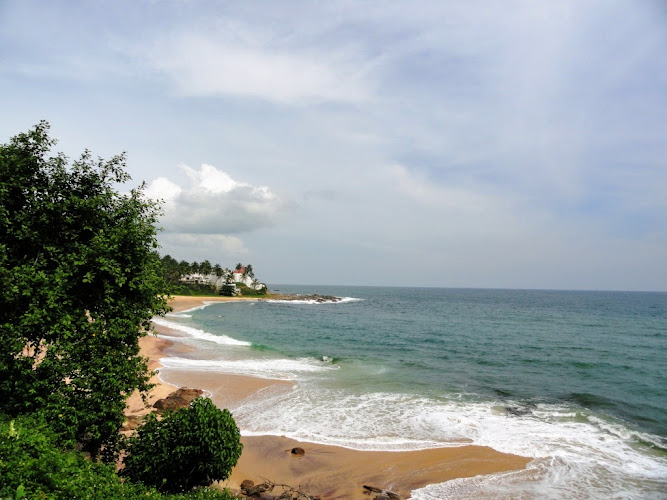
Lakshawaththa Beach

Matara Beach
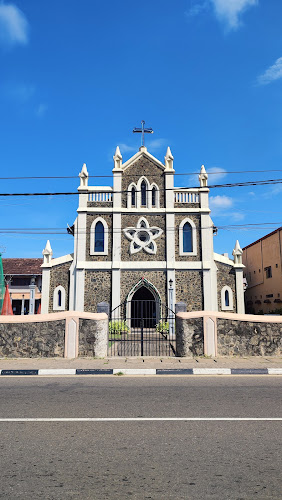
The Shrine of Our Lady of Matara
Find Accommodations Nearby
Recommended Tours & Activities
Visitor Reviews
There are no reviews yet. Be the first one to write one.
Share Your Experience
Have you visited Old Dutch Market? Help other travelers by leaving a review.