
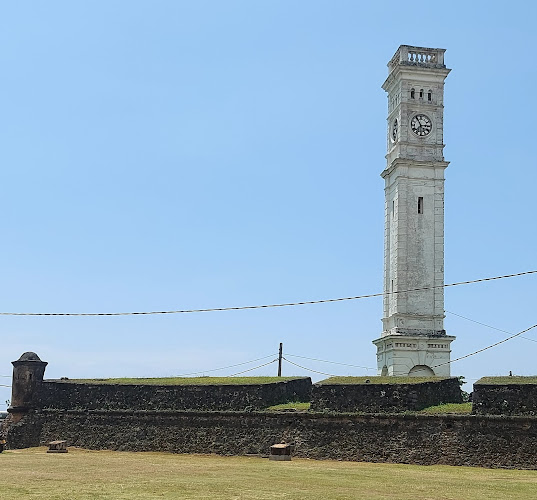
Matara Fort
About Matara Fort
Description
Picture this: You’re standing atop Matara Fort, a salty breeze in your hair, the distant hum of tuk-tuks mixing with ocean waves, and suddenly you get that wonderful itch to scribble something profound in a travel journal… but honestly, you just want to snap a thousand photos and gawk at the world below. That’s what happens here. Matara Fort is old—way old; we’re talking back-to-the-17th-century old, when those Dutch colonials built it with grit and (presumably) a hope that their handiwork would stand the test of time. Fast forward a few centuries, and you’ve got a place that's still buzzing—not just with history, but daily life and real Sri Lankan charm.
I’ve wandered my fair share of Sri Lankan ramparts, and what I love about Matara Fort is how it blends workaday, slightly-chaotic local life (kids playing cricket inside the walls, vendors peddling fruit, the odd guy wrestling a stubborn bicycle wheel) with these great hulking ramparts that feel somehow stoic and gentle all at once. The fort isn’t meticulously cordoned off or intimidating—plenty of visitors end up chatting with locals or even nibbling street food within the enclosure. It has a kind of gentle vibrance rather than imposing grandeur.
And though plenty come here seeking those Instagrammable sunset views—frankly, who could blame them?—it’s not just a backdrop. There’s soul here. Sure, if you’re hunting for perfect preservation, keep your expectations flexible (some corners are rough around the edges), but that’s part of the quirks and, dare I say, magic. Matara Fort isn’t a museum—it breathes, it lives, it changes with the tides. Oh, and while larger crowds tend to stick near the main entrance or the iconic clock tower, there are plenty of nooks to get lost in (or just snap a photo without a mob in the background).
Accessibility’s pretty solid for Sri Lanka: the main walkways are wide enough for wheelchairs and strollers, and the parking situation is way less harrowing than in Colombo. Families seem to have an especially good time here—kids scramble over ramps, old ramparts double as impromptu playgrounds, and parents can relax a bit (relative to chasing toddlers in Galle or bigger ruins!). For history buffs, there are plaques dotted around, though honestly, you might get a richer story by asking a friendly local, if you’re up for a chat.
Bottom line—Matara Fort is honest, lived-in, and oozes echoes of a colorful (and sometimes complicated) past, but what sticks with you isn’t just the history. It’s the sunlight on old bricks, the mosaic of cultures milling about, and that feeling you get when a place isn’t just somewhere you visit, but somewhere you remember.
Key Features
- Sturdy Ramparts: The ancient defensive walls are still intact (surprisingly so), so you can actually walk along most sections—great for both history peepers and view hunters.
- Old Dutch Architecture: The original gate, thick-walled bastions and cart-rutted entry lend atmosphere; keep an eye out for quirky colonial flourishes if you’re a design geek or love old-world doors.
- Locals’ Market Vibes: A lot of real Sri Lankan life happens inside and around the fort walls—impromptu food stalls, fruit markets, and shoppers mingling with tourists give the place a pleasantly unrehearsed feel.
- Spectacular Ocean Views: Several spots along the ramparts are perfect for taking in giant sea swells or catching a sunset with a coconut in hand (if you fancy).
- Clock Tower: Not just a landmark, the old clock tower is a favorite for group selfies or a quick shade break—sometimes there’s even a local musician playing nearby on weekends!
- Family Friendly Spaces: The open grounds and walkways mean you’re not constantly shushing kids; there’s room to roam and even some grassy patches for a snacking break.
- Accessible Entry & Parking: Wheelchair users and travelers with strollers can manage the main gateways, and parking doesn’t require Formula 1-level maneuvering (trust me, been there, done that elsewhere).
- Secret Corners: Smaller alleys and less-visited bastions are perfect for quiet moments (or aspiring travel photographers—nobody will photobomb your hummingbird moment here).
- Living Landmark: This isn’t just a relic; Matara Fort is very much a part of daily Matara, so you get real life alongside the old stones—perfect for curious culture seekers.
Best Time to Visit
So, when should you come? Short answer: December to March. That’s when Sri Lanka’s southern coastline is its best self—dry skies, moderately busy streets, golden hour stretching all languid on the ramparts. Humidity is bearable (if you don’t mind a bit of a frizz, weather-wise—bring a hat if you burn). The rainy season (roughly May to September) brings regular showers and thicker grass on the fort’s edge—not always bad, but slightly less postcard-perfect if you’re planning on, say, a romantic proposal or a picnic. I visited once in July—the monsoon mood did make for misty, moody photos, but rain can shut down some street food action and make the stones a bit slippy.
If you’re not a fan of crowds, late afternoons on weekdays are magic. Sunset, unsurprisingly, pulls in both locals and camera-wielding visitors, so if you crave some solitude (or want to hear the sea before people get chatty), early mornings are your friend. Also, fun aside, don’t underestimate the joy of a post-storm visit—clouds part, sunlight streams through, and suddenly the place looks freshly rinsed and born anew.
How to Get There
Getting yourself to Matara Fort isn’t rocket science, and that’s half the fun. If you’re coming from Colombo, you’ve got options galore—the coastal train is my personal favorite (grab a window seat, stick your head out just once, and thank me later), and lands you in Matara’s center with just a short walk or tuk-tuk ride to the fort. Buses rumble into town frequently from both major and minor cities, though do yourself a favor and opt for the express routes if possible (unless you want a true, five-senses Sri Lanka transport experience, chickens included).
Self-drivers: the southern highway (E01) is smooth sailing compared to older coastal roads. There’s decent signage pointing out the fort, and once you’re inside Matara town, just follow the morning traffic—it all seems to swirl towards the old ramparts at some point.
And if you’re wandering from along the southern beach belt—Mirissa, Weligama, or even from Polhena beach—catching a local bus or hopping a short tuk-tuk ride gets you there in fifteen to twenty minutes. I once biked down the blustery coastal road—bit of a workout, but the sense of arrival (fort looming over the street, palms swaying) hits different.
Tips for Visiting
- Go slow and explore off-path. Don’t just stick to the main rampart road—duck into the old alleys, chat with a shopkeeper, snag a king coconut from a vendor. I’ve found the best stories happen by accident, not itinerary.
- Sunblock, hats, and water. The southern sun is a different breed of stubborn, and there’s not a ton of shade. Extra water saves lives (or at least sweaty shirts).
- Keep an eye on little ones. High ramparts and excited kids: sometimes a hair-raising combo, though most edges have decent barriers.
- Ask before snapping people’s photos. Locals generally don’t mind, but a smile and a wave go a long way if you want that candid market shot.
- Wear decent shoes. Old cobblestone and uneven bricks are lovely to look at, less fun for flip-flops or heeled adventures.
- Bring a picnic or snacks. There’s street food nearby, but if you want to dine al fresco on the walls, pack what you like—you won’t get booted out.
- Brush up on your history. Even just a paragraph or two about Dutch-Sri Lankan relations adds color to your stroll; otherwise, you’ll be puzzled at why
Key Features
- Key Features
- Best Time to Visit
- How to Get There
- Tips for Visiting
More Details
Updated June 12, 2025
Table of Contents
Description
Picture this: You’re standing atop Matara Fort, a salty breeze in your hair, the distant hum of tuk-tuks mixing with ocean waves, and suddenly you get that wonderful itch to scribble something profound in a travel journal… but honestly, you just want to snap a thousand photos and gawk at the world below. That’s what happens here. Matara Fort is old—way old; we’re talking back-to-the-17th-century old, when those Dutch colonials built it with grit and (presumably) a hope that their handiwork would stand the test of time. Fast forward a few centuries, and you’ve got a place that’s still buzzing—not just with history, but daily life and real Sri Lankan charm.
I’ve wandered my fair share of Sri Lankan ramparts, and what I love about Matara Fort is how it blends workaday, slightly-chaotic local life (kids playing cricket inside the walls, vendors peddling fruit, the odd guy wrestling a stubborn bicycle wheel) with these great hulking ramparts that feel somehow stoic and gentle all at once. The fort isn’t meticulously cordoned off or intimidating—plenty of visitors end up chatting with locals or even nibbling street food within the enclosure. It has a kind of gentle vibrance rather than imposing grandeur.
And though plenty come here seeking those Instagrammable sunset views—frankly, who could blame them?—it’s not just a backdrop. There’s soul here. Sure, if you’re hunting for perfect preservation, keep your expectations flexible (some corners are rough around the edges), but that’s part of the quirks and, dare I say, magic. Matara Fort isn’t a museum—it breathes, it lives, it changes with the tides. Oh, and while larger crowds tend to stick near the main entrance or the iconic clock tower, there are plenty of nooks to get lost in (or just snap a photo without a mob in the background).
Accessibility’s pretty solid for Sri Lanka: the main walkways are wide enough for wheelchairs and strollers, and the parking situation is way less harrowing than in Colombo. Families seem to have an especially good time here—kids scramble over ramps, old ramparts double as impromptu playgrounds, and parents can relax a bit (relative to chasing toddlers in Galle or bigger ruins!). For history buffs, there are plaques dotted around, though honestly, you might get a richer story by asking a friendly local, if you’re up for a chat.
Bottom line—Matara Fort is honest, lived-in, and oozes echoes of a colorful (and sometimes complicated) past, but what sticks with you isn’t just the history. It’s the sunlight on old bricks, the mosaic of cultures milling about, and that feeling you get when a place isn’t just somewhere you visit, but somewhere you remember.
Key Features
- Sturdy Ramparts: The ancient defensive walls are still intact (surprisingly so), so you can actually walk along most sections—great for both history peepers and view hunters.
- Old Dutch Architecture: The original gate, thick-walled bastions and cart-rutted entry lend atmosphere; keep an eye out for quirky colonial flourishes if you’re a design geek or love old-world doors.
- Locals’ Market Vibes: A lot of real Sri Lankan life happens inside and around the fort walls—impromptu food stalls, fruit markets, and shoppers mingling with tourists give the place a pleasantly unrehearsed feel.
- Spectacular Ocean Views: Several spots along the ramparts are perfect for taking in giant sea swells or catching a sunset with a coconut in hand (if you fancy).
- Clock Tower: Not just a landmark, the old clock tower is a favorite for group selfies or a quick shade break—sometimes there’s even a local musician playing nearby on weekends!
- Family Friendly Spaces: The open grounds and walkways mean you’re not constantly shushing kids; there’s room to roam and even some grassy patches for a snacking break.
- Accessible Entry & Parking: Wheelchair users and travelers with strollers can manage the main gateways, and parking doesn’t require Formula 1-level maneuvering (trust me, been there, done that elsewhere).
- Secret Corners: Smaller alleys and less-visited bastions are perfect for quiet moments (or aspiring travel photographers—nobody will photobomb your hummingbird moment here).
- Living Landmark: This isn’t just a relic; Matara Fort is very much a part of daily Matara, so you get real life alongside the old stones—perfect for curious culture seekers.
Best Time to Visit
So, when should you come? Short answer: December to March. That’s when Sri Lanka’s southern coastline is its best self—dry skies, moderately busy streets, golden hour stretching all languid on the ramparts. Humidity is bearable (if you don’t mind a bit of a frizz, weather-wise—bring a hat if you burn). The rainy season (roughly May to September) brings regular showers and thicker grass on the fort’s edge—not always bad, but slightly less postcard-perfect if you’re planning on, say, a romantic proposal or a picnic. I visited once in July—the monsoon mood did make for misty, moody photos, but rain can shut down some street food action and make the stones a bit slippy.
If you’re not a fan of crowds, late afternoons on weekdays are magic. Sunset, unsurprisingly, pulls in both locals and camera-wielding visitors, so if you crave some solitude (or want to hear the sea before people get chatty), early mornings are your friend. Also, fun aside, don’t underestimate the joy of a post-storm visit—clouds part, sunlight streams through, and suddenly the place looks freshly rinsed and born anew.
How to Get There
Getting yourself to Matara Fort isn’t rocket science, and that’s half the fun. If you’re coming from Colombo, you’ve got options galore—the coastal train is my personal favorite (grab a window seat, stick your head out just once, and thank me later), and lands you in Matara’s center with just a short walk or tuk-tuk ride to the fort. Buses rumble into town frequently from both major and minor cities, though do yourself a favor and opt for the express routes if possible (unless you want a true, five-senses Sri Lanka transport experience, chickens included).
Self-drivers: the southern highway (E01) is smooth sailing compared to older coastal roads. There’s decent signage pointing out the fort, and once you’re inside Matara town, just follow the morning traffic—it all seems to swirl towards the old ramparts at some point.
And if you’re wandering from along the southern beach belt—Mirissa, Weligama, or even from Polhena beach—catching a local bus or hopping a short tuk-tuk ride gets you there in fifteen to twenty minutes. I once biked down the blustery coastal road—bit of a workout, but the sense of arrival (fort looming over the street, palms swaying) hits different.
Tips for Visiting
- Go slow and explore off-path. Don’t just stick to the main rampart road—duck into the old alleys, chat with a shopkeeper, snag a king coconut from a vendor. I’ve found the best stories happen by accident, not itinerary.
- Sunblock, hats, and water. The southern sun is a different breed of stubborn, and there’s not a ton of shade. Extra water saves lives (or at least sweaty shirts).
- Keep an eye on little ones. High ramparts and excited kids: sometimes a hair-raising combo, though most edges have decent barriers.
- Ask before snapping people’s photos. Locals generally don’t mind, but a smile and a wave go a long way if you want that candid market shot.
- Wear decent shoes. Old cobblestone and uneven bricks are lovely to look at, less fun for flip-flops or heeled adventures.
- Bring a picnic or snacks. There’s street food nearby, but if you want to dine al fresco on the walls, pack what you like—you won’t get booted out.
-
Brush up on your history. Even just a paragraph or two about Dutch-Sri Lankan relations adds color to your stroll; otherwise, you’ll be puzzled at why
Key Highlights
- Key Features
- Best Time to Visit
- How to Get There
- Tips for Visiting
Location
Places to Stay Near Matara Fort
Find and Book a Tour
Explore More Travel Guides
No reviews found! Be the first to review!
Traveler Reviews for Matara Fort
There are no reviews yet. Be the first one to write one.
Have you visited Matara Fort? Help other travelers by sharing your review.
You Might Also Like

Matara Beach Park | මාතර වෙරළ උද්යානය
Lakshawaththa Beach

Old Dutch Market
Find Accommodations Nearby
Recommended Tours & Activities
Visitor Reviews
There are no reviews yet. Be the first one to write one.
Share Your Experience
Have you visited Matara Fort? Help other travelers by leaving a review.