
Coves de Can Riera
About Coves de Can Riera
Description
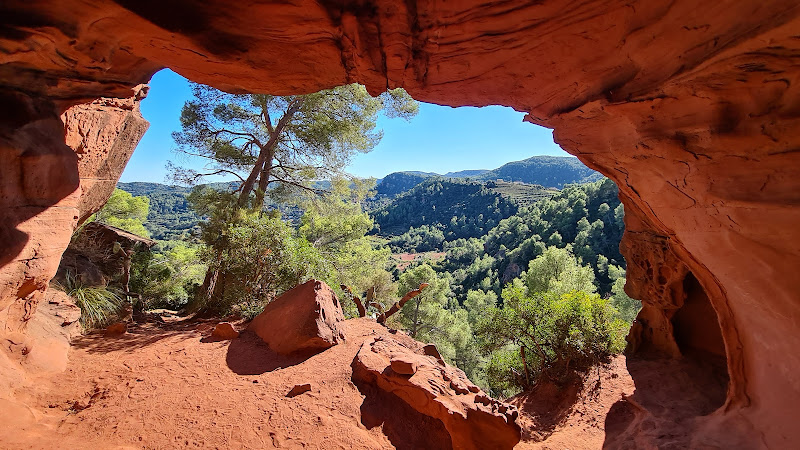
Look, I've explored quite a few caves in my day, but there's something uniquely captivating about the Coves de Can Riera that keeps drawing visitors back. These ancient caves, carved into the Catalan landscape over millennia, offer a fascinating glimpse into both natural and human history. The moment you step inside, you're greeted by that distinct earthy smell and cool air that's characteristic of all great cave systems - but trust me, this one's special. The limestone formations here tell a story that's millions of years in the making. What I particularly love about these caves is how they combine natural wonder with historical significance. Local folklore suggests these caves once served as hideouts during various conflicts, and you can almost feel the weight of those stories in the air as you explore the passageways.Key Features
• Intricate network of natural limestone formations • Multiple chambers with varying ceiling heights • Remarkable stalactites and stalagmites throughout the cave system • Natural light filtering through strategic openings • Several smaller side passages for adventurous explorers • Cool, constant temperature year-round • Interesting rock colorations from mineral deposits • Evidence of historical human activity • Protected bat habitat in certain sections • Natural acoustics in the main chambersBest Time to Visit
From my experience, the ideal time to explore Coves de Can Riera is during spring (March to May) or autumn (September to November). These months offer the most comfortable conditions for cave exploration. Summer can get pretty busy - and while the cave maintains a steady temperature, the hike to reach it can be intense in July and August. Winter visits are possible too, but some paths might be slippery after rainfall. I'd suggest planning your visit for early morning or late afternoon. The lighting conditions during these hours make for some incredible photo opportunities, especially where natural light seeps through the cave openings. Plus, you'll avoid the larger tour groups that typically show up mid-day.How to Get There
Getting to Coves de Can Riera requires a bit of adventure - and that's part of the charm! The caves are accessible via a marked trail from the nearest parking area. You'll need to follow the signposted path, which includes a moderate uphill hike. The trail itself takes about 20 minutes to complete, winding through typical Mediterranean vegetation. If you're driving, follow the main road signs from the nearest town. Public transportation options are limited, so I'd recommend either driving or joining an organized tour. The final approach involves a dirt path, but don't worry - it's well-maintained and manageable for most visitors.Tips for Visiting
Let me share some hard-earned wisdom from my visits to these caves. First off, wear proper footwear - I learned this the hard way when I showed up in sandals my first time! The cave floor can be uneven and sometimes slippery, so sturdy shoes with good grip are essential. Bring a light jacket even in summer - the temperature inside stays pretty constant but can feel chilly compared to the outside. A small flashlight or headlamp comes in handy for exploring the darker corners, though the main pathways are typically well-lit. Try to carry a small water bottle and some snacks, especially if you're planning to explore thoroughly. The complete circuit can take anywhere from 1 to 2 hours, depending on your pace and how much you want to see. Photography is allowed, but you'll want to bring a camera that performs well in low light conditions. And here's a pro tip: if you're into wildlife, bring some binoculars - the entrance area is great for spotting local bird species. For families with kids, I'd recommend visiting during the quieter morning hours. The caves are generally safe for children, but you'll want to keep a close eye on them, especially in the narrower sections. Some parts of the cave system might be challenging for very young children or people with mobility issues. Lastly, remember this is a protected natural site - take only pictures, leave only footprints, as they say. The caves have survived for millions of years, and it's up to us to keep them pristine for future generations to enjoy.Key Features
- Key Features
- Best Time to Visit
- How to Get There
- Tips for Visiting
More Details
Updated June 14, 2025
Table of Contents
Description
Look, I’ve explored quite a few caves in my day, but there’s something uniquely captivating about the Coves de Can Riera that keeps drawing visitors back. These ancient caves, carved into the Catalan landscape over millennia, offer a fascinating glimpse into both natural and human history. The moment you step inside, you’re greeted by that distinct earthy smell and cool air that’s characteristic of all great cave systems – but trust me, this one’s special.
The limestone formations here tell a story that’s millions of years in the making. What I particularly love about these caves is how they combine natural wonder with historical significance. Local folklore suggests these caves once served as hideouts during various conflicts, and you can almost feel the weight of those stories in the air as you explore the passageways.
Key Features
• Intricate network of natural limestone formations
• Multiple chambers with varying ceiling heights
• Remarkable stalactites and stalagmites throughout the cave system
• Natural light filtering through strategic openings
• Several smaller side passages for adventurous explorers
• Cool, constant temperature year-round
• Interesting rock colorations from mineral deposits
• Evidence of historical human activity
• Protected bat habitat in certain sections
• Natural acoustics in the main chambers
Best Time to Visit
From my experience, the ideal time to explore Coves de Can Riera is during spring (March to May) or autumn (September to November). These months offer the most comfortable conditions for cave exploration. Summer can get pretty busy – and while the cave maintains a steady temperature, the hike to reach it can be intense in July and August. Winter visits are possible too, but some paths might be slippery after rainfall.
I’d suggest planning your visit for early morning or late afternoon. The lighting conditions during these hours make for some incredible photo opportunities, especially where natural light seeps through the cave openings. Plus, you’ll avoid the larger tour groups that typically show up mid-day.
How to Get There
Getting to Coves de Can Riera requires a bit of adventure – and that’s part of the charm! The caves are accessible via a marked trail from the nearest parking area. You’ll need to follow the signposted path, which includes a moderate uphill hike. The trail itself takes about 20 minutes to complete, winding through typical Mediterranean vegetation.
If you’re driving, follow the main road signs from the nearest town. Public transportation options are limited, so I’d recommend either driving or joining an organized tour. The final approach involves a dirt path, but don’t worry – it’s well-maintained and manageable for most visitors.
Tips for Visiting
Let me share some hard-earned wisdom from my visits to these caves. First off, wear proper footwear – I learned this the hard way when I showed up in sandals my first time! The cave floor can be uneven and sometimes slippery, so sturdy shoes with good grip are essential.
Bring a light jacket even in summer – the temperature inside stays pretty constant but can feel chilly compared to the outside. A small flashlight or headlamp comes in handy for exploring the darker corners, though the main pathways are typically well-lit.
Try to carry a small water bottle and some snacks, especially if you’re planning to explore thoroughly. The complete circuit can take anywhere from 1 to 2 hours, depending on your pace and how much you want to see.
Photography is allowed, but you’ll want to bring a camera that performs well in low light conditions. And here’s a pro tip: if you’re into wildlife, bring some binoculars – the entrance area is great for spotting local bird species.
For families with kids, I’d recommend visiting during the quieter morning hours. The caves are generally safe for children, but you’ll want to keep a close eye on them, especially in the narrower sections. Some parts of the cave system might be challenging for very young children or people with mobility issues.
Lastly, remember this is a protected natural site – take only pictures, leave only footprints, as they say. The caves have survived for millions of years, and it’s up to us to keep them pristine for future generations to enjoy.
Key Highlights
- Key Features
- Best Time to Visit
- How to Get There
- Tips for Visiting
Location
Places to Stay Near Coves de Can Riera
Find and Book a Tour
Explore More Travel Guides
No reviews found! Be the first to review!
Traveler Reviews for Coves de Can Riera
There are no reviews yet. Be the first one to write one.
Have you visited Coves de Can Riera? Help other travelers by sharing your review.
You Might Also Like
París Park

Llac del parc

Gasogen xemeneia de Can Pasqual
Find Accommodations Nearby
Recommended Tours & Activities
Visitor Reviews
There are no reviews yet. Be the first one to write one.
Share Your Experience
Have you visited Coves de Can Riera? Help other travelers by leaving a review.