
The Diving Museum
About The Diving Museum
Description
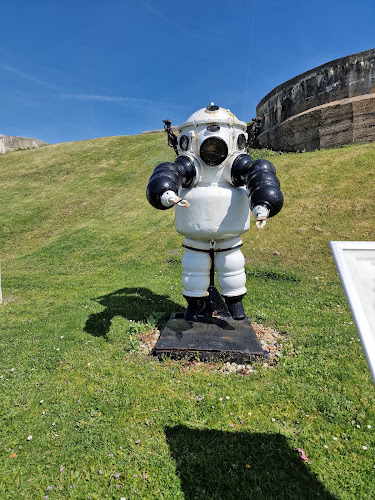
The Diving Museum stands as a remarkable testament to humanity's relationship with underwater exploration. Look, I've been to my fair share of specialty museums, but this one really caught me by surprise. It's one of those hidden gems that showcases the fascinating evolution of diving equipment and techniques through the ages. The museum houses an incredible collection of vintage diving gear - from those old-school copper helmets that look like something out of a Jules Verne novel to modern SCUBA equipment. What really makes this place special is how it tells the story of both military and commercial diving. Y'know, the kind of stuff that helped build underwater infrastructure and saved lives during wartime. The exhibits are maintained by passionate volunteers who seriously know their stuff. And honestly? Their enthusiasm is pretty infectious.Key Features
• Extensive collection of historical diving equipment dating back to the early 20th century • Interactive displays demonstrating the physics of diving and underwater pressure • Detailed exhibits on military diving operations and their significance in warfare • Comprehensive showcase of commercial diving equipment and its evolution • Educational programs and demonstrations for school groups • Fascinating collection of diving photographs and documents • Hands-on experiences with select diving equipment • Memorial section honoring divers who lost their lives in serviceBest Time to Visit
From my experience, weekday mornings are absolutely perfect for visiting the Diving Museum. That's when you'll find the place less crowded and can really take your time exploring each exhibit. The lighting is also better for photography during morning hours, especially for those tricky shots of the gleaming brass and copper diving helmets. And between you and me? If you can make it during spring or fall, you'll have the most comfortable experience. Summer can get pretty warm inside (those old diving suits sure can make you appreciate modern climate control), while winter sometimes sees reduced hours.How to Get There
Getting to the Diving Museum isn't rocket science, but you'll want to plan ahead. The museum is accessible by both public transport and car, though I'd recommend driving if you've got the option. There's usually enough parking available, though it can get a bit tight during special events or peak summer weekends. If you're relying on public transportation, you might need to do a bit of walking from the nearest stop - but hey, it's worth the extra effort. Just make sure to check the current operating hours before heading out, as they can vary by season.Tips for Visiting
Let me share some insider tips that'll help you make the most of your visit. First off, give yourself at least 2-3 hours to properly explore everything - trust me, you'll want the time. The volunteer guides are absolute goldmines of information, so don't be shy about striking up a conversation. I learned more from a 15-minute chat with one of them than I did from reading all the plaques! Bring your camera - there are some seriously cool photo opportunities with the vintage equipment. But keep in mind that flash photography isn't allowed in certain areas to protect the more delicate artifacts. If you're bringing kids (and you should - they'll love it), grab one of the scavenger hunt sheets at the entrance. It's a brilliant way to keep them engaged while learning about diving history. And speaking of kids, the hands-on demonstrations usually happen in the afternoon - definitely worth planning around if you've got little ones in tow. Oh, and here's something most folks don't realize - the gift shop actually has some pretty unique diving-related books and memorabilia that you won't find anywhere else. I picked up a fascinating book about early diving expeditions that's become one of my favorite coffee table reads. Consider checking their calendar for special events - they occasionally host retired divers who share their experiences, and those talks are absolutely worth attending. Just remember that the museum doesn't have a cafe, so either eat before you come or pack some snacks. And one last thing - while the museum is amazing, some areas might be a bit tricky for visitors with mobility issues. It's worth calling ahead if you have specific accessibility needs, just to make sure you can get the most out of your visit.Key Features
- Key Features
- Best Time to Visit
- How to Get There
- Tips for Visiting
More Details
Updated June 22, 2025
Table of Contents
Description
The Diving Museum stands as a remarkable testament to humanity’s relationship with underwater exploration. Look, I’ve been to my fair share of specialty museums, but this one really caught me by surprise. It’s one of those hidden gems that showcases the fascinating evolution of diving equipment and techniques through the ages. The museum houses an incredible collection of vintage diving gear – from those old-school copper helmets that look like something out of a Jules Verne novel to modern SCUBA equipment.
What really makes this place special is how it tells the story of both military and commercial diving. Y’know, the kind of stuff that helped build underwater infrastructure and saved lives during wartime. The exhibits are maintained by passionate volunteers who seriously know their stuff. And honestly? Their enthusiasm is pretty infectious.
Key Features
• Extensive collection of historical diving equipment dating back to the early 20th century
• Interactive displays demonstrating the physics of diving and underwater pressure
• Detailed exhibits on military diving operations and their significance in warfare
• Comprehensive showcase of commercial diving equipment and its evolution
• Educational programs and demonstrations for school groups
• Fascinating collection of diving photographs and documents
• Hands-on experiences with select diving equipment
• Memorial section honoring divers who lost their lives in service
Best Time to Visit
From my experience, weekday mornings are absolutely perfect for visiting the Diving Museum. That’s when you’ll find the place less crowded and can really take your time exploring each exhibit. The lighting is also better for photography during morning hours, especially for those tricky shots of the gleaming brass and copper diving helmets.
And between you and me? If you can make it during spring or fall, you’ll have the most comfortable experience. Summer can get pretty warm inside (those old diving suits sure can make you appreciate modern climate control), while winter sometimes sees reduced hours.
How to Get There
Getting to the Diving Museum isn’t rocket science, but you’ll want to plan ahead. The museum is accessible by both public transport and car, though I’d recommend driving if you’ve got the option. There’s usually enough parking available, though it can get a bit tight during special events or peak summer weekends.
If you’re relying on public transportation, you might need to do a bit of walking from the nearest stop – but hey, it’s worth the extra effort. Just make sure to check the current operating hours before heading out, as they can vary by season.
Tips for Visiting
Let me share some insider tips that’ll help you make the most of your visit. First off, give yourself at least 2-3 hours to properly explore everything – trust me, you’ll want the time. The volunteer guides are absolute goldmines of information, so don’t be shy about striking up a conversation. I learned more from a 15-minute chat with one of them than I did from reading all the plaques!
Bring your camera – there are some seriously cool photo opportunities with the vintage equipment. But keep in mind that flash photography isn’t allowed in certain areas to protect the more delicate artifacts.
If you’re bringing kids (and you should – they’ll love it), grab one of the scavenger hunt sheets at the entrance. It’s a brilliant way to keep them engaged while learning about diving history. And speaking of kids, the hands-on demonstrations usually happen in the afternoon – definitely worth planning around if you’ve got little ones in tow.
Oh, and here’s something most folks don’t realize – the gift shop actually has some pretty unique diving-related books and memorabilia that you won’t find anywhere else. I picked up a fascinating book about early diving expeditions that’s become one of my favorite coffee table reads.
Consider checking their calendar for special events – they occasionally host retired divers who share their experiences, and those talks are absolutely worth attending. Just remember that the museum doesn’t have a cafe, so either eat before you come or pack some snacks.
And one last thing – while the museum is amazing, some areas might be a bit tricky for visitors with mobility issues. It’s worth calling ahead if you have specific accessibility needs, just to make sure you can get the most out of your visit.
Key Highlights
- Key Features
- Best Time to Visit
- How to Get There
- Tips for Visiting
Location
Places to Stay Near The Diving Museum
Find and Book a Tour
Explore More Travel Guides
No reviews found! Be the first to review!
Traveler Reviews for The Diving Museum
There are no reviews yet. Be the first one to write one.
Have you visited The Diving Museum? Help other travelers by sharing your review.
You Might Also Like
Priddy

Gosport Discovery Centre

HMS Alliance
Find Accommodations Nearby
Recommended Tours & Activities
Visitor Reviews
There are no reviews yet. Be the first one to write one.
Share Your Experience
Have you visited The Diving Museum? Help other travelers by leaving a review.