
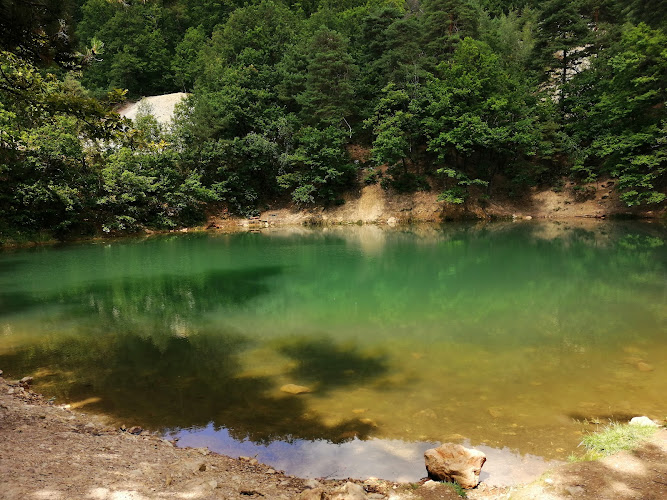
Blue Lake
About Blue Lake
Description
If the thought of stepping into a fairytale spot tucked within a Romanian forest gets your pulse racing (in a good way!), then Blue Lake—locally called Lacul Albastru—is straight out of your wildest hiking dreams. It’s small, secluded, and unpredictable—in all the right ways. This isn’t your average big honkin’ tourist trap with snack stands and neon signs. Nope. Blue Lake keeps it low-key with pure pine-scented air, echoing birdsong, and water that sometimes looks so turquoise you almost won’t believe it’s real. Sometimes, after a rain or during cloudy spells, the lake shifts moods; it’s more mysterious, even charcoal-blue, which just adds to its odd, unforgettable charm.
Truth be told, Blue Lake is a bit of a local legend. It was actually formed in the early 20th century—get this, not by nature alone but as a byproduct of old mining activities in the region. Got to admit, that’s a pretty quirky way for such a stunner to be born. The minerals left behind by mining accidents give the water its signature blue-green hue (blame, or thank, the presence of copper sulfates). You might see the water shimmering with impossible clarity one hour and peering back at you in deep navy greys the next. There are days when ducks glide by, kids giggle on the banks, and old timers swap stories in the shadow of the forest.
Blue Lake isn’t massive, so if you’re looking for a wild swimming adventure or a boat rental, you might want to recalibrate the wanderlust. But what it lacks in size, it delivers tenfold in atmosphere. There’s a certain hush to the place, a low hum of tranquility that appeals to folks who love to just sit, breathe, and listen. I’ve seen friends spend hours on a log there, sketchbook balanced on their knees, barely saying a word. Others (guilty as charged) come for that perfect shot for the ‘gram, and hey, no shame in that. The point is—everyone slows down here. Isn’t that the point of travel in the end?
Of course, not every visitor walks away madly in love. Some find the trek a tad strenuous. Others wish there were more amenities. But if you’re craving the raw, slightly hidden, wild parts of Romania, I reckon Blue Lake should be right at the top of your list. Oh, and if you’re lucky, you might even catch the mist rolling across at dawn. Just saying—it’s magical, and it sticks with you.
Key Features
- Unique Color-Changing Waters: Depending on the weather and mineral content, the lake shimmers in shifting shades of blue, teal, and deep green—unlike any spot I’ve seen in Europe, honestly.
- Quiet Forest Setting: Surrounded by lush woodland, it’s a peaceful escape from city clamor. The fragrant pines, rustling leaves, and occasional wildlife make it a truly immersive nature break.
- Quaint Size: The compactness of the lake means fewer crowds, a gentler ambiance, and more opportunities for peaceful reflection or amateur photography.
- Mining History: The lake’s origins tie back to the area’s mining past, giving it an unexpected layer of local lore. It’s a conversation starter if you bump into fellow travelers, or a curious fact for your travel diary.
- Accessible Hiking Paths: Paths leading here are manageable for moderately active hikers, with signs—but don’t expect touristy polish. Good shoes are a must!
- Perfect for Picnicking: No fancy restaurants nearby, but plenty of grassy knolls and sun-dappled clearings to break out your packed lunch.
- Birdwatching & Photography: If you’re into candid landscapes, mist, or flitting birds (I once spotted a woodpecker!), you’re in for a treat. It’s a photographer’s playground, even for hobbyists.
- Changing Moods: From deeply serene in the early morning to gently buzzing on sunny afternoons, the vibe shifts depending on when you visit—never quite the same twice.
Best Time to Visit
Let me give it to you straight: you probably don’t want to do Blue Lake in the depths of a Romanian winter—unless you’re the rugged, ice-beard sort. The best window in my opinion, is late spring through early autumn. May to September, to be specific. Here’s why:
Spring brings a wild explosion of floral scents and greenery, with birds celebrating the sunshine just as much as you are. The lake starts to take on its brilliant blues as the ice melts, and the forest feels, frankly, alive and infectious. If you ask me, late May and June are sensational—temperatures hover around 20-25°C (that’s 68-77°F for the metrically disinclined), perfect for an active walk without overheating.
Come summer, the place is at its most vibrant—trees in full leaf, sunlight dancing on the ripples, and longer days drawing out the beauty. But fair warning: weekends can see a small uptick in local visitors hoping to escape the heat. In my experience, if tranquility is what you want, shoot for a weekday morning.
Early autumn is, honestly, underrated. The leaves paint the forest in golds, coppers, and russet reds, with the lake reflecting every shade. It’s less crowded, the air is crisp, and the weather tends to be settled. Plus, the light is somehow softer, making those "camera moments" even more magical.
I’ll skip winter unless you’re an adventure junkie or just want solitude with a side of shivering. Snow and ice change the lake’s whole mood—mystical, yes, but probably impractical for most. Rainy days? Try another day—the blue tones dull down, and the trails get muddy. No one wants to spend an afternoon drying soggy socks by the radiator.
How to Get There
Getting to Blue Lake isn’t exactly a red-carpet affair, but that’s what makes the arrival rewarding. If you have wheels, driving in from nearby towns is by far the simplest route. You’ll probably wind through twisting forest roads and charming villages—watch for those hay carts and free-ranging chickens. Part of the adventure, right?
For those without a rental car, local buses run from a few nearby towns, dropping you off within walking distance of the trailhead. I’d suggest checking the current schedules—buses aren’t exactly clockwork punctual here, which can add an hour or two to your travel if you miss one.
The final stretch is on foot. The path isn’t technical but can be muddy and uneven. I remember one visit after a summer storm, and let me tell you—slippery roots and wet rocks became an unscheduled core workout. Decent walking shoes or boots are essential, and a reusable water bottle never hurts.
For cyclists, the forest roads are do-able, but expect a few steep patches and the occasional goat or stray dog. It’s doable, but maybe not the first choice for novice riders.
Pro tip from the trenches: if you’re relying on GPS, double check your route before you go. Signal can get patchy in the forest and you don’t want to miss the trailhead after an hour’s drive. Worst case? Make friends with a local—they’re usually happy to point you in the right direction or even share a tip or two. Plus, you might score a story about the lake’s quirkier days.
Tips for Visiting
- Pack Smart: There are no vendors at the lake or on the trails. Bring your own water, snacks, maybe even a flask of coffee. There’s nothing quite like a hot sip with forest views, trust me.
- Leave No Trace: Don’t leave litter behind; the site is pristine because folks respect it. A small bag for your rubbish goes a long way.
- Wear Sensible Footwear: The trails can be slippery after rain and roots have a habit of jumping out at your toes when you’re distracted by the view. Flip-flops = rookie mistake.
- Weather Watch: Check the local forecast before heading out, especially in spring and autumn. Pack a lightweight rain jacket just in case—it can get nippy and wet fast.
- Respect the Tranquility: Speak softly, and don’t bring blaring speakers or noisy gadgets. The best feature here is the natural soundtrack.
- Bring a Camera, But Also Soak It In: Sure, snap every angle—but don’t forget to put the phone down and let your mind wander. Sometimes the best memories aren’t digital.
- Arrive Early (Or Late): To beat any crowds, plan an early morning or late afternoon visit. Less foot traffic, gentler light, more magic.
- Plan for Limited Amenities: No
Key Features
- Key Features
- Best Time to Visit
- How to Get There
- Tips for Visiting
More Details
Updated June 22, 2025
Table of Contents
Description
If the thought of stepping into a fairytale spot tucked within a Romanian forest gets your pulse racing (in a good way!), then Blue Lake—locally called Lacul Albastru—is straight out of your wildest hiking dreams. It’s small, secluded, and unpredictable—in all the right ways. This isn’t your average big honkin’ tourist trap with snack stands and neon signs. Nope. Blue Lake keeps it low-key with pure pine-scented air, echoing birdsong, and water that sometimes looks so turquoise you almost won’t believe it’s real. Sometimes, after a rain or during cloudy spells, the lake shifts moods; it’s more mysterious, even charcoal-blue, which just adds to its odd, unforgettable charm.
Truth be told, Blue Lake is a bit of a local legend. It was actually formed in the early 20th century—get this, not by nature alone but as a byproduct of old mining activities in the region. Got to admit, that’s a pretty quirky way for such a stunner to be born. The minerals left behind by mining accidents give the water its signature blue-green hue (blame, or thank, the presence of copper sulfates). You might see the water shimmering with impossible clarity one hour and peering back at you in deep navy greys the next. There are days when ducks glide by, kids giggle on the banks, and old timers swap stories in the shadow of the forest.
Blue Lake isn’t massive, so if you’re looking for a wild swimming adventure or a boat rental, you might want to recalibrate the wanderlust. But what it lacks in size, it delivers tenfold in atmosphere. There’s a certain hush to the place, a low hum of tranquility that appeals to folks who love to just sit, breathe, and listen. I’ve seen friends spend hours on a log there, sketchbook balanced on their knees, barely saying a word. Others (guilty as charged) come for that perfect shot for the ‘gram, and hey, no shame in that. The point is—everyone slows down here. Isn’t that the point of travel in the end?
Of course, not every visitor walks away madly in love. Some find the trek a tad strenuous. Others wish there were more amenities. But if you’re craving the raw, slightly hidden, wild parts of Romania, I reckon Blue Lake should be right at the top of your list. Oh, and if you’re lucky, you might even catch the mist rolling across at dawn. Just saying—it’s magical, and it sticks with you.
Key Features
- Unique Color-Changing Waters: Depending on the weather and mineral content, the lake shimmers in shifting shades of blue, teal, and deep green—unlike any spot I’ve seen in Europe, honestly.
- Quiet Forest Setting: Surrounded by lush woodland, it’s a peaceful escape from city clamor. The fragrant pines, rustling leaves, and occasional wildlife make it a truly immersive nature break.
- Quaint Size: The compactness of the lake means fewer crowds, a gentler ambiance, and more opportunities for peaceful reflection or amateur photography.
- Mining History: The lake’s origins tie back to the area’s mining past, giving it an unexpected layer of local lore. It’s a conversation starter if you bump into fellow travelers, or a curious fact for your travel diary.
- Accessible Hiking Paths: Paths leading here are manageable for moderately active hikers, with signs—but don’t expect touristy polish. Good shoes are a must!
- Perfect for Picnicking: No fancy restaurants nearby, but plenty of grassy knolls and sun-dappled clearings to break out your packed lunch.
- Birdwatching & Photography: If you’re into candid landscapes, mist, or flitting birds (I once spotted a woodpecker!), you’re in for a treat. It’s a photographer’s playground, even for hobbyists.
- Changing Moods: From deeply serene in the early morning to gently buzzing on sunny afternoons, the vibe shifts depending on when you visit—never quite the same twice.
Best Time to Visit
Let me give it to you straight: you probably don’t want to do Blue Lake in the depths of a Romanian winter—unless you’re the rugged, ice-beard sort. The best window in my opinion, is late spring through early autumn. May to September, to be specific. Here’s why:
Spring brings a wild explosion of floral scents and greenery, with birds celebrating the sunshine just as much as you are. The lake starts to take on its brilliant blues as the ice melts, and the forest feels, frankly, alive and infectious. If you ask me, late May and June are sensational—temperatures hover around 20-25°C (that’s 68-77°F for the metrically disinclined), perfect for an active walk without overheating.
Come summer, the place is at its most vibrant—trees in full leaf, sunlight dancing on the ripples, and longer days drawing out the beauty. But fair warning: weekends can see a small uptick in local visitors hoping to escape the heat. In my experience, if tranquility is what you want, shoot for a weekday morning.
Early autumn is, honestly, underrated. The leaves paint the forest in golds, coppers, and russet reds, with the lake reflecting every shade. It’s less crowded, the air is crisp, and the weather tends to be settled. Plus, the light is somehow softer, making those “camera moments” even more magical.
I’ll skip winter unless you’re an adventure junkie or just want solitude with a side of shivering. Snow and ice change the lake’s whole mood—mystical, yes, but probably impractical for most. Rainy days? Try another day—the blue tones dull down, and the trails get muddy. No one wants to spend an afternoon drying soggy socks by the radiator.
How to Get There
Getting to Blue Lake isn’t exactly a red-carpet affair, but that’s what makes the arrival rewarding. If you have wheels, driving in from nearby towns is by far the simplest route. You’ll probably wind through twisting forest roads and charming villages—watch for those hay carts and free-ranging chickens. Part of the adventure, right?
For those without a rental car, local buses run from a few nearby towns, dropping you off within walking distance of the trailhead. I’d suggest checking the current schedules—buses aren’t exactly clockwork punctual here, which can add an hour or two to your travel if you miss one.
The final stretch is on foot. The path isn’t technical but can be muddy and uneven. I remember one visit after a summer storm, and let me tell you—slippery roots and wet rocks became an unscheduled core workout. Decent walking shoes or boots are essential, and a reusable water bottle never hurts.
For cyclists, the forest roads are do-able, but expect a few steep patches and the occasional goat or stray dog. It’s doable, but maybe not the first choice for novice riders.
Pro tip from the trenches: if you’re relying on GPS, double check your route before you go. Signal can get patchy in the forest and you don’t want to miss the trailhead after an hour’s drive. Worst case? Make friends with a local—they’re usually happy to point you in the right direction or even share a tip or two. Plus, you might score a story about the lake’s quirkier days.
Tips for Visiting
- Pack Smart: There are no vendors at the lake or on the trails. Bring your own water, snacks, maybe even a flask of coffee. There’s nothing quite like a hot sip with forest views, trust me.
- Leave No Trace: Don’t leave litter behind; the site is pristine because folks respect it. A small bag for your rubbish goes a long way.
- Wear Sensible Footwear: The trails can be slippery after rain and roots have a habit of jumping out at your toes when you’re distracted by the view. Flip-flops = rookie mistake.
- Weather Watch: Check the local forecast before heading out, especially in spring and autumn. Pack a lightweight rain jacket just in case—it can get nippy and wet fast.
- Respect the Tranquility: Speak softly, and don’t bring blaring speakers or noisy gadgets. The best feature here is the natural soundtrack.
- Bring a Camera, But Also Soak It In: Sure, snap every angle—but don’t forget to put the phone down and let your mind wander. Sometimes the best memories aren’t digital.
- Arrive Early (Or Late): To beat any crowds, plan an early morning or late afternoon visit. Less foot traffic, gentler light, more magic.
- Plan for Limited Amenities: No
Key Highlights
- Key Features
- Best Time to Visit
- How to Get There
- Tips for Visiting
Location
Places to Stay Near Blue Lake
Find and Book a Tour
Explore More Travel Guides
No reviews found! Be the first to review!
Traveler Reviews for Blue Lake
There are no reviews yet. Be the first one to write one.
Have you visited Blue Lake? Help other travelers by sharing your review.
You Might Also Like
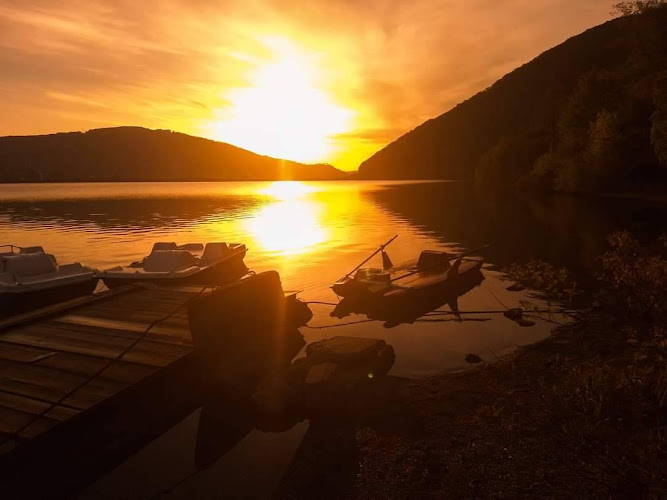
La Caiace
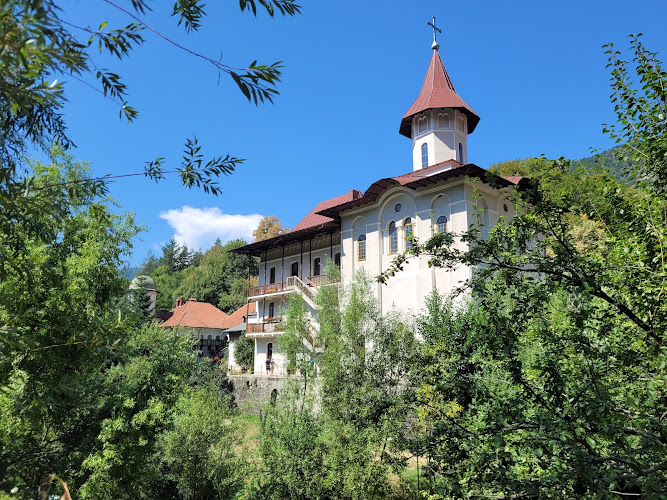
Turnu Monastery
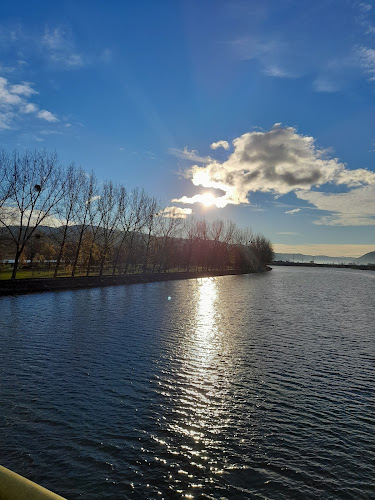
La olt
Find Accommodations Nearby
Recommended Tours & Activities
Visitor Reviews
There are no reviews yet. Be the first one to write one.
Share Your Experience
Have you visited Blue Lake? Help other travelers by leaving a review.