
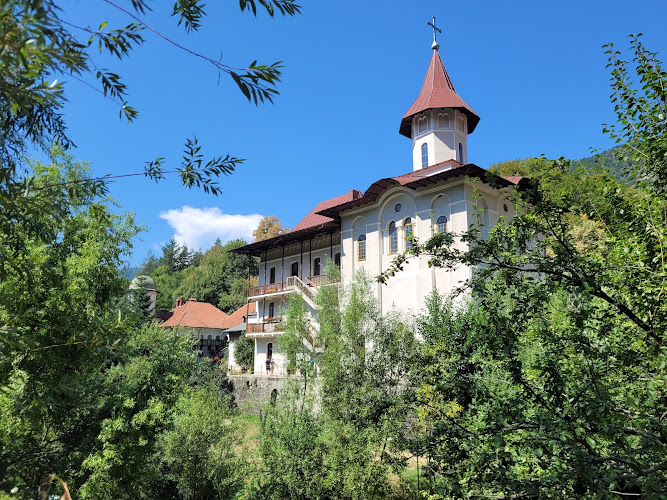
Turnu Monastery
About Turnu Monastery
Description
Picture yourself stepping into a slice of Romanian history that's been watching over the Olt River since the 14th century. The Turnu Monastery isn't just another religious site - it's a spectacular fusion of medieval architecture and natural wonder, built right into the rocky cliffs that tower above the valley. I remember my first visit here - the way the sunlight played off the whitewashed walls left me absolutely speechless. What makes this place truly special is how the monks of centuries past incorporated the natural cave formations into the monastery's structure. The caves aren't just for show - they were actually used as chapels and living quarters, creating this amazing blend of human ingenuity and nature's architecture. And let me tell you, standing in those cave chambers, you can almost hear the echoes of centuries of prayers and meditation.Key Features
• Ancient cave network integrated into the monastery complex • Original 14th-century frescoes preserved in the main church • Traditional Romanian Orthodox architecture with distinctive regional elements • Panoramic views over the Olt River Valley • Working monastery with active community of monks • Historical library containing rare religious manuscripts • Underground chapels carved into the limestone • Peaceful meditation gardens and courtyard • Ancient water well system still in use today • Museum showcasing religious artifacts and local historyBest Time to Visit
From my experience exploring Romanian monasteries, early autumn (September to mid-October) offers the most magical experience at Turnu Monastery. The crowds thin out, and the surrounding forest puts on a spectacular show of colors. The weather's typically mild - perfect for exploring both the outdoor spaces and cave chambers. Summer can get pretty toasty, especially in July and August, though the cave sections provide a natural cooling effect. Spring brings beautiful wildflowers to the monastery gardens, but watch out for occasional rain showers. Winter visits have their own charm - the snow-covered monastery against the stark cliffs creates incredible photo opportunities, but some paths might be slippery.How to Get There
The monastery sits perched above the Olt River Valley, and getting there is part of the adventure. If you're driving (which I'd recommend), you'll follow a winding road that climbs up through the forest. The route is well-maintained and marked with signs, though some sections can be narrow. Public transportation is available from nearby towns, but service can be irregular. Your best bet is to catch a local bus to the village at the base of the monastery hill, then either walk up (about 20 minutes) or arrange a taxi for the final stretch. Trust me, the climb is worth it - the views get better with every step.Tips for Visiting
Having visited multiple times throughout the years, I've picked up some insider knowledge that'll help make your visit smoother. First off, wear comfortable shoes with good grip - you'll be doing plenty of walking on various surfaces, from stone steps to cave floors. Bring a light jacket even in summer - those cave chambers can be chilly! Remember this is an active monastery, so dress modestly. Ladies should bring a head covering for the church areas (though they usually have scarves available to borrow). The best time for photos is early morning or late afternoon when the light hits the white walls just right. Oh, and don't miss the small pathway behind the main church - it leads to a viewpoint that most tourists never find. The monks are incredibly knowledgeable about the monastery's history, and some speak English. If you're lucky, you might catch one giving an impromptu tour. I'd suggest bringing a small donation for the monastery's upkeep - it helps support their preservation efforts. Pack some water and snacks as the on-site facilities are limited. And here's a pro tip: visit on a weekday morning if possible. That's when you'll find the most peaceful atmosphere, perfect for soaking in the spiritual ambiance that makes Turnu Monastery such a special place. Remember to give yourself at least 2-3 hours to explore properly. There's so much to discover in every corner, from the intricate carvings in the church to the hidden symbols in the cave chapels. And don't rush through the gardens - sometimes the resident cats will join you for a peaceful moment of contemplation.Key Features
- Key Features
- Best Time to Visit
- How to Get There
- Tips for Visiting
More Details
Updated June 12, 2025
Table of Contents
Description
Picture yourself stepping into a slice of Romanian history that’s been watching over the Olt River since the 14th century. The Turnu Monastery isn’t just another religious site – it’s a spectacular fusion of medieval architecture and natural wonder, built right into the rocky cliffs that tower above the valley. I remember my first visit here – the way the sunlight played off the whitewashed walls left me absolutely speechless.
What makes this place truly special is how the monks of centuries past incorporated the natural cave formations into the monastery’s structure. The caves aren’t just for show – they were actually used as chapels and living quarters, creating this amazing blend of human ingenuity and nature’s architecture. And let me tell you, standing in those cave chambers, you can almost hear the echoes of centuries of prayers and meditation.
Key Features
• Ancient cave network integrated into the monastery complex
• Original 14th-century frescoes preserved in the main church
• Traditional Romanian Orthodox architecture with distinctive regional elements
• Panoramic views over the Olt River Valley
• Working monastery with active community of monks
• Historical library containing rare religious manuscripts
• Underground chapels carved into the limestone
• Peaceful meditation gardens and courtyard
• Ancient water well system still in use today
• Museum showcasing religious artifacts and local history
Best Time to Visit
From my experience exploring Romanian monasteries, early autumn (September to mid-October) offers the most magical experience at Turnu Monastery. The crowds thin out, and the surrounding forest puts on a spectacular show of colors. The weather’s typically mild – perfect for exploring both the outdoor spaces and cave chambers.
Summer can get pretty toasty, especially in July and August, though the cave sections provide a natural cooling effect. Spring brings beautiful wildflowers to the monastery gardens, but watch out for occasional rain showers. Winter visits have their own charm – the snow-covered monastery against the stark cliffs creates incredible photo opportunities, but some paths might be slippery.
How to Get There
The monastery sits perched above the Olt River Valley, and getting there is part of the adventure. If you’re driving (which I’d recommend), you’ll follow a winding road that climbs up through the forest. The route is well-maintained and marked with signs, though some sections can be narrow.
Public transportation is available from nearby towns, but service can be irregular. Your best bet is to catch a local bus to the village at the base of the monastery hill, then either walk up (about 20 minutes) or arrange a taxi for the final stretch. Trust me, the climb is worth it – the views get better with every step.
Tips for Visiting
Having visited multiple times throughout the years, I’ve picked up some insider knowledge that’ll help make your visit smoother. First off, wear comfortable shoes with good grip – you’ll be doing plenty of walking on various surfaces, from stone steps to cave floors. Bring a light jacket even in summer – those cave chambers can be chilly!
Remember this is an active monastery, so dress modestly. Ladies should bring a head covering for the church areas (though they usually have scarves available to borrow). The best time for photos is early morning or late afternoon when the light hits the white walls just right. Oh, and don’t miss the small pathway behind the main church – it leads to a viewpoint that most tourists never find.
The monks are incredibly knowledgeable about the monastery’s history, and some speak English. If you’re lucky, you might catch one giving an impromptu tour. I’d suggest bringing a small donation for the monastery’s upkeep – it helps support their preservation efforts.
Pack some water and snacks as the on-site facilities are limited. And here’s a pro tip: visit on a weekday morning if possible. That’s when you’ll find the most peaceful atmosphere, perfect for soaking in the spiritual ambiance that makes Turnu Monastery such a special place.
Remember to give yourself at least 2-3 hours to explore properly. There’s so much to discover in every corner, from the intricate carvings in the church to the hidden symbols in the cave chapels. And don’t rush through the gardens – sometimes the resident cats will join you for a peaceful moment of contemplation.
Key Highlights
- Key Features
- Best Time to Visit
- How to Get There
- Tips for Visiting
Location
Places to Stay Near Turnu Monastery
Find and Book a Tour
Explore More Travel Guides
No reviews found! Be the first to review!
Traveler Reviews for Turnu Monastery
There are no reviews yet. Be the first one to write one.
Have you visited Turnu Monastery? Help other travelers by sharing your review.
You Might Also Like
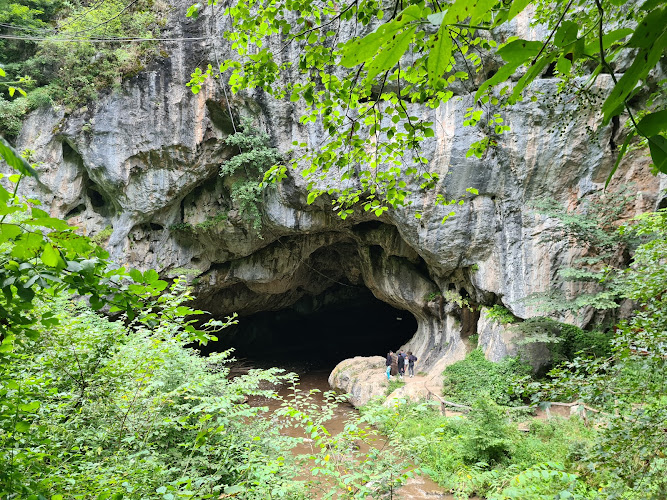
Bolii Cave
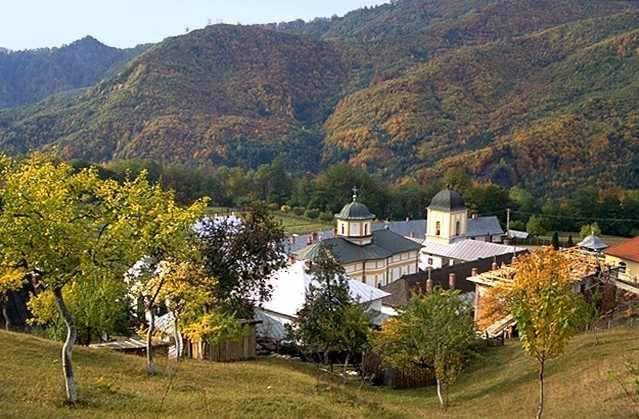
Frăsinei Monastery
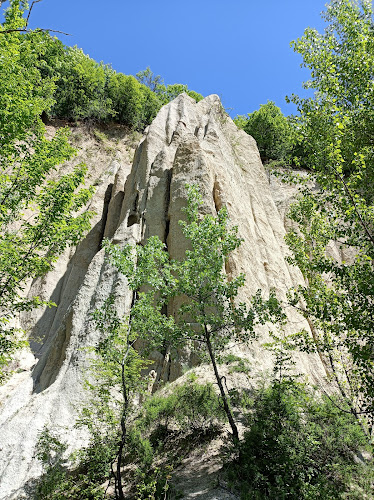
Piramidele din Valea Stăncioiului
Find Accommodations Nearby
Recommended Tours & Activities
Visitor Reviews
There are no reviews yet. Be the first one to write one.
Share Your Experience
Have you visited Turnu Monastery? Help other travelers by leaving a review.