
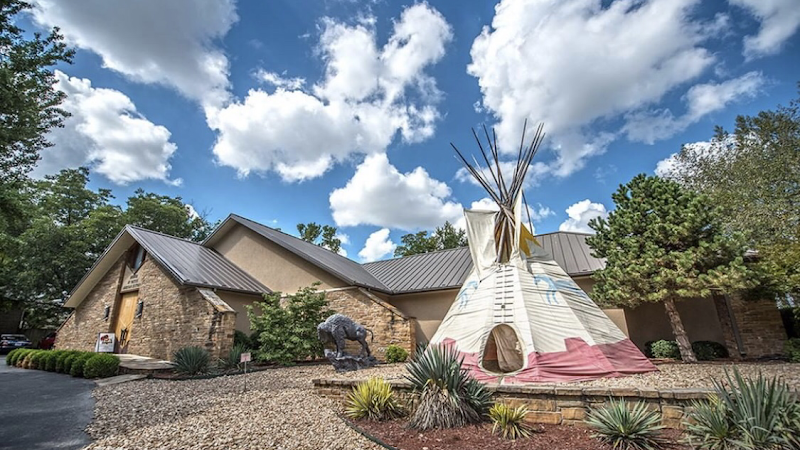
Museum of Native American History
About Museum of Native American History
Description
Alright, so picture this: you’re wandering around Bentonville, Arkansas, and you stumble upon a building shaped like a giant arrowhead. Quirky, right? Inside, you step out of the modern world and straight into a space echoing with the stories of centuries past. That’s the Museum of Native American History—a hidden gem for culture lovers, curious travelers, or honestly, anyone who’s even half-interested in real history. I’ll admit, I wasn’t sure what to expect when I first visited, but by the time I left, my view of the region (and, honestly, of this whole country) felt a little wider.
Instead of just a dry list of facts (you can tell I’m not here for boring museum talk), the experience is intimate and living. The museum traces Native American history from the ancient Paleo period to the 1800s—a journey told through pottery you can practically imagine being used for gathering wild berries, bold beadwork, hand-carved tools, and even some surprising interactive displays. Seriously, if you think you know what an arrowhead looks like, prepare to be proven wildly wrong!
But what hit me hardest was the way the exhibits capture more than just objects—they’re stories passed down by tribes from all across North America, showing staggering ingenuity and art long before anyone thought about European boots on this soil. The museum’s team clearly cares, too; staff are genuinely eager to share insights, and you don’t get that “rushed tour group” feeling. Whether you’re solo, rolling with your family, or corralling a bundle of excitable schoolkids, it’s easy to get absorbed.
I’ve been to a handful of “history museums” that just felt detached, but this place? The atmosphere is friendly and inviting. The one knock, maybe, is that a few displays could use freshening up technology-wise (if you’ve been spoiled by big-city tech wonders), but you’ll be too interested in the expertly curated artifacts and personal stories to really mind. Plus, if you’re into souvenirs, the gift shop is well-stocked with Native American art and crafts you won’t find at your regular chain stores.
Key Features
- One-of-a-kind arrowhead-shaped exterior—easy to spot and makes for a cool photo-op
- More than 10,000 authentic artifacts, covering everything from prehistoric tools to intricate contemporary beadwork
- Chronological gallery layout, so you literally walk through history—from Ice Age mastodon hunters to 19th-century leaders
- Interactive audio tours: learn little-known facts at your own pace (and yes, kids love hitting those audio buttons!)
- Accessible design, including wheelchair accessibility, assisted listening devices, and accessible restrooms
- Onsite cafe serving up light bites and drinks—great for refueling between exhibits
- Guided tours available for deeper dives into the artifacts’ backstories and broader Native cultures
- Engaging temporary exhibitions and events throughout the year, often with tribal guest speakers or artists
- Kid-friendly vibe: activity stations, hands-on learning, and scavenger hunts
- Gift shop stocked with hand-made crafts, jewelry, books, and educational materials
- Zero entrance fee—a rare but welcome treat if you’re exploring on a budget
Best Time to Visit
So, if you ask me, there’s not really a bad month to visit, but I’d heartily recommend planning your trip during the shoulder season—think early spring or late fall. Here’s why: Bentonville’s summer can get sticky, and this region’s festival calendar is pretty lively. Early March and September tend to be quieter; perfect if you relish a little more space to wander and actually soak in the exhibits without ducking around every class field trip.
But hey, if you’re a people-watcher like I am, try during events like Native American Heritage Month (that’s November). They host special workshops and traditional music, so the atmosphere turns festive and rich with storytelling. Sure, it might be a bit more crowded, but those deeper live experiences make it all worth the bustle.
Weekends get busier (as you’d guess), but weekdays after lunch—say, around 2 pm—are often blissfully calm. I’ve even found myself lingering in front of ancient artifacts with only the soft hum of climate-control for company. There’s something peaceful about that, I have to admit. If you’ve got kids, any time is good; school breaks are popular though, so pack your patience or aim for early mornings!
How to Get There
Getting to the Museum of Native American History is straightforward, and—dare I say—pleasantly easy, even for directionally challenged travelers like me. If you’re flying in, the closest airport is Northwest Arkansas National Airport, about a 30-minute drive. Rental cars and ride-shares are both plentiful in the area.
Driving? Parking’s a breeze (and free)—no hunting for distant lots or feeding endless meters. That’s a massive plus in my book. If you’re exploring on foot or bike, the Razorback Regional Greenway Trail zigzags nearby, bringing a little fresh air adventure to your day. Bentonville’s local transit—the ORT bus system—isn’t the flashiest, but it’ll get you within walking distance if you’d rather skip driving.
Insider tip: if you’ve scheduled a tour or are coming with a group, let the staff know ahead, and they’ll often reserve accessible parking up front and help with logistics—super helpful if you have mobility needs or a gaggle of energetic kids in tow.
Tips for Visiting
I’ve picked up a few handy pointers that’ll make your visit even smoother—and maybe a little more magical:
- Plan for at least two hours if you love to linger or read every plaque. I always do, and you’ll be glad you didn’t rush.
- Grab an audio tour headset; the commentary is lively and gives you context you might miss just reading the walls. It’s like having a super passionate historian in your ear.
- Come hungry (or at least thirsty); the onsite cafe is surprisingly good and perfect for a snack break. Try some local drip coffee—it'll wake you up if you’re in that midday trip haze!
- Be photo-savvy. Snap all the pics you want in most galleries, but leave the flash off—some artifacts are pretty delicate, and staff are rightfully protective.
- Chat with the staff. Seriously, the guides and workers here are goldmines of information. Ask them for stories about their favorite pieces—they’re usually more than willing to share cool tidbits you won’t find in the official tour.
- Bring the kids. There’s enough here to keep them interested, trust me; plus, the scavenger hunts are legitimate fun and keep little hands busy.
- Check for special exhibits and workshops ahead of your visit—sometimes you can catch pottery demos or live storytelling sessions, which are honestly my favorite part.
- Be mindful of accessibility needs. Wheelchair users and those with limited mobility will find the route easy to manage; same goes if you need assisted listening devices—just ask at the front desk, no fuss at all.
- Save time for the gift shop. It isn’t just tourist knick-knacks; you’ll find handmade jewelry and artwork crafted by descendants of the very cultures celebrated here. If you’re the type to buy gifts for everyone (guilty), block out an extra 15 minutes.
- Donate if you can. Admission is free, but these kinds of places rely on support. Pop a few bucks in the donation box—it really does make a difference.
In the end, the Museum of Native American History is more than just glass cases and artifacts—it’s a place that quietly, but powerfully, reminds you how rich the American story really is, long before it became America at all. Give yourself the gift of a thoughtful pause in your travels here. And who knows—you just might leave with a new favorite story of your own to share.
Key Features
- One-of-a-kind arrowhead-shaped exterior—easy to spot and makes for a cool photo-op
- More than 10,000 authentic artifacts, covering everything from prehistoric tools to intricate contemporary beadwork
- Chronological gallery layout, so you literally walk through history—from Ice Age mastodon hunters to 19th-century leaders
- Interactive audio tours: learn little-known facts at your own pace (and yes, kids love hitting those audio buttons!)
- Accessible design, including wheelchair accessibility, assisted listening devices, and accessible restrooms
- Onsite cafe serving up light bites and drinks—great for refueling between exhibits
- Guided tours available for deeper dives into the artifacts’ backstories and broader Native cultures
- Engaging temporary exhibitions and events throughout the year, often with tribal guest speakers or artists
More Details
Updated June 22, 2025
Table of Contents
Description
Alright, so picture this: you’re wandering around Bentonville, Arkansas, and you stumble upon a building shaped like a giant arrowhead. Quirky, right? Inside, you step out of the modern world and straight into a space echoing with the stories of centuries past. That’s the Museum of Native American History—a hidden gem for culture lovers, curious travelers, or honestly, anyone who’s even half-interested in real history. I’ll admit, I wasn’t sure what to expect when I first visited, but by the time I left, my view of the region (and, honestly, of this whole country) felt a little wider.
Instead of just a dry list of facts (you can tell I’m not here for boring museum talk), the experience is intimate and living. The museum traces Native American history from the ancient Paleo period to the 1800s—a journey told through pottery you can practically imagine being used for gathering wild berries, bold beadwork, hand-carved tools, and even some surprising interactive displays. Seriously, if you think you know what an arrowhead looks like, prepare to be proven wildly wrong!
But what hit me hardest was the way the exhibits capture more than just objects—they’re stories passed down by tribes from all across North America, showing staggering ingenuity and art long before anyone thought about European boots on this soil. The museum’s team clearly cares, too; staff are genuinely eager to share insights, and you don’t get that “rushed tour group” feeling. Whether you’re solo, rolling with your family, or corralling a bundle of excitable schoolkids, it’s easy to get absorbed.
I’ve been to a handful of “history museums” that just felt detached, but this place? The atmosphere is friendly and inviting. The one knock, maybe, is that a few displays could use freshening up technology-wise (if you’ve been spoiled by big-city tech wonders), but you’ll be too interested in the expertly curated artifacts and personal stories to really mind. Plus, if you’re into souvenirs, the gift shop is well-stocked with Native American art and crafts you won’t find at your regular chain stores.
Key Features
- One-of-a-kind arrowhead-shaped exterior—easy to spot and makes for a cool photo-op
- More than 10,000 authentic artifacts, covering everything from prehistoric tools to intricate contemporary beadwork
- Chronological gallery layout, so you literally walk through history—from Ice Age mastodon hunters to 19th-century leaders
- Interactive audio tours: learn little-known facts at your own pace (and yes, kids love hitting those audio buttons!)
- Accessible design, including wheelchair accessibility, assisted listening devices, and accessible restrooms
- Onsite cafe serving up light bites and drinks—great for refueling between exhibits
- Guided tours available for deeper dives into the artifacts’ backstories and broader Native cultures
- Engaging temporary exhibitions and events throughout the year, often with tribal guest speakers or artists
- Kid-friendly vibe: activity stations, hands-on learning, and scavenger hunts
- Gift shop stocked with hand-made crafts, jewelry, books, and educational materials
- Zero entrance fee—a rare but welcome treat if you’re exploring on a budget
Best Time to Visit
So, if you ask me, there’s not really a bad month to visit, but I’d heartily recommend planning your trip during the shoulder season—think early spring or late fall. Here’s why: Bentonville’s summer can get sticky, and this region’s festival calendar is pretty lively. Early March and September tend to be quieter; perfect if you relish a little more space to wander and actually soak in the exhibits without ducking around every class field trip.
But hey, if you’re a people-watcher like I am, try during events like Native American Heritage Month (that’s November). They host special workshops and traditional music, so the atmosphere turns festive and rich with storytelling. Sure, it might be a bit more crowded, but those deeper live experiences make it all worth the bustle.
Weekends get busier (as you’d guess), but weekdays after lunch—say, around 2 pm—are often blissfully calm. I’ve even found myself lingering in front of ancient artifacts with only the soft hum of climate-control for company. There’s something peaceful about that, I have to admit. If you’ve got kids, any time is good; school breaks are popular though, so pack your patience or aim for early mornings!
How to Get There
Getting to the Museum of Native American History is straightforward, and—dare I say—pleasantly easy, even for directionally challenged travelers like me. If you’re flying in, the closest airport is Northwest Arkansas National Airport, about a 30-minute drive. Rental cars and ride-shares are both plentiful in the area.
Driving? Parking’s a breeze (and free)—no hunting for distant lots or feeding endless meters. That’s a massive plus in my book. If you’re exploring on foot or bike, the Razorback Regional Greenway Trail zigzags nearby, bringing a little fresh air adventure to your day. Bentonville’s local transit—the ORT bus system—isn’t the flashiest, but it’ll get you within walking distance if you’d rather skip driving.
Insider tip: if you’ve scheduled a tour or are coming with a group, let the staff know ahead, and they’ll often reserve accessible parking up front and help with logistics—super helpful if you have mobility needs or a gaggle of energetic kids in tow.
Tips for Visiting
I’ve picked up a few handy pointers that’ll make your visit even smoother—and maybe a little more magical:
- Plan for at least two hours if you love to linger or read every plaque. I always do, and you’ll be glad you didn’t rush.
- Grab an audio tour headset; the commentary is lively and gives you context you might miss just reading the walls. It’s like having a super passionate historian in your ear.
- Come hungry (or at least thirsty); the onsite cafe is surprisingly good and perfect for a snack break. Try some local drip coffee—it’ll wake you up if you’re in that midday trip haze!
- Be photo-savvy. Snap all the pics you want in most galleries, but leave the flash off—some artifacts are pretty delicate, and staff are rightfully protective.
- Chat with the staff. Seriously, the guides and workers here are goldmines of information. Ask them for stories about their favorite pieces—they’re usually more than willing to share cool tidbits you won’t find in the official tour.
- Bring the kids. There’s enough here to keep them interested, trust me; plus, the scavenger hunts are legitimate fun and keep little hands busy.
- Check for special exhibits and workshops ahead of your visit—sometimes you can catch pottery demos or live storytelling sessions, which are honestly my favorite part.
- Be mindful of accessibility needs. Wheelchair users and those with limited mobility will find the route easy to manage; same goes if you need assisted listening devices—just ask at the front desk, no fuss at all.
- Save time for the gift shop. It isn’t just tourist knick-knacks; you’ll find handmade jewelry and artwork crafted by descendants of the very cultures celebrated here. If you’re the type to buy gifts for everyone (guilty), block out an extra 15 minutes.
- Donate if you can. Admission is free, but these kinds of places rely on support. Pop a few bucks in the donation box—it really does make a difference.
In the end, the Museum of Native American History is more than just glass cases and artifacts—it’s a place that quietly, but powerfully, reminds you how rich the American story really is, long before it became America at all. Give yourself the gift of a thoughtful pause in your travels here. And who knows—you just might leave with a new favorite story of your own to share.
Key Highlights
- One-of-a-kind arrowhead-shaped exterior—easy to spot and makes for a cool photo-op
- More than 10,000 authentic artifacts, covering everything from prehistoric tools to intricate contemporary beadwork
- Chronological gallery layout, so you literally walk through history—from Ice Age mastodon hunters to 19th-century leaders
- Interactive audio tours: learn little-known facts at your own pace (and yes, kids love hitting those audio buttons!)
- Accessible design, including wheelchair accessibility, assisted listening devices, and accessible restrooms
- Onsite cafe serving up light bites and drinks—great for refueling between exhibits
- Guided tours available for deeper dives into the artifacts’ backstories and broader Native cultures
- Engaging temporary exhibitions and events throughout the year, often with tribal guest speakers or artists
Location
Places to Stay Near Museum of Native American History
Find and Book a Tour
Explore More Travel Guides
No reviews found! Be the first to review!
Traveler Reviews for Museum of Native American History
There are no reviews yet. Be the first one to write one.
Have you visited Museum of Native American History? Help other travelers by sharing your review.
You Might Also Like
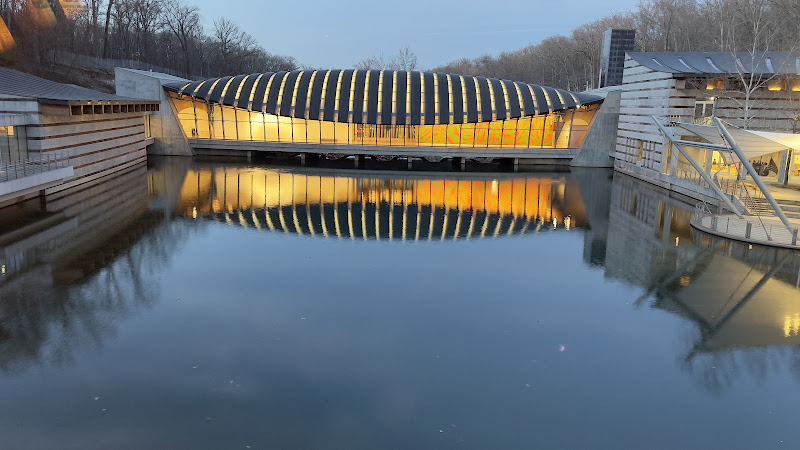
Crystal Bridges Museum of American Art

Bella Vista Lake Park
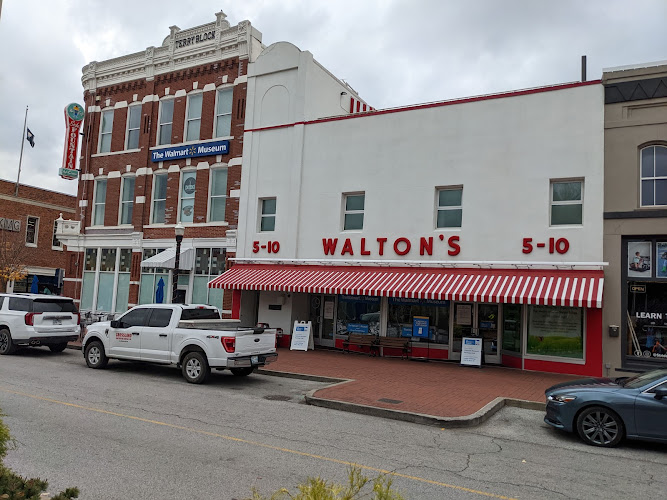
The Walmart Museum
Find Accommodations Nearby
Recommended Tours & Activities
Visitor Reviews
There are no reviews yet. Be the first one to write one.
Share Your Experience
Have you visited Museum of Native American History? Help other travelers by leaving a review.