
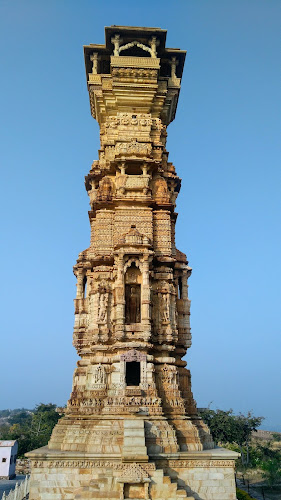
Kirti Stambh
About Kirti Stambh
Description
Kirti Stambh in Chittorgarh, Rajasthan, India, is one of those monuments that effortlessly draws travelers in, not only for its towering presence but also for the silence it commands within the historic Chittorgarh Fort complex. This seven-storied tower, standing about 22 meters high, feels like an echo from the past—a 12th-century whisper of devotion and exquisite artistry. Built by a Jain merchant named Jeeja Bhagerwala during the reign of Rawal Kumar Singh, it was dedicated to Lord Adinath, the first Tirthankara of Jainism. Even if you’re not deeply into architecture or religion, you can’t help but feel something spellbinding about this place once you’re there.
What’s remarkable about this tower is not just its height but the soul of its design. Crafted in the Solanki style of architecture, every inch appears to be alive with detail—intricate carvings, delicate figures of Jain deities, and beautifully sculpted human and celestial forms. As one walks around the monument, the carvings seem to unravel a story of time that can’t be found in books. It’s one of those monumental experiences where history feels tangible under your fingertips. There’s a faint scent of old stone mixed with the earthy breeze of the fort, and it lingers—it makes you pause a bit longer than planned.
Many visitors, myself included, have found Kirti Stambh a little underrated compared to its grand neighbor, the Vijay Stambha (Tower of Victory). But there’s something quietly profound about it—less triumphant, more reflective. While Vijay Stambha celebrates conquests, Kirti Stambh glorifies faith, humility, and the Jain philosophy of non-violence. That contrast makes a visit here even more meaningful, especially if you look at both towers in the same day.
The stairway inside, narrow and slightly uneven (be prepared to twist and duck at times!), leads up through seven levels of stonework where tiny windows allow slivers of light to spill into the interior. Climbing up can be a bit of a squeeze but the view from the top—over the sprawling fort walls and the quiet town below—is absolutely worth that effort. It’s like standing where time stands still, watching centuries of Rajasthan’s history spread out before you.
Kids often find the structure fascinating, perhaps because of its storybook feel—an ancient tower straight from folklore. It’s generally good for families, though keeping a close watch on younger ones while exploring the inner steps is advisable. The tower might not shout its glory like some monuments do, but its serenity makes it stand apart. Each carving, each tableau, is a frozen moment of devotion immortalized in stone. For travelers intrigued by ancient architecture or Jain history, Kirti Stambh Chittorgarh India is a must-visit for its authenticity and artistic integrity.
Key Features
- Historical Significance: Constructed in the 12th century by Jain merchant Jeeja Bhagerwala under the reign of Rawal Kumar Singh, Kirti Stambh pays homage to Lord Adinath, the first Tirthankara of Jainism.
- Seven-Storied Structure: Standing 22 meters high with a base about 30 feet wide, the tower exudes a sense of grace and stability that has endured for nearly a millennium.
- Intricate Carvings: Adorned with carvings and sculptures depicting Jain deities, female figures, celestial beings, and mythological scenes, the stonework showcases the peak of Solanki-style artistic achievement.
- Architectural Brilliance: Built using fine yellow limestone, it represents the Solanki style of architecture, known for rhythmic geometry and spiritual symbolism.
- Inside Passage and View: The narrow staircase leading to the top offers a panoramic view of the ancient fort, capturing the vastness of Chittorgarh and its layered history.
- Location Advantage: Situated within the UNESCO World Heritage Site of Chittorgarh Fort, it stands near other major historical landmarks such as Vijay Stambha, Rani Padmini Palace, and Rana Kumbha Palace.
- Spiritual Symbolism: Beyond its architectural beauty, it serves as a spiritual beacon glorifying Jainism’s philosophy of peace and enlightenment.
Best Time to Visit
It’s no secret that Rajasthan’s climate can be a little intense. So, if you’re planning to visit Kirti Stambh, the best time is undoubtedly between October and March. The winter months give you that perfect clear sky and mild warmth ideal for slow, lingering exploration without that mid-April sun trying to melt your enthusiasm.
I once made the mistake of visiting in May—it felt like walking through an oven. The stones radiate heat, and even the shadows seem to sizzle. During the pleasant months, though, you can comfortably spend hours exploring not just the tower but also the majestic fort complex around it. Morning and late afternoon light offer photographers that gorgeous golden tone which brings out every curve and carving with uncanny clarity. If you’re lucky, you might even catch a light mist around the fort early in the morning—it makes those early climbs up the narrow steps inside the tower almost poetic.
How to Get There
Getting to Kirti Stambh is quite straightforward once you’re in Rajasthan. The tower is located inside the Chittorgarh Fort complex in the Chittorgarh district. The city is well-connected by road and rail. If you’re flying in, the nearest major airport is in Udaipur—roughly 100 kilometers away—and from there, it’s a scenic drive of about two hours through rustic Rajasthani landscapes dotted with small villages and mustard fields in season. That stretch always steals my heart; it’s as if you’re watching a living tapestry unfold outside your window.
From the Chittorgarh town center, you can easily hire a taxi, auto-rickshaw, or even hop on a local bus to reach the fort entrance. The fort complex is extensive, so prepare to walk a fair distance once inside. Some prefer guided tours or hiring local guides at the gate—they often bring legends alive with anecdotes about the rulers of Mewar and the architectural marvels within the fort walls. Walking through those gates feels like stepping back in time, and honestly, if history ever had a heartbeat, you’d hear it here.
Tips for Visiting
Visiting Kirti Stambh isn’t a complicated affair, but a little planning can turn a simple stop into an experience you’ll treasure. Here are a few practical things I’ve picked up over the years—and a few emotional ones too.
- Footwear matters: Wear comfortable, breathable shoes. The climb up the narrow stairs is steep, and old stones can be slippery.
- Keep hydrated: Carry water—it’s Rajasthan after all. Sun hats and sunscreen come in handy, especially when touring multiple areas of the fort.
- Early is rewarding: Try reaching early morning or just before sunset. The crowds are thinner, the lighting softer, and the atmosphere quietly magical.
- Respect the monument: Kirti Stambh is not just a tourist spot—it’s a place of worship and heritage. Avoid loud voices and refrain from touching the carvings.
- Local guides: Hiring a local guide can add immense value to your visit. Many have grown up around the fort and tell stories that blend fact with folklore in the most charming way.
- Combine visits: Pair your Kirti Stambh stop with nearby attractions inside the fort like Vijay Stambha, Rana Kumbha’s Palace, and Kalika Mata Temple. Taken together, you’ll get a fuller sense of Chittorgarh’s glory and resilience.
- Be mindful of children: It’s good for kids but the inner staircases are narrow—hold hands, avoid rushing, and if your child gets nervous about heights or enclosed spaces, stay on the lower levels.
- Personal touches count: Sometimes, simply sitting near the base in silence while the wind brushes past the carvings can be the most memorable part of your journey. It’s not all about photographs; it’s about feeling the history breathe around you.
Kirti Stambh stands quietly yet proudly within the Chittorgarh Fort, reminding travelers that power and peace coexisted once upon a time in Rajasthan’s golden sands. For history lovers, architecture enthusiasts, and anyone who thrives on travel stories stitched with culture and faith, this seven-storied marvel offers both visual splendor and soulful calm. It’s one of those places that leaves its mark not on a photograph, but on your memory—and that’s the kind of experience travelers keep chasing, right?
Key Features
- Key Features
- Best Time to Visit
- How to Get There
- Tips for Visiting
More Details
Updated October 20, 2025
Table of Contents Kirti Stambh in Chittorgarh, Rajasthan, India, is one of those monuments that effortlessly draws travelers in, not only for its towering presence but also for the silence it commands within the historic Chittorgarh Fort complex. This seven-storied tower, standing about 22 meters high, feels like an echo from the past—a 12th-century whisper of devotion and exquisite artistry. Built by a Jain merchant named Jeeja Bhagerwala during the reign of Rawal Kumar Singh, it was dedicated to Lord Adinath, the first Tirthankara of Jainism. Even if you’re not deeply into architecture or religion, you can’t help but feel something spellbinding about this place once you’re there. What’s remarkable about this tower is not just its height but the soul of its design. Crafted in the Solanki style of architecture, every inch appears to be alive with detail—intricate carvings, delicate figures of Jain deities, and beautifully sculpted human and celestial forms. As one walks around the monument, the carvings seem to unravel a story of time that can’t be found in books. It’s one of those monumental experiences where history feels tangible under your fingertips. There’s a faint scent of old stone mixed with the earthy breeze of the fort, and it lingers—it makes you pause a bit longer than planned. Many visitors, myself included, have found Kirti Stambh a little underrated compared to its grand neighbor, the Vijay Stambha (Tower of Victory). But there’s something quietly profound about it—less triumphant, more reflective. While Vijay Stambha celebrates conquests, Kirti Stambh glorifies faith, humility, and the Jain philosophy of non-violence. That contrast makes a visit here even more meaningful, especially if you look at both towers in the same day. The stairway inside, narrow and slightly uneven (be prepared to twist and duck at times!), leads up through seven levels of stonework where tiny windows allow slivers of light to spill into the interior. Climbing up can be a bit of a squeeze but the view from the top—over the sprawling fort walls and the quiet town below—is absolutely worth that effort. It’s like standing where time stands still, watching centuries of Rajasthan’s history spread out before you. Kids often find the structure fascinating, perhaps because of its storybook feel—an ancient tower straight from folklore. It’s generally good for families, though keeping a close watch on younger ones while exploring the inner steps is advisable. The tower might not shout its glory like some monuments do, but its serenity makes it stand apart. Each carving, each tableau, is a frozen moment of devotion immortalized in stone. For travelers intrigued by ancient architecture or Jain history, Kirti Stambh Chittorgarh India is a must-visit for its authenticity and artistic integrity. It’s no secret that Rajasthan’s climate can be a little intense. So, if you’re planning to visit Kirti Stambh, the best time is undoubtedly between October and March. The winter months give you that perfect clear sky and mild warmth ideal for slow, lingering exploration without that mid-April sun trying to melt your enthusiasm. I once made the mistake of visiting in May—it felt like walking through an oven. The stones radiate heat, and even the shadows seem to sizzle. During the pleasant months, though, you can comfortably spend hours exploring not just the tower but also the majestic fort complex around it. Morning and late afternoon light offer photographers that gorgeous golden tone which brings out every curve and carving with uncanny clarity. If you’re lucky, you might even catch a light mist around the fort early in the morning—it makes those early climbs up the narrow steps inside the tower almost poetic. Getting to Kirti Stambh is quite straightforward once you’re in Rajasthan. The tower is located inside the Chittorgarh Fort complex in the Chittorgarh district. The city is well-connected by road and rail. If you’re flying in, the nearest major airport is in Udaipur—roughly 100 kilometers away—and from there, it’s a scenic drive of about two hours through rustic Rajasthani landscapes dotted with small villages and mustard fields in season. That stretch always steals my heart; it’s as if you’re watching a living tapestry unfold outside your window. From the Chittorgarh town center, you can easily hire a taxi, auto-rickshaw, or even hop on a local bus to reach the fort entrance. The fort complex is extensive, so prepare to walk a fair distance once inside. Some prefer guided tours or hiring local guides at the gate—they often bring legends alive with anecdotes about the rulers of Mewar and the architectural marvels within the fort walls. Walking through those gates feels like stepping back in time, and honestly, if history ever had a heartbeat, you’d hear it here. Visiting Kirti Stambh isn’t a complicated affair, but a little planning can turn a simple stop into an experience you’ll treasure. Here are a few practical things I’ve picked up over the years—and a few emotional ones too. Kirti Stambh stands quietly yet proudly within the Chittorgarh Fort, reminding travelers that power and peace coexisted once upon a time in Rajasthan’s golden sands. For history lovers, architecture enthusiasts, and anyone who thrives on travel stories stitched with culture and faith, this seven-storied marvel offers both visual splendor and soulful calm. It’s one of those places that leaves its mark not on a photograph, but on your memory—and that’s the kind of experience travelers keep chasing, right?Description
Key Features
Best Time to Visit
How to Get There
Tips for Visiting
Key Highlights
- Key Features
- Best Time to Visit
- How to Get There
- Tips for Visiting
Location
Places to Stay Near Kirti Stambh
Find and Book a Tour
Explore More Travel Guides
No reviews found! Be the first to review!
Traveler Reviews for Kirti Stambh
There are no reviews yet. Be the first one to write one.
Have you visited Kirti Stambh? Help other travelers by sharing your review.
You Might Also Like
kailash nagar park
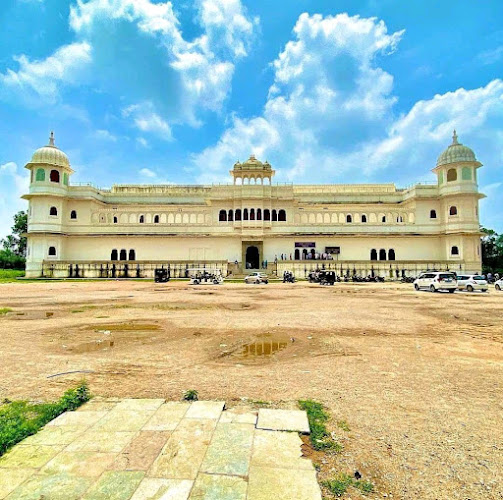
Fateh Prakash Palace

Bhusan Park
Find Accommodations Nearby
Recommended Tours & Activities
Visitor Reviews
There are no reviews yet. Be the first one to write one.
Share Your Experience
Have you visited Kirti Stambh? Help other travelers by leaving a review.