Tranvia Dolores Hidalgo
About Tranvia Dolores Hidalgo
Description
Tranvia Dolores Hidalgo brings an entirely new way to dig deep into the soul of one of Mexico’s true historic gems. If you’re the sort who loves to unravel the big, bold stories that shaped a place—or if you want to avoid dusty, self-guided treks from museum to museum—this tourist tram is your golden ticket. Forget endlessly squinting at Google Maps while the city’s Independence-era streets twist around you. Onboard the Tranvia, all the drama, vibrant characters, and sharply contrasting perspectives of Dolores Hidalgo’s past unfold as you ride, window down, breeze in your face, under that searing Guanajuato sun.
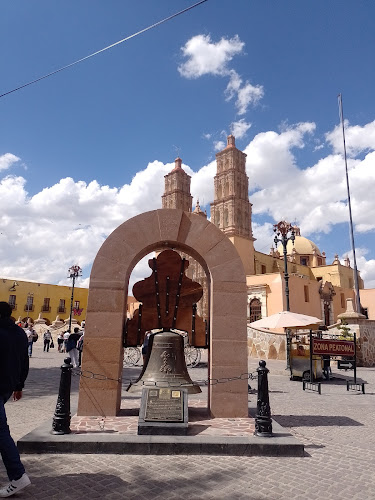
The experience blends folklore with real-deal history in a way you simply can’t pull from a guidebook. Guides are usually local folks, brimming with energy and the kind of irreverence that makes even your history-skeptic uncle clap along. They tell tales of Miguel Hidalgo y Costilla ringing that famous church bell and launching the Grito de Independencia, dropping in stories about José Alfredo Jiménez, and looping through everything from rebellion to poetry. It’s part history lesson, part stand-up set, part rolling street festival—a far cry from sterile museum audio tours.
The Tranvia weaves throughout the city, hitting must-sees like the Parroquia de Nuestra Señora de los Dolores (where Mexico's independence was actually declared), stopping at humble plazas, passing color-flecked ceramic workshops, and dipping through local haunts you’d never find on your own. And hey, if you’ve got kids in tow, the relaxed pace and the lively storytelling keep them glued—at least, way more than your average city walk. I once watched a kid—maybe 7—get so into the zany guide that he started shouting answers to quiz questions about the pueblo’s history. Not quite a quiet ride, but totally memorable.
While the tour is generally excellent at giving a big-picture view of Dolores Hidalgo, it’s not without imperfections. The volume on the tram speaker system sometimes has a mind of its own, and occasionally there are hitches waiting for a scheduled ride or buying last-minute tickets. But overall? Most travelers find the witty commentary, real sense of place, and unbeatable photo opportunities worth these very minor stumbles. Especially if, like me, you want the “aha!” moments of understanding a city without working up a sweat or missing a street corner—Tranvia Dolores Hidalgo does the trick.
Key Features
- Historic immersion: Onboard storytelling dives into local lore, colonial drama, the Grito, and tales of Miguel Hidalgo seamlessly blended with legends you won’t find anywhere else.
- Guided by locals: The guides—often proud and cheeky locals—deliver stories full of detail, laughs, and unexpected spoilers about Dolores Hidalgo’s part in the birth of modern Mexico.
- Family friendly: With a comfortable ride, clear windows, and lively narration, kids and history novices stay engaged (no small feat—it’s basically an interactive classroom on wheels).
- Stops at major sites: The tram covers all the bases—Parroquia Señora de Dolores, Jardín Independencia, Museo Independencia, and those mosaic-bright pottery shops the city is known for.
- Panoramic city views: Since you’re comfortably seated, snapping photos of the colonial architecture or those scenes of daily life is dead easy. A huge plus for camera buffs.
- Tickets often sell out: Tours are popular, especially during holiday periods like September’s Independence Day fiestas—planning ahead gets you a spot without stress.
- Insightful for first-timers and repeat visitors: Whether this is your first trip to the cuna de la independencia or you’re back for a deeper dive, there’s always a new detail to catch on board.
- Effortless way to orient yourself in town: For the “let’s just see the highlights” traveler, the Tranvia gives a lay of the land in one fun sweep, making later wandering more rewarding.
- Spanish-language tours: Most narration is in Spanish, but guides are good about slowing down and throwing in English here and there if they spot international visitors.
- Budget-friendly outing: Compared to hiring a private guide or rebounding on foot between attractions, the Tranvia is an accessible, cost-effective choice.
Best Time to Visit
Pinpointing the perfect moment for your Tranvia Dolores Hidalgo ride kind of depends on your own stamina for crowds, sun, and pageantry. September is the blockbuster month—specifically around the 15th and 16th—when the city’s streets pulse with energy for the Grito de Independencia commemorations. The bells of Parroquia Señora de Dolores resound, the plazas overflow with events, and riding the tram then feels like sitting in the front row of history in motion.
But here’s the rub: September is wild. Streets get packed, tickets do sell out fast, and you may spend more time watching festival chaos than tranquil plazas. If you’re game for it, the spectacle is unforgettable (and a high-five to you). If not? I actually prefer late October or early November—pleasant weather, fewer crowds, and town is dressed up for Day of the Dead with altars everywhere, adding a different layer of magic to the ride.
Late winter and early spring (February–April) are also excellent. The Guanajuato sky is crisp and blue, and tour times are reliably on schedule. Avoid midday unless you love a furnace-level sun on your face! Early morning or late afternoon rides are cooler, and that soft colonial-warm light makes everything pop for photos.
How to Get There
Getting to the Tranvia Dolores Hidalgo is a breeze, though I’d bet a few pesos you’ll have a more interesting trip if you come by bus from Guanajuato City or San Miguel de Allende. Buses run frequently and land you right in Dolores Hidalgo’s centro, usually near the main plaza. You’ll see signs and, no joke, probably hear the Tranvia tour guides gathering their groups—you really can’t miss those red or green trams parked out front.
If you’re coming in by private car, parking can be hit or miss close to the core, especially during weekends and holidays. My advice? Park a bit further and enjoy the 10-minute stroll through the cobblestone streets. It’s worth it just for the people-watching. Several taxi drivers also offer fixed rates from San Miguel de Allende, Queretaro, or Guanajuato City; it’s handy if you’re traveling in a group or carrying lots of luggage.
Once you’re in the historic zone, look for the tram departures near the Parroquia del pueblo—usually indicated with colorful signage and a cluster of cheerful, waving guides. Tickets are sold on-site, but for peace of mind (again, especially September or weekends), pre-booking through a hotel or an authorized seller is your insurance against missing out. Last thing anyone wants is to get all the way to the cuna de la independencia and then watch the tram roll out without you!
Tips for Visiting
- Book your spot ahead of time. Nothing sours that first excitement faster than finding out all the rides are sold out. If you’re planning a visit—especially close to a public holiday—lock in your tram seats online or through your hotel concierge.
- Bring a hat and sunscreen. That Guanajuato sunlight isn’t messing around. Most of the ride has shade, but some open areas can get pretty warm. I once forgot my cap and, oof, spent the rest of the day as red as a Dolores Hidalgo ceramic vase.
- Have cash for tickets and snacks. Not all ticket sellers accept cards, and you’ll definitely want some pesos handy for those famous nieves (frozen treats) or a pottery souvenir at one of the artisan stops.
- Listen closely to your guide. The magic is in the details and jokes. Even if your Spanish isn’t perfect, you’ll catch the energy—and don’t be shy to ask for clarification. Most guides love answering questions.
- Bring your camera or phone (charged!). The cityscape, the church facades, and artisan workshops provide endless photo ops. A tip: sit towards the back for better panoramic views and action shots during stops.
- Tour length varies. Most rides last between 45 minutes to about 1.5 hours, depending on traffic and group size. Check schedule boards ahead of time—don’t book dinner or museum visits too soon after.
- Best seats go first. Try to arrive 10–15 minutes before departure. If you want window seats or a shady spot, early birds get the worm, so to speak.
- Traveling with kids? Bring a light snack and water; while the guides keep them entertained, not every tram is stocked with refreshments. And don’t worry, the ride pace is gentle enough for most ages.
- Combine the Tranvia with a walking tour. After orienting yourself, use what you’ve learned—names of streets, stories of heroes—to walk the city at your own pace and revisit the spots that stirred your curiosity most.
- Keep an open mind and a light schedule. The best moments on the Tranvia often happen in-between major stops—unexpected street music, a spontaneous performance, or that extra candy from the local abuelita. Dolores Hidalgo breathes slow, and so should you.
In the end, Tranvia Dolores Hidalgo is for anyone eager to connect not just with the dates and monuments, but with the “living” Pueblo Mágico culture of Guanajuato. It’s a moving snapshot of Mexico’s independence and modern spirit—one you’ll step off from smirking, probably humming a José Alfredo Jiménez song, and itching to wander more.
Key Features
- Guided, narrated tram tour highlighting historical sites
- Stops near Parroquia de Dolores and Casa de las Visitas
- Accessible, relaxed transportation through town center
- Local anecdotes about independence-era history and José Alfredo Jiménez
- Good orientation for further walking and artisan shopping
More Details
Updated July 12, 2025
Table of Contents
Description
Tranvia Dolores Hidalgo brings an entirely new way to dig deep into the soul of one of Mexico’s true historic gems. If you’re the sort who loves to unravel the big, bold stories that shaped a place—or if you want to avoid dusty, self-guided treks from museum to museum—this tourist tram is your golden ticket. Forget endlessly squinting at Google Maps while the city’s Independence-era streets twist around you. Onboard the Tranvia, all the drama, vibrant characters, and sharply contrasting perspectives of Dolores Hidalgo’s past unfold as you ride, window down, breeze in your face, under that searing Guanajuato sun.
The experience blends folklore with real-deal history in a way you simply can’t pull from a guidebook. Guides are usually local folks, brimming with energy and the kind of irreverence that makes even your history-skeptic uncle clap along. They tell tales of Miguel Hidalgo y Costilla ringing that famous church bell and launching the Grito de Independencia, dropping in stories about José Alfredo Jiménez, and looping through everything from rebellion to poetry. It’s part history lesson, part stand-up set, part rolling street festival—a far cry from sterile museum audio tours.
The Tranvia weaves throughout the city, hitting must-sees like the Parroquia de Nuestra Señora de los Dolores (where Mexico’s independence was actually declared), stopping at humble plazas, passing color-flecked ceramic workshops, and dipping through local haunts you’d never find on your own. And hey, if you’ve got kids in tow, the relaxed pace and the lively storytelling keep them glued—at least, way more than your average city walk. I once watched a kid—maybe 7—get so into the zany guide that he started shouting answers to quiz questions about the pueblo’s history. Not quite a quiet ride, but totally memorable.
While the tour is generally excellent at giving a big-picture view of Dolores Hidalgo, it’s not without imperfections. The volume on the tram speaker system sometimes has a mind of its own, and occasionally there are hitches waiting for a scheduled ride or buying last-minute tickets. But overall? Most travelers find the witty commentary, real sense of place, and unbeatable photo opportunities worth these very minor stumbles. Especially if, like me, you want the “aha!” moments of understanding a city without working up a sweat or missing a street corner—Tranvia Dolores Hidalgo does the trick.
Key Features
- Historic immersion: Onboard storytelling dives into local lore, colonial drama, the Grito, and tales of Miguel Hidalgo seamlessly blended with legends you won’t find anywhere else.
- Guided by locals: The guides—often proud and cheeky locals—deliver stories full of detail, laughs, and unexpected spoilers about Dolores Hidalgo’s part in the birth of modern Mexico.
- Family friendly: With a comfortable ride, clear windows, and lively narration, kids and history novices stay engaged (no small feat—it’s basically an interactive classroom on wheels).
- Stops at major sites: The tram covers all the bases—Parroquia Señora de Dolores, Jardín Independencia, Museo Independencia, and those mosaic-bright pottery shops the city is known for.
- Panoramic city views: Since you’re comfortably seated, snapping photos of the colonial architecture or those scenes of daily life is dead easy. A huge plus for camera buffs.
- Tickets often sell out: Tours are popular, especially during holiday periods like September’s Independence Day fiestas—planning ahead gets you a spot without stress.
- Insightful for first-timers and repeat visitors: Whether this is your first trip to the cuna de la independencia or you’re back for a deeper dive, there’s always a new detail to catch on board.
- Effortless way to orient yourself in town: For the “let’s just see the highlights” traveler, the Tranvia gives a lay of the land in one fun sweep, making later wandering more rewarding.
- Spanish-language tours: Most narration is in Spanish, but guides are good about slowing down and throwing in English here and there if they spot international visitors.
- Budget-friendly outing: Compared to hiring a private guide or rebounding on foot between attractions, the Tranvia is an accessible, cost-effective choice.
Best Time to Visit
Pinpointing the perfect moment for your Tranvia Dolores Hidalgo ride kind of depends on your own stamina for crowds, sun, and pageantry. September is the blockbuster month—specifically around the 15th and 16th—when the city’s streets pulse with energy for the Grito de Independencia commemorations. The bells of Parroquia Señora de Dolores resound, the plazas overflow with events, and riding the tram then feels like sitting in the front row of history in motion.
But here’s the rub: September is wild. Streets get packed, tickets do sell out fast, and you may spend more time watching festival chaos than tranquil plazas. If you’re game for it, the spectacle is unforgettable (and a high-five to you). If not? I actually prefer late October or early November—pleasant weather, fewer crowds, and town is dressed up for Day of the Dead with altars everywhere, adding a different layer of magic to the ride.
Late winter and early spring (February–April) are also excellent. The Guanajuato sky is crisp and blue, and tour times are reliably on schedule. Avoid midday unless you love a furnace-level sun on your face! Early morning or late afternoon rides are cooler, and that soft colonial-warm light makes everything pop for photos.
How to Get There
Getting to the Tranvia Dolores Hidalgo is a breeze, though I’d bet a few pesos you’ll have a more interesting trip if you come by bus from Guanajuato City or San Miguel de Allende. Buses run frequently and land you right in Dolores Hidalgo’s centro, usually near the main plaza. You’ll see signs and, no joke, probably hear the Tranvia tour guides gathering their groups—you really can’t miss those red or green trams parked out front.
If you’re coming in by private car, parking can be hit or miss close to the core, especially during weekends and holidays. My advice? Park a bit further and enjoy the 10-minute stroll through the cobblestone streets. It’s worth it just for the people-watching. Several taxi drivers also offer fixed rates from San Miguel de Allende, Queretaro, or Guanajuato City; it’s handy if you’re traveling in a group or carrying lots of luggage.
Once you’re in the historic zone, look for the tram departures near the Parroquia del pueblo—usually indicated with colorful signage and a cluster of cheerful, waving guides. Tickets are sold on-site, but for peace of mind (again, especially September or weekends), pre-booking through a hotel or an authorized seller is your insurance against missing out. Last thing anyone wants is to get all the way to the cuna de la independencia and then watch the tram roll out without you!
Tips for Visiting
- Book your spot ahead of time. Nothing sours that first excitement faster than finding out all the rides are sold out. If you’re planning a visit—especially close to a public holiday—lock in your tram seats online or through your hotel concierge.
- Bring a hat and sunscreen. That Guanajuato sunlight isn’t messing around. Most of the ride has shade, but some open areas can get pretty warm. I once forgot my cap and, oof, spent the rest of the day as red as a Dolores Hidalgo ceramic vase.
- Have cash for tickets and snacks. Not all ticket sellers accept cards, and you’ll definitely want some pesos handy for those famous nieves (frozen treats) or a pottery souvenir at one of the artisan stops.
- Listen closely to your guide. The magic is in the details and jokes. Even if your Spanish isn’t perfect, you’ll catch the energy—and don’t be shy to ask for clarification. Most guides love answering questions.
- Bring your camera or phone (charged!). The cityscape, the church facades, and artisan workshops provide endless photo ops. A tip: sit towards the back for better panoramic views and action shots during stops.
- Tour length varies. Most rides last between 45 minutes to about 1.5 hours, depending on traffic and group size. Check schedule boards ahead of time—don’t book dinner or museum visits too soon after.
- Best seats go first. Try to arrive 10–15 minutes before departure. If you want window seats or a shady spot, early birds get the worm, so to speak.
- Traveling with kids? Bring a light snack and water; while the guides keep them entertained, not every tram is stocked with refreshments. And don’t worry, the ride pace is gentle enough for most ages.
- Combine the Tranvia with a walking tour. After orienting yourself, use what you’ve learned—names of streets, stories of heroes—to walk the city at your own pace and revisit the spots that stirred your curiosity most.
- Keep an open mind and a light schedule. The best moments on the Tranvia often happen in-between major stops—unexpected street music, a spontaneous performance, or that extra candy from the local abuelita. Dolores Hidalgo breathes slow, and so should you.
In the end, Tranvia Dolores Hidalgo is for anyone eager to connect not just with the dates and monuments, but with the “living” Pueblo Mágico culture of Guanajuato. It’s a moving snapshot of Mexico’s independence and modern spirit—one you’ll step off from smirking, probably humming a José Alfredo Jiménez song, and itching to wander more.

Key Highlights
- Guided, narrated tram tour highlighting historical sites
- Stops near Parroquia de Dolores and Casa de las Visitas
- Accessible, relaxed transportation through town center
- Local anecdotes about independence-era history and José Alfredo Jiménez
- Good orientation for further walking and artisan shopping
Location
Places to Stay Near Tranvia Dolores Hidalgo
Find and Book a Tour
Explore More Travel Guides
No reviews found! Be the first to review!
Traveler Reviews for Tranvia Dolores Hidalgo
There are no reviews yet. Be the first one to write one.
Have you visited Tranvia Dolores Hidalgo? Help other travelers by sharing your review.
Nearby Attractions
Find Accommodations Nearby
Recommended Tours & Activities
Visitor Reviews
There are no reviews yet. Be the first one to write one.
Share Your Experience
Have you visited Tranvia Dolores Hidalgo? Help other travelers by leaving a review.