
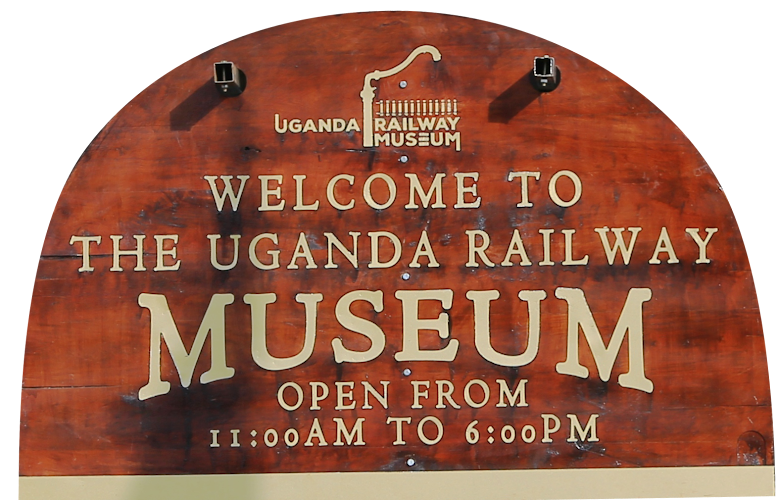
Uganda Railway Museum
About Uganda Railway Museum
Description
If you ever find yourself yearning for a slice of real Ugandan history, the Uganda Railway Museum in Jinja is where memories steam ahead and time slows down—at least for an afternoon! It’s a rare spot that lets you step right into the remarkable saga of railways in East Africa. The museum’s heartbeat is the original Jinja railway station—a place that’s seen more history than just about any selfie stick at the Nile. This isn’t some stuffy hall of silent artifacts; it’s vibrant, alive with the echoes of steam whistles, the clatter of old ticket punches, and the stories of men and women who tied together two worlds: the port of Mombasa and the heart of Uganda.
Born out of a partnership between the Cross-Cultural Foundation of Uganda (CCFU), the Uganda Railways Corporation, and the European Union’s support, the museum pulls no punches when it comes to authenticity. Its open doors (literally, it’s open daily, 9 a.m. to 6 p.m.) invite travelers and locals alike—kids, families, solo nostalgia buffs, and anyone still excited about big metal things with wheels. Researching for my own trip, I noticed how excited folks get walking around the original locomotives and reading the well-curated history panels that chart the railway’s role in shaping Uganda’s past, economy, and cultural identity.
For history nerds (no judgement, I’m one myself), the Uganda Railway Museum is a goldmine. You’re treated to a collection that spans from the early days of construction, through the colonial British period, all the way to the 21st century. Imagine gazing up at hulking locomotives and passenger coaches, reading genuine letters sent home by engineers, and wondering what the world smelled like as the first rails met Jinja’s red earth. Every artifact and photograph in this museum tells a part of the bigger tale: the obstacles of railway construction, the triumphs of connecting communities along Lake Victoria, and how all these links chugged together to drive Uganda’s economic development.
But don’t think it’s just for adults. I’ve seen the faces of young kids light up when they climb into the restored carriages (some parents say the struggle to get them out is legendary). Plus, the museum hosts engaging live performances, workshops, and even interactive tours. It feels less like a dry, historical pitstop and more like a cultural celebration, which—if you ask me—captures the real heart of the place.
The accessibility here is impressive. There are ramps, accessible restrooms, and clearly marked pathways for wheelchair users. That’s a breath of fresh air in Ugandan tourism, where not enough sites pay such real attention to every visitor’s needs. Whether you’re rolling up with a pram or a wheelchair, you’ll discover an experience that’s inclusive.
Hungry from your travels? The on-site restaurant and well-kept restrooms are a blessing—especially when you’re wrangling a couple of sugar-buzzed children fresh from the museum’s gift shop. Oh, and parking? Free, plenty of it, and right where you need it.
What sticks with most visitors, though, is the sense of pride and resilience—the story of how Uganda’s railways steamrolled (OK, sometimes crawled) through geography, politics, and time. Explore it slowly. Take a moment to feel the cool shade under the station’s old colonnades, listen to the hum of Jinja city outside, and imagine the generations for whom these iron lines meant hope, work, or even escape. Not every attraction in Uganda packs so much history under one roof—or lets you stand right in the middle of it all.
Key Features
- Authentic Locomotives and Coaches: Step inside real restored train cars and engines that date back decades, perfect for that photo op or just feeling the weight of history under your feet.
- Interactive Story Panels: Clear, multilingual displays tell the stories behind Uganda’s railway construction, British colonial times, and Uganda Railways Corporation development.
- Archival Collection: Original blueprints, station master’s logs, personal letters, and classic railway memorabilia—some of it you honestly won’t see anywhere else in East Africa.
- Live Performances: Regular events, dramatic reenactments, and storytelling that bring railway folklore, culture, and East African community tales to life.
- Guided Tours: Passionate guides (who are often a little too eager to share their favorite train story) offer fascinating insights and answer your burning questions—why did the line take so long? Who built that bridge? What was the first route?
- Family-Friendly Spaces: Kids can climb into safe carriages, try on uniforms, and participate in hands-on activities (with minimal risk of sticky fingerprints on priceless objects—well, almost minimal).
- Cultural Workshops: Learn about the community impact of the railway and try your hand at crafts inspired by railway heritage and Jinja’s trade history.
- On-site Restaurant & Restrooms: Clean, modern facilities so you can focus on exploring (or just recover after chasing your kids around an ancient caboose).
- Wheelchair Accessibility: Ramps, restrooms, and parking are all thoughtfully designed—this can genuinely make or break a family outing.
- Free Parking: No need to do endless laps searching for a spot. Park your car (or boda boda!) with total peace of mind.
Best Time to Visit
Any day can be a railway kind of day—the Uganda Railway Museum is open year-round from 9:00am until 6:00pm. Still, if you want pleasant weather while wandering the outdoor exhibits or waiting patiently for one of those brilliant live performances, consider the dry seasons. June to August and December to February usually bring the least rain and most sunshine. Let me put it simply: nobody likes slipping around wet grass in brand new shoes, right?
Weekdays are especially laid-back, with fewer crowds and more time to pepper guides with questions. Tour groups sometimes arrive for school excursions on weekends or during holidays, so if it’s quiet reflection (or the perfect Instagram snap) you’re after, arriving early in the morning or later in the day could be wise.
And don’t sleep on special events! The museum schedules commemorations, railway heritage days, and cultural festivals throughout the year. These moments really supercharge the experience, giving you access to unique performances and, sometimes, limited-edition souvenirs. It’s worth calling ahead or checking local event listings to sync your trip with one of these happenings.
How to Get There
Jinja—the self-styled adventure capital of East Africa—is both well-connected and easy to reach whether you’re coming from bustling Kampala, mystical Lake Victoria’s shores, or further afield. Forget complex directions: getting to the museum is a piece of cake (or, in Ugandan terms, a rolex with extra eggs).
From Kampala, you’ll take the Jinja highway, passing through lively trading centers, tea plantations, and the lush countryside. Drive time can swing wildly (Uganda’s traffic is legendary for testing even the most patient soul), but generally expect about 2 hours for the 80km journey on a good day. Road signage gets a bit clearer once you’re near Jinja city—watch for railway markers, and you’ll get a hint of iron rails peeping out along the road as you get closer.
Prefer public transport? Regular minibuses (matatus) and private coaches make daily runs between Kampala and Jinja. Boda bodas can get you from the heart of Jinja town to the museum gates in no time flat—just remember to negotiate a fair fare and hold on tight. For folks arriving from the east (say, Iganga or further across the Busoga region), the highway is equally accessible, and taxis can drop you just meters away. And seriously, if you’re feeling extra-adventurous, ask a local for the shortcut walking path along the old railway line. You’ll get an authentic taste of daily Ugandan life and maybe even spot school kids taking that very route home.
There’s ample free parking at the museum itself, so no stress about losing your spot or wrangling kids on a busy city street. Whether you show up on two wheels or four, getting in is a breeze.
Tips for Visiting
- If you’re a photography buff, bring a decent camera (or at least a well-charged phone). The play of old steel against sprawling Jinja skies is truly something else. Some exhibits are indoors, so you won’t have to worry about the weather ruining your shots, but outdoor lighting tends to make those vintage carriages gleam.
- Ask lots of questions. The guides at the Uganda Railway Museum know their stuff—sometimes they’ll surprise you with a story about a hidden artifact or an anecdote about railway construction that’s not on any display. Once, a guide told me about the time they discovered a pocketwatch buried under the track during renovation—guess where you’ll find it now!
- If you're coming with kids, remind them that, while the museum is hands-on in places, some objects genuinely are as fragile as they look. Trust me, it's easier to have that conversation before you get there than after someone leans a little too hard on a 100-year-old carriage door.
- Keep a bit of cash handy for the entrance fee, the on-site restaurant, and—if you’re like me—souvenirs from the little shop at the exit. Support for the museum goes a long way toward preserving this piece of Ugandan and East African railway heritage.
- In the rainy season, pack a light jacket or umbrella. Jinja’s weather can flip faster than you’d expect, and there’s nothing like being caught mid-tour when the heavens open up. At least you’ll have a story to tell.
- If you’re mobility-impaired, reach out ahead of your visit—while almost all areas are accessible, staff can help make sure your trip is smooth and enjoyable.
- Try the local food at the museum’s restaurant. One of the most unexpected highlights for me wasn’t just learning about the British-era construction—but munching on Ugandan snacks while watching birds dart over the nearby railway line. It’s these little slices of the ordinary, woven in with the extraordinary, that round out the experience.
- Consider combining your visit with other Jinja attractions: the River Nile, the famed source, and Jinja city’s markets are just a stone’s throw away. The museum fits easily into a day itinerary if you’re doing a sweeping Ugandan tour.
In sum, the Uganda Railway Museum in Jinja is more than just a tribute to iron and steel—it’s a living, breathing chapter of the nation’s story. For those curious about East Africa’s mix of adventure, heritage, and community development, it’s an essential stop. So take your time wandering its galleries and grounds. If you listen closely, you might even hear a ghostly train whistle on the wind.
Key Features
- Historic 1928 Jinja railway station setting and architecture
- Collection of vintage railway artifacts: signage, tools, tickets and photographs
- On-site rolling stock and platforms for authentic photography
- Interpretive panels outlining colonial-era construction and national rail history
- Launched as a national museum (formal opening 2022) with community-focused storytelling
More Details
Updated July 12, 2025
Table of Contents
Description
If you ever find yourself yearning for a slice of real Ugandan history, the Uganda Railway Museum in Jinja is where memories steam ahead and time slows down—at least for an afternoon! It’s a rare spot that lets you step right into the remarkable saga of railways in East Africa. The museum’s heartbeat is the original Jinja railway station—a place that’s seen more history than just about any selfie stick at the Nile. This isn’t some stuffy hall of silent artifacts; it’s vibrant, alive with the echoes of steam whistles, the clatter of old ticket punches, and the stories of men and women who tied together two worlds: the port of Mombasa and the heart of Uganda.
Born out of a partnership between the Cross-Cultural Foundation of Uganda (CCFU), the Uganda Railways Corporation, and the European Union’s support, the museum pulls no punches when it comes to authenticity. Its open doors (literally, it’s open daily, 9 a.m. to 6 p.m.) invite travelers and locals alike—kids, families, solo nostalgia buffs, and anyone still excited about big metal things with wheels. Researching for my own trip, I noticed how excited folks get walking around the original locomotives and reading the well-curated history panels that chart the railway’s role in shaping Uganda’s past, economy, and cultural identity.
For history nerds (no judgement, I’m one myself), the Uganda Railway Museum is a goldmine. You’re treated to a collection that spans from the early days of construction, through the colonial British period, all the way to the 21st century. Imagine gazing up at hulking locomotives and passenger coaches, reading genuine letters sent home by engineers, and wondering what the world smelled like as the first rails met Jinja’s red earth. Every artifact and photograph in this museum tells a part of the bigger tale: the obstacles of railway construction, the triumphs of connecting communities along Lake Victoria, and how all these links chugged together to drive Uganda’s economic development.
But don’t think it’s just for adults. I’ve seen the faces of young kids light up when they climb into the restored carriages (some parents say the struggle to get them out is legendary). Plus, the museum hosts engaging live performances, workshops, and even interactive tours. It feels less like a dry, historical pitstop and more like a cultural celebration, which—if you ask me—captures the real heart of the place.
The accessibility here is impressive. There are ramps, accessible restrooms, and clearly marked pathways for wheelchair users. That’s a breath of fresh air in Ugandan tourism, where not enough sites pay such real attention to every visitor’s needs. Whether you’re rolling up with a pram or a wheelchair, you’ll discover an experience that’s inclusive.
Hungry from your travels? The on-site restaurant and well-kept restrooms are a blessing—especially when you’re wrangling a couple of sugar-buzzed children fresh from the museum’s gift shop. Oh, and parking? Free, plenty of it, and right where you need it.
What sticks with most visitors, though, is the sense of pride and resilience—the story of how Uganda’s railways steamrolled (OK, sometimes crawled) through geography, politics, and time. Explore it slowly. Take a moment to feel the cool shade under the station’s old colonnades, listen to the hum of Jinja city outside, and imagine the generations for whom these iron lines meant hope, work, or even escape. Not every attraction in Uganda packs so much history under one roof—or lets you stand right in the middle of it all.
Key Features
- Authentic Locomotives and Coaches: Step inside real restored train cars and engines that date back decades, perfect for that photo op or just feeling the weight of history under your feet.
- Interactive Story Panels: Clear, multilingual displays tell the stories behind Uganda’s railway construction, British colonial times, and Uganda Railways Corporation development.
- Archival Collection: Original blueprints, station master’s logs, personal letters, and classic railway memorabilia—some of it you honestly won’t see anywhere else in East Africa.
- Live Performances: Regular events, dramatic reenactments, and storytelling that bring railway folklore, culture, and East African community tales to life.
- Guided Tours: Passionate guides (who are often a little too eager to share their favorite train story) offer fascinating insights and answer your burning questions—why did the line take so long? Who built that bridge? What was the first route?
- Family-Friendly Spaces: Kids can climb into safe carriages, try on uniforms, and participate in hands-on activities (with minimal risk of sticky fingerprints on priceless objects—well, almost minimal).
- Cultural Workshops: Learn about the community impact of the railway and try your hand at crafts inspired by railway heritage and Jinja’s trade history.
- On-site Restaurant & Restrooms: Clean, modern facilities so you can focus on exploring (or just recover after chasing your kids around an ancient caboose).
- Wheelchair Accessibility: Ramps, restrooms, and parking are all thoughtfully designed—this can genuinely make or break a family outing.
- Free Parking: No need to do endless laps searching for a spot. Park your car (or boda boda!) with total peace of mind.
Best Time to Visit
Any day can be a railway kind of day—the Uganda Railway Museum is open year-round from 9:00am until 6:00pm. Still, if you want pleasant weather while wandering the outdoor exhibits or waiting patiently for one of those brilliant live performances, consider the dry seasons. June to August and December to February usually bring the least rain and most sunshine. Let me put it simply: nobody likes slipping around wet grass in brand new shoes, right?
Weekdays are especially laid-back, with fewer crowds and more time to pepper guides with questions. Tour groups sometimes arrive for school excursions on weekends or during holidays, so if it’s quiet reflection (or the perfect Instagram snap) you’re after, arriving early in the morning or later in the day could be wise.
And don’t sleep on special events! The museum schedules commemorations, railway heritage days, and cultural festivals throughout the year. These moments really supercharge the experience, giving you access to unique performances and, sometimes, limited-edition souvenirs. It’s worth calling ahead or checking local event listings to sync your trip with one of these happenings.
How to Get There
Jinja—the self-styled adventure capital of East Africa—is both well-connected and easy to reach whether you’re coming from bustling Kampala, mystical Lake Victoria’s shores, or further afield. Forget complex directions: getting to the museum is a piece of cake (or, in Ugandan terms, a rolex with extra eggs).
From Kampala, you’ll take the Jinja highway, passing through lively trading centers, tea plantations, and the lush countryside. Drive time can swing wildly (Uganda’s traffic is legendary for testing even the most patient soul), but generally expect about 2 hours for the 80km journey on a good day. Road signage gets a bit clearer once you’re near Jinja city—watch for railway markers, and you’ll get a hint of iron rails peeping out along the road as you get closer.
Prefer public transport? Regular minibuses (matatus) and private coaches make daily runs between Kampala and Jinja. Boda bodas can get you from the heart of Jinja town to the museum gates in no time flat—just remember to negotiate a fair fare and hold on tight. For folks arriving from the east (say, Iganga or further across the Busoga region), the highway is equally accessible, and taxis can drop you just meters away. And seriously, if you’re feeling extra-adventurous, ask a local for the shortcut walking path along the old railway line. You’ll get an authentic taste of daily Ugandan life and maybe even spot school kids taking that very route home.
There’s ample free parking at the museum itself, so no stress about losing your spot or wrangling kids on a busy city street. Whether you show up on two wheels or four, getting in is a breeze.
Tips for Visiting
- If you’re a photography buff, bring a decent camera (or at least a well-charged phone). The play of old steel against sprawling Jinja skies is truly something else. Some exhibits are indoors, so you won’t have to worry about the weather ruining your shots, but outdoor lighting tends to make those vintage carriages gleam.
- Ask lots of questions. The guides at the Uganda Railway Museum know their stuff—sometimes they’ll surprise you with a story about a hidden artifact or an anecdote about railway construction that’s not on any display. Once, a guide told me about the time they discovered a pocketwatch buried under the track during renovation—guess where you’ll find it now!
- If you’re coming with kids, remind them that, while the museum is hands-on in places, some objects genuinely are as fragile as they look. Trust me, it’s easier to have that conversation before you get there than after someone leans a little too hard on a 100-year-old carriage door.
- Keep a bit of cash handy for the entrance fee, the on-site restaurant, and—if you’re like me—souvenirs from the little shop at the exit. Support for the museum goes a long way toward preserving this piece of Ugandan and East African railway heritage.
- In the rainy season, pack a light jacket or umbrella. Jinja’s weather can flip faster than you’d expect, and there’s nothing like being caught mid-tour when the heavens open up. At least you’ll have a story to tell.
- If you’re mobility-impaired, reach out ahead of your visit—while almost all areas are accessible, staff can help make sure your trip is smooth and enjoyable.
- Try the local food at the museum’s restaurant. One of the most unexpected highlights for me wasn’t just learning about the British-era construction—but munching on Ugandan snacks while watching birds dart over the nearby railway line. It’s these little slices of the ordinary, woven in with the extraordinary, that round out the experience.
- Consider combining your visit with other Jinja attractions: the River Nile, the famed source, and Jinja city’s markets are just a stone’s throw away. The museum fits easily into a day itinerary if you’re doing a sweeping Ugandan tour.
In sum, the Uganda Railway Museum in Jinja is more than just a tribute to iron and steel—it’s a living, breathing chapter of the nation’s story. For those curious about East Africa’s mix of adventure, heritage, and community development, it’s an essential stop. So take your time wandering its galleries and grounds. If you listen closely, you might even hear a ghostly train whistle on the wind.
Key Highlights
- Historic 1928 Jinja railway station setting and architecture
- Collection of vintage railway artifacts: signage, tools, tickets and photographs
- On-site rolling stock and platforms for authentic photography
- Interpretive panels outlining colonial-era construction and national rail history
- Launched as a national museum (formal opening 2022) with community-focused storytelling
Location
Places to Stay Near Uganda Railway Museum
Find and Book a Tour
Explore More Travel Guides
No reviews found! Be the first to review!
Traveler Reviews for Uganda Railway Museum
There are no reviews yet. Be the first one to write one.
Have you visited Uganda Railway Museum? Help other travelers by sharing your review.
Nearby Attractions
You Might Also Like
MAKAMO GROUP
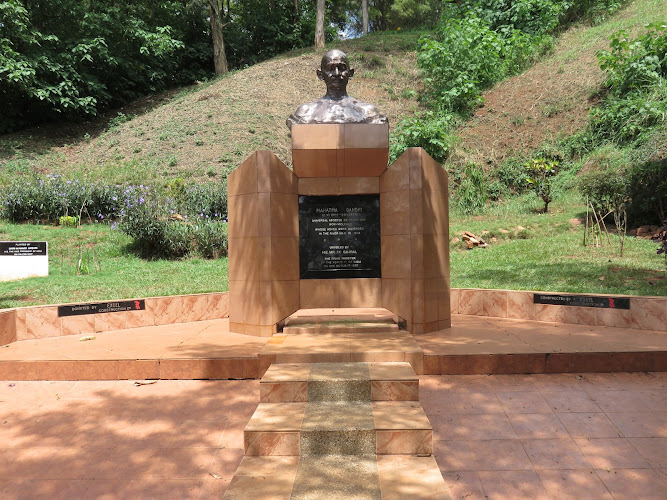
Speke Memorial Monument, source of the Nile
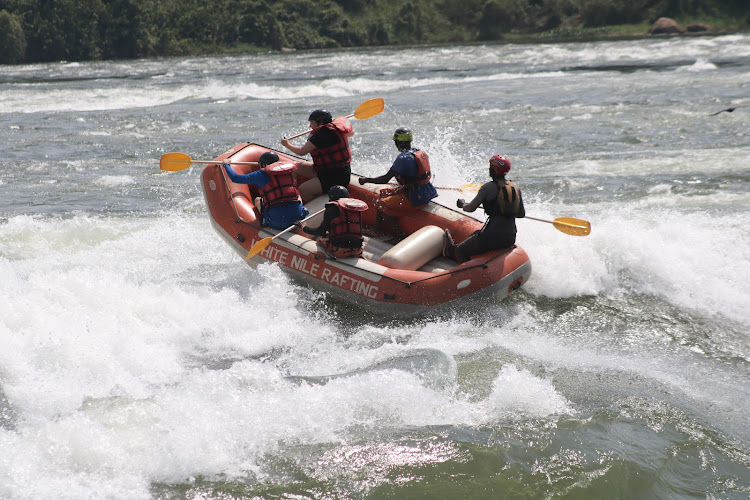
White Nile Rafting Ltd | White Water Rafting | Rafting in Uganda | Water Rafting Uganda | White Nile Rafting Uganda
Find Accommodations Nearby
Recommended Tours & Activities
Visitor Reviews
There are no reviews yet. Be the first one to write one.
Share Your Experience
Have you visited Uganda Railway Museum? Help other travelers by leaving a review.