
Branston Leas Nature Reserve
About Branston Leas Nature Reserve
Description
There are plenty of nature reserves in the United Kingdom, but Branston Leas Nature Reserve in Burton-on-Trent stands out, if you ask me, for its laid-back charm and genuinely welcoming atmosphere – not to mention its surprising size. Right alongside the sweeping river Trent, this reserve is the sort of place you might just drive past if you weren’t looking for it, yet it offers families, dog walkers, and ramblers a slice of Staffordshire countryside that feels almost tucked away from the everyday grind.
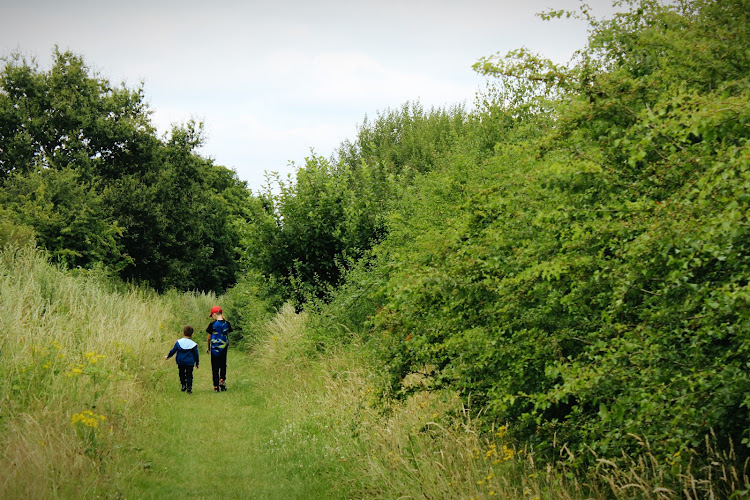
I first stumbled onto Branston Leas while trying to avoid the crowds at larger parks, figuring it would be just another patch of grass and trees. Well, it’s more than that! The reserve blankets a significant area next to the delightful Branston Water Park, and you’ll spot open meadows, well-tended wildflower corridors, and a mosaic of woodland plantations. From the first step onto the paths, there’s this sense you’re visiting a place that’s alive and growing – you’ll notice new tree plantings and fields managed to encourage wildlife to scurry, chirp, and buzz all around.
For those who care about conservation, Branston Leas doesn’t just look pretty; it’s an important corridor for birds and insects, and it connects with other sites along the Trent valley. It’s managed with genuine care – there’s evidence of thoughtful rewilding and efforts to make the reserve work not just for people, but for creatures that call this place home. You can wander along the winding footpaths, peer at the tranquil waters, and, if you like a touch of stillness with your Sunday, find a quiet spot for a picnic overlooking the reed beds. Families, especially with little ones who get bored of “grown-up walks”, will appreciate the space to run free and those handy, shorter trails.
If you’ve only ever known bustling city parks, Branston Leas’ simple joys – birds singing overhead, dogs leaping through the grass, and kids with muddy knees – might be just what the doctor ordered. And unlike many more “polished” parks, you won’t find playgrounds full of plastic or rows of fast-food sheds crowding out the natural charm. This place is all about reconnecting, quietly, with nature. Don’t be surprised if you spot the occasional artist sketching by the water, or a couple of binoculars-toting birdwatchers waving hello. There’s a subtle friendliness that seems to be part of the Branston air.
Key Features
- Expansive Wildflower Meadows: Gorgeous stretches of wildflowers create habitats for bees, butterflies, and other pollinators – especially stunning in summer.
- Dog-Friendly Trails: Well-maintained pathways, perfect for walking your furry friends (on leads where signposted). Water bowls can sometimes be found at entry points, a thoughtful touch from local volunteers.
- Access to Branston Water Park: The reserve flows seamlessly into Branston Water Park, so you get the best of both: tranquil nature and lakeside scenes.
- Family Picnic Areas: Tucked-away benches and grassy banks ideal for family picnics or enjoying a coffee among the trees. Some people bring camping chairs and just settle in for the afternoon!
- Kid-Friendly Experiences: Flat, easy-to-manage terrain for strollers and small bikes. Even kids who declare “nature is boring” often end up counting ducks or playing in the cool shade by the water.
- Rich Wildlife Spotting: Look out for woodpeckers, kingfishers, and if you’re lucky, a little egret stalking the marshy edge. Dragonflies abound during late spring.
- Accessible for All: The main paths are suitable for wheelchairs and buggies, though after heavy rain, sturdy shoes are a must (I’ve learned this the muddy way more than once!).
- Peaceful Fishing Spots Nearby: The reserve borders fishing-friendly waters (you’ll need a permit), which draws a few keen anglers – some of whom are happy to share tales of the “one that got away.”
- Lively Community Events: Occasionally hosts nature walks and educational sessions run by local groups or the borough council – great for those curious about conservation or local history.
Best Time to Visit
In my slightly biased opinion, there aren’t really any bad days at Branston Leas Nature Reserve, but certain weeks do have their magic. If you’re hoping for wildflower spectacle, late May through July brings the meadows to life – I once visited in June and counted at least a dozen different butterflies in one morning. Birdwatchers will do well in spring and autumn, when migratory traffic peaks. Autumn itself is underrated here: crisp mornings, leaves turning amber against the river, and a half-hidden sense of calm before winter pushes in.
Of course, summer weekends bring in local families and the odd picnicking couple, so if you prefer things quieter, weekday mornings are pure bliss. Winter tends to be misty and a bit muddy, but it has this stripped-back beauty (plus the promise of frost-rimed reeds along the water park). And for those who, like me, don’t mind a little drizzle, a rainy day at Branston Leas usually means you get the place nearly to yourself – peace that’s well worth soggy socks.
Wildlife-wise, dragonflies and damselflies flit everywhere from late spring onward, and you might catch the flash of a kingfisher almost any time of year, though luck does play its part. So, if you want to maximize your chances for wildlife and still dodge crowds, try a sunny weekday in late spring or early autumn.
How to Get There
Getting to Branston Leas Nature Reserve is refreshingly easy compared to some out-of-the-way nature reserves in east Staffordshire. If you’re coming from Burton-on-Trent, it’s a quick (10-minute or so) drive along local roads, with signage pointing toward Branston Water Park – which, handily, shares some of the same parking. The reserve sits just a short walk from the Branston area’s residential centre, so it’s genuinely accessible by bike, by foot, or public transport.
I’ve often cycled over from Burton town centre (a flat, straightforward route following the river). There’s secure bike parking at the water park entrance, so you won’t have to worry about your ride disappearing. For drivers, there’s a free public car park near the main site entrance; in my experience, it fills up on bank holidays, but otherwise you won’t have to circle forever.
Coming by train? The Burton-on-Trent railway station is about 2.5 miles from the reserve. You can grab a local taxi or hop on a bus heading south toward Branston; the bus stop isn’t far at all from the main entrance. For walkers, following the Trent & Mersey Canal towpath is a scenic way to approach (just keep an eye out for the occasional muddy patch).
If you’re using a sat nav – and let’s be honest, who doesn’t these days – just point yourself toward Branston Water Park, then follow the walking signs from the car park. It’s all well-marked, and if you ever get a bit lost, the locals are surprisingly friendly about giving directions. Most folks in the area know the reserve and take a bit of pride in pointing out the best start point for a meander.
Tips for Visiting
Now, a few nuggets I wish someone had told me before my first trip:
1. Dress for the Weather – British weather is notorious. The paths are pretty good, but after a downpour, you’ll be glad for waterproof boots. A spare pair of socks isn’t a bad shout either.
2. Bring Binoculars – Even a basic pair makes spotting those shy waterside birds or catching the flash of a dragonfly far easier. I’ve seen some children literally gasp when they get up-close views of a heron.
3. Respect the Wildlife – Keep dogs on a lead where signs ask; remember, it’s a haven for ground-nesting birds and (occasionally) even a deer browsing at dawn. Try not to blare music or disrupt the quiet. Your fellow walkers (and the creatures) will thank you – and believe it or not, you’ll spot more in silence.
4. No Formal Café, but Plenty of Picnics – There isn’t a formal café right inside the reserve – the vibe is much more bring-your-own-flask. A reusable coffee cup and some snacks go a long way, and you can always stop at a nearby Branston pub for a hearty meal after your stroll.
5. Access for All – The reserve prides itself on being open to everyone, but after very wet weather, some side paths can get a bit boggy. If accessibility is crucial, stick to the main loop paths and check ahead for surface updates during winter.
6. Parking Is Free, but Limited – The value of this can’t be overstated for budget-conscious day-outers. Just get there a bit earlier on sunnier days to snag a spot, particularly during school holidays.
7. Try a Circuit Walk – Make the most of your day by linking the Branston Leas loop with a stroll around Branston Water Park. I did this once and barely noticed the miles passing; it’s a surprisingly refreshing, not-too-taxing way to explore the area.
8. Stay Alert for Community Notices – Occasionally, the local council or wildlife groups post pop-up events or guided walks at the main entrance board. These can be a low-key way to learn about the reserve’s history or habitats from someone who knows their oaks from their ashes.
Honestly, what I love most about Branston Leas Nature Reserve is that it doesn’t try to impress with big-ticket thrills. It rolls at its own pace, full of unexpected charm: a stork overhead, children’s laughter skipping through the grass, and the simple pleasure of being outdoors in the heart of the United Kingdom of Great Britain and Northern Ireland. You don’t need to be a wildlife expert or seasoned rambler to appreciate it – just turn up, slow down, and let nature do the rest.
Key Features
- Key Features
- Best Time to Visit
- How to Get There
- Tips for Visiting
More Details
Updated July 12, 2025
Table of Contents
Description
There are plenty of nature reserves in the United Kingdom, but Branston Leas Nature Reserve in Burton-on-Trent stands out, if you ask me, for its laid-back charm and genuinely welcoming atmosphere – not to mention its surprising size. Right alongside the sweeping river Trent, this reserve is the sort of place you might just drive past if you weren’t looking for it, yet it offers families, dog walkers, and ramblers a slice of Staffordshire countryside that feels almost tucked away from the everyday grind.
I first stumbled onto Branston Leas while trying to avoid the crowds at larger parks, figuring it would be just another patch of grass and trees. Well, it’s more than that! The reserve blankets a significant area next to the delightful Branston Water Park, and you’ll spot open meadows, well-tended wildflower corridors, and a mosaic of woodland plantations. From the first step onto the paths, there’s this sense you’re visiting a place that’s alive and growing – you’ll notice new tree plantings and fields managed to encourage wildlife to scurry, chirp, and buzz all around.
For those who care about conservation, Branston Leas doesn’t just look pretty; it’s an important corridor for birds and insects, and it connects with other sites along the Trent valley. It’s managed with genuine care – there’s evidence of thoughtful rewilding and efforts to make the reserve work not just for people, but for creatures that call this place home. You can wander along the winding footpaths, peer at the tranquil waters, and, if you like a touch of stillness with your Sunday, find a quiet spot for a picnic overlooking the reed beds. Families, especially with little ones who get bored of “grown-up walks”, will appreciate the space to run free and those handy, shorter trails.
If you’ve only ever known bustling city parks, Branston Leas’ simple joys – birds singing overhead, dogs leaping through the grass, and kids with muddy knees – might be just what the doctor ordered. And unlike many more “polished” parks, you won’t find playgrounds full of plastic or rows of fast-food sheds crowding out the natural charm. This place is all about reconnecting, quietly, with nature. Don’t be surprised if you spot the occasional artist sketching by the water, or a couple of binoculars-toting birdwatchers waving hello. There’s a subtle friendliness that seems to be part of the Branston air.
Key Features
- Expansive Wildflower Meadows: Gorgeous stretches of wildflowers create habitats for bees, butterflies, and other pollinators – especially stunning in summer.
- Dog-Friendly Trails: Well-maintained pathways, perfect for walking your furry friends (on leads where signposted). Water bowls can sometimes be found at entry points, a thoughtful touch from local volunteers.
- Access to Branston Water Park: The reserve flows seamlessly into Branston Water Park, so you get the best of both: tranquil nature and lakeside scenes.
- Family Picnic Areas: Tucked-away benches and grassy banks ideal for family picnics or enjoying a coffee among the trees. Some people bring camping chairs and just settle in for the afternoon!
- Kid-Friendly Experiences: Flat, easy-to-manage terrain for strollers and small bikes. Even kids who declare “nature is boring” often end up counting ducks or playing in the cool shade by the water.
- Rich Wildlife Spotting: Look out for woodpeckers, kingfishers, and if you’re lucky, a little egret stalking the marshy edge. Dragonflies abound during late spring.
- Accessible for All: The main paths are suitable for wheelchairs and buggies, though after heavy rain, sturdy shoes are a must (I’ve learned this the muddy way more than once!).
- Peaceful Fishing Spots Nearby: The reserve borders fishing-friendly waters (you’ll need a permit), which draws a few keen anglers – some of whom are happy to share tales of the “one that got away.”
- Lively Community Events: Occasionally hosts nature walks and educational sessions run by local groups or the borough council – great for those curious about conservation or local history.
Best Time to Visit
In my slightly biased opinion, there aren’t really any bad days at Branston Leas Nature Reserve, but certain weeks do have their magic. If you’re hoping for wildflower spectacle, late May through July brings the meadows to life – I once visited in June and counted at least a dozen different butterflies in one morning. Birdwatchers will do well in spring and autumn, when migratory traffic peaks. Autumn itself is underrated here: crisp mornings, leaves turning amber against the river, and a half-hidden sense of calm before winter pushes in.
Of course, summer weekends bring in local families and the odd picnicking couple, so if you prefer things quieter, weekday mornings are pure bliss. Winter tends to be misty and a bit muddy, but it has this stripped-back beauty (plus the promise of frost-rimed reeds along the water park). And for those who, like me, don’t mind a little drizzle, a rainy day at Branston Leas usually means you get the place nearly to yourself – peace that’s well worth soggy socks.
Wildlife-wise, dragonflies and damselflies flit everywhere from late spring onward, and you might catch the flash of a kingfisher almost any time of year, though luck does play its part. So, if you want to maximize your chances for wildlife and still dodge crowds, try a sunny weekday in late spring or early autumn.
How to Get There
Getting to Branston Leas Nature Reserve is refreshingly easy compared to some out-of-the-way nature reserves in east Staffordshire. If you’re coming from Burton-on-Trent, it’s a quick (10-minute or so) drive along local roads, with signage pointing toward Branston Water Park – which, handily, shares some of the same parking. The reserve sits just a short walk from the Branston area’s residential centre, so it’s genuinely accessible by bike, by foot, or public transport.
I’ve often cycled over from Burton town centre (a flat, straightforward route following the river). There’s secure bike parking at the water park entrance, so you won’t have to worry about your ride disappearing. For drivers, there’s a free public car park near the main site entrance; in my experience, it fills up on bank holidays, but otherwise you won’t have to circle forever.
Coming by train? The Burton-on-Trent railway station is about 2.5 miles from the reserve. You can grab a local taxi or hop on a bus heading south toward Branston; the bus stop isn’t far at all from the main entrance. For walkers, following the Trent & Mersey Canal towpath is a scenic way to approach (just keep an eye out for the occasional muddy patch).
If you’re using a sat nav – and let’s be honest, who doesn’t these days – just point yourself toward Branston Water Park, then follow the walking signs from the car park. It’s all well-marked, and if you ever get a bit lost, the locals are surprisingly friendly about giving directions. Most folks in the area know the reserve and take a bit of pride in pointing out the best start point for a meander.
Tips for Visiting
Now, a few nuggets I wish someone had told me before my first trip:
1. Dress for the Weather – British weather is notorious. The paths are pretty good, but after a downpour, you’ll be glad for waterproof boots. A spare pair of socks isn’t a bad shout either.
2. Bring Binoculars – Even a basic pair makes spotting those shy waterside birds or catching the flash of a dragonfly far easier. I’ve seen some children literally gasp when they get up-close views of a heron.
3. Respect the Wildlife – Keep dogs on a lead where signs ask; remember, it’s a haven for ground-nesting birds and (occasionally) even a deer browsing at dawn. Try not to blare music or disrupt the quiet. Your fellow walkers (and the creatures) will thank you – and believe it or not, you’ll spot more in silence.
4. No Formal Café, but Plenty of Picnics – There isn’t a formal café right inside the reserve – the vibe is much more bring-your-own-flask. A reusable coffee cup and some snacks go a long way, and you can always stop at a nearby Branston pub for a hearty meal after your stroll.
5. Access for All – The reserve prides itself on being open to everyone, but after very wet weather, some side paths can get a bit boggy. If accessibility is crucial, stick to the main loop paths and check ahead for surface updates during winter.
6. Parking Is Free, but Limited – The value of this can’t be overstated for budget-conscious day-outers. Just get there a bit earlier on sunnier days to snag a spot, particularly during school holidays.
7. Try a Circuit Walk – Make the most of your day by linking the Branston Leas loop with a stroll around Branston Water Park. I did this once and barely noticed the miles passing; it’s a surprisingly refreshing, not-too-taxing way to explore the area.
8. Stay Alert for Community Notices – Occasionally, the local council or wildlife groups post pop-up events or guided walks at the main entrance board. These can be a low-key way to learn about the reserve’s history or habitats from someone who knows their oaks from their ashes.
Honestly, what I love most about Branston Leas Nature Reserve is that it doesn’t try to impress with big-ticket thrills. It rolls at its own pace, full of unexpected charm: a stork overhead, children’s laughter skipping through the grass, and the simple pleasure of being outdoors in the heart of the United Kingdom of Great Britain and Northern Ireland. You don’t need to be a wildlife expert or seasoned rambler to appreciate it – just turn up, slow down, and let nature do the rest.
Key Highlights
- Key Features
- Best Time to Visit
- How to Get There
- Tips for Visiting
Location
Places to Stay Near Branston Leas Nature Reserve
Find and Book a Tour
Explore More Travel Guides
No reviews found! Be the first to review!
Traveler Reviews for Branston Leas Nature Reserve
There are no reviews yet. Be the first one to write one.
Have you visited Branston Leas Nature Reserve? Help other travelers by sharing your review.
You Might Also Like
Anglesey Park
Burton upon Trent
Stapenhill Gardens
Find Accommodations Nearby
Recommended Tours & Activities
Visitor Reviews
There are no reviews yet. Be the first one to write one.
Share Your Experience
Have you visited Branston Leas Nature Reserve? Help other travelers by leaving a review.