
Ribat of Sousse
About Ribat of Sousse
Description
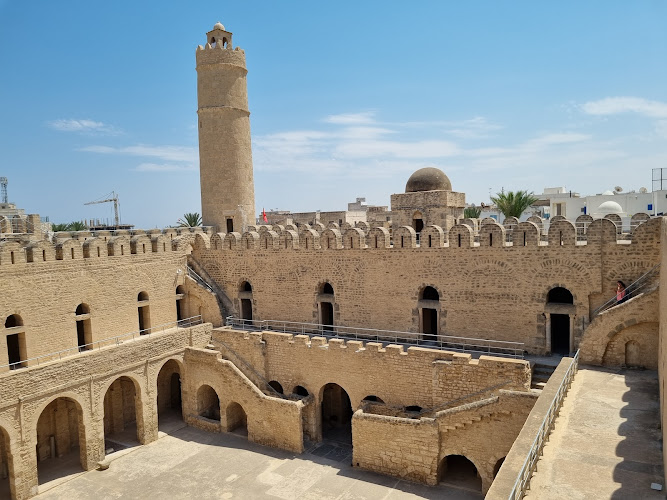
Right at the heart of Sousse’s old medina stands the Ribat of Sousse—a fortress that honestly, if stones could talk, would talk your ear off. You probably don’t wake up every morning wishing to visit an 8th-century fort, but let me tell you, this isn’t just any pile of ancient bricks. It’s the kind of spot that, even after wandering dozens of Tunisian streets, makes you stop, squint, and just feel the weight of history press down—in a goosebumps sort of way. Built as a small defensive fort centuries ago (we’re talking early 700s here; wrap your head around that for a sec), the Ribat’s original mission was dead-serious: keep invaders out, give the faithful a place to pray, and stand watchdog for a bustling port town. Over time, it got beefed up—the most impressive touch-up happened in 821, and let’s just say, those medieval masons weren’t thinking “add a little curb appeal.” What you see now is remarkably intact: towering sandstone walls, a panoramic lookout tower, and more nooks and crannies than your average medieval castle. But it’s not all grim fortress vibes. Inside, sunlight filters into quiet courtyards and arches you could spend hours photographing. There’s a calm, sacred energy, likely because the place doubled as a ribat—a sort of holy retreat for warrior monks, complete with a mosque and domed prayer hall. And climbing up its winding stairs? Feels like time travel, minus the time machine hum. Oh, and the view—wow. I groaned a little at the climb, but once I got up there, the sight of Sousse unraveling all around, blue sea on one side and a carpet of rooftops on the other, just about knocked the cynicism out of me. Now, I've read my fair share of traveler gripes about lack of signage and the odd patch of peeling paint. Sure, it’s not Disneyland with QR codes and trilingual info plaques every five steps. But with a little imagination, you can nearly hear the footsteps of centuries ago, echoing beneath your own.Key Features
- Historic Tower: The circular watchtower isn’t just for show. Climb it for panoramic views of Sousse’s old city, the fishing port, and out over the Mediterranean. Sunrise and sunset are especially spectacular (I may have gotten a bit poetic up there).
- Ancient Courtyards: Slow down in sunlight-filled courtyards with honey-colored arches—perfect for soaking in the energy and getting photos that make everyone back home jealous.
- Islamic Prayer Hall: Peek into a domed space where echoes linger and history feels close; non-Muslim visitors are usually welcome to appreciate the architecture respectfully.
- Thick, Impenetrable Walls: Not just a defensive tactic, but an immersive experience. Run your hands along those stones, and you’re literally touching the past.
- Onsite Local History Exhibits: Scattered displays showcase old coins, ceramics, and fragments, offering hints at the daily lives of monks, soldiers, and traders who once passed through here.
- Accessible & Family Friendly: The entrance is wheelchair accessible, and frankly, kids seem to love running around pretending to defend the fort.
Best Time to Visit
Look—I’ve been duped by shoulder-season promises before, but here’s the real scoop: Late spring (April–early June) and early autumn (mid-September–October) are the sweet spots. Not too roasting, not too packed. You’ll dodge the blazing high-summer sun, which, trust me, bakes those stone walls quicker than you can say “SPF 50.” Morning hours bring soft light and thinner crowds, ideal for explorers wanting their own slice of solitude. During July and August, Sousse hums with holiday energy, but temperatures surge and the fortress can get busy—picture busloads of visitors buzzing around, selfie sticks in the air. Winter? It’s quieter, even beautifully moody when the sky clouds over, but don't count on much action in the way of tours or guides. I once visited in early December and found myself nearly alone, which, depending on your vibe, is either magical or a little eerie.How to Get There
From nearly anywhere in Sousse’s city center, the Ribat is incredibly walkable—it’s a straight shot through the medina’s chaotically charming lanes, and the fortress rises up like a beacon (well, a sandstone beacon) above the rooftops. If you’re relying on public transport, the Sousse train and bus stations are both less than a 15-minute stroll away. Taxis swarm outside the main medina gates; they’re affordable (just insist on the meter, or be ready to bargain), but honestly, hoofing it offers so much more local color. You’ll pass souks, cafés, maybe a cat or two sunning itself atop a crumbling wall—seems like every visit, some wandering vendor tries to sell me something utterly unnecessary, and, nine times out of ten, they succeed. For drivers, limited parking hovers around the medina’s fringes; though, fair warning, Sousse’s drivers aren’t afraid of a tight squeeze. Arrive early if you want to snag a spot stress-free.Tips for Visiting
All right, here’s where I spill the good stuff—the sort of advice you’d want from a well-worn notebook rather than a glossy brochure.- Bring water and a hat. No, really—shade can be scarce and those stone surfaces radiate heat like an oven. Hydrate or suffer the consequences, my friend.
- Arrive early (or late). By mid-morning, tour groups start rolling in. Sneak in first thing (think 8:30-9:00 AM) for quiet corners, golden light, and minimal intrusions in your panoramic photos. Or swing by late afternoon, as shadows start stretching—there’s almost a hush then, and the city glows.
- Take your time in the tower. The climb’s a tad steep and the steps uneven, so hold the railings if you’re a bit wobbly. The view up top? Worth every careful step. Try finding the old harbor and counting the minarets scattered across the skyline—it’s a tradition for some repeat visitors, me included.
- Don’t skip the history displays. Sure, they’re small and sometimes labeled only in Arabic or French (Google Translate is your friend), but they’re full of odd little gems—coins, pottery, and centuries-old odds and ends that spark the imagination.
- Buy tickets on-site. You rarely need to book ahead unless you’re coming with a massive group. Sometimes guides hang around the entrance offering tours; if you’re the type who likes anecdotes and wild legends (and who isn’t?), it’s worth considering.
- Respect the site’s holy roots. It’s still technically a religious site. Dress with a nod to conservative norms—shoulders and knees covered—especially if you plan to peek into the former prayer hall.
- Photography tip: Shoot toward the sea in the morning for crystal-clear shots, or toward the medina at sunset for that postcard glow. Ditch the flash where signs say so—it’s gentler on those ancient stones.
Key Features
- Key Features
- Best Time to Visit
- How to Get There
- Tips for Visiting
More Details
Updated July 1, 2025
Table of Contents
Description
Right at the heart of Sousse’s old medina stands the Ribat of Sousse—a fortress that honestly, if stones could talk, would talk your ear off. You probably don’t wake up every morning wishing to visit an 8th-century fort, but let me tell you, this isn’t just any pile of ancient bricks. It’s the kind of spot that, even after wandering dozens of Tunisian streets, makes you stop, squint, and just feel the weight of history press down—in a goosebumps sort of way.
Built as a small defensive fort centuries ago (we’re talking early 700s here; wrap your head around that for a sec), the Ribat’s original mission was dead-serious: keep invaders out, give the faithful a place to pray, and stand watchdog for a bustling port town. Over time, it got beefed up—the most impressive touch-up happened in 821, and let’s just say, those medieval masons weren’t thinking “add a little curb appeal.” What you see now is remarkably intact: towering sandstone walls, a panoramic lookout tower, and more nooks and crannies than your average medieval castle.
But it’s not all grim fortress vibes. Inside, sunlight filters into quiet courtyards and arches you could spend hours photographing. There’s a calm, sacred energy, likely because the place doubled as a ribat—a sort of holy retreat for warrior monks, complete with a mosque and domed prayer hall. And climbing up its winding stairs? Feels like time travel, minus the time machine hum. Oh, and the view—wow. I groaned a little at the climb, but once I got up there, the sight of Sousse unraveling all around, blue sea on one side and a carpet of rooftops on the other, just about knocked the cynicism out of me.
Now, I’ve read my fair share of traveler gripes about lack of signage and the odd patch of peeling paint. Sure, it’s not Disneyland with QR codes and trilingual info plaques every five steps. But with a little imagination, you can nearly hear the footsteps of centuries ago, echoing beneath your own.
Key Features
- Historic Tower: The circular watchtower isn’t just for show. Climb it for panoramic views of Sousse’s old city, the fishing port, and out over the Mediterranean. Sunrise and sunset are especially spectacular (I may have gotten a bit poetic up there).
- Ancient Courtyards: Slow down in sunlight-filled courtyards with honey-colored arches—perfect for soaking in the energy and getting photos that make everyone back home jealous.
- Islamic Prayer Hall: Peek into a domed space where echoes linger and history feels close; non-Muslim visitors are usually welcome to appreciate the architecture respectfully.
- Thick, Impenetrable Walls: Not just a defensive tactic, but an immersive experience. Run your hands along those stones, and you’re literally touching the past.
- Onsite Local History Exhibits: Scattered displays showcase old coins, ceramics, and fragments, offering hints at the daily lives of monks, soldiers, and traders who once passed through here.
- Accessible & Family Friendly: The entrance is wheelchair accessible, and frankly, kids seem to love running around pretending to defend the fort.
Now, for anyone wary of bringing along littles or grandparents: I spotted families navigating most spaces with ease, though the tower climb is a challenge for strollers or those with mobility issues. Sturdy shoes and a bit of patience go a long way.
Best Time to Visit
Look—I’ve been duped by shoulder-season promises before, but here’s the real scoop: Late spring (April–early June) and early autumn (mid-September–October) are the sweet spots. Not too roasting, not too packed. You’ll dodge the blazing high-summer sun, which, trust me, bakes those stone walls quicker than you can say “SPF 50.” Morning hours bring soft light and thinner crowds, ideal for explorers wanting their own slice of solitude.
During July and August, Sousse hums with holiday energy, but temperatures surge and the fortress can get busy—picture busloads of visitors buzzing around, selfie sticks in the air. Winter? It’s quieter, even beautifully moody when the sky clouds over, but don’t count on much action in the way of tours or guides. I once visited in early December and found myself nearly alone, which, depending on your vibe, is either magical or a little eerie.
How to Get There
From nearly anywhere in Sousse’s city center, the Ribat is incredibly walkable—it’s a straight shot through the medina’s chaotically charming lanes, and the fortress rises up like a beacon (well, a sandstone beacon) above the rooftops. If you’re relying on public transport, the Sousse train and bus stations are both less than a 15-minute stroll away.
Taxis swarm outside the main medina gates; they’re affordable (just insist on the meter, or be ready to bargain), but honestly, hoofing it offers so much more local color. You’ll pass souks, cafés, maybe a cat or two sunning itself atop a crumbling wall—seems like every visit, some wandering vendor tries to sell me something utterly unnecessary, and, nine times out of ten, they succeed.
For drivers, limited parking hovers around the medina’s fringes; though, fair warning, Sousse’s drivers aren’t afraid of a tight squeeze. Arrive early if you want to snag a spot stress-free.
Tips for Visiting
All right, here’s where I spill the good stuff—the sort of advice you’d want from a well-worn notebook rather than a glossy brochure.
- Bring water and a hat. No, really—shade can be scarce and those stone surfaces radiate heat like an oven. Hydrate or suffer the consequences, my friend.
- Arrive early (or late). By mid-morning, tour groups start rolling in. Sneak in first thing (think 8:30-9:00 AM) for quiet corners, golden light, and minimal intrusions in your panoramic photos. Or swing by late afternoon, as shadows start stretching—there’s almost a hush then, and the city glows.
- Take your time in the tower. The climb’s a tad steep and the steps uneven, so hold the railings if you’re a bit wobbly. The view up top? Worth every careful step. Try finding the old harbor and counting the minarets scattered across the skyline—it’s a tradition for some repeat visitors, me included.
- Don’t skip the history displays. Sure, they’re small and sometimes labeled only in Arabic or French (Google Translate is your friend), but they’re full of odd little gems—coins, pottery, and centuries-old odds and ends that spark the imagination.
- Buy tickets on-site. You rarely need to book ahead unless you’re coming with a massive group. Sometimes guides hang around the entrance offering tours; if you’re the type who likes anecdotes and wild legends (and who isn’t?), it’s worth considering.
- Respect the site’s holy roots. It’s still technically a religious site. Dress with a nod to conservative norms—shoulders and knees covered—especially if you plan to peek into the former prayer hall.
- Photography tip: Shoot toward the sea in the morning for crystal-clear shots, or toward the medina at sunset for that postcard glow. Ditch the flash where signs say so—it’s gentler on those ancient stones.
And here’s a personal heads-up: Don’t rush. My first visit, I only budgeted an hour, and honestly, I left wishing I’d sat in the courtyard for just a little longer, letting the history soak in. If you’re a history geek like me—or even just a dabbler—you’ll want to bring along a notebook, camera, and a sense of wonder.
All in all, the Ribat of Sousse is magnetic in that quiet, monumental way. It’s “local experience meets epic story” at its finest. Even if you aren’t typically a ruins person, it’s hard not to find a little piece of yourself echoing in those sunlit corridors and windswept towers. And chances are, after you visit, you’ll want to tell your own stories too.
Key Highlights
- Key Features
- Best Time to Visit
- How to Get There
- Tips for Visiting
Location
Places to Stay Near Ribat of Sousse
Find and Book a Tour
Explore More Travel Guides
No reviews found! Be the first to review!
Traveler Reviews for Ribat of Sousse
There are no reviews yet. Be the first one to write one.
Have you visited Ribat of Sousse? Help other travelers by sharing your review.
You Might Also Like
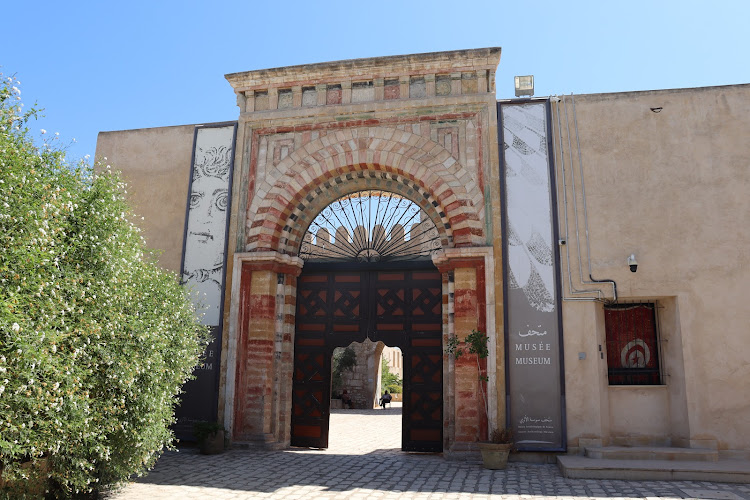
Sousse Archaeological Museum
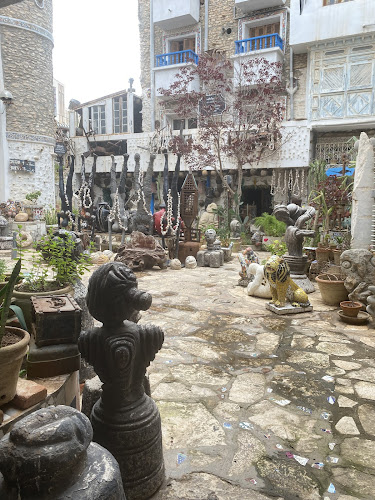
Dar Am Taieb Musee prive d
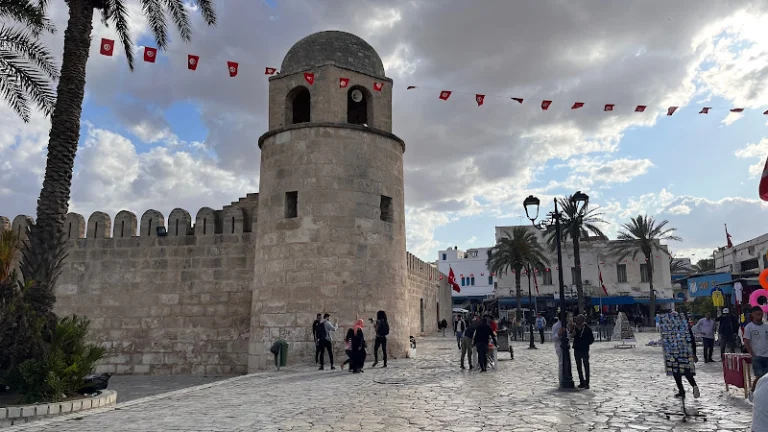
Médina de Sousse
Find Accommodations Nearby
Recommended Tours & Activities
Visitor Reviews
There are no reviews yet. Be the first one to write one.
Share Your Experience
Have you visited Ribat of Sousse? Help other travelers by leaving a review.